
Add it to your home screen and it opens full screen: no browser bars, one tap away, and everything stays signed in. Free, nothing to download from an app store.
- Tap the Share button in your browser
- Scroll down and choose “Add to Home Screen”
- Open GrowSomeFood from your home screen
- Open your browser’s menu
- Choose “Add to Home screen” or “Install app”
- Open GrowSomeFood from your home screen

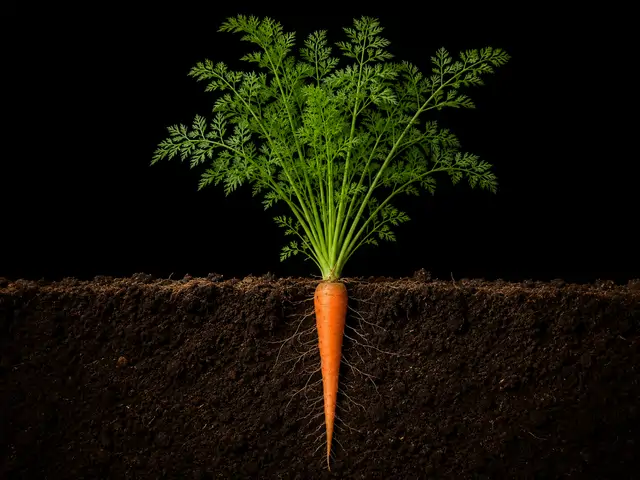
Carrot
A cold-hardy root crop that's slow to start but sweetens in frost - direct-sow it, thin it hard, and stagger sowings for carrots all season.
Safety notes The root and (in moderation) the leafy tops are edible. Carrot foliage contains furanocoumarins that can cause mild skin irritation or sun-sensitivity in some people who handle it in quantity - wear sleeves if you're sensitive.
Overview
Carrots are a cool-season root crop grown for their sweet, crunchy taproot - technically a biennial (it flowers and seeds in year two) but harvested as an annual in its first season. They ask for two things most gardeners underdeliver: loose, stone-free soil so the root can drive straight down, and patience at germination, which can take up to three weeks. Get those right and the rest is easy.
The one thing to knowThey ask for two things most gardeners underdeliver: loose, stone-free soil so the root can drive straight down, and patience at germination, which can take up to three weeks.
Quick facts
- Sprouts in
- 14 daysRange: 5–21 days
- Soil temperature
- 65 °FRange: 45–85 °F
- Height
- 12 inRange: 8–18 in
- Spread
- 3 inRange: 2–4 in
- Cold
- Takes hard frostdamaged below 20°F
- Heat
- Struggles above 85°F
- Life cycle
- Grown as an annualBotanically a biennial
- Save seeds
- Second yearafter overwintering a few plants
- Soil
- Well-drained
- Water
- Medium
- Plant spacing
- 2 inRange: 1–3 in
When to plant
Nothing is open today. Spring sowing opens 5 months, Mar 20 to Apr 17.
- Direct sow Mar 20 – Apr 17 Opens in 151 daysAbout 3 weeks before to 7 days after your last frost (Apr 10 here)Sow every 3 weeks from 2-3 weeks before last frost; the seedbed just needs to stay damp.
- Direct sow Aug 6 – Aug 26 Opens in 290 daysAbout 11 weeks before to 9 weeks before your first frost (Oct 25 here)Fall carrots left in the ground through frosts are the sweetest of the year.
Frost here: last around Apr 10 (Mar 27 to Apr 24 most years), first around Oct 25. Zone averages, your own yard may run a week or two either way.
Life stages
From the first start to harvest
Follow the growing sequence. Choose a stage to see its care and signs to watch for.
Stage 1 of 5 · The growing sequence
Germination
Day 0 to 14 from sowing
Care at this stage
-
Never let the surface crust or dry out
Carrots are slow (up to 3 weeks) and the seedbed must stay moist the whole time. Cover the row with a board or burlap, or mist daily, until you see sprouts.
-
Mark the row with fast radishes
Sow a few radish seeds in the carrot row - they sprout in days, mark the line, and break any soil crust for the carrots behind them.
Stages can overlap; weather, variety, and growing conditions change the pace.
Harvest
- Shoulders 1/2 to 1 inch across at the soil line
- Bright, full color right up to the crown
- Root snaps crisp, not rubbery, on a test pull
- Lift with a fork when shoulders reach 1/2-1 inch
- Leave a fall crop in the ground through frosts
Per plant 1 root, 1 to 8 ozPicking pull once
Cook with carrots
Watch out for
5 to know. 1 is high-risk: Carrot Rust Fly. 1 is active in October.
Carrot Rust FlySeverity High PestnowSeason: Apr, May, Jun, Sep, OctRusty tunnels and dark scars through the root when cut; stunted, reddish, wilting tops; larvae in the soil around the crown.
Rusty tunnels and dark scars through the root when cut; stunted, reddish, wilting tops; larvae in the soil around the crown.
No spray rescue once maggots are in the root - harvest early, cut away damaged sections, and reset with row cover and rotation next season. Beneficial nematodes drenched into the soil suppress larvae.
Float row cover over the bed from sowing (the flies find carrots by scent), rotate away from last year's carrot ground, and delay sowing past the spring egg-laying peak.
A small shiny-black fly whose maggots tunnel rusty-brown channels through carrot roots (and parsnip, celery, parsley). The classic carrot-family pest, worst in spring and fall.
Alternaria Leaf BlightSeverity Medium DiseaseSeason: Jun–SepBrown-to-black circular spots with concentric rings and yellow halos, often on outer and older leaves; sunken dark lesions on the head in wet weather.
Brown-to-black circular spots with concentric rings and yellow halos, often on outer and older leaves; sunken dark lesions on the head in wet weather.
Remove badly affected foliage, keep leaves dry, and apply copper or a biological fungicide early in a wet season. Harvest on time - the roots stay fine even as tops decline.
Clean seed, 3+ year rotation, wide spacing for airflow, water at the base not overhead, and clear crop debris; avoid working plants when wet.
Fungal leaf-spotting diseases (Alternaria, Septoria and others) that make angular dark spots on the hairy leaves, especially in wet, humid weather - a very common cosmetic issue on black-eyed Susans.
Root-Knot NematodesSeverity Medium PestSeason: Jun–SepStunted, yellowing, unthrifty plants that wilt in the heat even though the soil is moist, and poor yields for no obvious reason.
Carrots come out forked, stubby, hairy and knotted - damage usually blamed on stones or fresh manure. If you de-stoned the bed and still got forking, dig one root in midsummer and look for beading along the side rootlets.
Stunted, yellowing, unthrifty plants that wilt in the heat even though the soil is moist, and poor yields for no obvious reason. Confirm by digging: beady swellings strung along the roots and side rootlets, and root crops that are forked, branched, cracked or knotted rather than clean.
There is no in-season cure. Pull and destroy affected plants rather than composting them, and bring that ground back over several seasons with rotation, resistant varieties and marigold cover crops. Where a crop can be grown in a container of fresh mix, that sidesteps the problem entirely.
Rotate to non-hosts, and grow resistant varieties where they exist for your crop. A French marigold cover crop grown thickly the season before and turned in genuinely lowers populations. Build organic matter and mulch heavily, which feeds the soil life that suppresses them. Plant only clean stock, never move soil from an infested bed around the garden, and solarize badly infested ground through the hottest part of summer.
Microscopic soil roundworms (Meloidogyne species) that invade roots and force them to swell into beady galls. A galled root cannot take up water and nutrients properly, so the plant stunts, yellows, wilts in heat despite watering, and yields poorly, and root and tuber crops come up forked, knobbly, hairy or cracked instead of clean. They are worst in warm, sandy soils and build up steadily wherever a susceptible crop is grown in the same ground year after year. The wounds they leave also open the way for fusarium wilt and rots.
Flea BeetlesSeverity Low PestSeason: Apr–JunDozens of pinhead-sized round holes peppered across the leaves, thickest on the youngest, most tender growth.
Rarely more than cosmetic on established carrots, which outgrow it. Protect the seedlings and keep the bed watered.
Dozens of pinhead-sized round holes peppered across the leaves, thickest on the youngest, most tender growth. Tiny beetles that spring away as you brush the plants or lean in for a closer look - that jump is the identification. Seedlings that go lacy and stop growing, and transplants that sit and sulk instead of taking off. Damage heaviest in warm, dry weather and along the edge of a bed nearest weedy ground or last year's crop debris. On root crops, shallow narrow grooves or channels scarring the skin at harvest, from larvae feeding underground.
Row cover and healthy fast growth carry most crops through, and on an established plant the damage is usually cosmetic and needs nothing at all. Where a young planting is genuinely being stripped, kaolin clay coats the leaves and deters feeding, and spinosad will knock the beetles back. Spinosad is acutely toxic to bees while the spray is still wet - apply it at dusk when bees are not flying, never onto plants in flower, and follow the product label. Anything you spray must be labeled for the plant you are treating, and you must observe its pre-harvest interval on a crop you are picking. Yellow sticky traps are useful for telling you when the beetles have arrived. Where the damage falls on the part you eat, harvesting young often beats them outright; where you are growing for a root or a fruit, leaf damage can simply be tolerated. Larvae feeding underground cannot be reached by a foliar spray, so rotation and clean beds are what work against those.
Floating row cover or fine insect mesh, laid over the bed from the day of sowing or transplanting and sealed at the edges so nothing can walk in underneath, is the single best defense - and on the crops they favor it is close to essential. Leave it on until plants are large and growing strongly, or until flowering on anything that needs pollinating. Push growth: a well-watered, unchecked plant outgrows the damage, so the whole game is getting seedlings through their vulnerable weeks fast. Keep beds weed-free, since related weeds host the beetles alongside your crop, and clear crop debris at the end of the season where the adults overwinter. Rotate away from a bed that grew a related crop last year. Where you can, shift sowing dates - cooler-season and fall plantings often miss the peak of adult feeding entirely.
Flea beetles are tiny dark beetles - often shiny black or bronze, rarely more than a couple of millimeters long - with enlarged back legs that let them spring away like fleas the moment you lean in. The adults chew countless small round pits and shot-holes through leaves, giving the foliage a peppered, buckshot-riddled look. They overwinter as adults in leaf litter, hedgerows, and crop debris, emerge hungry in spring, and are worst in warm dry spells. The damage is mostly a seedling and transplant problem: a small plant with a few leaves can be checked, stunted, or killed outright, while the same plant shrugs them off once it is large and growing strongly. Different species specialize on different plant families, so the beetles hammering your brassicas are not the ones on your nightshades. Some species also have larvae that feed on roots and tubers underground.
AphidsSeverity Low PestSeason: May–AugDense clusters of tiny insects packed onto shoot tips, flower buds, and the undersides of young leaves.
The willow-carrot aphid colonizes the ferny tops and can carry virus into the crop, which matters more than the feeding. It seldom does enough damage to affect the root; a row cover over young plants keeps it off.
Dense clusters of tiny insects packed onto shoot tips, flower buds, and the undersides of young leaves. Curled, cupped, or distorted new growth that never opens properly. A sticky shine on the leaves - and on whatever sits under the plant - that later goes black with sooty mold. Tiny white cast skins left behind where a colony has been feeding. Ants running steadily up and down the stems, which is often the first thing you notice. Mottled, streaked, or misshapen leaves that do not grow out can mean a virus the aphids brought with them rather than the feeding itself.
Knock the colonies off with a hard jet of water and repeat every few days - on most plants that alone ends it. Pinch out or prune off the worst-infested tips rather than treating the whole plant. If colonies keep rebuilding, spray insecticidal soap or horticultural oil directly onto the insects, covering leaf undersides, and repeat weekly until they are gone; treat early or late in the day, and never spray a wilted or heat-stressed plant. Avoid broad-spectrum insecticides - they kill the ladybugs, lacewings, and parasitic wasps that were about to solve the problem for you, and aphid numbers usually come back worse afterward. Anything you spray must be labeled for the plant you are treating; follow that label and observe its pre-harvest interval. On anything you eat, wash leaves, heads, and buds well before use, since aphids hide down in crowns, folds, and tight growth.
Go easy on nitrogen: the soft, lush growth that heavy feeding produces is exactly what aphids breed on. Check new growth once a week through spring and early summer so you catch colonies while they are still small, and rub the first few out with your fingers. Leave flowering plants nearby and skip broad-spectrum sprays - ladybugs, lacewings, hoverflies, and parasitic wasps do most of this work for free, and they only stay if there is something for them to eat. Keep ants off the plant where you can, since they protect aphids from those predators. Water steadily so plants are not stressed, and check any new plant over before you bring it home or move it indoors, since aphids usually arrive on something else.
Aphids are small soft-bodied sap-suckers - green, black, gray, pink, or waxy white, and mostly wingless - that gather in dense colonies on the tenderest new growth: shoot tips, buds, and the undersides of young leaves. They breed extremely fast in mild weather, so a few can become hundreds inside a week. Their feeding curls and distorts soft growth, and the sticky honeydew they excrete coats everything below and turns black with sooty mold. Ants often farm and defend the colonies for that honeydew. A few aphids are normal on almost any plant and a healthy plant shrugs them off; only dense, persistent colonies do real damage, and some aphids also spread plant viruses as they feed.
Good & bad neighbors
Plant nearby
-
Same allium logic as onion - interplanted leeks are traditionally used to confuse the carrot rust fly.
-
The classic carrot-onion pairing: the onion's scent is credited with masking carrots from the carrot rust fly, and vice versa for onion fly.
-
Radishes sprout fast to mark the slow carrot row, break the soil crust for seedlings, and are harvested long before carrots need the space.
- Traditional pairings, thin evidence
-
Shallow-rooted lettuce shares the bed without competing for the deep soil the taproot uses; quick lettuce is gone before carrots size up.
-
Traditional pairing - peas fix nitrogen and use the cool early season alongside carrots.


Keep apart
-
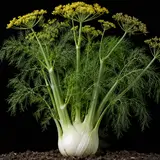
Fennel's root exudates inhibit many vegetables, so give it its own corner. It does not cross with carrot, though - carrot crosses only with other carrot varieties and with wild carrot (Queen Anne's lace).
- Traditional pairings, thin evidence
-
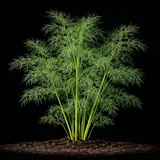
Same family (Apiaceae), so the two share pests such as the carrot rust fly - worth separating where pressure is high. Dill does not cross with carrot: carrot crosses only with other carrot varieties and with wild carrot (Queen Anne's lace).
Varieties · 12
You pick one when you add Carrot to your garden. Its days to maturity set your harvest window.
Nantes 5 varieties
Nantes
Good first pickThe gold-standard home carrot: cylindrical, blunt-tipped, deep orange, sweet and crisp with a fine texture.
Variety details for Nantes
Cylindrical roots with blunt rounded tips, bright orange, 6-7 inches.
sweetResists Alternaria leaf blight (moderate)
Nantes types are forgiving of heavier soils and the go-to for fresh eating. 'Scarlet Nantes' is the classic strain.
Scarlet Nantes
The named heirloom strain of the Nantes type and a market favorite since the 19th century: reliably sweet, crisp, and uniform cylinders bred near Nantes, France.
Variety details for Scarlet Nantes
Bright orange, blunt-tipped cylinders about 6-7 inches long.
heirloomsweetResists Alternaria leaf blight (moderate)
A dependable first carrot in most gardens.
Imperator 2 varieties
Imperator
The long, slender, tapered supermarket carrot and the type used for cut 'baby carrots.
Variety details for Imperator
Long tapered roots up to 10 inches, smooth deep-orange skin.
longsweet' Sweet and handsome but demands deep, loose, stone-free soil to grow straight - not one for heavy ground.
Tendersweet
A long, tapered, nearly coreless carrot bred for exceptional sweetness and tenderness - a favorite for juicing and fresh eating where the soil is deep enough to grow it long.
Variety details for Tendersweet
Long tapered roots 7-10 inches, reddish-orange, fine core.
sweetcoreless
Chantenay 1 variety
Chantenay
Short, broad-shouldered, wedge-shaped roots that thrive in heavy or shallow soil where long carrots fail.
Variety details for Chantenay
Broad, conical, stout roots about 5-6 inches, deep orange.
heirloomstorageshallow-soilSweet when young, an excellent keeper, and a top pick for clay ground or containers.
Danvers 3 varieties
Danvers
Developed in Danvers, Massachusetts in the late 1800s and famous for punching through heavy, rocky soil that stunts finer types.
Variety details for Danvers
Conical roots tapering to a point, deep orange, 6-8 inches.
heirloomstorageConical, deep orange, richly flavored, and a strong keeper.
Danvers 126
An improved Danvers selection with strong heat tolerance and resistance to cracking and splitting - a robust, adaptable workhorse for tough soils and warm summers.
Variety details for Danvers 126
Conical deep-orange roots, 6-8 inches, fine-grained.
heirloomstorageResists Cracking
Paris Market (Round) 1 variety
Thumbelina
A round, golf-ball-shaped 'Parisian' carrot (an AAS winner) built for shallow soil, heavy clay, and pots where no long carrot could grow.
Variety details for Thumbelina
Small round roots the size of a golf ball, bright orange.
roundcontainershallow-soilSweet, tender, and novel on the plate.
Grower tips
Notes from growers, tagged with the zone they grow in. A person reads every post before it appears.
Nobody has posted about Carrot yet. The first one usually saves someone a season.
Free account. Your post shows your grower name and zone, never your email.