
Add it to your home screen and it opens full screen: no browser bars, one tap away, and everything stays signed in. Free, nothing to download from an app store.
- Tap the Share button in your browser
- Scroll down and choose “Add to Home Screen”
- Open GrowSomeFood from your home screen
- Open your browser’s menu
- Choose “Add to Home screen” or “Install app”
- Open GrowSomeFood from your home screen

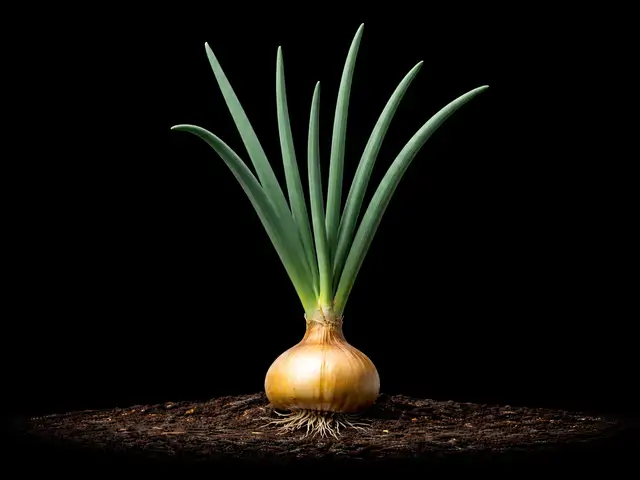
Onion
The kitchen's foundation crop - and the one where day length is everything: match long-, intermediate-, or short-day varieties to your latitude or you'll harvest scallions instead of bulbs.
Safety notes Safe for people (the green tops are edible like scallions); like all alliums, onions are toxic to dogs and cats in quantity.
Overview
Onions are the flavor base of nearly every cuisine, a long-season allium grown for its storage bulb (technically a biennial, harvested as an annual). They're not hard to grow, but they hinge on one fact most beginners miss: onions bulb in response to day length, and you must match the variety type to your latitude. Plant the wrong type and the plant never triggers bulbing - you get big tops and tiny onions.
The one thing to knowThey're not hard to grow, but they hinge on one fact most beginners miss: onions bulb in response to day length, and you must match the variety type to your latitude.
Quick facts
- Sprouts in
- 10 daysRange: 7–14 days
- Soil temperature
- 70 °FRange: 50–85 °F
- Start indoors
- 10 weeks before transplantRange: 8–12 weeks
- Height
- 18 inRange: 12–30 in
- Spread
- 5 inRange: 3–8 in
- Cold
- Takes light frostdamaged below 10°F
- Heat
- Struggles above 90°F
- Life cycle
- Grown as an annualBotanically a biennial
- Save seeds
- Second yearafter overwintering a few plants
- Soil
- Well-drained
- Water
- Medium
- Plant spacing
- 4 inRange: 3–6 in
When to plant
Nothing is open today. Spring transplanting opens 4 months, Feb 27 to Apr 3.
- Transplant Feb 27 – Apr 3 Opens in 131 daysAbout 6 weeks before to 7 days before your last frost (Apr 10 here)Intermediate-day (day-neutral) varieties suit the ~36th-parallel transition. Go by latitude, not zone: cool zone 7-8 gardens well north of ~36°N (the Pacific Northwest, high desert) want long-day types; gardens south of it want short-day.
Frost here: last around Apr 10 (Mar 27 to Apr 24 most years), first around Oct 25. Zone averages, your own yard may run a week or two either way.
Life stages
From the first start to harvest
Follow the growing sequence. Choose a stage to see its care and signs to watch for.
Stage 1 of 5 · The growing sequence
Germination
Day 0 to 10 from sowing
Care at this stage
-
Keep the mix evenly moist
Onion seed is slow and short-lived - use fresh seed and keep the surface damp. Indoors, sow 8-12 weeks before your transplant date.
-
Hold 70-75°F for germination
Warmth speeds the slow germination; the wispy grass-like sprouts loop up first before straightening.
Stages can overlap; weather, variety, and growing conditions change the pace.
Harvest
- About half or more of the tops flopped over at the neck
- Bulb shoulders full and skins beginning to paper over
- Necks softening (the signal bulbing is finished)
- Lift when about half the tops have fallen
- Cure 2-4 weeks in a dry, airy place
Per plant 1 bulb, 3 to 16 ozPicking pull once
Cook with onions
Watch out for
6 to know. 2 are high-risk: Onion Maggot, White Rot (Allium). 1 is active in October.
Onion MaggotSeverity High PestSeason: Apr–JulIndividual plants yellowing and wilting while their neighbors look fine, and - on pulling one - small white maggots with brown, slimy rot in the bulb base, shank or stem.
The bulb is the crop and there is no rescue once maggots are inside it. Cool wet springs and unrotated beds are the risk; space the rows and keep row fabric over the spring growth.
Individual plants yellowing and wilting while their neighbors look fine, and - on pulling one - small white maggots with brown, slimy rot in the bulb base, shank or stem.
There is no rescue for a maggot-riddled bulb. Pull and destroy infested plants rather than composting them, and never save affected bulbs for replanting. Beneficial nematodes drenched into the soil help suppress the larvae in a bed you have to keep using.
Rotate alliums yearly, cover the crop with row fabric through the fly's spring egg-laying window, space plants out rather than growing them in dense rows, and never plant into fresh manure, which draws the flies in.
The larvae of a small gray fly - the onion fly is the same insect - that lays its eggs at the base of allium plants. The white maggots tunnel into the bulb, shank or stem base, and the damage they leave opens the door to soft rot, so the plant yellows, wilts and collapses into a mush. It is worst in cool, wet springs, in unrotated allium beds, and in dense rows where the maggots can work from one plant to the next.
White Rot (Allium)Severity High DiseaseSeason: Apr–JunYellowing, wilting plants that pull up far too easily because the roots have gone, and - on the rotted bulb base - white cottony fungal growth with tiny black poppy-seed-like dots through it.
Buy certified disease-free sets and plants rather than the cheapest available, and quarantine new stock. There is no recovery from this in a home garden.
Yellowing, wilting plants that pull up far too easily because the roots have gone, and - on the rotted bulb base - white cottony fungal growth with tiny black poppy-seed-like dots through it.
There is no viable garden treatment. Remove and bin infected plants, never compost them, and do not grow alliums in that soil again. This is why clean planting-stock discipline matters more here than for any other allium problem.
This is entirely about never introducing it. Buy certified disease-free seed stock, sets and plants, never plant grocery-store bulbs or cloves, quarantine new stock, and do not move soil, bulbs or tools between an affected bed and a clean one. Once it is in, it is essentially permanent.
The most serious allium disease there is. A soil fungus (Sclerotium cepivorum) rots the roots and the base of the bulb, growing a white fluffy mold over it studded with tiny black sclerotia like poppy seeds. Those sclerotia survive in the soil for twenty years or more and germinate whenever an allium is planted above them, so a bed that gets it is finished for alliums within a home gardener's timescale. It arrives on infected planting stock and on moved soil.
Downy Mildew (Onion)Severity Medium DiseasenowSeason: Apr, May, Jun, Sep, OctPale yellow-green oval patches on leaves with a downy gray-purple fuzz in humid mornings; leaves yellowing and dying back from the tips.
Pale yellow-green oval patches on leaves with a downy gray-purple fuzz in humid mornings; leaves yellowing and dying back from the tips.
Remove affected leaves, improve airflow, and apply copper protectively in a wet season. Harvest and cure carefully - infected necks invite storage rot.
Space for airflow, water at the base in the morning, rotate alliums, avoid low wet spots, and grow resistant varieties (Red Wing) where it recurs.
A cool, damp-weather disease (Peronospora destructor) that produces pale patches and fuzzy gray-violet growth on onion leaves, collapsing them and shrinking bulbs; also causes purple blotch to follow in the dead tissue.
Rust (Allium)Severity Medium DiseaseSeason: Apr–JulOrange-red raised dots and streaks on the leaf blades, worst in humid spells and on crowded, poorly spaced or congested plantings.
Rust costs bulb size, since leaf area during bulbing is what sets how big the onion gets. Strip the worst leaves early and harvest on schedule.
Orange-red raised dots and streaks on the leaf blades, worst in humid spells and on crowded, poorly spaced or congested plantings.
Strip or shear off the worst-affected leaves early and let clean growth come back, improving airflow at the same time. A bulb crop usually still matures, so harvest on schedule rather than writing it off - rust rarely reaches the bulb itself.
Give wide spacing and full sun so the leaves dry quickly, avoid overhead watering and excess nitrogen, divide congested perennial clumps, and rotate alliums on a three-year cycle. Rust-tolerant varieties are available in some allium crops.
A fungal disease that raises bright orange pustules on allium leaves. The pustules destroy green tissue, and since those leaves are what feed the bulb, a heavy infection shrinks the crop or weakens the clump. It builds in humid weather, in crowded plantings and in high-nitrogen soil, and it rarely reaches the bulb itself.
Stem & Bulb NematodeSeverity Medium PestSeason: Apr–JulStunted, swollen or twisted plants; soft, spongy bulbs with cracked or discolored basal tissue; bloated leaf bases.
Stunted, swollen or twisted plants; soft, spongy bulbs with cracked or discolored basal tissue; bloated leaf bases.
None in-season. Destroy infected crops, hot-compost nothing from them, and rest that bed from alliums for 4+ years.
The whole defense is clean stock: certified seed, sets, and transplants, and never replant from a suspect crop.
Microscopic worms that live inside onion tissue, causing bloated, twisted, stunted growth and soft, cracked bulbs - spread almost entirely through infected planting stock and seed.
ThripsSeverity Medium PestSeason: Jun–AugSilvery-white streaks and fine speckling on leaves and petals, brown discolored patches, distorted buds and blooms that fail to open properly, and tiny sliver-like insects that drop out when you shake foliage or a flower over a sheet of white paper.
Onion thrips reduce bulb size when populations run high, so this is a yield question rather than a cosmetic one. Keep the crop watered, since thrips explode on drought-stressed onions, and use reflective mulch where pressure is chronic.
Silvery-white streaks and fine speckling on leaves and petals, brown discolored patches, distorted buds and blooms that fail to open properly, and tiny sliver-like insects that drop out when you shake foliage or a flower over a sheet of white paper. Worst in hot, dry spells and on drought-stressed plants.
A strong water spray dislodges light infestations, and on a plant that can take it a hard shear and clean regrowth clears them outright. For heavier pressure use insecticidal soap, neem or spinosad, aimed down into the leaf sheaths and buds where thrips actually shelter, and repeat at intervals since eggs and pupae escape a single spray. Spinosad is a registered insecticide: use only a product labeled for the crop you are treating, follow the label exactly, and observe its pre-harvest interval.
Scout early, before the damage reaches the part of the plant you care about. Start with clean planting stock, keep plants well watered since drought-stressed plants suffer worst, avoid heavy nitrogen, clear weedy hosts nearby, and hang blue or yellow sticky traps to catch the first arrivals. Reflective mulch deters them, and predatory mites, lacewings and minute pirate bugs do real work outdoors.
Tiny slender sap-sucking insects that rasp at leaves, buds and petals and drink what runs out, leaving silvery-white streaking and fine flecking, brown scorched patches, and new growth that comes out twisted or fails to open. They breed fast in hot, dry weather, shelter deep in leaf sheaths, folds and unopened buds where sprays struggle to reach, and several species also transmit plant viruses - which is often more damaging than the feeding itself.
Good & bad neighbors
Plant nearby
-
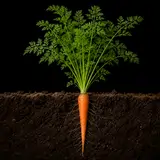
The classic pair: onion scent is credited with masking carrots from the carrot rust fly, and carrot scent with confusing the onion fly. Different root depths, no competition.
- Traditional pairings, thin evidence
-
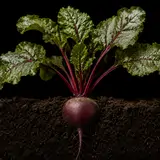
Beets and onions grow well side by side with different needs; alliums are traditionally said to deter some beet pests.
-
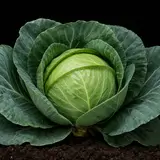
Alliums are traditionally credited with deterring cabbage moths and other pests from brassica beds.
-
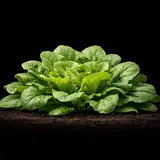
Low lettuce covers the ground between upright onions, conserving moisture; onion scent may deter aphids from tender greens.
Keep apart
-
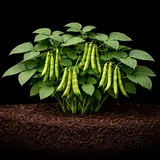
Same allium-legume conflict: onions are said to stunt beans and interfere with nitrogen fixation.
-
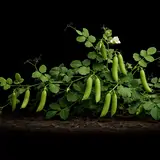
Alliums are widely reported to inhibit legumes and their nitrogen-fixing bacteria - keep onions out of the pea bed.
- Traditional pairings, thin evidence
-
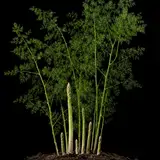
Traditional advice that alliums stunt asparagus; keep the perennial bed allium-free.
Varieties · 22
You pick one when you add Onion to your garden. Its days to maturity set your harvest window.
Long-day (Northern) 12 varieties
Copra
The benchmark long-day storage onion: firm, medium yellow-brown globes with the longest shelf life of any onion (up to a year cured), pungent and dense.
Variety details for Copra
Firm medium globes, yellow-brown skin, dense white flesh.
yellowstoragehybridResists Pink root
The keeper northern gardeners rely on.
Patterson
A leading long-day storage hybrid, replacing Copra in many gardens: uniform medium-large yellow bulbs, excellent disease resistance, and outstanding storage into spring.
Variety details for Patterson
Uniform medium-large globes with golden-brown skin, white flesh.
yellowstoragehybridResists Pink root, Fusarium basal rot
Dakota Tears
A hardy long-day storage onion bred for the northern plains: robust flavor, large firm bulbs, and long storage - a reliable winter-supply onion for cold gardens.
Variety details for Dakota Tears
Large firm globes, rich brown skin, firm white interior.
yellowstorageResists Pink root
Intermediate-day 1 variety
Candy
A widely adapted intermediate-day (day-neutral) sweet onion that grows large and mild across a broad range of latitudes - the go-to when you're unsure of your day-length type or live near the 36th parallel.
Variety details for Candy
Large globe bulbs, pale yellow-bronze skin, sweet flesh.
sweetlargehybrid
Short-day (Southern) 9 varieties
Red Burgundy
A mild, sweet short-day red for the South: deep-red skin over white flesh with red rings, best fresh in salads and on burgers for its color.
Variety details for Red Burgundy
Globe bulbs, deep-red skin, white flesh with red rings.
redmildfreshNot a long keeper.
Red Creole
The rare short-day red that actually stores: firm, pungent, deep-red bulbs bred for the Gulf South, holding far better than most southern onions.
Variety details for Red Creole
Firm flattened-globe bulbs, deep reddish-purple skin, white flesh.
redstoragepungentResists Pink root, Fusarium
A staple southern keeper.
Yellow Granex
The classic yellow Granex / Vidalia-type short-day sweet onion: flattened, pale, exceptionally mild and juicy, grown across the South for fresh eating - this is the onion sold as 'Vidalia' when it is grown in Georgia's designated counties.
Variety details for Yellow Granex
Flattened globe bulbs, pale straw to light yellow-brown skin, very sweet white flesh.
sweetmildflatOften listed on packets as just 'Granex', which is the type name rather than a separate variety. Eat fresh - short storage life.
Grower tips
Notes from growers, tagged with the zone they grow in. A person reads every post before it appears.
Nobody has posted about Onion yet. The first one usually saves someone a season.
Free account. Your post shows your grower name and zone, never your email.