
Add it to your home screen and it opens full screen: no browser bars, one tap away, and everything stays signed in. Free, nothing to download from an app store.
- Tap the Share button in your browser
- Scroll down and choose “Add to Home Screen”
- Open GrowSomeFood from your home screen
- Open your browser’s menu
- Choose “Add to Home screen” or “Install app”
- Open GrowSomeFood from your home screen
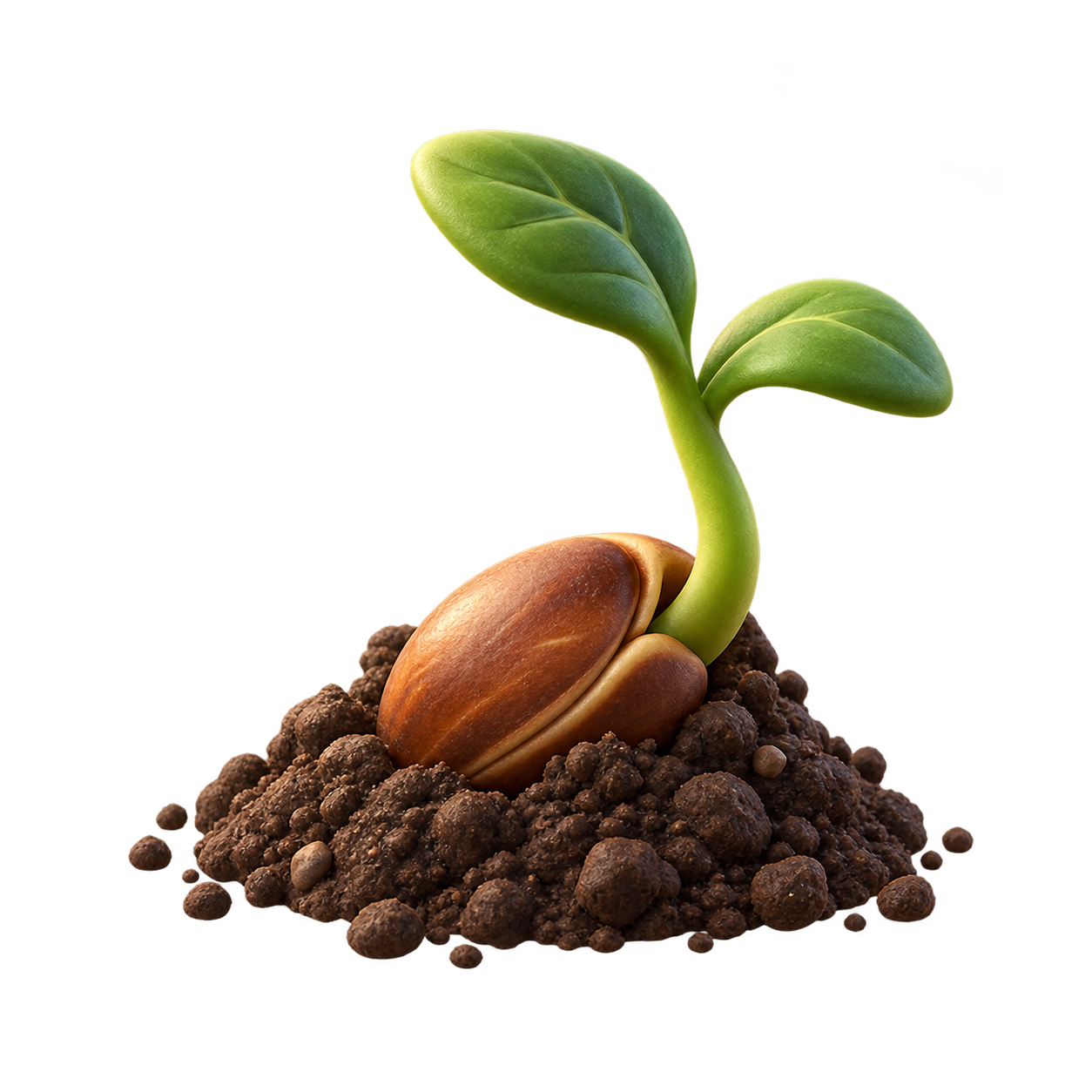
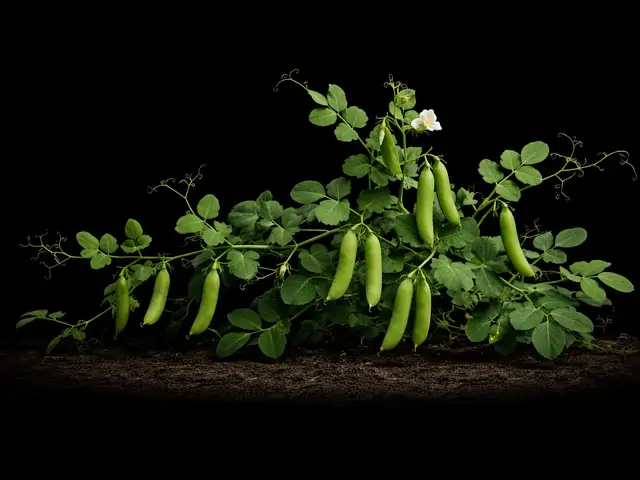
Pea
The cool-season legume that opens and closes the garden year: sweet pods in spring and fall, frost-hardy vines, and free nitrogen for the bed.
Safety notes The garden pea is entirely safe. Do not confuse with ornamental sweet pea (Lathyrus), whose seeds are toxic.
Overview
Peas are the crop that races the calendar from the other end. While the tomatoes are still under lights, peas are already in the cold spring ground, climbing and flowering in weather that would kill a bean. They're a cool-season legume - frost-hardy, quick, and sweetest when nights are chilly - which makes them the natural bookend around your summer crops, sown in earliest spring and again for fall.
The one thing to knowThree types share the name: shelling (English) peas, grown for the round seeds you pop from the pod; snap peas, with plump edible pods eaten whole; and snow peas, with flat tender pods for stir-fries.
Quick facts
- Sprouts in
- 9 daysRange: 6–21 days
- Soil temperature
- 65 °FRange: 40–85 °F
- Height
- 48 inRange: 18–84 in
- Spread
- 8 inRange: 4–12 in
- Support
- Grows better on a trellis or stake
- Cold
- Takes hard frostdamaged below 24°F
- Heat
- Struggles above 85°F
- Life cycle
- Annual
- Save seeds
- About 95 days after plantingRange: 85–110 days
- Soil
- Well-drained
- Water
- Medium
- Plant spacing
- 2 inRange: 1–3 in
When to plant
Nothing is open today. Spring sowing opens 4 months, Feb 27 to Apr 3.
- Direct sow Feb 27 – Apr 3 Opens in 131 daysAbout 6 weeks before to 7 days before your last frost (Apr 10 here)Sow as soon as the soil is workable; seedlings shrug off light frost, and peas must mature before summer heat.
- Direct sow Aug 2 – Aug 30 Opens in 287 daysAbout 12 weeks before to 8 weeks before your first frost (Oct 25 here)Fall peas yield less than spring; time the sowing so pods fill during cool weather before hard frost.
Frost here: last around Apr 10 (Mar 27 to Apr 24 most years), first around Oct 25. Zone averages, your own yard may run a week or two either way.
Life stages
From the first start to harvest
Follow the growing sequence. Choose a stage to see its care and signs to watch for.
Stage 1 of 6 · The growing sequence
Germination
Day 0 to 9 from sowing
Care at this stage
-
Keep soil moist, not soggy
Peas germinate in cold soil but rot in cold wet soil. Water in at sowing, then let the surface dry slightly between waterings.
-
Cover the row from birds
Birds pull emerging pea sprouts for the swollen seed below. A floating row cover or netting over the row protects them for the first two weeks.
Stages can overlap; weather, variety, and growing conditions change the pace.
Harvest
- Snow types: pods flat, bright, and tender with tiny peas inside
- Snap types: pods plump, glossy, and crisp enough to snap
- Shelling types: pods rounded and full but peas still bright green and sweet
- Pick every 2-3 days at peak
- Pull spent vines when heat ends the crop
Per plant 20 to 70 pods, 8 to 32 ozPicking pick as they ripen
Cook with Pea
Watch out for
5 to know. 1 is high-risk: Powdery Mildew. None are active in October.
Powdery MildewSeverity High DiseaseSeason: May, Jun, Jul, SepRound white powdery spots on the upper leaf surfaces that spread and merge until whole leaves look dusted.
The single most common reason a pea planting quits - and it often arrives hand-in-hand with the heat that was ending the crop anyway. Sowing early so the crop finishes before mildew weather peaks, and trellising the vines up off the ground, do more than any spray. Once it takes a warm-weather crop, harvest what you can and pull the vines.
Round white powdery spots on the upper leaf surfaces that spread and merge until whole leaves look dusted. It usually starts on the oldest, lowest, most shaded leaves and works upward, so check there first. Look at the undersides too, and at stems, buds, and flower stalks, which get coated as it advances. Leaves that yellow, brown, curl, or go crisp and drop early under the coating. New growth that opens small, crumpled, or twisted where the fungus has reached the shoot tips. On plants where it gets onto the fruit, a dull gray film, russeted or scarred skin, and cracking. Late in the season, tiny dark specks scattered through the white felt - that is the fungus setting up to overwinter on the debris.
Start early: sprays protect healthy tissue, they do not clean up leaves that are already coated. Pick off and bin the worst leaves as soon as you see them, and open the plant up by thinning or pruning so air moves through. On anything that regrows quickly, shearing the whole plant back forces a clean flush and beats spraying. If it keeps spreading, potassium bicarbonate, horticultural oil, or neem applied weekly will hold it - cover both leaf surfaces. Sulfur also works, but it burns the foliage of some plants, should never go on in heat, and must not be mixed with or applied close behind an oil spray. Whatever you use must be labeled for the plant you are treating: follow that label and observe its pre-harvest interval on anything you eat. Do not compost badly infected material. Late-season mildew on a plant that is finishing anyway is usually cosmetic; on a crop still filling out it is worth acting on.
Give plants room. Crowding and still air are the biggest single driver, so space at the full recommended distance, thin seedlings properly, and divide or prune out congested growth until air moves through the plant. Full sun and an open position help; deep shade and a still corner against a wall are where it always starts. Water at the base rather than overhead, and water early in the day so nothing stays damp overnight. Keep plants evenly watered - drought stress at the roots leaves them far more susceptible, even though the fungus itself likes dry air. Go easy on nitrogen, since soft lush growth is the most vulnerable. Where resistant varieties exist for what you are growing, choosing one is the single most effective thing you can do on a plant that mildews every year. Clear infected leaves and stems away at the end of the season rather than composting them.
Powdery mildew is a fungal disease that coats leaves - and often stems, buds, and fruit - in a white-to-gray powder that looks like spilled talcum. It is not one fungus but a large family of them, each fairly specialised to its own group of plants, which is why mildew on one crop rarely jumps to an unrelated one beside it. Unlike most leaf diseases it does not need wet leaves: it thrives on warm dry days followed by humid nights, and it takes hold fastest where plants stand crowded in still air or in shade. The coating blocks light, so heavily covered leaves yellow, brown, and drop early. On many plants that is mostly disfiguring and arrives late enough not to matter; where it strips away the leaves a crop still needed to finish, it costs you size, sweetness, and quality.
Root RotSeverity Medium DiseaseSeason: Mar–MayWilting in the middle of the day on a plant whose soil is damp - the classic tell, and the reason people water a rotting plant and finish it off.
Cold, wet spring soil is when peas are vulnerable. Sow into raised, well-drained beds, do not overwater cold ground, rotate legumes, and resow into warmer, drier soil if an early planting fails.
Wilting in the middle of the day on a plant whose soil is damp - the classic tell, and the reason people water a rotting plant and finish it off. Leaves yellowing from the bottom up, dull off-color foliage, and growth that stalls for no visible reason. Whole shoots, or one side of the plant, collapsing while the rest still looks fine. Soft, dark, or mushy tissue at the base of the stem or at the crown, sometimes with a sour smell. Lift a failing plant and look at the roots: healthy ones are firm and pale, rotted ones are brown or black and slimy, and the outer layer slips off between your fingers leaving a thread of core behind. Seedlings that topple over at soil level are the same problem, called damping-off.
There is no cure for tissue that has already rotted, so act on the conditions rather than looking for a spray. Stop watering at once and fix the drainage - open up compacted soil, or move the plant to a raised, sharply drained position or a container. Lift a badly affected plant, cut away every soft dark root and rotted section with a clean blade back to firm pale tissue, and replant only the healthy parts into fresh free-draining soil or mix. Often the better move is to give up on the plant and save its offspring instead: cuttings, offsets, or divisions taken from firm healthy growth root readily and give you a clean start. Bin the rotted material rather than composting it, and correct the drainage before you replant, because the rot comes straight back in the same wet spot.
Drainage is the whole defense. Match the plant to the site first - something that wants sharp drainage will not survive heavy clay or a low, water-collecting spot however well you tend it. Where the ground is heavy, plant on a raised bed, berm, or slope, or grow in a container. Set plants at the depth they were already growing, since burying the crown or the root flare is a common cause of rot, and keep mulch pulled back a few inches from the stem base instead of piled against it. Water the soil rather than the calendar: check that the top inch or two is dry before watering again, cut back hard in cool weather and winter dormancy, and never leave a pot standing in a full saucer. Do not plant or dig in soggy ground, and go easy on rich amendments for plants that want it lean. Rotate annual crops, and start with clean healthy plants and fresh mix.
Root rot is not one organism but a group of soil fungi and water molds - Pythium, Phytophthora, Fusarium, Rhizoctonia and others - that sit harmlessly in most soils and only turn destructive when the ground stays saturated. Waterlogged soil drives the air out, the roots suffocate, and the weakened tissue is invaded and goes soft, brown, and stringy. Because the damage is underground you usually see it first as something that looks like drought: wilting, yellowing, stunting, a plant that does not respond to being watered. Overwatering, heavy compacted ground, a low spot that collects runoff, a pot with no drainage or a saucer left standing full, and cold wet soil in winter are the usual causes. Once roots have actually rotted there is no cure - this is a problem you prevent rather than treat.
AphidsSeverity Medium PestSeason: Apr, May, Jun, SepDense clusters of tiny insects packed onto shoot tips, flower buds, and the undersides of young leaves.
The pea aphid is a large green species that colonizes growing tips and flower stalks and can carry viruses into the crop - the main concern here, more than the feeding itself, which is usually cosmetic on vigorous vines.
Dense clusters of tiny insects packed onto shoot tips, flower buds, and the undersides of young leaves. Curled, cupped, or distorted new growth that never opens properly. A sticky shine on the leaves - and on whatever sits under the plant - that later goes black with sooty mold. Tiny white cast skins left behind where a colony has been feeding. Ants running steadily up and down the stems, which is often the first thing you notice. Mottled, streaked, or misshapen leaves that do not grow out can mean a virus the aphids brought with them rather than the feeding itself.
Knock the colonies off with a hard jet of water and repeat every few days - on most plants that alone ends it. Pinch out or prune off the worst-infested tips rather than treating the whole plant. If colonies keep rebuilding, spray insecticidal soap or horticultural oil directly onto the insects, covering leaf undersides, and repeat weekly until they are gone; treat early or late in the day, and never spray a wilted or heat-stressed plant. Avoid broad-spectrum insecticides - they kill the ladybugs, lacewings, and parasitic wasps that were about to solve the problem for you, and aphid numbers usually come back worse afterward. Anything you spray must be labeled for the plant you are treating; follow that label and observe its pre-harvest interval. On anything you eat, wash leaves, heads, and buds well before use, since aphids hide down in crowns, folds, and tight growth.
Go easy on nitrogen: the soft, lush growth that heavy feeding produces is exactly what aphids breed on. Check new growth once a week through spring and early summer so you catch colonies while they are still small, and rub the first few out with your fingers. Leave flowering plants nearby and skip broad-spectrum sprays - ladybugs, lacewings, hoverflies, and parasitic wasps do most of this work for free, and they only stay if there is something for them to eat. Keep ants off the plant where you can, since they protect aphids from those predators. Water steadily so plants are not stressed, and check any new plant over before you bring it home or move it indoors, since aphids usually arrive on something else.
Aphids are small soft-bodied sap-suckers - green, black, gray, pink, or waxy white, and mostly wingless - that gather in dense colonies on the tenderest new growth: shoot tips, buds, and the undersides of young leaves. They breed extremely fast in mild weather, so a few can become hundreds inside a week. Their feeding curls and distorts soft growth, and the sticky honeydew they excrete coats everything below and turns black with sooty mold. Ants often farm and defend the colonies for that honeydew. A few aphids are normal on almost any plant and a healthy plant shrugs them off; only dense, persistent colonies do real damage, and some aphids also spread plant viruses as they feed.
Pea WeevilSeverity Medium PestSeason: Apr–JunAdults on blossoms in spring, small notches chewed in pods, and round exit holes or hollowed peas at shelling or in stored seed.
Mainly a problem for seed-savers and dry-pea growers - freeze saved seed to be sure it is weevil-free.
Adults on blossoms in spring, small notches chewed in pods, and round exit holes or hollowed peas at shelling or in stored seed.
Hand-pick adults and destroy infested pods; freezing saved seed for several days kills any larvae before storage.
Float row cover over the crop through flowering, clean up crop debris in fall, and rotate the pea patch away from last year's site.
A small brownish beetle whose larvae bore into developing pea seeds inside the pod; adults overwinter in debris and lay eggs on young pods at bloom.
Fusarium WiltSeverity Medium DiseaseSeason: May–JulWilting, yellowing, and browning of plants (often in patches), stunting, and death, worse where flax has grown before ('flax sick' ground).
Resistant varieties are the real defense; look for wilt-resistant labeling if it has appeared in your beds.
Wilting, yellowing, and browning of plants (often in patches), stunting, and death, worse where flax has grown before ('flax sick' ground).
No cure for infected plants - remove them, and rotate away from flax for several years; resistant varieties and rotation are the real controls.
Grow resistant varieties; rotate away from okra (and related mallows) for several years; ensure good drainage; control root-knot nematodes, which open the door to wilt.
A soil-borne fungus (Fusarium oxysporum f. lini) that infects flax roots and clogs the water-conducting tissue, causing wilting, yellowing, stunting, and death, and persisting in the soil for years - the classic 'flax sick' soil problem.
Good & bad neighbors
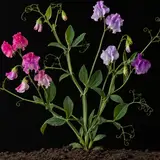
First rule: keep Sweet Pea apart. Never grow the ornamental sweet pea (Lathyrus odoratus) on or beside your edible pea trellis.
Plant nearby
-
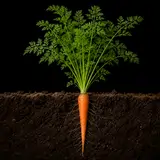
Fast radishes mark the slow pea row and are harvested before peas need the space.
-
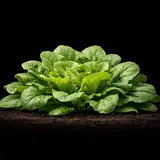
Cool-season leafy greens that appreciate the nitrogen peas fix and the light shade of the vines.
- Traditional pairings, thin evidence
-
Classic row-mates using different soil layers; both are cool-season and share the same early bed.
-
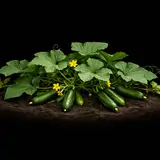
Follows peas well - the cucumbers take over the trellis and warm bed as the peas finish.
-
Shares the cool spring window and benefits from the pea bed's added nitrogen.
Keep apart
-
Never grow the ornamental sweet pea (Lathyrus odoratus) on or beside your edible pea trellis. It climbs at the same time, looks similar in leaf and flower, and its pods are TOXIC - the danger is picking the wrong pod, not competition. Keep sweet peas out of the food garden entirely.
- Traditional pairings, thin evidence
-
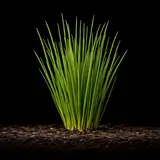
Long-standing garden lore; no controlled evidence that alliums affect legume growth or nodulation.
-
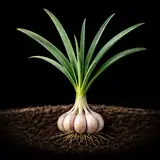
Long-standing garden lore; no controlled evidence that alliums affect legume growth or nodulation.
-
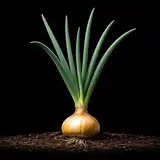
Long-standing garden lore; no controlled evidence that alliums affect legume growth or nodulation. Separate them if you like the tradition, but don't rearrange a bed over it.
Varieties · 6
You pick one when you add Pea to your garden. Its days to maturity set your harvest window.
Snow 1 variety
Oregon Sugar Pod II
The standard-bearer snow pea: broad, flat, tender pods borne in pairs on compact 30-inch vines with an unusually strong disease package.
Variety details for Oregon Sugar Pod II
Large flat, medium-green pods, often two to a stem.
edible-podsemi-dwarfdisease-resistantResists Powdery Mildew, Pea Enation Mosaic Virus, Pea Leaf Roll
Productive, easy, and forgiving - the snow pea to grow if you grow only one.
Snap 1 variety
Sugar Snap
The original snap pea and still the benchmark: plump, intensely sweet edible pods on tall 6-foot vines that need a real trellis.
Variety details for Sugar Snap
Plump, rounded bright-green pods on vigorous tall vines.
edible-podtallheirloomResists Powdery Mildew
A 1979 All-America Selections winner, born from a cross of snow and shelling peas. Pick young for pods, or let them fill for shell-and-snap. Best eaten within minutes of picking.
Shelling (English) 4 varieties
Green Arrow
A favorite shelling pea for the freezer: long, slender pods carrying 8-11 sweet peas each, borne in pairs for fast picking, on tidy 28-inch vines.
Variety details for Green Arrow
Long, pointed dark-green pods held in pairs above the foliage.
heavy-yieldheirloomResists Fusarium Wilt, Powdery Mildew
High-yielding and disease-resistant - the reliable choice for putting peas up.
Alaska
The classic extra-early shelling pea from the early 1900s, prized for cold tolerance and the earliest harvest of the season.
Variety details for Alaska
Small, smooth, light-green peas in short straight pods on 2-3 foot vines.
earlysmooth-seededheirloomResists Fusarium Wilt
Its smooth (starchy rather than wrinkled) seeds germinate in cold soil better than most, so it's the pea to sow at the very first opening of spring. Less sugary than modern wrinkled types - traditionally a soup and canning pea.
Little Marvel
A compact 18-inch bush shelling pea that has stayed popular for over a century for its sweet flavor and tidy habit - the pea for small beds, containers, and short supports.
Variety details for Little Marvel
Short, bushy plants with small dark-green pods.
dwarfheirloomEach plump pod holds 6-9 tender peas.
Grower tips
Notes from growers, tagged with the zone they grow in. A person reads every post before it appears.
Nobody has posted about Pea yet. The first one usually saves someone a season.
Free account. Your post shows your grower name and zone, never your email.