
Add it to your home screen and it opens full screen: no browser bars, one tap away, and everything stays signed in. Free, nothing to download from an app store.
- Tap the Share button in your browser
- Scroll down and choose “Add to Home Screen”
- Open GrowSomeFood from your home screen
- Open your browser’s menu
- Choose “Add to Home screen” or “Install app”
- Open GrowSomeFood from your home screen


Dandelion
The 'weed' worth planting on purpose: a wholly edible, deeply nutritious perennial with roots for coffee, flowers for wine, greens for the plate, and one of spring's first meals for bees.
Safety notes Entirely edible, but never gather from ground treated with herbicides - the biggest risk with wild dandelion. The sap can raise an itchy rash in people sensitive to daisy-family plants. The greens are very high in vitamin K (on warfarin, don't add or drop them without telling your prescriber) and high in potassium (ask your doctor if you take an ACE inhibitor, ARB, or potassium-sparing diuretic, or have reduced kidney function). Avoid medicinal root use with gallstones or a blocked bile duct.
Overview
Every part of a dandelion is edible and useful, which is exactly why it earns a place in a food garden rather than a footnote in the weeding chapter. The leaves are a genuine leafy green - nutrient-dense, sold in produce sections as a spring bitter - the roots roast into a caffeine-free coffee substitute, the flowers become wine, jelly, and fritters, and the whole plant carries a long, evidence-touched herbal tradition. It's also one of the very first flowers of spring, feeding bees when little else is blooming.
Quick facts
- Sprouts in
- 12 daysRange: 7–21 days
- Soil temperature
- 68 °FRange: 50–77 °F
- Height
- 12 inRange: 6–18 in
- Spread
- 10 inRange: 6–14 in
- Cold
- Takes hard frostdamaged below -20°F
- Heat
- Struggles above 90°F
- Life cycle
- Grown as an annualBotanically a perennial
- Save seeds
- About 90 days after plantingRange: 70–110 days
- Self-sows
- Yes, expect volunteers
- Soil
- Well-drained
- Water
- Medium
- Plant spacing
- 8 inRange: 6–12 in
When to plant
Nothing is open today. Spring sowing opens 5 months, Mar 20 to May 1.
- Direct sow Mar 20 – May 1 Opens in 152 daysAbout 3 weeks before to 3 weeks after your last frost (Apr 10 here)Sow in cool spring soil for tender spring-and-early-summer greens; light frost is no problem.
- Direct sow Aug 16 – Sep 20 Opens in 301 daysAbout 10 weeks before to 5 weeks before your first frost (Oct 25 here)Late-summer sowing gives sweet fall greens as the heat breaks - the best-flavored crop.
Frost here: last around Apr 10 (Mar 27 to Apr 24 most years), first around Oct 25. Zone averages, your own yard may run a week or two either way.
Life stages
From the first start to harvest
Follow the growing sequence. Choose a stage to see its care and signs to watch for.
Stage 1 of 5 · The growing sequence
Germination
Day 0 to 12 from sowing
Care at this stage
-
Surface-sow and keep moist - seed needs light
Press the seed onto the soil surface or barely cover it (light aids germination) and keep it damp until sprouts appear.
-
Sow cool
Dandelion germinates best in cool soil (spring or late summer); no coddling needed - this is a plant that grows in sidewalk cracks.
Stages can overlap; weather, variety, and growing conditions change the pace.
Harvest
- Leaves young, tender, and before flowering for the mildest flavor
- Flowers fully open on a sunny day (for flower uses)
- Roots dug in fall after a full season of growth
- Dig roots in fall for the best flavor
Per plant 20 to 100 leaves, 4 to 20 ozPicking cut and it regrows
Cook with Dandelion
Watch out for
3 to know. None are high-risk for Dandelion. 1 is active in October.
Slugs & SnailsSeverity Low PestnowSeason: Apr, May, Jun, Sep, OctIrregular ragged holes chewed out of the middle of leaves and along the edges - not the clean-edged cuts a caterpillar leaves.
Worst on young plants in damp weather; established rosettes are tougher and largely ignored.
Irregular ragged holes chewed out of the middle of leaves and along the edges - not the clean-edged cuts a caterpillar leaves. Seedlings that vanish overnight, or that are cut off at soil level with nothing left behind. Silvery dried slime trails across leaves, soil, pots, and paving in the morning: this is the giveaway that tells you it was mollusks rather than an insect. Chewed pits in ripe fruit, especially where it rests on the ground. Damage that shows up on the lowest, dampest leaves first and gets worse after rain or evening watering. Turn over a board, an upturned pot, or a clump of dense mulch during the day and look for the animals themselves sheltering in the cool underneath.
Hand-picking works and costs nothing: go out an hour after dark with a headlamp, drop what you find into soapy water, and repeat nightly for a week or two - persistence is what wins, not any single product. Shallow beer traps sunk to soil level catch them too, but need emptying and refilling daily to be worth anything. Iron-phosphate bait is the standard control and is far lower-risk around pets and wildlife than the old metaldehyde products, but it is not harmless: many formulations include EDTA, and a dog that eats a quantity of pellets can develop iron toxicosis. Scatter it thinly per the label, never in piles, and keep dogs off a baited bed. Clear fallen foliage and debris in autumn, where the eggs are laid. In a wet climate this is a population you manage each season rather than one you eradicate - and on most established plants light grazing is cosmetic and needs nothing at all.
Take away the daytime shelter first: lift boards and upturned pots, clear piles of debris, keep dense mulch pulled back from crowns and stems, and give crowded plantings enough airflow to dry out. Water in the morning rather than the evening so the surface is dry by the time they come out. Copper tape around containers and raised beds gives them a shock they will not cross, and it is the one barrier that reliably works. Get plants past the vulnerable stage quickly - start seedlings in pots and set them out at a decent size rather than direct-sowing into a cold wet bed, since most plants stop being worth defending once the leaves toughen. Leave the ground beetles, frogs, toads, and ground-feeding birds alone, because they eat mollusks all night for free and broad-spectrum slug pellets kill them too. Where thick-leaved or resistant varieties exist for what you are growing, they take far less damage.
Slugs and snails are nocturnal mollusks that rasp ragged holes in soft leaves, shear off seedlings at ground level, and chew into ripe fruit that touches the soil. They feed at night and in the early morning and spend the day hidden under boards, pots, dense mulch, leaf litter, and low foliage, becoming active in exactly the cool, damp, shaded conditions that suit young plants. Damage is heaviest in wet spells and on tender spring growth: a single wet week can erase a row of seedlings while an established, tough-leaved plant of the same species is barely marked. They lay clusters of small pearly eggs in damp soil and under debris, so a garden with plenty of cover carries a resident population year after year rather than being invaded from outside.
AphidsSeverity Low PestSeason: Apr–JulDense clusters of tiny insects packed onto shoot tips, flower buds, and the undersides of young leaves.
On greens you are going to eat, rinsing is the practical answer; dandelion's own early flowers also feed the predators that clear the colonies.
Dense clusters of tiny insects packed onto shoot tips, flower buds, and the undersides of young leaves. Curled, cupped, or distorted new growth that never opens properly. A sticky shine on the leaves - and on whatever sits under the plant - that later goes black with sooty mold. Tiny white cast skins left behind where a colony has been feeding. Ants running steadily up and down the stems, which is often the first thing you notice. Mottled, streaked, or misshapen leaves that do not grow out can mean a virus the aphids brought with them rather than the feeding itself.
Knock the colonies off with a hard jet of water and repeat every few days - on most plants that alone ends it. Pinch out or prune off the worst-infested tips rather than treating the whole plant. If colonies keep rebuilding, spray insecticidal soap or horticultural oil directly onto the insects, covering leaf undersides, and repeat weekly until they are gone; treat early or late in the day, and never spray a wilted or heat-stressed plant. Avoid broad-spectrum insecticides - they kill the ladybugs, lacewings, and parasitic wasps that were about to solve the problem for you, and aphid numbers usually come back worse afterward. Anything you spray must be labeled for the plant you are treating; follow that label and observe its pre-harvest interval. On anything you eat, wash leaves, heads, and buds well before use, since aphids hide down in crowns, folds, and tight growth.
Go easy on nitrogen: the soft, lush growth that heavy feeding produces is exactly what aphids breed on. Check new growth once a week through spring and early summer so you catch colonies while they are still small, and rub the first few out with your fingers. Leave flowering plants nearby and skip broad-spectrum sprays - ladybugs, lacewings, hoverflies, and parasitic wasps do most of this work for free, and they only stay if there is something for them to eat. Keep ants off the plant where you can, since they protect aphids from those predators. Water steadily so plants are not stressed, and check any new plant over before you bring it home or move it indoors, since aphids usually arrive on something else.
Aphids are small soft-bodied sap-suckers - green, black, gray, pink, or waxy white, and mostly wingless - that gather in dense colonies on the tenderest new growth: shoot tips, buds, and the undersides of young leaves. They breed extremely fast in mild weather, so a few can become hundreds inside a week. Their feeding curls and distorts soft growth, and the sticky honeydew they excrete coats everything below and turns black with sooty mold. Ants often farm and defend the colonies for that honeydew. A few aphids are normal on almost any plant and a healthy plant shrugs them off; only dense, persistent colonies do real damage, and some aphids also spread plant viruses as they feed.
Powdery MildewSeverity Low DiseaseSeason: Jul–SepRound white powdery spots on the upper leaf surfaces that spread and merge until whole leaves look dusted.
A late-season cosmetic issue on aging plants. Harvest leaves young; there is no reason to spray something you are about to eat.
Round white powdery spots on the upper leaf surfaces that spread and merge until whole leaves look dusted. It usually starts on the oldest, lowest, most shaded leaves and works upward, so check there first. Look at the undersides too, and at stems, buds, and flower stalks, which get coated as it advances. Leaves that yellow, brown, curl, or go crisp and drop early under the coating. New growth that opens small, crumpled, or twisted where the fungus has reached the shoot tips. On plants where it gets onto the fruit, a dull gray film, russeted or scarred skin, and cracking. Late in the season, tiny dark specks scattered through the white felt - that is the fungus setting up to overwinter on the debris.
Start early: sprays protect healthy tissue, they do not clean up leaves that are already coated. Pick off and bin the worst leaves as soon as you see them, and open the plant up by thinning or pruning so air moves through. On anything that regrows quickly, shearing the whole plant back forces a clean flush and beats spraying. If it keeps spreading, potassium bicarbonate, horticultural oil, or neem applied weekly will hold it - cover both leaf surfaces. Sulfur also works, but it burns the foliage of some plants, should never go on in heat, and must not be mixed with or applied close behind an oil spray. Whatever you use must be labeled for the plant you are treating: follow that label and observe its pre-harvest interval on anything you eat. Do not compost badly infected material. Late-season mildew on a plant that is finishing anyway is usually cosmetic; on a crop still filling out it is worth acting on.
Give plants room. Crowding and still air are the biggest single driver, so space at the full recommended distance, thin seedlings properly, and divide or prune out congested growth until air moves through the plant. Full sun and an open position help; deep shade and a still corner against a wall are where it always starts. Water at the base rather than overhead, and water early in the day so nothing stays damp overnight. Keep plants evenly watered - drought stress at the roots leaves them far more susceptible, even though the fungus itself likes dry air. Go easy on nitrogen, since soft lush growth is the most vulnerable. Where resistant varieties exist for what you are growing, choosing one is the single most effective thing you can do on a plant that mildews every year. Clear infected leaves and stems away at the end of the season rather than composting them.
Powdery mildew is a fungal disease that coats leaves - and often stems, buds, and fruit - in a white-to-gray powder that looks like spilled talcum. It is not one fungus but a large family of them, each fairly specialised to its own group of plants, which is why mildew on one crop rarely jumps to an unrelated one beside it. Unlike most leaf diseases it does not need wet leaves: it thrives on warm dry days followed by humid nights, and it takes hold fastest where plants stand crowded in still air or in shade. The coating blocks light, so heavily covered leaves yellow, brown, and drop early. On many plants that is mostly disfiguring and arrives late enough not to matter; where it strips away the leaves a crop still needed to finish, it costs you size, sweetness, and quality.
Good & bad neighbors
All of these are traditional pairings. The evidence is thin, so treat them as a nudge, not a rule.
Plant nearby
-
Under fruit trees, dandelion is an early-spring nectar source for the pollinators that set the fruit, and its taproot breaks up compacted soil.
-
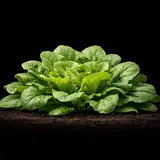
A natural salad-bed pairing - same cool-season, moist, part-shade-tolerant conditions and complementary flavors (mild lettuce, bitter dandelion).
-
Dandelion's deep taproot draws up minerals and its early flowers feed pollinators and beneficials near fruiting crops; a soft, traditional benefit.
-
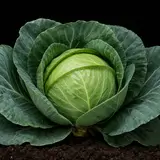
Its early flowers draw hoverflies and other beneficials that patrol brassicas; a minor, attractant-based benefit.


Keep apart
-
As a persistent perennial with a deep taproot, dandelion competes with heavy feeders for water and space in a tight bed - keep it out of the corn patch. Low-confidence, practical rather than chemical.

Varieties · 4
You pick one when you add Dandelion to your garden. Its days to maturity set your harvest window.
Common Dandelion
The familiar wild Taraxacum officinale - fully edible and nutritious, if smaller and more bitter than the cultivated types.
Variety details for Common Dandelion
Ground-hugging rosette of jagged 'lion's tooth' leaves with single bright-yellow flower heads on hollow stalks.
wild-typehardyself-seedingFree and everywhere (harvest only from unsprayed ground), and the baseline all the improved selections were bred from.
Amélioré (Improved)
A French cultivated selection ('improved') bred for larger, more upright, and less bitter leaves than the wild type - the market dandelion green.
Variety details for Amélioré (Improved)
Larger, more upright, tender green leaves in a full rosette.
cultivatedlarge-leafmildsaladGrows into a bigger, more productive rosette for salads and cooking.
Pissenlit Coeur Plein
A classic French cultivar ('full-hearted dandelion') selected for a dense, full center that self-blanches somewhat, giving tender, milder inner leaves.
Variety details for Pissenlit Coeur Plein
Broad, deeply lobed leaves forming a dense, full-hearted rosette.
cultivatedfrenchthick-heartedsaladPrized for salads and easy to blanch further under a cover.
Vert de Montmagny
A vigorous, thick-leaved French green-leaved dandelion cultivar valued for a heavy, consistent yield of large leaves for repeated cutting - a productive choice for a dedicated greens bed.
Variety details for Vert de Montmagny
Broad, deeply toothed, deep-green leaves in a large vigorous rosette.
cultivatedfrenchvigorouslarge-leaf
Grower tips
Notes from growers, tagged with the zone they grow in. A person reads every post before it appears.
Nobody has posted about Dandelion yet. The first one usually saves someone a season.
Free account. Your post shows your grower name and zone, never your email.