
Add it to your home screen and it opens full screen: no browser bars, one tap away, and everything stays signed in. Free, nothing to download from an app store.
- Tap the Share button in your browser
- Scroll down and choose “Add to Home Screen”
- Open GrowSomeFood from your home screen
- Open your browser’s menu
- Choose “Add to Home screen” or “Install app”
- Open GrowSomeFood from your home screen
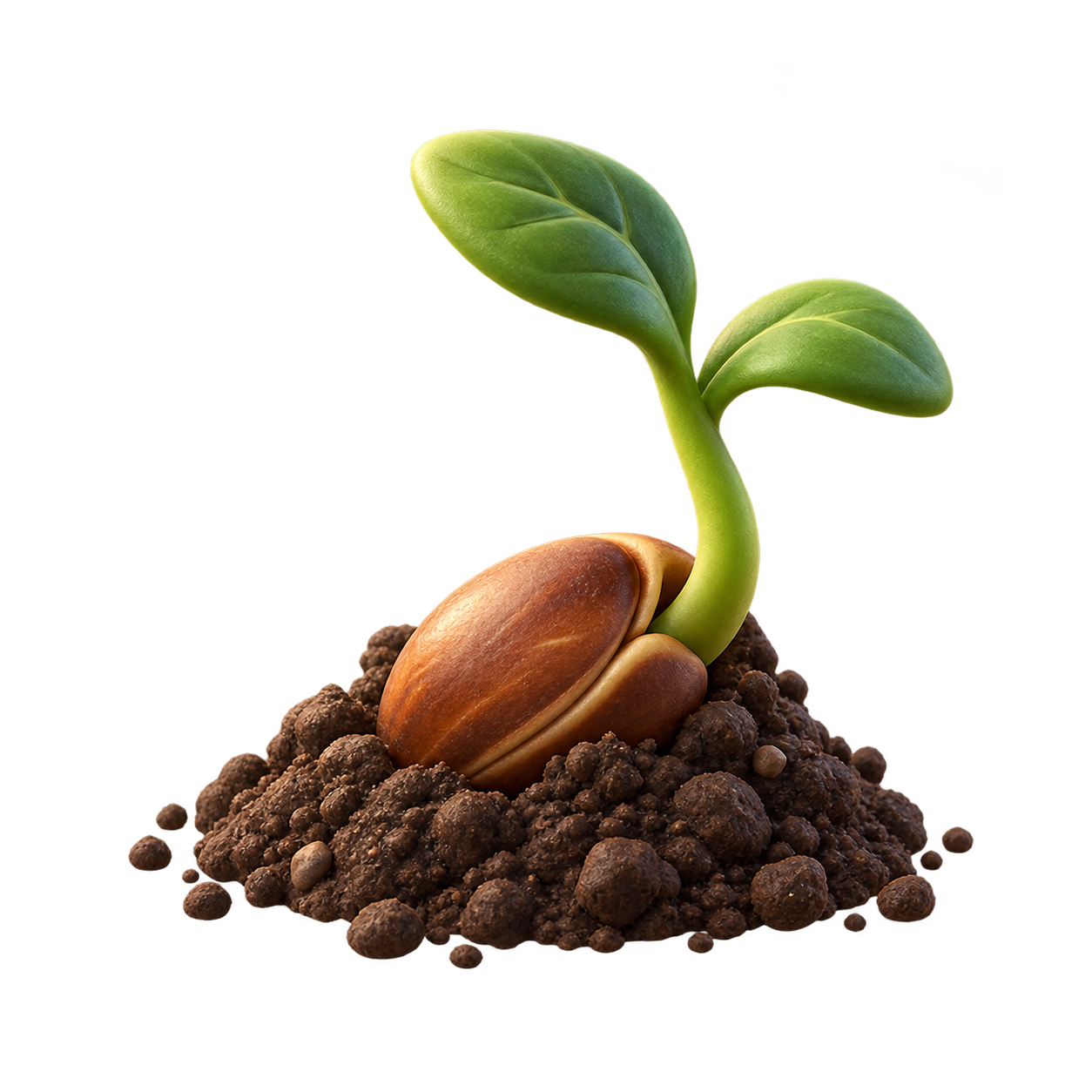
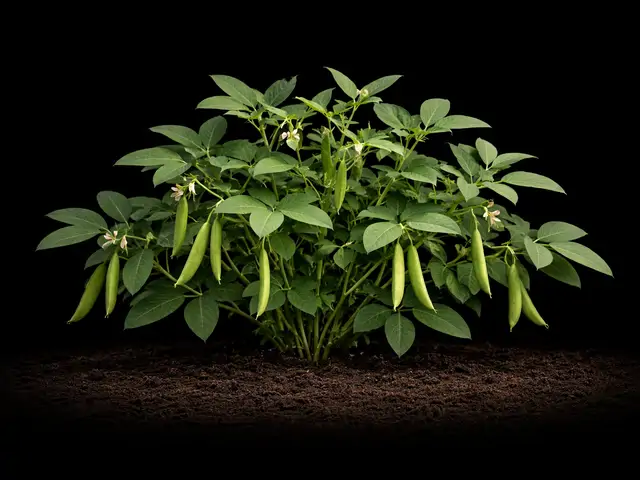
Southern Pea
The South's heat-proof, drought-tough legume: cowpea, black-eyed pea, crowder, purple hull - a summer staple that feeds people, livestock, and the soil.
Safety notes Southern peas are safe; cook the shelled peas as you would any bean. Young leaves and tender pods are also edible cooked.
Overview
Southern peas aren't peas at all - they're cowpeas (Vigna unguiculata), an African legume that shrugs off the summer heat and drought that flatten true peas and even beans. Under one name or another - black-eyed pea, crowder pea, purple hull, cream pea, field pea - they are the backbone of Southern summer gardens, thriving in poor soil and blazing sun where little else will set a crop. They give you tender snaps, fresh green-shell peas, and dried storage peas from a single planting.
The one thing to knowThey are also a triple threat in the garden: a food crop, one of the best nitrogen-fixing cover crops there is (they'll enrich exhausted soil), and a heat-and-drought insurance planting for the worst of summer.
Quick facts
- Sprouts in
- 7 daysRange: 5–12 days
- Soil temperature
- 80 °FRange: 65–95 °F
- Height
- 30 inRange: 18–48 in
- Spread
- 18 inRange: 12–30 in
- Cold
- Killed by frostdamaged below 40°F
- Heat
- Struggles above 100°F
- Life cycle
- Annual
- Save seeds
- About 90 days after plantingRange: 75–110 days
- Soil
- Well-drained
- Water
- Medium
- Plant spacing
- 4 inRange: 2–6 in
When to plant
Nothing is open today. Summer sowing opens 6 months, Apr 24 to May 22.
- Direct sow Apr 24 – May 22 Opens in 186 daysAbout 2 weeks after to 6 weeks after your last frost (Apr 10 here)Sow 2-6 weeks after the last frost once soil is 65°F+; a true heat-lover that thrives in the hottest part of summer.
- Direct sow Jul 27 – Aug 21 Opens in 280 daysAbout 13 weeks before to 9 weeks before your first frost (Oct 25 here)A fast second crop - short-season types make green peas in 50-60 days, so a midsummer sowing still finishes.
Frost here: last around Apr 10 (Mar 27 to Apr 24 most years), first around Oct 25. Zone averages, your own yard may run a week or two either way.
Life stages
From the first start to harvest
Follow the growing sequence. Choose a stage to see its care and signs to watch for.
Stage 1 of 6 · The growing sequence
Germination
Day 0 to 7 from sowing
Care at this stage
-
Keep soil moist, never soggy
Cowpea seed rots in cool, wet soil but sprouts fast in warm ground. Wait for 65°F+ soil, water in, then keep just moist.
-
Sow into genuinely warm soil
Southern peas are heat crops - they germinate best at 75-95°F. Don't rush them into cool spring ground; 2-6 weeks after last frost is right.
Stages can overlap; weather, variety, and growing conditions change the pace.
Harvest
- Green-shell stage: pods full, plump, and colored up (purple, silver, or tan) but not yet dry
- Peas inside firm and full but still tender
- Dry stage (for storage): pods tan, brittle, and rattling
- Pick at the stage you want · every 4 days
- Or let pods dry for storage peas
Per plant 30 to 120 pods, 8 to 40 ozPicking pick as they ripen
Cook with Southern Pea
Watch out for
5 to know. 1 is high-risk: Cowpea Curculio. None are active in October.
Cowpea CurculioSeverity High PestSeason: Jun–SepSmall dark punctures and 'warty' bumps on pods, scarred or hollowed peas at shelling, and the tiny black adults on blossoms and young pods.
The signature southern-pea pest; merged and elevated to High from both source drafts - especially serious in humid Gulf and Southeastern gardens.
Small dark punctures and 'warty' bumps on pods, scarred or hollowed peas at shelling, and the tiny black adults on blossoms and young pods.
Destroy infested pods promptly, hand-pick adults where practical, and freeze saved/dry peas to kill larvae. Heavy infestations may need timely insecticide at pod set in the Deep South.
Rotate cowpeas away from last year's site, clear crop debris where adults overwinter, and choose early varieties that dodge peak pressure.
A small, hump-backed black weevil that is the number-one pest of southern peas in the Deep South; adults puncture pods and larvae develop inside, feeding on and scarring the peas.
AphidsSeverity Medium PestSeason: May–SepDense clusters of tiny insects packed onto shoot tips, flower buds, and the undersides of young leaves.
The cowpea aphid is a shiny black species that builds fast on flower stalks and pods. Watch through bloom, mainly for the viruses it can spread - the feeding itself is usually cosmetic on vigorous plants.
Dense clusters of tiny insects packed onto shoot tips, flower buds, and the undersides of young leaves. Curled, cupped, or distorted new growth that never opens properly. A sticky shine on the leaves - and on whatever sits under the plant - that later goes black with sooty mold. Tiny white cast skins left behind where a colony has been feeding. Ants running steadily up and down the stems, which is often the first thing you notice. Mottled, streaked, or misshapen leaves that do not grow out can mean a virus the aphids brought with them rather than the feeding itself.
Knock the colonies off with a hard jet of water and repeat every few days - on most plants that alone ends it. Pinch out or prune off the worst-infested tips rather than treating the whole plant. If colonies keep rebuilding, spray insecticidal soap or horticultural oil directly onto the insects, covering leaf undersides, and repeat weekly until they are gone; treat early or late in the day, and never spray a wilted or heat-stressed plant. Avoid broad-spectrum insecticides - they kill the ladybugs, lacewings, and parasitic wasps that were about to solve the problem for you, and aphid numbers usually come back worse afterward. Anything you spray must be labeled for the plant you are treating; follow that label and observe its pre-harvest interval. On anything you eat, wash leaves, heads, and buds well before use, since aphids hide down in crowns, folds, and tight growth.
Go easy on nitrogen: the soft, lush growth that heavy feeding produces is exactly what aphids breed on. Check new growth once a week through spring and early summer so you catch colonies while they are still small, and rub the first few out with your fingers. Leave flowering plants nearby and skip broad-spectrum sprays - ladybugs, lacewings, hoverflies, and parasitic wasps do most of this work for free, and they only stay if there is something for them to eat. Keep ants off the plant where you can, since they protect aphids from those predators. Water steadily so plants are not stressed, and check any new plant over before you bring it home or move it indoors, since aphids usually arrive on something else.
Aphids are small soft-bodied sap-suckers - green, black, gray, pink, or waxy white, and mostly wingless - that gather in dense colonies on the tenderest new growth: shoot tips, buds, and the undersides of young leaves. They breed extremely fast in mild weather, so a few can become hundreds inside a week. Their feeding curls and distorts soft growth, and the sticky honeydew they excrete coats everything below and turns black with sooty mold. Ants often farm and defend the colonies for that honeydew. A few aphids are normal on almost any plant and a healthy plant shrugs them off; only dense, persistent colonies do real damage, and some aphids also spread plant viruses as they feed.
Fusarium WiltSeverity Medium DiseaseSeason: Jun–AugWilting, yellowing, and browning of plants (often in patches), stunting, and death, worse where flax has grown before ('flax sick' ground).
Resistant varieties are the practical defense where wilt has appeared.
Wilting, yellowing, and browning of plants (often in patches), stunting, and death, worse where flax has grown before ('flax sick' ground).
No cure for infected plants - remove them, and rotate away from flax for several years; resistant varieties and rotation are the real controls.
Grow resistant varieties; rotate away from okra (and related mallows) for several years; ensure good drainage; control root-knot nematodes, which open the door to wilt.
A soil-borne fungus (Fusarium oxysporum f. lini) that infects flax roots and clogs the water-conducting tissue, causing wilting, yellowing, stunting, and death, and persisting in the soil for years - the classic 'flax sick' soil problem.
Root-Knot NematodesSeverity Medium PestSeason: Jun–SepStunted, yellowing, unthrifty plants that wilt in the heat even though the soil is moist, and poor yields for no obvious reason.
Cowpeas are both a host and, in resistant varieties, a tool for managing nematodes - variety choice is everything in sandy soil. California Blackeye and Mississippi Silver are among the resistant ones.
Stunted, yellowing, unthrifty plants that wilt in the heat even though the soil is moist, and poor yields for no obvious reason. Confirm by digging: beady swellings strung along the roots and side rootlets, and root crops that are forked, branched, cracked or knotted rather than clean.
There is no in-season cure. Pull and destroy affected plants rather than composting them, and bring that ground back over several seasons with rotation, resistant varieties and marigold cover crops. Where a crop can be grown in a container of fresh mix, that sidesteps the problem entirely.
Rotate to non-hosts, and grow resistant varieties where they exist for your crop. A French marigold cover crop grown thickly the season before and turned in genuinely lowers populations. Build organic matter and mulch heavily, which feeds the soil life that suppresses them. Plant only clean stock, never move soil from an infested bed around the garden, and solarize badly infested ground through the hottest part of summer.
Microscopic soil roundworms (Meloidogyne species) that invade roots and force them to swell into beady galls. A galled root cannot take up water and nutrients properly, so the plant stunts, yellows, wilts in heat despite watering, and yields poorly, and root and tuber crops come up forked, knobbly, hairy or cracked instead of clean. They are worst in warm, sandy soils and build up steadily wherever a susceptible crop is grown in the same ground year after year. The wounds they leave also open the way for fusarium wilt and rots.
Southern BlightSeverity Medium DiseaseSeason: Jun–SepSudden wilting of individual plants, white fungal fans on the lower stem and surrounding soil, and tiny round tan-to-brown sclerotia at the base in hot, humid weather.
A generalist hot-climate soil disease shared with many vegetables; the tan sclerotia at the stem base are the giveaway.
Sudden wilting of individual plants, white fungal fans on the lower stem and surrounding soil, and tiny round tan-to-brown sclerotia at the base in hot, humid weather.
Remove and destroy affected plants along with the surrounding soil crust; the sclerotia persist, so rotation and sanitation are the long game.
Rotate with non-host crops (grasses/corn), improve drainage, bury or remove old debris, avoid deep mulch against stems, and don't overcrowd.
A hot-weather soil fungus (Sclerotium rolfsii) that attacks the stem at the soil line, collapsing plants; recognizable by white fan-like fungal growth and tan mustard-seed-sized sclerotia at the base.
Good & bad neighbors
Plant nearby
-
A classic warm-season pairing: cowpeas fix nitrogen for the heavy-feeding corn and can scramble among the stalks - the Southern echo of the three sisters.
- Traditional pairings, thin evidence
-
Shares hot-season timing and benefits from the abundant nitrogen cowpeas add to the bed.
-
Fast radishes use the ground early and are said to deter some pests.
-
Sprawling squash shades and cools the soil while cowpeas enrich it - a heat-loving polyculture.
Keep apart
-
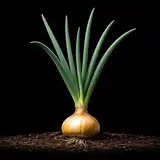
Like the other alliums, credited with stunting legumes and suppressing their root bacteria.
-
Same legume-allium conflict - keep garlic out of the cowpea bed.
-
Alliums are widely reported to inhibit legume growth and their nitrogen-fixing bacteria.
-
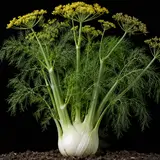
Fennel's root exudates inhibit most garden vegetables - give it its own corner.
Varieties · 6
You pick one when you add Southern Pea to your garden. Its days to maturity set your harvest window.
Crowder 2 varieties
Mississippi Silver
A dependable silver-hull crowder pea, well adapted to hot Southern gardens and resistant to fusarium wilt and root-knot nematodes.
Variety details for Mississippi Silver
Silvery-green pods holding medium light-brown peas that crowd square in the pod.
silver-hullnematode-resistantheat-tolerantResists Fusarium Wilt, Root-Knot Nematode
Pods turn silvery-green and shell easily; the light-brown peas cook up hearty. A reliable choice for nematode-prone sandy soils.
Whippoorwill
One of the oldest cowpeas grown in the United States, a speckled brown crowder heirloom carried by generations of Southern farmers and famed for toughness in heat, drought, and poor soil.
Variety details for Whippoorwill
Long pods with speckled tan-and-brown peas crowded square in the pod.
heirloomdrought-tolerantcover-cropSemi-vining and vigorous - excellent as both a hearty dried pea and a soil-building cover crop, and a direct link to the crop's long history.
Cream 1 variety
Texas Cream
A cream-type southern pea prized for its mild, delicate flavor and pale, tender peas - the choice when you want a lighter pea than a hearty crowder.
Variety details for Texas Cream
Light-colored pods with small, smooth, cream-colored peas.
bushmildResists Fusarium Wilt
Compact, productive bush plants suited to warm climates; Cream 40 and Texas Cream 8/12 are common strains.
Black-eye 2 varieties
California Blackeye
The standard black-eyed pea and the most widely grown southern pea: the familiar creamy-white pea with a dark eye, on tidy, productive bush plants with a strong disease and nematode-resistance package.
Variety details for California Blackeye
Cream-colored pods; smooth white peas each marked with a black eye.
bushnematode-resistantResists Fusarium Wilt, Root-Knot Nematode
Dependable, adaptable, and the classic pea for Hoppin' John. California Blackeye No. 5 is the common improved strain.
Queen Anne
A dependable black-eye-type southern pea valued for repeated harvests of small, round peas and good adaptability in warm climates.
Variety details for Queen Anne
Cream-colored pods with small, round, black-eyed peas.
bushheirloomA solid all-purpose fresh-shell and dry pea.
Purple Hull 1 variety
Pinkeye Purple Hull
One of the most popular southern peas for good reason: pods that turn deep purple at the green-shell stage (easy to spot and easy to shell) holding cream peas with a rosy 'pink eye.
Variety details for Pinkeye Purple Hull
Pods green ripening to purple; cream peas with a distinctive pink eye.
purple-hullpinkeyeeasy-shellheavy-yield' High-yielding, fast, and a Southern favorite for fresh eating and freezing. Pinkeye Purple Hull BVR adds virus resistance.
Grower tips
Notes from growers, tagged with the zone they grow in. A person reads every post before it appears.
Nobody has posted about Southern Pea yet. The first one usually saves someone a season.
Free account. Your post shows your grower name and zone, never your email.