
Add it to your home screen and it opens full screen: no browser bars, one tap away, and everything stays signed in. Free, nothing to download from an app store.
- Tap the Share button in your browser
- Scroll down and choose “Add to Home Screen”
- Open GrowSomeFood from your home screen
- Open your browser’s menu
- Choose “Add to Home screen” or “Install app”
- Open GrowSomeFood from your home screen

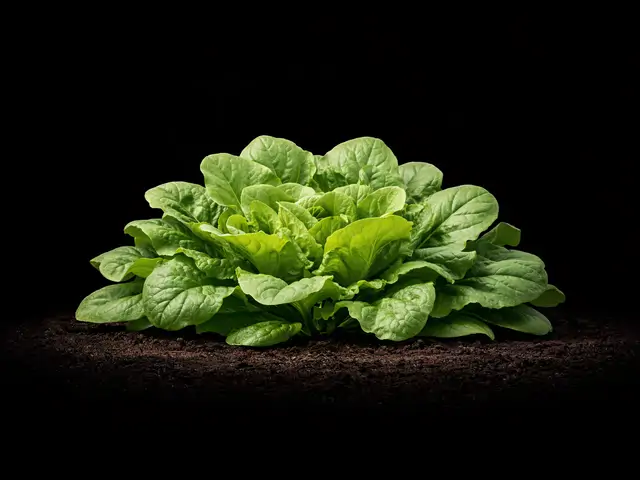
Lettuce
The fastest payoff in the garden: salad in a month, harvestable for weeks, and happiest in the cool shoulders of the season.
Safety notes Bolted plants turn bitter from sap compounds - unpleasant but harmless.
Overview
Lettuce is the crop that teaches succession planting: it sprints from seed to salad in 4-7 weeks, produces for a few weeks more, then quits - so the trick is sowing a short row every 10-14 days instead of one big bed all at once. It thrives in the cool, moist shoulders of the year and sulks in summer heat, which makes it the natural bookend crop around your tomatoes and peppers.
The one thing to knowThe four families each earn a place: looseleaf (fastest, cut-and-come-again), butterhead (tender folded hearts), romaine (crunchy, most heat-tolerant), and crisphead (the iceberg type - crispest, fussiest).
Quick facts
- Sprouts in
- 5 daysRange: 2–10 days
- Soil temperature
- 65 °FRange: 40–80 °F
- Start indoors
- 4 weeks before transplantRange: 3–5 weeks
- Height
- 9 inRange: 6–12 in
- Spread
- 10 inRange: 6–14 in
- Cold
- Takes light frostdamaged below 25°F
- Heat
- Struggles above 80°F
- Life cycle
- Annual
- Save seeds
- About 110 days after plantingRange: 90–130 days
- Self-sows
- Yes, expect volunteers
- Soil
- Consistently moist
- Water
- Medium
- Plant spacing
- 8 inRange: 4–12 in
When to plant
Nothing is open today. Spring sowing opens 5 months, Mar 13 to Apr 24.
- Direct sow Mar 13 – Apr 24 Opens in 145 daysAbout 4 weeks before to 2 weeks after your last frost (Apr 10 here)Sow as soon as soil is workable; light frosts don't bother it.
- Transplant Mar 20 – Apr 17 Opens in 152 daysAbout 3 weeks before to 7 days after your last frost (Apr 10 here)
- Direct sow Aug 16 – Sep 25 Opens in 301 daysAbout 10 weeks before to 4 weeks before your first frost (Oct 25 here)Fall lettuce is the sweetest of the year - cool nights concentrate sugars.
Frost here: last around Apr 10 (Mar 27 to Apr 24 most years), first around Oct 25. Zone averages, your own yard may run a week or two either way.
Life stages
From the first start to harvest
Follow the growing sequence. Choose a stage to see its care and signs to watch for.
Stage 1 of 5 · The growing sequence
Germination
Day 0 to 5 from sowing
Care at this stage
-
Mist daily - seeds are barely covered
Lettuce seed needs light to germinate; sow on the surface or under 1/8 inch of soil and never let it crust over.
-
Keep the seedbed under 80°F
Lettuce seed goes dormant in hot soil. In summer, germinate in shade or indoors, or prime the seed first: soak it a few hours, then hold it damp (on a wet paper towel in a bag) in the fridge for 3-5 days before sowing. Chilling dry seed in the packet does nothing - the seed has to be wet for the chill to work.
Stages can overlap; weather, variety, and growing conditions change the pace.
Harvest
- Outer leaves 4-6 inches long (leaf harvest)
- Head firm to gentle squeeze (heading types)
- Deep color and crisp snap - before any central stalk appears
- Pick outer leaves every few days
- Harvest whole heads in the cool morning
Per plant 1 head, 4 to 24 ozPicking cut and it regrows
Cook with Lettuce
Watch out for
5 to know. 1 is high-risk: Slugs & Snails. 3 are active in October.
Slugs & SnailsSeverity High PestnowSeason: Mar, Apr, May, Sep, OctIrregular ragged holes chewed out of the middle of leaves and along the edges - not the clean-edged cuts a caterpillar leaves.
The lettuce grower's primary enemy - they can erase a whole seedling planting overnight in damp weather. Copper tape around containers and beds plus nightly patrols through the seedling weeks is the reliable approach.
Irregular ragged holes chewed out of the middle of leaves and along the edges - not the clean-edged cuts a caterpillar leaves. Seedlings that vanish overnight, or that are cut off at soil level with nothing left behind. Silvery dried slime trails across leaves, soil, pots, and paving in the morning: this is the giveaway that tells you it was mollusks rather than an insect. Chewed pits in ripe fruit, especially where it rests on the ground. Damage that shows up on the lowest, dampest leaves first and gets worse after rain or evening watering. Turn over a board, an upturned pot, or a clump of dense mulch during the day and look for the animals themselves sheltering in the cool underneath.
Hand-picking works and costs nothing: go out an hour after dark with a headlamp, drop what you find into soapy water, and repeat nightly for a week or two - persistence is what wins, not any single product. Shallow beer traps sunk to soil level catch them too, but need emptying and refilling daily to be worth anything. Iron-phosphate bait is the standard control and is far lower-risk around pets and wildlife than the old metaldehyde products, but it is not harmless: many formulations include EDTA, and a dog that eats a quantity of pellets can develop iron toxicosis. Scatter it thinly per the label, never in piles, and keep dogs off a baited bed. Clear fallen foliage and debris in autumn, where the eggs are laid. In a wet climate this is a population you manage each season rather than one you eradicate - and on most established plants light grazing is cosmetic and needs nothing at all.
Take away the daytime shelter first: lift boards and upturned pots, clear piles of debris, keep dense mulch pulled back from crowns and stems, and give crowded plantings enough airflow to dry out. Water in the morning rather than the evening so the surface is dry by the time they come out. Copper tape around containers and raised beds gives them a shock they will not cross, and it is the one barrier that reliably works. Get plants past the vulnerable stage quickly - start seedlings in pots and set them out at a decent size rather than direct-sowing into a cold wet bed, since most plants stop being worth defending once the leaves toughen. Leave the ground beetles, frogs, toads, and ground-feeding birds alone, because they eat mollusks all night for free and broad-spectrum slug pellets kill them too. Where thick-leaved or resistant varieties exist for what you are growing, they take far less damage.
Slugs and snails are nocturnal mollusks that rasp ragged holes in soft leaves, shear off seedlings at ground level, and chew into ripe fruit that touches the soil. They feed at night and in the early morning and spend the day hidden under boards, pots, dense mulch, leaf litter, and low foliage, becoming active in exactly the cool, damp, shaded conditions that suit young plants. Damage is heaviest in wet spells and on tender spring growth: a single wet week can erase a row of seedlings while an established, tough-leaved plant of the same species is barely marked. They lay clusters of small pearly eggs in damp soil and under debris, so a garden with plenty of cover carries a resident population year after year rather than being invaded from outside.
AphidsSeverity Medium PestnowSeason: Apr, May, Jun, Sep, OctDense clusters of tiny insects packed onto shoot tips, flower buds, and the undersides of young leaves.
On heading types the colonies sit deep inside the head where you will not see them until you cut it open - check the crown, and soak garden lettuce before serving.
Dense clusters of tiny insects packed onto shoot tips, flower buds, and the undersides of young leaves. Curled, cupped, or distorted new growth that never opens properly. A sticky shine on the leaves - and on whatever sits under the plant - that later goes black with sooty mold. Tiny white cast skins left behind where a colony has been feeding. Ants running steadily up and down the stems, which is often the first thing you notice. Mottled, streaked, or misshapen leaves that do not grow out can mean a virus the aphids brought with them rather than the feeding itself.
Knock the colonies off with a hard jet of water and repeat every few days - on most plants that alone ends it. Pinch out or prune off the worst-infested tips rather than treating the whole plant. If colonies keep rebuilding, spray insecticidal soap or horticultural oil directly onto the insects, covering leaf undersides, and repeat weekly until they are gone; treat early or late in the day, and never spray a wilted or heat-stressed plant. Avoid broad-spectrum insecticides - they kill the ladybugs, lacewings, and parasitic wasps that were about to solve the problem for you, and aphid numbers usually come back worse afterward. Anything you spray must be labeled for the plant you are treating; follow that label and observe its pre-harvest interval. On anything you eat, wash leaves, heads, and buds well before use, since aphids hide down in crowns, folds, and tight growth.
Go easy on nitrogen: the soft, lush growth that heavy feeding produces is exactly what aphids breed on. Check new growth once a week through spring and early summer so you catch colonies while they are still small, and rub the first few out with your fingers. Leave flowering plants nearby and skip broad-spectrum sprays - ladybugs, lacewings, hoverflies, and parasitic wasps do most of this work for free, and they only stay if there is something for them to eat. Keep ants off the plant where you can, since they protect aphids from those predators. Water steadily so plants are not stressed, and check any new plant over before you bring it home or move it indoors, since aphids usually arrive on something else.
Aphids are small soft-bodied sap-suckers - green, black, gray, pink, or waxy white, and mostly wingless - that gather in dense colonies on the tenderest new growth: shoot tips, buds, and the undersides of young leaves. They breed extremely fast in mild weather, so a few can become hundreds inside a week. Their feeding curls and distorts soft growth, and the sticky honeydew they excrete coats everything below and turns black with sooty mold. Ants often farm and defend the colonies for that honeydew. A few aphids are normal on almost any plant and a healthy plant shrugs them off; only dense, persistent colonies do real damage, and some aphids also spread plant viruses as they feed.
Downy Mildew (Lettuce)Severity Medium DiseasenowSeason: Apr, May, Sep, Oct, NovYellow angular blotches bounded by leaf veins, white down on the underside in morning humidity.
Yellow angular blotches bounded by leaf veins, white down on the underside in morning humidity.
Remove affected leaves promptly; harvest ahead of a wet forecast; copper protects new growth if pressure is high.
Morning watering at the base, generous spacing, resistant varieties where falls are wet.
Cool, damp-weather disease: pale angular patches on top of leaves with white fluffy growth beneath, disfiguring and opening rot pathways.
CutwormsSeverity Medium PestSeason: Apr–JunSeedlings and transplants toppled at the soil line overnight, or shoots chewed and notched near the base, with the severed tops left lying beside the stumps.
A felled lettuce transplant is a total loss, and a single cutworm will work its way down a row night after night. Collar the transplants at planting rather than waiting to find out whether you have a problem.
Seedlings and transplants toppled at the soil line overnight, or shoots chewed and notched near the base, with the severed tops left lying beside the stumps. Dig an inch down within a few inches of the damage and you will usually find the culprit: a plump, dull gray-brown caterpillar that curls into a C when touched.
Dig around each fallen plant and destroy the caterpillar - left alone, one cutworm will fell another plant every night. Replant the gaps with collars fitted. Hand-picking after dark with a flashlight works well on a small bed, and a fast-growing crop soon outgrows the vulnerable stage.
Push a cardboard, foil or tin-can collar an inch into the soil around each seedling and transplant so the stem cannot be reached. Cultivate the bed a couple of weeks before planting to expose the larvae to birds and drying, and clear grassy weeds and debris, which is where the moths lay their eggs.
The soil-dwelling larvae of night-flying moths. They spend the day curled just under the surface and come out after dark to chew through young stems at soil level, felling seedlings and transplants outright - a toppled plant lying beside its own stump is the signature. Some species also climb to gouge and notch emerging shoots and spears. They are worst in freshly worked ground, in beds that were weedy or grassy the year before, and on the first plantings of spring.
TipburnSeverity Medium DisorderSeason: May–AugBrown, dry edges on the newest inner leaves, especially during warm spells after rain.
Brown, dry edges on the newest inner leaves, especially during warm spells after rain.
Trim affected edges (the rest is fine to eat) and smooth out the watering rhythm - new growth will be clean.
Steady, even watering and mulch; avoid the feast-famine moisture cycle; some varieties resist it markedly.
Not a disease: browning, papery leaf edges caused by a calcium-delivery hiccup during fast growth and moisture swings - lettuce's version of blossom end rot.
Good & bad neighbors
Plant nearby
-
Allium scent is credited with discouraging aphids from tender lettuce.
-
Radishes sprout fast to mark rows, break crust for lettuce seedlings, and are gone before lettuce needs the room.
-
Summer lettuce lasts weeks longer in the afternoon shade under tomato vines.
- Traditional pairings, thin evidence
-
Traditional row-mates - different root depths, no competition, staggered harvests.
-
Classic interplanting pair in beds and borders; shared moisture needs make care easy.





Keep apart
-
Fennel's root exudates inhibit most garden vegetables - give it its own corner.

Varieties · 9
You pick one when you add Lettuce to your garden. Its days to maturity set your harvest window.
Looseleaf 3 varieties
Black Seeded Simpson
The 1850s heirloom that's still the fastest salad in the catalog: frilly light-green leaves ready for first cutting in six weeks, tolerant of both cold snaps and early heat.
Variety details for Black Seeded Simpson
Frilly, crumpled light-green leaves in an open rosette.
heirloomearlyThe definitive beginner lettuce.
Salad Bowl
An AAS-winning oakleaf that defined the cut-and-come-again style: deeply lobed, tender leaves on plants that resist bolting unusually well for a looseleaf.
Variety details for Salad Bowl
Rosette of deeply lobed, oakleaf-shaped lime-green leaves.
heirloomslow-boltAlso comes in a red form.
Butterhead 1 variety
Buttercrunch
An AAS winner and the standard-bearer butterhead: small dense heads of thick, sweet, buttery leaves that hold in the garden well past the point where other butterheads bolt.
Variety details for Buttercrunch
Compact rosette with a pale, tightly folded heart.
slow-bolt
Romaine 3 varieties
Parris Island Cos
The classic full-size romaine: upright 10-12 inch heads with crisp ribs and sweet hearts, dependable across a wide range of climates and the backbone of Caesar salads since 1952.
Variety details for Parris Island Cos
Upright cylindrical heads, dark green outer leaves over creamy hearts.
heirloomJericho
Bred in the Israeli desert and it shows: the go-to romaine for hot climates and summer successions, staying sweet and crisp in heat that turns other lettuces bitter.
Variety details for Jericho
Tall bright-green romaine heads with succulent, sword-shaped leaves.
heat-tolerantslow-bolt
Batavian / summer crisp 2 varieties
Nevada
A Batavian (summer crisp) bred for heat: thick, glossy, wavy green leaves in a firm but open head that stays sweet and unbitter through warm spells that bolt butterheads.
Variety details for Nevada
Broad, glossy, wavy-edged green leaves in a firm but open head.
heat-tolerantslow-boltOne of the standard picks for summer successions and hot-zone gardens, and it can be cut leaf-by-leaf before it heads.
Muir
The other standard summer-crisp for hot weather: a dense, pale-green Batavian widely regarded as one of the slowest lettuces of any type to bolt, which makes it the safe choice for the sowing that has to sit through midsummer.
Variety details for Muir
Dense, pale bright-green heads of thick, heavily crinkled leaves.
heat-tolerantslow-bolt
Grower tips
Notes from growers, tagged with the zone they grow in. A person reads every post before it appears.
Nobody has posted about Lettuce yet. The first one usually saves someone a season.
Free account. Your post shows your grower name and zone, never your email.