
Add it to your home screen and it opens full screen: no browser bars, one tap away, and everything stays signed in. Free, nothing to download from an app store.
- Tap the Share button in your browser
- Scroll down and choose “Add to Home Screen”
- Open GrowSomeFood from your home screen
- Open your browser’s menu
- Choose “Add to Home screen” or “Install app”
- Open GrowSomeFood from your home screen

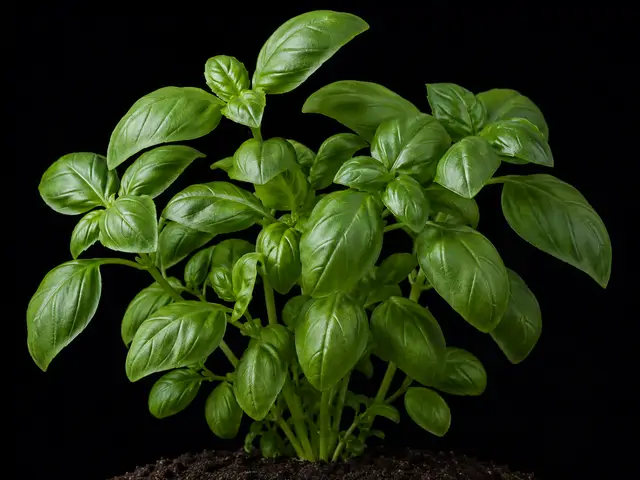
Basil
The frost-tender king of summer herbs: pinch it to bush, harvest sprigs all season, and never let it flower.
Safety notes Sweet basil leaf is safe as food, and culinary amounts are fine in pregnancy. Concentrated basil essential oil is high in estragole, genotoxic in animal studies, and is not for internal use. Holy basil / tulsi (Ocimum tenuiflorum) is a different species: tea brewed from its flowering tops is a medicinal-strength dose rather than a culinary amount, so avoid it in pregnancy or when trying to conceive, and take care if you are on diabetes or blood-thinning medication.
Overview
Basil is the summer herb that pays for the whole garden in pesto and caprese. It's a warm-season annual from tropical Asia and Africa - genuinely frost-tender and unhappy below 50°F, which is why it goes out weeks after your tomatoes and dies at the first fall frost. Give it full sun, warm soil, steady water at the roots, and one habit - relentless pinching - and a few plants will out-produce anything you'd buy.
The one thing to knowThe one rule that separates a bushy, months-long plant from a spindly one that bolts is pinch, don't pluck.
Quick facts
- Sprouts in
- 7 daysRange: 5–14 days
- Soil temperature
- 75 °FRange: 65–85 °F
- Start indoors
- 6 weeks before transplantRange: 4–8 weeks
- Height
- 20 inRange: 12–30 in
- Spread
- 12 inRange: 8–18 in
- Cold
- Killed by frostdamaged below 50°F
- Heat
- Struggles above 95°F
- Life cycle
- Annual
- Save seeds
- About 110 days after plantingRange: 90–130 days
- Soil
- Well-drained
- Water
- Medium
- Plant spacing
- 12 inRange: 8–18 in
When to plant
Nothing is open today. Spring indoor sowing opens 5 months, Mar 27 to Apr 17.
- Start indoors Mar 27 – Apr 17 Opens in 158 daysAbout 2 weeks before to 7 days after your last frost (Apr 10 here)Count back 4 to 6 weeks from your transplant date, not from last frost - basil goes out 2-6 weeks AFTER last frost, once nights hold above 50°F. Eight weeks on the windowsill is the outside limit; starting at the usual last-frost-minus-six-weeks leaves it rootbound and leggy.
- Transplant Apr 24 – May 22 Opens in 186 daysAbout 2 weeks after to 6 weeks after your last frost (Apr 10 here)Wait until nights hold above 50°F; basil set out cold sulks for weeks.
- Direct sow Apr 24 – May 25 Opens in 186 daysAbout 2 weeks after to 6 weeks after your last frost (Apr 10 here)Only worthwhile once soil is warm; direct-sown basil trails transplants by weeks.
Frost here: last around Apr 10 (Mar 27 to Apr 24 most years), first around Oct 25. Zone averages, your own yard may run a week or two either way.
Life stages
From the first start to harvest
Follow the growing sequence. Choose a stage to see its care and signs to watch for.
Stage 1 of 5 · The growing sequence
Germination
Day 0 to 8 from sowing
Care at this stage
-
Keep the surface evenly moist
Sow only 1/4 inch deep in warm mix. Mist or bottom-water so the fine seed isn't washed away.
-
Hold 70-85°F for fast germination
Basil is a heat lover; cold mix stalls or rots the seed. A heat mat speeds emergence.
Stages can overlap; weather, variety, and growing conditions change the pace.
Harvest
- Plant has at least six to eight leaves per stem and is 6-8 inches tall
- Leaves are full-sized and glossy, before any flower spike
- Stem cuts just above a leaf pair to force branching
- Cut whole sprigs above a leaf pair · every 4 days
- Pinch off every flower bud on sight
Per plant 8 to 64 ozPicking cut and it regrows
Cook with Basil
Watch out for
5 to know. 1 is high-risk: Basil Downy Mildew. None are active in October.
Basil Downy MildewSeverity High DiseaseSeason: Jun–SepYellowing between the veins on the upper leaf surface, with a gray-to-purple fuzzy growth on the underside - easy to miss until you flip a leaf over.
Sweet Genovese basil is highly susceptible; this disease is the main reason to seek out resistant cultivars.
Yellowing between the veins on the upper leaf surface, with a gray-to-purple fuzzy growth on the underside - easy to miss until you flip a leaf over.
Remove and bag affected leaves immediately; harvest heavily ahead of humid spells. There is no home cure once it's established - resistance and dry foliage are the whole defense.
Grow resistant varieties (Prospera, Obsession, Amazel); water only at the base to keep leaves dry; give wide spacing and full airflow; avoid overhead irrigation and evening watering.
The most serious modern basil disease (Peronospora belbahrii), spread by windborne spores and infected seed since it reached the US in 2007. Thrives in warm, humid, wet-leaf conditions.
Fusarium Wilt (Basil)Severity Medium DiseaseSeason: Jun–AugSudden wilting and stunting on an otherwise healthy young plant, with brown streaking inside a split lower stem and one-sided leaf drop.
The formae speciales is basil-specific, distinct from tomato fusarium - hence its own host slug.
Sudden wilting and stunting on an otherwise healthy young plant, with brown streaking inside a split lower stem and one-sided leaf drop.
None once infected - remove and trash the plant (never compost), and switch to clean seed and resistant varieties.
Plant certified disease-free seed and resistant cultivars; rotate away from basil beds for 2-3 years; don't reuse contaminated soil.
Soil- and seed-borne fungus (Fusarium oxysporum f. sp. basilici) specific to basil that plugs the water vessels. Plants grow normally until 8-12 inches tall, then suddenly stunt, wilt, and streak brown.
Slugs & SnailsSeverity Low PestSeason: Apr, May, Jun, SepIrregular ragged holes chewed out of the middle of leaves and along the edges - not the clean-edged cuts a caterpillar leaves.
Only young basil is really at risk - it outgrows slugs fast, so a couple of evening patrols usually beats reaching for bait at all.
Irregular ragged holes chewed out of the middle of leaves and along the edges - not the clean-edged cuts a caterpillar leaves. Seedlings that vanish overnight, or that are cut off at soil level with nothing left behind. Silvery dried slime trails across leaves, soil, pots, and paving in the morning: this is the giveaway that tells you it was mollusks rather than an insect. Chewed pits in ripe fruit, especially where it rests on the ground. Damage that shows up on the lowest, dampest leaves first and gets worse after rain or evening watering. Turn over a board, an upturned pot, or a clump of dense mulch during the day and look for the animals themselves sheltering in the cool underneath.
Hand-picking works and costs nothing: go out an hour after dark with a headlamp, drop what you find into soapy water, and repeat nightly for a week or two - persistence is what wins, not any single product. Shallow beer traps sunk to soil level catch them too, but need emptying and refilling daily to be worth anything. Iron-phosphate bait is the standard control and is far lower-risk around pets and wildlife than the old metaldehyde products, but it is not harmless: many formulations include EDTA, and a dog that eats a quantity of pellets can develop iron toxicosis. Scatter it thinly per the label, never in piles, and keep dogs off a baited bed. Clear fallen foliage and debris in autumn, where the eggs are laid. In a wet climate this is a population you manage each season rather than one you eradicate - and on most established plants light grazing is cosmetic and needs nothing at all.
Take away the daytime shelter first: lift boards and upturned pots, clear piles of debris, keep dense mulch pulled back from crowns and stems, and give crowded plantings enough airflow to dry out. Water in the morning rather than the evening so the surface is dry by the time they come out. Copper tape around containers and raised beds gives them a shock they will not cross, and it is the one barrier that reliably works. Get plants past the vulnerable stage quickly - start seedlings in pots and set them out at a decent size rather than direct-sowing into a cold wet bed, since most plants stop being worth defending once the leaves toughen. Leave the ground beetles, frogs, toads, and ground-feeding birds alone, because they eat mollusks all night for free and broad-spectrum slug pellets kill them too. Where thick-leaved or resistant varieties exist for what you are growing, they take far less damage.
Slugs and snails are nocturnal mollusks that rasp ragged holes in soft leaves, shear off seedlings at ground level, and chew into ripe fruit that touches the soil. They feed at night and in the early morning and spend the day hidden under boards, pots, dense mulch, leaf litter, and low foliage, becoming active in exactly the cool, damp, shaded conditions that suit young plants. Damage is heaviest in wet spells and on tender spring growth: a single wet week can erase a row of seedlings while an established, tough-leaved plant of the same species is barely marked. They lay clusters of small pearly eggs in damp soil and under debris, so a garden with plenty of cover carries a resident population year after year rather than being invaded from outside.
AphidsSeverity Low PestSeason: May–AugDense clusters of tiny insects packed onto shoot tips, flower buds, and the undersides of young leaves.
Dense clusters of tiny insects packed onto shoot tips, flower buds, and the undersides of young leaves. Curled, cupped, or distorted new growth that never opens properly. A sticky shine on the leaves - and on whatever sits under the plant - that later goes black with sooty mold. Tiny white cast skins left behind where a colony has been feeding. Ants running steadily up and down the stems, which is often the first thing you notice. Mottled, streaked, or misshapen leaves that do not grow out can mean a virus the aphids brought with them rather than the feeding itself.
Knock the colonies off with a hard jet of water and repeat every few days - on most plants that alone ends it. Pinch out or prune off the worst-infested tips rather than treating the whole plant. If colonies keep rebuilding, spray insecticidal soap or horticultural oil directly onto the insects, covering leaf undersides, and repeat weekly until they are gone; treat early or late in the day, and never spray a wilted or heat-stressed plant. Avoid broad-spectrum insecticides - they kill the ladybugs, lacewings, and parasitic wasps that were about to solve the problem for you, and aphid numbers usually come back worse afterward. Anything you spray must be labeled for the plant you are treating; follow that label and observe its pre-harvest interval. On anything you eat, wash leaves, heads, and buds well before use, since aphids hide down in crowns, folds, and tight growth.
Go easy on nitrogen: the soft, lush growth that heavy feeding produces is exactly what aphids breed on. Check new growth once a week through spring and early summer so you catch colonies while they are still small, and rub the first few out with your fingers. Leave flowering plants nearby and skip broad-spectrum sprays - ladybugs, lacewings, hoverflies, and parasitic wasps do most of this work for free, and they only stay if there is something for them to eat. Keep ants off the plant where you can, since they protect aphids from those predators. Water steadily so plants are not stressed, and check any new plant over before you bring it home or move it indoors, since aphids usually arrive on something else.
Aphids are small soft-bodied sap-suckers - green, black, gray, pink, or waxy white, and mostly wingless - that gather in dense colonies on the tenderest new growth: shoot tips, buds, and the undersides of young leaves. They breed extremely fast in mild weather, so a few can become hundreds inside a week. Their feeding curls and distorts soft growth, and the sticky honeydew they excrete coats everything below and turns black with sooty mold. Ants often farm and defend the colonies for that honeydew. A few aphids are normal on almost any plant and a healthy plant shrugs them off; only dense, persistent colonies do real damage, and some aphids also spread plant viruses as they feed.
Japanese BeetlesSeverity Low PestSeason: Jun–AugClusters of shiny metallic beetles massed together on the upper, sunniest foliage and down inside open blooms, heaviest on warm sunny afternoons from around late June.
Persistent hand-picking is the most effective control here, and the damage is usually cosmetic on an established plant. There is no sense spraying a leaf herb you are about to eat.
Clusters of shiny metallic beetles massed together on the upper, sunniest foliage and down inside open blooms, heaviest on warm sunny afternoons from around late June. Leaves reduced to lace, with the veins left intact and the tissue between them gone - unmistakable, and quite different from the ragged chewing of a caterpillar. Ragged, chewed petals and blooms that never open properly. Beetles that let go and drop straight to the ground when you disturb the plant. Feeding damage on ripening fruit, on the plants they also take fruit from. Whole branches going brown and lacy at the top of a plant while the shaded lower growth stays untouched.
Persistent morning hand-picking into soapy water is the most effective home control there is, and on a vigorous established plant the damage is usually cosmetic and needs nothing else. Neem deters feeding rather than killing, and has to be reapplied. For heavy pressure, spinosad or a targeted insecticide labeled for the plant will work - but time any spray away from bloom and apply it at dusk to protect bees, and observe the pre-harvest interval on anything you eat. On flowering plants, some gardeners simply shear the blooms off for a couple of weeks and let the plant rebloom once the wave has passed, which removes the lure as well as the damage. Young plants and young trees are the ones worth defending: a mature tree or an established vine tolerates several weeks of leaf loss without lasting harm.
Hand-picking is genuinely the main defense in a home garden. Go out in the cool of the morning while the beetles are sluggish, hold a tub of soapy water underneath, and knock them in - they drop when disturbed, so most fall straight into it. Do it daily through the flight: because the beetles call each other in, taking them off early stops a plant becoming a beacon. Do not put pheromone or lure traps anywhere near the garden - they demonstrably pull in far more beetles than they catch. And do not count on lawn grub control: milky spore has performed poorly and inconsistently in field trials across most of the US, and treating your own turf does not reduce the adults feeding on your plants, because they fly in from surrounding properties. Where it is practical, row cover or netting through the peak flight excludes them outright. Otherwise riding out the six-to-eight-week wave is a legitimate strategy, since most established plants absorb the damage.
Japanese beetles are metallic green-and-copper beetles about half an inch long that emerge in early summer and feed for six to eight weeks. They feed in aggregating masses - one beetle's feeding releases a scent that draws in more - so a plant goes from untouched to covered in a couple of days. They chew the soft tissue between the leaf veins and leave the veins standing, so the leaf ends up as a brown lace skeleton, and they shred open flowers and sometimes ripening fruit as well. They work the sunniest upper parts of a plant on warm afternoons. The white C-shaped grubs spend the rest of the year in turf and pasture soil eating grass roots, and the adults then fly in from wherever they hatched, which can be some distance away.
Good & bad neighbors
Plant nearby
-
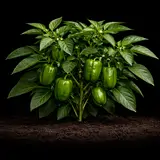
The classic pairing - shared warm-season needs, and some evidence basil's scent confuses egg-laying moths. The kitchen logic is airtight.
- Traditional pairings, thin evidence
-
Basil's later, taller growth gives spring lettuce useful afternoon shade as heat builds.
-
General pest-deterrent interplanting; marigolds also draw pollinators to the bed.
-
Shares sun and care; a traditional pairing said to help deter pests, on thin evidence.
-
Same warm-season culture and spacing; grown side by side without conflict.

Keep apart
- Traditional pairings, thin evidence
-
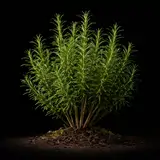
Not a toxicity issue but a water mismatch: rosemary wants dry, lean soil while basil wants steady moisture - keep them in separate beds.
-
RueA traditional bad pairing; rue is said to stunt basil nearby, though evidence is anecdotal.
Varieties · 5
You pick one when you add Basil to your garden. Its days to maturity set your harvest window.
Sweet (Genovese) 3 varieties
Genovese
The classic Italian pesto basil: large, cupped, dark green leaves with a sweet, clove-and-anise aroma.
Variety details for Genovese
Large, glossy, slightly cupped dark green leaves on an upright plant.
sweet basillarge-leafpestoThe benchmark sweet basil and the one most gardeners mean by 'basil.' Space 12-18 inches; pinch relentlessly.
Lettuce Leaf
Enormous, crinkled, ruffled leaves up to several inches across with a mild sweet flavor - big enough to use as a wrap or line a sandwich.
Variety details for Lettuce Leaf
Very large, puckered, bright green leaves resembling lettuce.
sweet basillarge-leafwrapLower oil than Genovese but unbeatable for coverage.
Thai 1 variety
Thai (Sweet Thai)
Purple stems, narrow green leaves, and a bold licorice-anise flavor that holds up to the heat of stir-fries, curries, and pho.
Variety details for Thai (Sweet Thai)
Narrow green leaves on purple stems with purple flower spikes.
thai basilaniseheat-tolerantMore heat- and bolt-tolerant than sweet basil, and the flower spikes are ornamental.
Bush (Greek) 1 variety
Spicy Globe
A tidy, dense little dome of tiny leaves with a strong, peppery flavor - ideal for containers, edging, and windowsills where a full Genovese would sprawl.
Variety details for Spicy Globe
Compact 8-10 inch globe of small, aromatic leaves.
dwarfcontainerornamentalNeeds no pinching to stay bushy.
Grower tips
Notes from growers, tagged with the zone they grow in. A person reads every post before it appears.
Nobody has posted about Basil yet. The first one usually saves someone a season.
Free account. Your post shows your grower name and zone, never your email.