
Add it to your home screen and it opens full screen: no browser bars, one tap away, and everything stays signed in. Free, nothing to download from an app store.
- Tap the Share button in your browser
- Scroll down and choose “Add to Home Screen”
- Open GrowSomeFood from your home screen
- Open your browser’s menu
- Choose “Add to Home screen” or “Install app”
- Open GrowSomeFood from your home screen
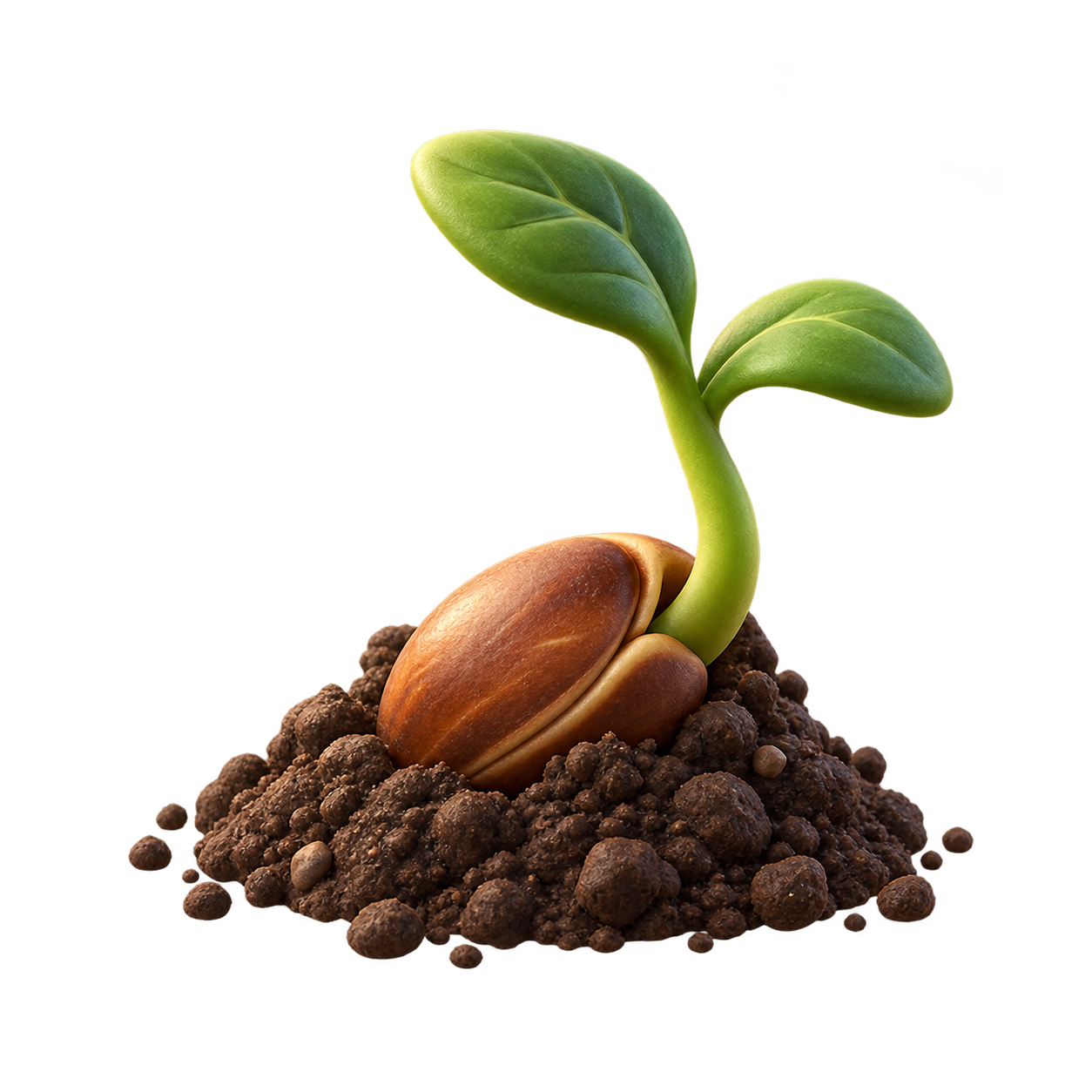
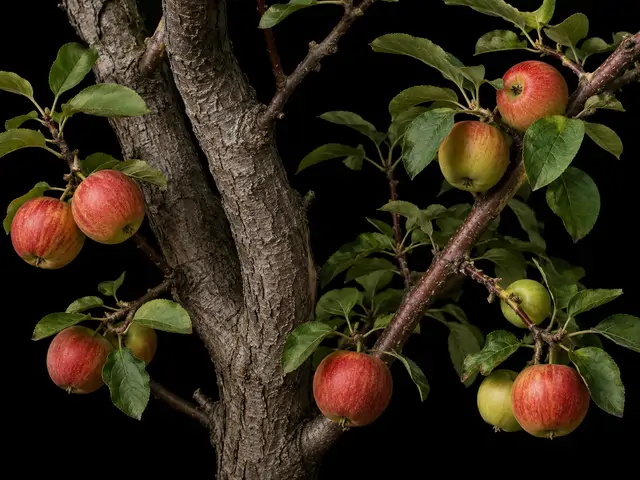
Apple
The backyard orchard classic: a long-lived pome tree that trades a few years of patience for decades of fall fruit - if you match the variety's chill needs to your winters and give it a pollen partner.
Safety notes The flesh and skin are the food. Seeds contain amygdalin (a cyanogenic compound) - harmless if you accidentally swallow a few, but don't crush and eat them in quantity.
Overview
An apple tree is a multi-decade relationship. Plant a two-year-old grafted tree and you'll wait two to five years for the first real crop, but a mature tree then feeds a family - and the neighbors - every autumn for a human lifetime. Almost every apple you'll grow is a grafted tree: a chosen variety on a rootstock that controls its size, because apple seeds never come true to the parent.
The one thing to knowMatch the variety to your winters by chill hours, and plant a second variety nearby for pollen.
Quick facts
- Winter chill
- 800 hours below 45°FRange: 100–1000 hours
- Height
- 18 ftRange: 8–30 ft
- Spread
- 15 ftRange: 8–25 ft
- Cold
- Takes hard frostdamaged below -35°F
- Heat
- Struggles above 95°F
- Life cycle
- Perennial, lives about 50 years
- Soil
- Well-drained
- Water
- Medium
- Plant spacing
- 15 ftRange: 8–25 ft
When to plant
Nothing is open today. Fall transplanting opens in 13 days, Nov 1 to Dec 15.
- Transplant Nov 1 – Dec 15 Opens in 13 daysFall bare-root planting lets roots establish over a mild winter before spring growth.
- Transplant Jan 15 – Mar 15 Opens in 88 daysLate winter, while dormant, is ideal. Fall planting also works in these mild zones.
Frost here: last around Apr 10 (Mar 27 to Apr 24 most years), first around Oct 25. Zone averages, your own yard may run a week or two either way.
Life stages
Establish, grow, repeat
Getting established and returning each season are different parts of the story.
Stage 1 of 5 · Getting established
First-year establishment
The first year after planting
Care at this stage
-
Water deeply every 7-10 days the first season
A newly planted tree has no root reach yet - soak the root zone, don't sprinkle. Consistent moisture the first summer is the single biggest factor in survival.
-
Mulch a 3-foot ring, kept off the trunk
Wood chips or straw 2-3 inches deep conserve moisture and stop grass from stealing water. Leave a few inches bare around the trunk to prevent rot and voles.
-
Guard the trunk from voles, deer, and sunscald
A white spiral tree guard or hardware-cloth cylinder stops rodent girdling in winter and buck rub. Remove or loosen guards as the trunk thickens.
-
Make only formative cuts the first winter
Set the scaffold branches and remove anything broken or crossing. Heavy pruning now just delays fruiting - go light.
Months are typical seasonal windows; climate, variety, and plant age can shift them.
Harvest
- Ground color under the blush shifts from grass-green to yellow or cream
- Fruit releases with an upward twist, stem staying on
- Seeds inside a test apple have turned brown
- Flavor is full and sweet-tart, not starchy
- Pick with an upward twist when ripe · every 4 days
- Pick storage varieties slightly firm
Per plant 50 to 800 apples, 20 to 400 lbPicking pick as they ripen
Cook with apples
Watch out for
6 to know. 3 are high-risk: Apple Scab, Fire Blight, Codling Moth. 1 is active in October.
Apple ScabSeverity High DiseaseSeason: Mar–JunOlive-brown fuzzy blotches on new leaves, matching corky spots and cracks on the fruit, and early yellowing and leaf fall.
Worst in cool, wet springs and in humid eastern climates; drier regions see far less.
Olive-brown fuzzy blotches on new leaves, matching corky spots and cracks on the fruit, and early yellowing and leaf fall.
On susceptible trees, protective fungicide sprays from bud break through the wet spring period; there's no cure once fruit is scabbed, so prevention is the whole game.
Rake and destroy fallen leaves in autumn (the spores overwinter there), prune for airflow, and above all plant scab-resistant varieties like Liberty or Enterprise where springs are wet.
The most common apple disease: a fungus that produces olive-green to brown velvety spots on leaves and fruit, causing corky scabs, leaf drop, and cracked, cosmetically ruined apples in wet springs.
Fire BlightSeverity High DiseaseSeason: Apr–JulSudden wilting and blackening of blossoms and shoot tips that look burned rather than diseased, shoots bent over into a hook, dark sunken cankers on limbs, and amber bacterial ooze on the bark in warm humid weather.
Explodes in warm, humid springs, and the shepherd's-crook shoot tip is the unmistakable sign. Apple is susceptible but less so than pear or quince, and resistant varieties are widely available - worth choosing where blight is common in your area.
Sudden wilting and blackening of blossoms and shoot tips that look burned rather than diseased, shoots bent over into a hook, dark sunken cankers on limbs, and amber bacterial ooze on the bark in warm humid weather.
Cut strikes out at least 8 to 12 inches below the visible damage, sterilizing the saw or pruners between every single cut, and remove and destroy the prunings rather than leaving them lying. Cut cankers out in dry dormant weather. Copper or biological sprays at bloom help in high-pressure areas - use only a product labeled for the crop you are treating, follow the label exactly, and observe the pre-harvest interval before you pick.
Where a resistant option exists for your crop, variety choice matters more than any spray - check before you buy. Avoid heavy nitrogen and hard pruning, both of which force the soft succulent growth the bacteria enter through, and never prune or work the plant in wet weather. Keep susceptible hosts spaced apart rather than planted hard against each other, and do not prune two of them in the same wet spell.
A fast, destructive bacterial disease (Erwinia amylovora) of the rose family. It enters through open blossoms and soft shoot tips in warm, humid weather, then runs back down the shoot, blackening leaves and wood as though scorched and bending the tip into a telltale 'shepherd's crook'. From there it moves into limbs as dark sunken cankers, and it can kill a young tree in a single season. Apple, pear, quince, loquat, hawthorn, serviceberry and toyon are all hosts, and susceptibility varies enormously between species and between varieties.
Codling MothSeverity High PestSeason: May–AugSmall entry holes ringed with brown frass, early fruit or nut drop, and a tunnel running to the seed cavity or kernel when you cut or crack a damaged one open.
Usually two to three generations a season - the first, at petal fall, is the one to stop. Bt does not control codling moth on apple: the newly hatched larva bores straight into the fruit and never eats enough surface tissue to take in a dose. Time spinosad to egg hatch, or use codling moth granulosis virus (CpGV), and lean hardest on sanitation and fruit-bagging.
Small entry holes ringed with brown frass, early fruit or nut drop, and a tunnel running to the seed cavity or kernel when you cut or crack a damaged one open.
Spinosad timed to egg hatch (the traps tell you when), or codling moth granulosis virus (CpGV) as a targeted biological. Bt does not work on codling moth - the newly hatched larva bores straight into the fruit within hours and never eats enough surface tissue to take in a dose. Use only a product labeled for the crop you are treating, follow the label exactly, and observe the pre-harvest interval before you pick. Sanitation and fruit-bagging matter more than any single spray.
Hang pheromone traps to time any spray; gather and destroy dropped fruit and nuts promptly to break the cycle; bag individual fruits or apply kaolin clay for spray-free control.
The classic 'worm in the fruit': larvae of a small gray moth tunnel in from the skin and feed at the core or kernel, packing the entry hole with sawdust-like frass and ruining the crop for keeping. The same moth works apples, pears and walnuts.
Deer (browse resistance)Severity Medium WildlifenowSeason: year-roundGrowth cleanly missing overnight, with the plant browsed back to a level line about as high as a deer can comfortably reach.
Young trees are far more vulnerable than mature ones - the first few years are the risk window, for antler rubbing as much as for browsing.
Growth cleanly missing overnight, with the plant browsed back to a level line about as high as a deer can comfortably reach. Ragged, torn stem ends rather than the clean angled cut a rabbit leaves - the single most reliable identifier. Buds and flowers gone while the foliage below is untouched, since deer often take the best part first. Hoof prints and droppings in soft ground near the damage. Repeat visits, with fresh damage each morning once a planting has been found. On young trees, shredded and stripped bark and broken low branches in autumn - that is antler rubbing rather than feeding.
There is no chemical fix, only exclusion and recovery. Get physical protection up immediately after the first damage, because deer return to a known meal, and reinforce or rotate whatever you were relying on before. Most plants regrow from browsing if the crown and roots are intact - feed and water a grazed plant and protect the regrowth while it comes back. What does not recover in the same season is anything whose buds or flowers have been taken, and a young tree whose bark has been rubbed right around the trunk is usually lost. Where deer pressure is genuinely heavy, the honest answer is to fence properly or to grow the plants deer leave alone, rather than to keep replacing losses.
Fencing is the only thing that reliably works. Eight feet is the standard for excluding deer, or two parallel four-foot fences a few feet apart, which they will not jump because they cannot judge the landing. Short of that, cage individual plants: a sturdy wire cage or trunk guard around every young tree, left on until the trunk is thick and the canopy is above browse height, prevents both browsing and antler rubbing and is the single highest-value thing you can do for a young tree. Repellent sprays do help at moderate pressure, but they wash off and deer habituate, so reapply after rain and rotate between different types through the season. Motion-activated sprinklers, scent deterrents, and noise devices work for a while and then stop. Siting matters too: plants close to the house, in daily traffic, and screened behind other planting get browsed less than the same plant out at the boundary.
Deer are the largest garden problem across much of the country, and where pressure is high they set the limit on what you can grow at all. They browse at night and around dawn and dusk, taking tender shoots, leaves, buds, flowers, and fruit within about five feet of the ground, and they come back night after night to anything they have found and liked. Because they have no upper incisors they tear rather than cut, leaving ragged stem ends - that is how you tell deer damage from a rabbit's clean angled cut. In fall, bucks rub their antlers on young trunks and can strip the bark right around a stem, which kills a young tree outright. Palatability varies enormously between plants and between seasons: a herd short of food in late winter eats things it ignores in June, and no plant is truly deer-proof.
Japanese BeetlesSeverity Medium PestSeason: Jun–AugClusters of shiny metallic beetles massed together on the upper, sunniest foliage and down inside open blooms, heaviest on warm sunny afternoons from around late June.
A few weeks of feeding rarely hurts an established tree; young trees may need protection.
Clusters of shiny metallic beetles massed together on the upper, sunniest foliage and down inside open blooms, heaviest on warm sunny afternoons from around late June. Leaves reduced to lace, with the veins left intact and the tissue between them gone - unmistakable, and quite different from the ragged chewing of a caterpillar. Ragged, chewed petals and blooms that never open properly. Beetles that let go and drop straight to the ground when you disturb the plant. Feeding damage on ripening fruit, on the plants they also take fruit from. Whole branches going brown and lacy at the top of a plant while the shaded lower growth stays untouched.
Persistent morning hand-picking into soapy water is the most effective home control there is, and on a vigorous established plant the damage is usually cosmetic and needs nothing else. Neem deters feeding rather than killing, and has to be reapplied. For heavy pressure, spinosad or a targeted insecticide labeled for the plant will work - but time any spray away from bloom and apply it at dusk to protect bees, and observe the pre-harvest interval on anything you eat. On flowering plants, some gardeners simply shear the blooms off for a couple of weeks and let the plant rebloom once the wave has passed, which removes the lure as well as the damage. Young plants and young trees are the ones worth defending: a mature tree or an established vine tolerates several weeks of leaf loss without lasting harm.
Hand-picking is genuinely the main defense in a home garden. Go out in the cool of the morning while the beetles are sluggish, hold a tub of soapy water underneath, and knock them in - they drop when disturbed, so most fall straight into it. Do it daily through the flight: because the beetles call each other in, taking them off early stops a plant becoming a beacon. Do not put pheromone or lure traps anywhere near the garden - they demonstrably pull in far more beetles than they catch. And do not count on lawn grub control: milky spore has performed poorly and inconsistently in field trials across most of the US, and treating your own turf does not reduce the adults feeding on your plants, because they fly in from surrounding properties. Where it is practical, row cover or netting through the peak flight excludes them outright. Otherwise riding out the six-to-eight-week wave is a legitimate strategy, since most established plants absorb the damage.
Japanese beetles are metallic green-and-copper beetles about half an inch long that emerge in early summer and feed for six to eight weeks. They feed in aggregating masses - one beetle's feeding releases a scent that draws in more - so a plant goes from untouched to covered in a couple of days. They chew the soft tissue between the leaf veins and leave the veins standing, so the leaf ends up as a brown lace skeleton, and they shred open flowers and sometimes ripening fruit as well. They work the sunniest upper parts of a plant on warm afternoons. The white C-shaped grubs spend the rest of the year in turf and pasture soil eating grass roots, and the adults then fly in from wherever they hatched, which can be some distance away.
AphidsSeverity Low PestSeason: Apr–JunDense clusters of tiny insects packed onto shoot tips, flower buds, and the undersides of young leaves.
Woolly apple aphid is the distinctive one here: white cottony masses on bark, pruning wounds and roots rather than open colonies on leaves. Mostly a young-tree and nursery-stock concern; mature trees shrug it off.
Dense clusters of tiny insects packed onto shoot tips, flower buds, and the undersides of young leaves. Curled, cupped, or distorted new growth that never opens properly. A sticky shine on the leaves - and on whatever sits under the plant - that later goes black with sooty mold. Tiny white cast skins left behind where a colony has been feeding. Ants running steadily up and down the stems, which is often the first thing you notice. Mottled, streaked, or misshapen leaves that do not grow out can mean a virus the aphids brought with them rather than the feeding itself.
Knock the colonies off with a hard jet of water and repeat every few days - on most plants that alone ends it. Pinch out or prune off the worst-infested tips rather than treating the whole plant. If colonies keep rebuilding, spray insecticidal soap or horticultural oil directly onto the insects, covering leaf undersides, and repeat weekly until they are gone; treat early or late in the day, and never spray a wilted or heat-stressed plant. Avoid broad-spectrum insecticides - they kill the ladybugs, lacewings, and parasitic wasps that were about to solve the problem for you, and aphid numbers usually come back worse afterward. Anything you spray must be labeled for the plant you are treating; follow that label and observe its pre-harvest interval. On anything you eat, wash leaves, heads, and buds well before use, since aphids hide down in crowns, folds, and tight growth.
Go easy on nitrogen: the soft, lush growth that heavy feeding produces is exactly what aphids breed on. Check new growth once a week through spring and early summer so you catch colonies while they are still small, and rub the first few out with your fingers. Leave flowering plants nearby and skip broad-spectrum sprays - ladybugs, lacewings, hoverflies, and parasitic wasps do most of this work for free, and they only stay if there is something for them to eat. Keep ants off the plant where you can, since they protect aphids from those predators. Water steadily so plants are not stressed, and check any new plant over before you bring it home or move it indoors, since aphids usually arrive on something else.
Aphids are small soft-bodied sap-suckers - green, black, gray, pink, or waxy white, and mostly wingless - that gather in dense colonies on the tenderest new growth: shoot tips, buds, and the undersides of young leaves. They breed extremely fast in mild weather, so a few can become hundreds inside a week. Their feeding curls and distorts soft growth, and the sticky honeydew they excrete coats everything below and turns black with sooty mold. Ants often farm and defend the colonies for that honeydew. A few aphids are normal on almost any plant and a healthy plant shrugs them off; only dense, persistent colonies do real damage, and some aphids also spread plant viruses as they feed.
Good & bad neighbors
First rule: keep Grass (turf under the tree) apart. Turfgrass growing to the trunk competes strongly for water and nitrogen and stunts young trees - keep a mulched, grass-free ring.
Plant nearby
-
A living clover understory fixes nitrogen, feeds pollinators, and beats grass, which competes hard with apple roots for water.
-
A ring of daffodils around the trunk deters voles and rabbits from gnawing the bark, and their early bloom feeds pollinators.
- Traditional pairings, thin evidence
-
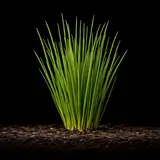
Underplanted alliums are traditionally credited with discouraging aphids and apple scab; evidence is anecdotal but they share the space harmlessly.
-
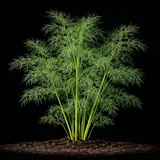
Umbel flowers attract the parasitic wasps and hoverflies that prey on codling moth and aphids.
-
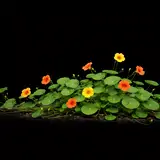
Grown as a trap crop and to draw aphids and beneficial insects away from the tree.
Keep apart
-
Grass (turf under the tree)Turfgrass growing to the trunk competes strongly for water and nitrogen and stunts young trees - keep a mulched, grass-free ring.
-
WalnutBlack walnut roots release juglone, which can stunt or kill apple trees; keep well outside the walnut's root zone.
Varieties · 7
You pick one when you add Apple to your garden. Its days to maturity set your harvest window.
Summer apples 3 varieties
State Fair
An early-ripening University of Minnesota apple bred for northern climates - good for both fresh eating and cooking, and one of the first to ripen in late summer.
Variety details for State Fair
Medium fruit with red-and-yellow striped skin and crisp texture.
dessertcookingcold-hardyearly-seasonResists Scab (moderate)
Doesn't store long, so eat, sauce, or bake it soon after picking.
Anna
The go-to apple for warm climates: needs only about 200 chill hours, so it fruits reliably in Florida, southern California, and the Gulf where standard apples fail.
Variety details for Anna
Greenish-yellow fruit with a red blush, elongated shape.
dessertlow-chillearly-seasonself-fruitful-partialCrisp, mildly sweet-tart Granny-Smith-shaped fruit as early as June. Partially self-fruitful but crops far better with low-chill Dorsett Golden or Ein Shemer nearby.
Dorsett Golden
A very-low-chill golden apple (roughly 100 chill hours) discovered in the Bahamas - sweet, firm, and the classic pollen partner for Anna.
Variety details for Dorsett Golden
Yellow fruit with a light pink blush, resembling Golden Delicious.
dessertlow-chillearly-seasonself-fruitful-partialTogether they make apples possible in nearly frost-free gardens.
Fall apples 2 varieties
Honeycrisp
The blockbuster eating apple: explosively crisp and juicy with a balanced sweet-tart flavor, developed by the University of Minnesota and released in 1991.
Variety details for Honeycrisp
Large, mottled red-over-yellow fruit with coarse, pale cream flesh.
dessertcold-hardyhigh-chilllate-seasonResists Scab (moderate)
Excellent cold hardiness and stores for months, but it's a fussy tree - prone to bitter pit and biennial bearing, so thin diligently. High chill requirement means it needs a real winter.
Liberty
The premier low-spray apple: bred at Cornell for immunity to scab and strong resistance to fire blight, rust, and mildew, so it grows cleanly with little or no fungicide.
Variety details for Liberty
Medium, dark red fruit with crisp, juicy, off-white flesh.
dessertdisease-resistantmid-seasonResists Apple scab, Fire blight, Cedar-apple rust, Powdery mildew
Crisp, sprightly McIntosh-style flavor. The best choice for organic and humid-climate growers.
Winter keepers 2 varieties
Haralson
A tough, tart Minnesota heirloom (1922) built for brutal winters, with good resistance to both fire blight and scab.
Variety details for Haralson
Medium red fruit often streaked with green, firm crisp flesh.
cookingcold-hardyhigh-chilllong-storingResists Fire blight, Apple scab
Firm, tangy flesh holds its shape in pies and makes excellent cider; stores well into winter. The dependable choice for the coldest apple country.
Fuji
A very sweet, dense, ultra-crisp Japanese apple that stores exceptionally well - among the best keepers.
Variety details for Fuji
Large, rosy-pink over yellow-green, with dense pale flesh.
dessertlong-storinglate-seasonRipens very late and comes in both standard and low-chill strains, so check the chill rating for your zone. Needs a pollinizer.
Grower tips
Notes from growers, tagged with the zone they grow in. A person reads every post before it appears.
Nobody has posted about Apple yet. The first one usually saves someone a season.
Free account. Your post shows your grower name and zone, never your email.