
Add it to your home screen and it opens full screen: no browser bars, one tap away, and everything stays signed in. Free, nothing to download from an app store.
- Tap the Share button in your browser
- Scroll down and choose “Add to Home Screen”
- Open GrowSomeFood from your home screen
- Open your browser’s menu
- Choose “Add to Home screen” or “Install app”
- Open GrowSomeFood from your home screen
Wintergreen
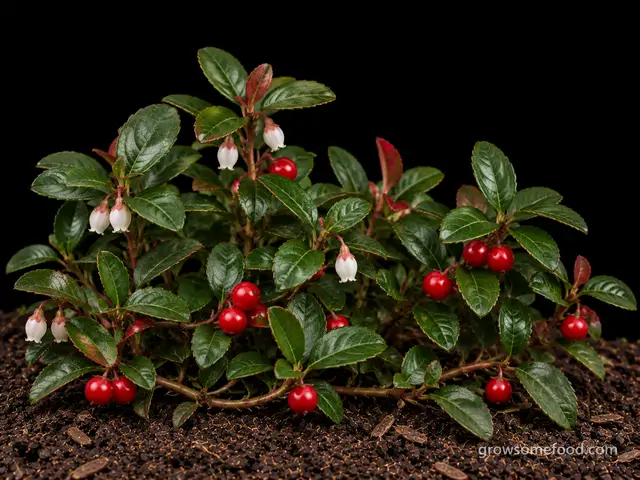
A low native evergreen groundcover of acidic eastern woodlands with glossy leaves, summer bells, and bright red berries that hang on all winter - the source of the classic minty 'wintergreen'/teaberry flavor, edible as a trail nibble and a tea.
Safety notes Identify before eating: crush a leaf - true wintergreen smells strongly of wintergreen; other red-berried plants of the same woods (red baneberry, which is TOXIC; Canada mayflower; partridgeberry) do not. The berries and young leaves are edible, with the classic minty teaberry flavor. That flavor is methyl salicylate, an aspirin relative - enjoy them in normal culinary amounts, but never the concentrated essential oil, which is toxic. Go easy if aspirin-allergic, pregnant, or on blood thinners.
Overview
Wintergreen (Gaultheria procumbens), also called eastern teaberry or checkerberry, is a charming little native evergreen groundcover of acidic eastern woodlands, from the Appalachians and Northeast through the Great Lakes. It creeps along the forest floor just 3-6 inches tall, forming a low mat of glossy, leathery leaves that flush bronze-red in winter, dotted in summer with tiny white bell flowers and, from fall right through winter, with bright red berries.
Quick facts
- Sprouts in
- 60 daysRange: 30–120 days
- Soil temperature
- 65 °FRange: 55–70 °F
- Height
- 5 inRange: 3–8 in
- Spread
- 12 inRange: 8–18 in
- Cold
- Takes hard frostdamaged below -40°F
- Heat
- Struggles above 85°F
- Life cycle
- Perennial, lives about 15 years
- Save seeds
- About 120 days after plantingRange: 90–150 days
- Self-sows
- Yes, expect volunteers
- Soil
- Well-drained
- Water
- Medium
- Plant spacing
- 12 inRange: 8–15 in
When to plant
Fall sowing is open for 12 more days. Next: spring, Mar 27 to May 22.
- Direct sow Oct 4 – Nov 1 Open now · 12 days leftAbout 3 weeks before to 7 days after your first frost (Oct 25 here)Fall-sow the tiny seed on the surface of moist acidic mix; it needs cold stratification and light, and is slow and fussy. Division of the rhizome is far easier and the usual method.
- Transplant Mar 27 – May 22 Opens in 158 daysAbout 2 weeks before to 6 weeks after your last frost (Apr 10 here)Set out transplants or rhizome divisions in spring into acidic, humusy, well-drained shade with a leaf-litter mulch; they establish slowly the first year, then spread into an evergreen mat.
- Transplant Aug 30 – Oct 4 Opens in 314 daysAbout 8 weeks before to 3 weeks before your first frost (Oct 25 here)Early-fall planting or division also works in milder zones, letting the rhizomes root before winter; keep the acidic mulch and steady moisture.
Frost here: last around Apr 10 (Mar 27 to Apr 24 most years), first around Oct 25. Zone averages, your own yard may run a week or two either way.
Life stages
Establish, grow, repeat
Getting established and returning each season are different parts of the story.
Stage 1 of 4 · Getting established
Settling in (slow)
Day 0 to 240 after transplanting
Care at this stage
-
Plant in acidic, humusy soil with a leaf-litter mulch
Wintergreen wants cool, acidic (pH ~4.5-6), humusy, well-drained woodland soil in part to full shade, like a blueberry. Mulch with pine needles or shredded oak leaves to keep the soil acidic, cool, and moist. It establishes slowly the first year, then knits into a low evergreen mat by rhizome.
-
Keep evenly moist while establishing
Water a new planting to keep the soil consistently (not soggy) moist through the first season as the shallow rhizomes root in. It dislikes both drying out and standing water.
Months are typical seasonal windows; climate, variety, and plant age can shift them.
Harvest
- Bright red berries, ripe in fall and hanging on all winter into spring (often best after cold)
- Glossy young leaves any time, for a minty wintergreen tea
- Pick the red berries fall through spring · every 2 weeks
- Snip young leaves for wintergreen tea
Per plant 1 to 12 ozPicking pick as they ripen
Cook with Wintergreen
Watch out for
3 to know. None are high-risk for Wintergreen. None are active in October.
Chlorosis (Non-Acidic Soil)Severity Medium DisorderSeason: Apr–SepPale yellow leaves with green veins (interveinal chlorosis), especially on new growth, plus weak growth, sparse flowering, and muted fall color on neutral or alkaline soils.
Pale yellow leaves with green veins (interveinal chlorosis), especially on new growth, plus weak growth, sparse flowering, and muted fall color on neutral or alkaline soils.
Acidify the soil with elemental sulfur and an acid-forming (heath/blueberry-type) regimen, apply chelated iron as a stopgap, and mulch acidically; the durable fix is siting it in genuinely acidic ground.
Plant sourwood only in acidic, well-drained, humus-rich soil; use an acidic mulch (pine straw, shredded leaves), avoid liming near it, and test soil pH before planting.
Sourwood is a heath-family tree that needs acidic soil; on neutral or alkaline ground it can't take up iron and other nutrients properly, causing yellowing leaves (with green veins), poor growth, weak flowering, and dull fall color - the most common reason a planted sourwood fails to thrive.
Leaf Scorch (sun & drought)Severity Medium DisorderSeason: Jun–AugBrowning that starts at the leaf edges and tips and spreads inward, with a fairly sharp line between the crisp brown tissue and the green that is still healthy.
A plant of the cool, shaded, moist forest floor, so it browns and declines in too much sun or dry soil - worst in hot regions and open sites. Part-to-full shade, consistently moist acidic soil, and a pine-needle or leaf-litter mulch to keep the roots cool.
Browning that starts at the leaf edges and tips and spreads inward, with a fairly sharp line between the crisp brown tissue and the green that is still healthy. Leaves and fronds going dry, papery, and crisp rather than soft, yellow, or spotted - that is what separates this from a fungal problem. Damage worst on the side of the plant facing the sun or the prevailing wind and on the most exposed upper leaves, while the shaded interior stays fine. Symptoms appearing sharply after a heat wave, a dry spell, or a bright windy week in winter. Whole leaves or fronds shed early as the plant cuts its losses.
Water deeply, mulch, and improve the shade - that is the whole treatment, because there is nothing here to kill. Leaves that are already scorched will not recover, so trim off badly browned foliage or fronds for appearance if you want to; the crown and roots are usually unharmed and push out fresh growth once conditions improve. On a plant that scorches badly every year the answer is to move it rather than to keep watering harder, because the siting is what is wrong. Some plants respond well to being cut back hard, which brings a clean flush of new foliage. And on plants that naturally die back or brown off late in the season, scorching at the end of a dry summer is normal and needs nothing at all.
Site the plant where it actually wants to be. This is a placement problem far more often than a watering problem, and a shade plant in hot afternoon sun will scorch every summer however much you water it. Give shade and woodland plants part-to-full shade and shelter from hot afternoon sun and drying wind. Keep the root zone consistently moist and mulch it well with leaf litter or another organic mulch, which holds water and keeps the roots cool - the single most useful routine step. Water deeply and thoroughly during dry spells rather than little and often, so moisture reaches the whole root zone. Pay particular attention through the first year after planting, when the root system is small and cannot keep up with the leaves. On evergreens in cold regions, make sure the plant goes into winter well watered, and keep it out of bright, windy, exposed positions.
Leaf scorch is not a disease and there is nothing to spray for it. It is what happens when a leaf loses water faster than the roots can replace it: the tissue farthest from the veins - the margins and the tips - dries out first and turns brown and papery, and the browning works inward while the rest of the leaf stays green. Hot sun, dry soil, drying wind, heat reflected off paving or a wall, a small or damaged root system, and a plant sited somewhere sunnier or drier than it wants are the usual causes, singly or together. It also happens in winter on evergreens, when bright sun and wind pull water out of the leaves while the ground is frozen and the roots cannot resupply. Shade and woodland plants, shallow-rooted plants, and anything recently planted scorch most easily.
Root RotSeverity Low DiseaseSeason: Apr, May, Nov, DecWilting in the middle of the day on a plant whose soil is damp - the classic tell, and the reason people water a rotting plant and finish it off.
Plant in moist but well-drained acidic, humusy soil; avoid waterlogged sites and heavy clay, and use raised, amended beds where drainage is poor. Healthy rhizome divisions will restart a patch.
Wilting in the middle of the day on a plant whose soil is damp - the classic tell, and the reason people water a rotting plant and finish it off. Leaves yellowing from the bottom up, dull off-color foliage, and growth that stalls for no visible reason. Whole shoots, or one side of the plant, collapsing while the rest still looks fine. Soft, dark, or mushy tissue at the base of the stem or at the crown, sometimes with a sour smell. Lift a failing plant and look at the roots: healthy ones are firm and pale, rotted ones are brown or black and slimy, and the outer layer slips off between your fingers leaving a thread of core behind. Seedlings that topple over at soil level are the same problem, called damping-off.
There is no cure for tissue that has already rotted, so act on the conditions rather than looking for a spray. Stop watering at once and fix the drainage - open up compacted soil, or move the plant to a raised, sharply drained position or a container. Lift a badly affected plant, cut away every soft dark root and rotted section with a clean blade back to firm pale tissue, and replant only the healthy parts into fresh free-draining soil or mix. Often the better move is to give up on the plant and save its offspring instead: cuttings, offsets, or divisions taken from firm healthy growth root readily and give you a clean start. Bin the rotted material rather than composting it, and correct the drainage before you replant, because the rot comes straight back in the same wet spot.
Drainage is the whole defense. Match the plant to the site first - something that wants sharp drainage will not survive heavy clay or a low, water-collecting spot however well you tend it. Where the ground is heavy, plant on a raised bed, berm, or slope, or grow in a container. Set plants at the depth they were already growing, since burying the crown or the root flare is a common cause of rot, and keep mulch pulled back a few inches from the stem base instead of piled against it. Water the soil rather than the calendar: check that the top inch or two is dry before watering again, cut back hard in cool weather and winter dormancy, and never leave a pot standing in a full saucer. Do not plant or dig in soggy ground, and go easy on rich amendments for plants that want it lean. Rotate annual crops, and start with clean healthy plants and fresh mix.
Root rot is not one organism but a group of soil fungi and water molds - Pythium, Phytophthora, Fusarium, Rhizoctonia and others - that sit harmlessly in most soils and only turn destructive when the ground stays saturated. Waterlogged soil drives the air out, the roots suffocate, and the weakened tissue is invaded and goes soft, brown, and stringy. Because the damage is underground you usually see it first as something that looks like drought: wilting, yellowing, stunting, a plant that does not respond to being watered. Overwatering, heavy compacted ground, a low spot that collects runoff, a pot with no drainage or a saucer left standing full, and cold wet soil in winter are the usual causes. Once roots have actually rotted there is no cure - this is a problem you prevent rather than treat.
Good & bad neighbors
Plant nearby
-
A natural heath-family pairing - both want the same cool, acidic, humusy, well-drained soil, so wintergreen makes an ideal low evergreen groundcover carpeting the ground beneath blueberry bushes.
-
An acid-loving native shrub whose light shade and acidic, well-drained soil suit wintergreen perfectly; wintergreen underplants mountain laurel to complete a native acid-woodland layer.
-
Native ferns and shade wildflowersFerns, trillium, and other acid-woodland natives share wintergreen's cool, moist, humusy, shaded conditions, layering fine texture and spring bloom above its low evergreen mat in a classic woodland understory.
- Traditional pairings, thin evidence
-
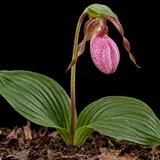
Both are natives of cool, acidic, shaded woodland; wintergreen makes a fitting evergreen groundcover in the same pine-and-oak habitat where the protected orchid grows (grown from nursery stock, never dug).
Varieties · 2
You pick one when you add Wintergreen to your garden. Its days to maturity set your harvest window.
Eastern Teaberry (Gaultheria procumbens)
The species itself: a low evergreen mat of glossy leaves that bronze in winter, white summer bells, and bright red minty berries that persist through the cold months.
Variety details for Eastern Teaberry (Gaultheria procumbens)
Creeping 3-6 inch mat of glossy oval leaves with nodding white bell flowers and bright red berries.
speciesnativeevergreenedible-berryThe classic teaberry/wintergreen of eastern woodlands, grown as an edible native groundcover for acidic shade.
Very Berry / large-fruited selections
Selections and seed strains chosen for extra-large, abundant red berries and a tidy, showy habit, sold for winter interest and containers as well as groundcover.
Variety details for Very Berry / large-fruited selections
Compact glossy mat carrying unusually large, plentiful bright red berries into winter.
cultivarlarge-berriesshowy-fruitornamentalThe bigger berries make an even better trail nibble while keeping the true wintergreen flavor.
Grower tips
Notes from growers, tagged with the zone they grow in. A person reads every post before it appears.
Nobody has posted about Wintergreen yet. The first one usually saves someone a season.
Free account. Your post shows your grower name and zone, never your email.