Plant Guide

Peach

Prunus persica

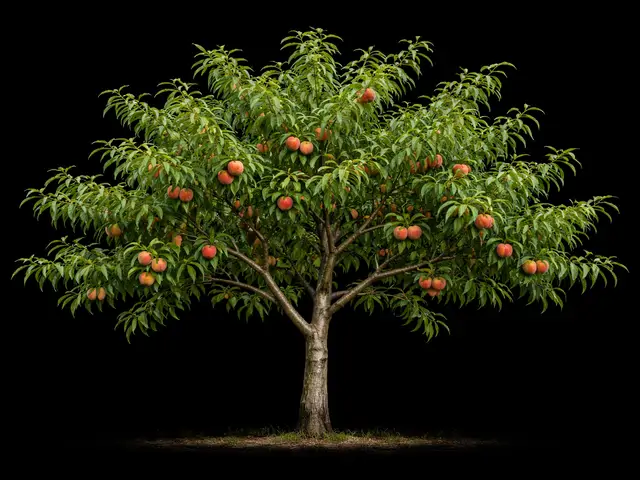
The peach is a perennial tree primarily cultivated for its delicious fruit, which is a popular food item. Known for its sweet and juicy flavor, peaches...

Photo of Peach

Overview

Overview

The peach is a perennial tree primarily cultivated for its delicious fruit, which is a popular food item. Known for its sweet and juicy flavor, peaches are enjoyed fresh, canned, or used in various culinary dishes. As a member of the fruit group, peaches are a staple in many gardens and orchards, providing both nutritional value and culinary versatility. However, it is important to note that while the fruit is edible, the leaves and seeds contain toxic compounds.

Why people grow it

Peaches are commonly grown by home gardeners and in orchards for their flavorful fruit, which is highly valued for fresh consumption and food preservation. The tree also adds aesthetic value to landscapes with its attractive blossoms and foliage.

In the garden

Peach trees require regular pruning to maintain their shape and encourage healthy fruit production. They thrive in well-drained soil and benefit from full sunlight. While not typically grown in containers, they can be managed in smaller spaces with careful attention to their growth habits.

Fun facts

  • The peach is believed to have originated in China, where it has been cultivated for thousands of years and is considered a symbol of longevity and immortality.
  • Peaches belong to the rose family, making them relatives of other fruits like cherries, apricots, and almonds.
  • The fuzz on a peach's skin is thought to serve as a natural defense mechanism against insects and excess moisture.
Scientific name
Prunus persica
Other names
Peaches
Family
Rosaceae
Group
Fruit
Lifecycle
Perennial
Primary use
Food
Sunlight
Full Sun
Water
Medium
Spacing
240 in between plants
Height
300 in
Width
240 in
Edible parts
Fruit
Safety notes
Seeds contain cyanogenic compounds

How to Grow

Best way to start

Transplanting is the best method for starting peaches, as they are commonly propagated through grafting rather than seeds.

Sunlight

Peaches require full sun to thrive, so choose a location that receives ample sunlight throughout the day.

Spacing

Space peach trees 240 inches apart to ensure adequate room for growth and air circulation.

Soil

Plant peaches in well-drained soil rich in organic matter. Ensure the soil is fertile for optimal growth.

Quick start checklist

  • Prepare a sunny site with well-drained soil.
  • Transplant peach trees 240 inches apart.
  • Water regularly to maintain medium moisture levels.
  • Monitor for pests and diseases during the first weeks.
  • Ensure good air circulation around the trees.
Best way to start
Transplant
Start method
Transplant
Transplant guidance
Transplant young trees in early spring after the last frost.
Planting depth
Plant at the same depth as in the nursery container.
Support / trellis
Not needed
Watering
Water weekly during dry periods; watch for wilting leaves and fruit drop as stress signals.
Soil / feeding
Apply balanced fertilizer in early spring; incorporate compost into the soil annually.

Care & Problems

Lifecycle at a glance

The peach is a perennial tree that, once established, produces fruit annually. For a stage-by-stage guide, see the Stage Guide section below.

Pruning

Prune peach trees in late winter to remove dead or diseased wood and to shape the tree for optimal sunlight exposure.

Watering

Water peach trees moderately, ensuring the soil remains moist but not waterlogged; watch for wilting leaves as a sign of under-watering.

Feeding & soil

Apply a balanced fertilizer in early spring and ensure the soil is well-drained to support healthy growth.

Common issues

For pests, diseases, and what to watch for, see the Threats & issues block below.

Care checklist

  • Inspect trees for signs of pests or disease regularly.
  • Water consistently to maintain soil moisture.
  • Mulch around the base to retain moisture and suppress weeds.
  • Thin fruits to prevent overloading branches.
  • Prune annually to maintain tree health and shape.
  • Fertilize in spring to support growth and fruit production.
  • Check soil drainage to prevent root rot.
  • Monitor for signs of nutrient deficiency or stress.

Threats & issues

Peach Tree Borer

Pest · Severity 4/5

Watch for: Sawdust-like frass and oozing sap at the base.

Prevent: Use tree wraps and keep the base of the tree clear.

Treat: Apply insecticides to the trunk in late spring.

Notes: Larvae bore into the trunk and branches, weakening the tree.

Plum Curculio

Pest · Severity 3/5

Watch for: Crescent-shaped scars on fruit.

Prevent: Clean up fallen fruit and debris.

Treat: Use insecticides after petal fall.

Notes: Beetles lay eggs in fruit, causing premature fruit drop.

Aphid

Insect · Severity 2/5

Watch for: Sticky residue on leaves and stunted growth.

Prevent: Encourage beneficial insects and use reflective mulches.

Treat: Spray with insecticidal soap or neem oil.

Notes: They suck sap from leaves, causing curling and distortion.

Oriental Fruit Moth

Insect · Severity 3/5

Watch for: Wilting shoots and entry holes in fruit.

Prevent: Use pheromone traps to monitor and disrupt mating.

Treat: Apply insecticides during peak egg-laying periods.

Notes: Larvae tunnel into shoots and fruit, causing damage.

Armillaria Root Rot

Disease · Severity 5/5

Watch for: White fungal growth under bark and honey-colored mushrooms at the base.

Prevent: Avoid planting in infected soils and improve drainage.

Treat: No effective treatment; remove infected trees.

Notes: Affects roots, leading to tree decline and death.

Bacterial Spot

Disease · Severity 3/5

Watch for: Small, water-soaked spots on leaves and fruit.

Prevent: Plant resistant varieties and avoid overhead watering.

Treat: Apply copper-based bactericides.

Notes: Causes dark spots on leaves and fruit, leading to defoliation.

Brown Rot

Disease · Severity 5/5

Watch for: Brown, rotting fruit and cankers on twigs.

Prevent: Prune to improve air circulation and remove mummified fruit.

Treat: Use fungicides during bloom and pre-harvest.

Notes: Affects blossoms, fruit, and shoots, causing rot.

Cytospora Canker

Disease · Severity 4/5

Watch for: Amber gum exuding from cankers.

Prevent: Avoid tree injuries and prune during dry weather.

Treat: Remove and destroy infected branches.

Notes: Causes sunken, discolored areas on bark, leading to dieback.

Peach Leaf Curl

Disease · Severity 4/5

Watch for: Distorted, discolored leaves.

Prevent: Apply fungicide in late winter before bud swell.

Treat: Remove and destroy infected leaves.

Notes: Causes leaves to curl, thicken, and turn red.

Powdery Mildew

Disease · Severity 2/5

Watch for: Look for white powdery spots on leaf surfaces.

Prevent: Plant resistant varieties and ensure good air circulation.

Treat: Apply sulfur or potassium bicarbonate sprays.

Notes: Causes white, powdery growth on leaves and shoots.

Companions & Avoid

Companion plants

  • Chives: Repels aphids and other insects.
  • Clover: Improves soil nitrogen levels.
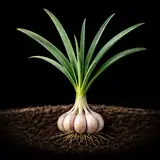
  • Garlic: Helps deter pests around peaches.
  • Marigold: Can reduce nematode populations in soil.
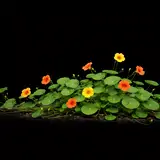
  • Nasturtium: Attracts beneficial insects and deters pests.

Plants to avoid nearby

  • Corn: Competes for nutrients and space.
  • Potato: Shares diseases with peaches.
  • Raspberry: Competes for resources and can harbor pests.
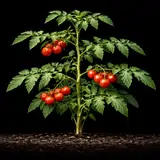
  • Tomato: Competes for nutrients and attracts similar pests.
  • Walnut: Produces juglone, which can inhibit peach growth.

Stage Guide

  1. Planting

    Year1

    Do: Plant in well-drained soil

    Watch for: Ensure full sun exposure

  2. Establishment

    Year1

    Do: Water regularly to establish roots

    Watch for: Watch for signs of drought stress

  3. Growth

    Year1

    Do: Prune to shape and remove weak branches

    Watch for: Monitor for pests and diseases

  4. Dormancy

    Year1

    Do: Protect young tree from frost

    Watch for: Check for rodent damage

  5. Bud Break

    Recurring

    Do: Apply balanced fertilizer

    Watch for: Watch for late frost damage

  6. Flowering

    Recurring

    Do: Ensure adequate water supply

    Watch for: Monitor for pest infestations

  7. Fruit Development

    Recurring

    Do: Thin fruits to improve size and quality

    Watch for: Watch for signs of disease

  8. Harvest

    Recurring

    Do: Harvest ripe peaches when they detach easily

    Watch for: Protect from birds and pests

  9. Dormancy

    Recurring

    Do: Prune to maintain tree structure

    Watch for: Inspect for overwintering pests

Varieties

Choosing the right variety depends on your climate and how you plan to use the crop. Browse the varieties below for details and recommended growing zones.

Belle of Georgia

<h5>General information</h5><p>The &quot;Belle of Georgia&quot; is a popular variety of peach known for its sweet taste and reliable performance in home orchards.</p><h5>Fun fact</h5><p>This variety is named after the state of Georgia, which is famous for its peaches.</p><h5>Appearance</h5><p>The peaches are large with a creamy white skin that has a red blush and white flesh.</p><h5>Ideal growing conditions</h5><p>It thrives in full sun and well-drained soil, requiring a chilling period to produce fruit.</p><p><strong>Days to maturity:</strong> Approximately 95 to 130 days after blooming.</p><p><strong>Disease resistance:</strong> Known for resistance to bacterial spot and other common peach diseases.</p><p><strong>Spacing:</strong> Trees should be spaced about 18 to 20 feet apart to allow for proper growth and air circulation.</p><p><strong>Yield:</strong> Produces a high yield of fruit when mature and properly cared for.</p><p><strong>Storage:</strong> Best consumed fresh but can be stored for short periods; refrigeration can extend freshness.</p><p><strong>Origin/history:</strong> Developed in the United States and has been a favored variety in southern orchards for many years.</p>

General information: The "Belle of Georgia" is a popular peach variety known for its large, juicy, and sweet fruit with white flesh.

Growing conditions: It thrives in full sun and well-drained soil, requiring a chilling period in winter.

Days to maturity: Approximately 170 days from bloom to harvest.

Disease resistance: It has moderate resistance to common peach diseases, but care is needed to prevent peach leaf curl and brown rot.

Spacing: Trees should be spaced about 15-20 feet apart to allow for proper growth.

Yield: Produces a moderate to high yield of peaches when mature.

Storage: The fruit is best consumed fresh but can be stored for a short time under refrigeration.

Origin / history: "Belle of Georgia" was introduced in the late 19th century and has been a favorite among home gardeners and commercial growers.

Contender

<h5>General information</h5><p>&quot;Contender&quot; is a variety of peach known for its hardiness and ability to produce high-quality fruit even in colder climates.</p><h5>Fun fact</h5><p>This variety is particularly popular in areas with late spring frosts due to its frost-resistant blossoms.</p><h5>Appearance</h5><p>The peaches are medium to large with a vibrant red blush over a yellow-orange background.</p><h5>Ideal growing conditions</h5><p>&quot;Contender&quot; peaches thrive in full sun with well-drained, fertile soil and require regular watering.</p><p><strong>Days to maturity:</strong> Approximately 105 to 115 days from bloom to harvest.</p><p><strong>Disease resistance:</strong> Known for its resistance to bacterial spot and good tolerance to cold weather.</p><p><strong>Spacing:</strong> Trees should be spaced about 12 to 15 feet apart to allow for proper growth and air circulation.</p><p><strong>Yield:</strong> Produces a generous yield of high-quality, juicy peaches.</p><p><strong>Storage:</strong> Best consumed fresh, but can be stored for short periods; also suitable for canning and freezing.</p><p><strong>Origin/history:</strong> Unknown.</p>

General information: Contender is a variety of peach known for its hardiness and ability to thrive in colder climates.

Growing conditions: It requires full sun and well-drained soil, with regular watering to maintain healthy growth.

Days to maturity: Contender peaches typically mature in about 105 to 115 days after blooming.

Disease resistance: This variety is known for its resistance to bacterial spot and canker.

Spacing: Trees should be spaced about 12 to 15 feet apart to allow for adequate growth and air circulation.

Yield: Contender peach trees are known for producing a generous yield of fruit each season.

Storage: The peaches can be stored for a short period after harvest but are best enjoyed fresh or used in preserves.

Origin / history: Contender was developed for its cold hardiness and consistent fruiting, making it popular in northern growing regions.

Cresthaven

<h5>General information</h5><p>Cresthaven is a variety of peach known for its late-season harvest and excellent quality fruit.</p><h5>Fun fact</h5><p>Cresthaven peaches are often praised for their resistance to bruising, making them ideal for shipping and handling.</p><h5>Appearance</h5><p>The peaches are large with a yellow skin that has a red blush and firm, yellow flesh.</p><h5>Ideal growing conditions</h5><p>They thrive in full sun and well-drained soil, requiring moderate watering and protection from late frosts.</p><p><strong>Days to maturity:</strong> Approximately 160 days from bloom to harvest.</p><p><strong>Disease resistance:</strong> Cresthaven has good resistance to bacterial spot.</p><p><strong>Spacing:</strong> Trees should be spaced about 15 to 20 feet apart to allow for proper growth and air circulation.</p><p><strong>Yield:</strong> Known for producing a heavy yield of high-quality fruit.</p><p><strong>Storage:</strong> The peaches have a good shelf life and can be stored for several weeks under proper conditions.</p><p><strong>Origin/history:</strong> Unknown.</p>

General information: Cresthaven is a popular peach variety known for its excellent flavor and late-season harvest.

Growing conditions: This variety thrives in full sun with well-drained soil and requires consistent watering.

Days to maturity: Cresthaven peaches typically mature in about 120 to 130 days after full bloom.

Disease resistance: Cresthaven is known for its resistance to bacterial spot, a common peach disease.

Spacing: Trees should be spaced about 15 to 20 feet apart to allow for proper growth.

Yield: Cresthaven trees are known for producing a high yield of fruit.

Storage: These peaches are best consumed fresh but can be stored for a short period if kept cool.

Origin / history: Cresthaven was developed in Michigan and introduced in the mid-20th century.

Desert Gold

<h5>General information</h5><p>Desert Gold is a peach variety known for its early ripening and adaptability to warm climates.</p><h5>Fun fact</h5><p>Desert Gold peaches are one of the earliest ripening peach varieties, often available as early as late winter.</p><h5>Appearance</h5><p>The fruit has a golden-yellow skin with a red blush and juicy, yellow flesh.</p><h5>Ideal growing conditions</h5><p>It thrives in full sun and well-drained soil, requiring a chill hour requirement of about 250 hours.</p><p><strong>Days to maturity:</strong> Approximately 80 to 90 days from bloom to harvest.</p><p><strong>Disease resistance:</strong> Known for its resistance to common peach diseases like peach leaf curl.</p><p><strong>Spacing:</strong> Trees should be spaced about 15 to 20 feet apart.</p><p><strong>Yield:</strong> Produces a high yield of fruit, often bearing fruit in the first or second year after planting.</p><p><strong>Storage:</strong> Best consumed fresh but can be stored for a short period in a cool, dry place.</p><p><strong>Origin/history:</strong> Unknown.</p>

General information: Desert Gold is a peach variety known for its early ripening and suitability for warm climates.

Growing conditions: Desert Gold thrives in full sun and well-drained soil, and it requires low chill hours, making it ideal for subtropical regions.

Days to maturity: Approximately 90 to 100 days from bloom to harvest.

Disease resistance: It has moderate resistance to common peach diseases but still requires regular care to prevent issues like peach leaf curl.

Spacing: Trees should be spaced about 15 to 20 feet apart to allow for proper growth and air circulation.

Yield: Known for producing a high yield of fruit, often bearing heavily in its early years.

Storage: Best consumed fresh but can be stored in the refrigerator for a short period after harvest.

Origin / history: Desert Gold was developed in California to provide a reliable peach variety for areas with mild winters.

Elberta

<h5>General information</h5><p>The &quot;Elberta&quot; peach is a popular cultivar known for its large, juicy, and flavorful fruits. It is a freestone peach, making it easy to separate the pit from the flesh.</p><h5>Fun fact</h5><p>The Elberta peach was once the most widely grown peach in the United States.</p><h5>Appearance</h5><p>Elberta peaches have a golden yellow skin with a blush of red and firm, yellow flesh.</p><h5>Ideal growing conditions</h5><p>Elberta peaches thrive in full sun and well-drained soil, requiring a chilling period of 800-950 hours below 45&#176;F.</p><p><strong>Days to maturity:</strong> Approximately 140 to 150 days after full bloom.</p><p><strong>Disease resistance:</strong> Elberta peaches have moderate resistance to peach leaf curl and brown rot.</p><p><strong>Spacing:</strong> Trees should be spaced about 15 to 20 feet apart to allow for proper growth and air circulation.</p><p><strong>Yield:</strong> A mature Elberta peach tree can produce an abundant yield of 100 to 150 pounds of fruit per season.</p><p><strong>Storage:</strong> Elberta peaches are best consumed fresh but can be stored in the refrigerator for up to two weeks.</p><p><strong>Origin/history:</strong> The Elberta peach was developed in the late 19th century by Samuel H. Rumph in Georgia, USA, and named after his wife, Elberta.</p>

General information: The "Elberta" peach is a popular variety known for its large, juicy, and flavorful fruit, often used for fresh eating, canning, and baking.

Growing conditions: "Elberta" peaches require full sun and well-drained soil, with moderate watering and protection from late frosts.

Days to maturity: Approximately 150 days from bloom to harvest.

Disease resistance: This variety has some resistance to bacterial spot but is susceptible to peach leaf curl and brown rot.

Spacing: Trees should be spaced 15 to 20 feet apart to allow for proper growth and air circulation.

Yield: "Elberta" peach trees are known for their high yield, producing abundant fruit when mature.

Storage: The fruit can be stored for a short period after harvest, typically lasting about one to two weeks in the refrigerator.

Origin / history: The "Elberta" peach was developed in the late 19th century by Samuel H. Rumph in Georgia, USA, and was named after his wife, Elberta.

Eva's Pride

<h5>General information</h5><p>Eva&#39;s Pride is a peach variety known for its early ripening and excellent flavor, suitable for home orchards and gardens.</p><h5>Fun fact</h5><p>Eva&#39;s Pride is often praised for its ability to produce high-quality fruit even in areas with mild winters.</p><h5>Appearance</h5><p>The peaches are medium-sized with a yellow skin and a red blush, and the flesh is juicy and sweet.</p><h5>Ideal growing conditions</h5><p>This variety thrives in full sun and well-drained soil, requiring moderate watering and chill hours of about 100-200.</p><p><strong>Days to maturity:</strong> Approximately 3 to 4 months after flowering.</p><p><strong>Disease resistance:</strong> Eva&#39;s Pride has some resistance to common peach diseases, but care should be taken to manage pests and fungal issues.</p><p><strong>Spacing:</strong> Trees should be planted about 12 to 15 feet apart to allow for proper growth and air circulation.</p><p><strong>Yield:</strong> Known for producing a good yield of peaches, especially when properly pruned and maintained.</p><p><strong>Storage:</strong> Peaches from Eva&#39;s Pride are best consumed fresh but can be stored for a short period if kept cool and dry.</p><p><strong>Origin/history:</strong> Unknown.</p>

General information: Eva's Pride is a variety of peach known for its early ripening and excellent flavor.

Growing conditions: Eva's Pride thrives in full sun and well-drained soil, with a chill requirement of about 100-200 hours.

Days to maturity: It typically matures in 90-100 days after full bloom.

Disease resistance: It has moderate resistance to common peach diseases but requires regular monitoring and care.

Spacing: Trees should be spaced approximately 12-15 feet apart to allow for proper growth and air circulation.

Yield: This variety is known for producing a good yield of fruit when properly cared for.

Storage: The peaches are best consumed fresh but can be stored in the refrigerator for a short period.

Origin / history: Unknown.

Florida King

<h5>General information</h5><p>Florida King is a peach variety known for its early ripening and suitability for warm climates.</p><h5>Fun fact</h5><p>This variety is particularly popular in regions with mild winters due to its low chill hour requirement.</p><h5>Appearance</h5><p>The peaches are large with a firm, yellow flesh and a red blush on the skin.</p><h5>Ideal growing conditions</h5><p>Florida King thrives in warm climates with well-drained soil and requires full sun.</p><p><strong>Days to maturity:</strong> Approximately 80-100 days from bloom to harvest.</p><p><strong>Disease resistance:</strong> Known for having good resistance to bacterial leaf spot.</p><p><strong>Spacing:</strong> Trees should be spaced about 15-20 feet apart to allow for proper growth and air circulation.</p><p><strong>Yield:</strong> It produces a moderate to high yield of fruit, depending on growing conditions.</p><p><strong>Storage:</strong> Peaches from this variety are best consumed fresh but can be stored for a short period under refrigeration.</p><p><strong>Origin/history:</strong> Florida King was developed in Florida to provide a productive peach variety for areas with low chill requirements.</p>

General information: Florida King is a variety of peach known for its early ripening and suitability for warm climates.

Growing conditions: Florida King thrives in full sun with well-drained soil and requires minimal chill hours.

Days to maturity: Approximately 80 to 100 days after blooming.

Disease resistance: Known for good resistance to leaf curl and bacterial spot.

Spacing: Trees should be spaced about 15 to 20 feet apart to allow for proper growth.

Yield: Produces a high yield of fruit, often in late spring to early summer.

Storage: Best consumed fresh but can be stored for a short period under refrigeration.

Origin / history: Developed in Florida to meet the needs of growers in warm, subtropical climates.

Florida Prince

<h5>General information</h5><p>Florida Prince is a peach variety known for its ability to thrive in warmer climates, particularly in regions with mild winters.</p><h5>Fun fact</h5><p>Florida Prince is one of the earliest ripening peach varieties, often ready for harvest by late spring.</p><h5>Appearance</h5><p>The fruit is medium-sized with a yellowish skin that has a red blush and yellow flesh.</p><h5>Ideal growing conditions</h5><p>It requires full sun and well-drained soil, with a chilling requirement of about 150 hours, making it suitable for warmer areas.</p><p><strong>Days to maturity:</strong> Approximately 80 days from bloom to harvest.</p><p><strong>Disease resistance:</strong> Unknown.</p><p><strong>Spacing:</strong> Trees should be spaced about 15 to 20 feet apart to allow for proper growth and air circulation.</p><p><strong>Yield:</strong> Known for producing a good yield of fruit when properly cared for.</p><p><strong>Storage:</strong> Peaches should be consumed fresh or can be stored in a refrigerator for a short period.</p><p><strong>Origin/history:</strong> Florida Prince was developed in Florida to provide a peach variety that can be grown successfully in low-chill regions.</p>

General information: Florida Prince is a peach variety known for its early ripening and suitability for warmer climates, particularly in the southern United States.

Growing conditions: It grows well in warm climates with low chill hour requirements, typically needing around 150 chill hours.

Days to maturity: The fruit matures and is ready for harvest in late spring, generally around 65 to 70 days after flowering.

Disease resistance: Florida Prince has moderate resistance to common peach diseases but may still require management for pests and diseases.

Spacing: Trees should be spaced approximately 15 to 20 feet apart to allow for proper growth and air circulation.

Yield: It is a productive variety, often yielding a good quantity of fruit once mature.

Storage: Peaches from this variety should be consumed fresh or refrigerated for short-term storage, as they do not store long-term well.

Origin / history: Florida Prince was developed by the University of Florida as part of a breeding program to create low-chill hour peach varieties suitable for subtropical climates.

Hale Haven

<h5>General information</h5><p>Hale Haven is a popular variety of peach known for its sweet flavor and juiciness.</p><h5>Fun fact</h5><p>Hale Haven peaches are often used in canning due to their firm texture and excellent taste.</p><h5>Appearance</h5><p>The fruit is medium to large with a yellow skin blushed with red and yellow flesh.</p><h5>Ideal growing conditions</h5><p>It thrives in full sun with well-drained soil and requires regular watering.</p><p><strong>Days to maturity:</strong> Approximately 130 to 145 days.</p><p><strong>Disease resistance:</strong> Known for good resistance to bacterial spot and peach leaf curl.</p><p><strong>Spacing:</strong> Trees should be spaced about 15 to 20 feet apart.</p><p><strong>Yield:</strong> Typically produces a high yield of fruit each season.</p><p><strong>Storage:</strong> Best consumed fresh but can be stored for a short period; ideal for canning and freezing.</p><p><strong>Origin/history:</strong> Developed in the United States in the early 20th century by Michigan State University.</p>

General information: Hale Haven is a popular peach variety known for its sweet flavor and juiciness, making it ideal for fresh eating and canning.

Growing conditions: This peach variety thrives in full sun with well-drained soil and requires regular watering, especially during dry spells.

Days to maturity: Approximately 120 to 135 days from bloom to harvest.

Disease resistance: Hale Haven is known for its resistance to bacterial spot and brown rot, common peach diseases.

Spacing: Trees should be spaced about 15 to 20 feet apart to allow for proper growth and air circulation.

Yield: Known for high yields, each mature tree can produce a substantial amount of fruit annually.

Storage: Peaches should be stored at room temperature until ripe and then can be refrigerated for a few days to extend freshness.

Origin / history: Hale Haven was developed in Michigan in the 1930s by the Michigan State Experiment Station and is a cross between J.H. Hale and South Haven varieties.

Halehaven

<h5>General information</h5><p>Halehaven is a popular freestone peach variety known for its sweet flavor and juicy texture.</p><h5>Fun fact</h5><p>The Halehaven peach was developed in the 1930s as a cross between J.H. Hale and South Haven varieties.</p><h5>Appearance</h5><p>The fruits are medium to large with yellow skin and a red blush, and they have bright yellow flesh.</p><h5>Ideal growing conditions</h5><p>Halehaven peaches thrive in full sun and well-drained, sandy loam soil.</p><p><strong>Days to maturity:</strong> Typically, Halehaven peaches take about 140 to 160 days from bloom to harvest.</p><p><strong>Disease resistance:</strong> Halehaven has some resistance to bacterial spot but is susceptible to peach leaf curl.</p><p><strong>Spacing:</strong> Trees should be spaced about 15 to 20 feet apart to allow for proper growth and air circulation.</p><p><strong>Yield:</strong> This variety is known for its high yield, producing abundant fruit when properly cared for.</p><p><strong>Storage:</strong> Freshly harvested Halehaven peaches should be stored in a cool place and can last up to two weeks.</p><p><strong>Origin/history:</strong> The Halehaven peach was developed in Michigan, USA, as an improved variety for commercial and home orchards.</p>

General information: Halehaven is a popular variety of peach known for its sweet flavor and juicy texture.

Growing conditions: Halehaven peaches thrive in full sun with well-drained soil and require regular watering.

Days to maturity: Approximately 85 to 95 days after full bloom.

Disease resistance: It has some resistance to bacterial spot and peach leaf curl.

Spacing: Trees should be spaced about 15 to 20 feet apart.

Yield: Known for producing a good yield of high-quality fruit.

Storage: Best consumed fresh but can be stored in the refrigerator for a short period.

Origin / history: This variety was developed in Michigan, USA, to produce a hardy and flavorful peach.

Harvester

<h5>General information</h5><p>The &quot;Harvester&quot; peach is a popular variety known for its productivity and suitability for home gardens and orchards.</p><h5>Fun fact</h5><p>This variety is often appreciated for its consistent yield and adaptability to different growing conditions.</p><h5>Appearance</h5><p>Harvester peaches are medium-sized with a yellow skin and a red blush, and they have a firm, juicy flesh.</p><h5>Ideal growing conditions</h5><p>They thrive in warm climates with full sun and well-drained soil.</p><p><strong>Days to maturity:</strong> Typically, Harvester peaches mature in about 120 to 150 days after full bloom.</p><p><strong>Disease resistance:</strong> Harvester peaches have good resistance to bacterial spot and other common peach diseases.</p><p><strong>Spacing:</strong> Trees should be spaced about 15 to 20 feet apart to ensure adequate sunlight and air circulation.</p><p><strong>Yield:</strong> Known for high yields, a mature Harvester peach tree can produce a substantial amount of fruit annually.</p><p><strong>Storage:</strong> Freshly harvested peaches can be stored for a short period, but they are best consumed or processed soon after picking.</p><p><strong>Origin/history:</strong> Unknown.</p>

General information: The "Harvester" peach is a popular variety known for its productivity and suitability for home gardens and orchards.

Growing conditions: It thrives in full sun with well-drained soil and requires regular watering, especially during dry spells.

Days to maturity: Approximately 120-150 days from bloom to harvest.

Disease resistance: Known for its resistance to bacterial spot and other common peach diseases.

Spacing: Trees should be spaced about 15-20 feet apart to allow for proper growth and air circulation.

Yield: It is a high-yielding variety, producing an abundant crop of peaches each year.

Storage: Freshly harvested peaches should be stored in a cool place and can be refrigerated to extend freshness.

Origin / history: Unknown.

Intrepid

<h5>General information</h5><p>Intrepid is a variety of peach known for its cold hardiness and ability to withstand late frosts, making it suitable for growers in cooler climates.</p><h5>Fun fact</h5><p>Intrepid peaches are known for blooming later than many other peach varieties, which helps protect them from damage due to unexpected late spring frosts.</p><h5>Appearance</h5><p>The Intrepid peach is medium to large in size with a vibrant red blush over a yellow background.</p><h5>Ideal growing conditions</h5><p>This variety thrives in well-drained soil with full sun exposure and requires regular watering, especially during dry periods.</p><p><strong>Days to maturity:</strong> Intrepid peaches typically mature in approximately 3 to 4 months after blooming.</p><p><strong>Disease resistance:</strong> Intrepid has good resistance to common peach diseases such as bacterial spot.</p><p><strong>Spacing:</strong> Peach trees, including Intrepid, should be spaced about 15 to 20 feet apart to allow for proper growth and air circulation.</p><p><strong>Yield:</strong> Intrepid is known for producing a reliable and abundant yield of high-quality fruit.</p><p><strong>Storage:</strong> Once harvested, Intrepid peaches can be stored for a short period under cool conditions but are best consumed fresh.</p><p><strong>Origin/history:</strong> Unknown.</p>

General information: Intrepid is a variety of peach known for its hardiness and ability to produce high-quality fruit.

Growing conditions: Intrepid peaches thrive in well-drained soil with full sun exposure.

Days to maturity: Approximately 135 to 150 days from bloom to harvest.

Disease resistance: Intrepid has good resistance to common peach diseases, including bacterial spot.

Spacing: Trees should be spaced about 15 to 20 feet apart to allow for proper growth and air circulation.

Yield: Known for producing a high yield of fruit per tree.

Storage: Peaches can be stored for a short period, usually a couple of weeks, under refrigeration.

Origin / history: Unknown.

June Gold

<h5>General information</h5><p>The &quot;June Gold&quot; is a variety of peach known for its early ripening and sweet, juicy fruit.</p><h5>Fun fact</h5><p>&quot;June Gold&quot; peaches are often among the first peaches to be harvested in the season.</p><h5>Appearance</h5><p>The fruit is medium to large with a golden-yellow skin and a red blush.</p><h5>Ideal growing conditions</h5><p>It thrives in well-drained soil with full sun exposure and requires regular watering.</p><p><strong>Days to maturity:</strong> Approximately 120 to 150 days from bloom to harvest.</p><p><strong>Disease resistance:</strong> Known for having some resistance to peach leaf curl and bacterial spot.</p><p><strong>Spacing:</strong> Trees should be spaced about 15 to 20 feet apart to allow for adequate growth.</p><p><strong>Yield:</strong> Produces a moderate to high yield of fruit, depending on growing conditions.</p><p><strong>Storage:</strong> Peaches are best consumed fresh but can be stored for a short period in a cool, dry place.</p><p><strong>Origin/history:</strong> Unknown.</p>

General information: June Gold is a variety of peach known for its early ripening and sweet flavor.

Growing conditions: They thrive in well-drained soil with full sun exposure and require regular watering.

Days to maturity: Approximately 120 to 150 days from bloom to harvest.

Disease resistance: Unknown.

Spacing: Trees should be spaced about 12 to 15 feet apart to allow for proper growth and air circulation.

Yield: Known for producing a good yield of fruit early in the season.

Storage: Best consumed fresh but can be stored for short periods in a cool, dry place.

Origin / history: Unknown.

Madison

<h5>General information</h5><p>The &quot;Madison&quot; peach is a hardy variety known for its high-quality fruit and reliability in colder climates.</p><h5>Fun fact</h5><p>Madison peaches are often praised for their excellent flavor and are suitable for both fresh eating and canning.</p><h5>Appearance</h5><p>The fruit is medium-sized, with a yellow skin that has a red blush and yellow, firm flesh.</p><h5>Ideal growing conditions</h5><p>Madison peaches thrive in full sun and well-drained soil, with a preference for slightly acidic conditions.</p><p><strong>Days to maturity:</strong> Approximately 160 days from bloom to harvest.</p><p><strong>Disease resistance:</strong> This variety is known for its resistance to peach leaf curl.</p><p><strong>Spacing:</strong> Trees should be spaced about 15 to 20 feet apart to allow for proper growth and air circulation.</p><p><strong>Yield:</strong> Madison peach trees are known for their consistent and abundant yield.</p><p><strong>Storage:</strong> The fruit can be stored for a short period, but it is best consumed fresh or used in preserves.</p><p><strong>Origin/history:</strong> The Madison peach was developed in the United States, specifically bred for its cold hardiness and disease resistance.</p>

General information: The "Madison" peach is a cold-hardy variety known for its ability to thrive in colder climates compared to other peach varieties.

Growing conditions: This variety requires full sun and well-drained soil, and it is known for its resilience in colder temperatures.

Days to maturity: Approximately 150 to 160 days from bloom to harvest.

Disease resistance: Madison peaches have good resistance to bacterial spot and peach leaf curl.

Spacing: Trees should be spaced about 15 to 20 feet apart to allow for adequate growth and air circulation.

Yield: Known for producing a good yield of fruit, especially once the tree is mature.

Storage: Madison peaches can be stored for a short period but are best consumed fresh or preserved soon after harvest.

Origin / history: The Madison peach was developed in the mid-20th century at the Virginia Agricultural Experiment Station to withstand colder climates.

May Pride

<h5>General information</h5><p>May Pride is a peach variety known for its early ripening and excellent flavor, ideal for home gardens and orchards.</p><h5>Fun fact</h5><p>May Pride is one of the earliest ripening peach varieties, often available in late spring.</p><h5>Appearance</h5><p>The fruit is medium-sized with a yellow skin blushed with red and yellow flesh.</p><h5>Ideal growing conditions</h5><p>It thrives in full sun with well-drained soil and requires moderate watering.</p><p><strong>Days to maturity:</strong> Approximately 250 to 300 chill hours are needed for fruit development.</p><p><strong>Disease resistance:</strong> Known for its resistance to peach leaf curl.</p><p><strong>Spacing:</strong> Trees should be spaced about 12 to 15 feet apart for optimal growth.</p><p><strong>Yield:</strong> Produces a moderate to high yield of fruit when mature.</p><p><strong>Storage:</strong> Best consumed fresh but can be stored for a short period under refrigeration.</p><p><strong>Origin/history:</strong> Unknown.</p>

General information: May Pride is a variety of peach known for its early ripening and suitability for warm climates.

Growing conditions: This variety thrives in warm climates and requires full sun and well-drained soil.

Days to maturity: Approximately 200 to 300 chill hours are needed for May Pride peaches to reach maturity.

Disease resistance: May Pride has moderate resistance to common peach diseases but may require regular care for optimal health.

Spacing: Trees should be planted about 12 to 15 feet apart to allow for proper growth.

Yield: May Pride trees are known for producing a good yield of fruit.

Storage: Peaches from the May Pride variety are best consumed fresh but can be stored in the refrigerator for a short time.

Origin / history: Unknown.

Mid Pride

<h5>General information</h5><p>&quot;Mid Pride&quot; is a peach variety known for its high-quality fruit and is popular in home gardens and orchards.</p><h5>Fun fact</h5><p>&quot;Mid Pride&quot; peaches are often praised for their sweet flavor and juicy texture.</p><h5>Appearance</h5><p>The peaches are medium to large in size, with a yellow skin that has a red blush.</p><h5>Ideal growing conditions</h5><p>This variety thrives in full sun and requires well-drained soil with regular watering.</p><p><strong>Days to maturity:</strong> It typically takes about 400-500 chill hours for &quot;Mid Pride&quot; peaches to mature.</p><p><strong>Disease resistance:</strong> &quot;Mid Pride&quot; has moderate resistance to common peach diseases like leaf curl.</p><p><strong>Spacing:</strong> Trees should be planted about 12-15 feet apart to allow for adequate growth and air circulation.</p><p><strong>Yield:</strong> This variety produces a good yield of peaches, usually ripening in mid-season.</p><p><strong>Storage:</strong> Peaches from this variety can be stored for a short period after harvest, best consumed fresh.</p><p><strong>Origin/history:</strong> Unknown.</p>

General information: "Mid Pride" is a variety of peach known for its delicious flavor and mid-season ripening.

Growing conditions: It thrives in full sun with well-drained soil and requires moderate watering.

Days to maturity: Unknown.

Disease resistance: "Mid Pride" is known for having good resistance to peach leaf curl.

Spacing: Trees should be spaced about 12 to 15 feet apart to allow for proper growth.

Yield: This variety is known for producing a moderate to high yield of fruit.

Storage: Peaches should be stored in a cool, dry place and can be refrigerated to extend freshness.

Origin / history: Unknown.

Red Baron

<h5>General information</h5><p>&quot;Red Baron&quot; is a variety of peach known for its attractive blossoms and flavorful fruit.</p><h5>Fun fact</h5><p>This variety is often celebrated for its stunning red flowers, which make it a popular ornamental choice as well as a fruit-bearing tree.</p><h5>Appearance</h5><p>The &quot;Red Baron&quot; peach features bright red flowers and produces medium to large-sized fruit with a red blush over a yellow background.</p><h5>Ideal growing conditions</h5><p>It thrives in full sun with well-drained soil and requires regular watering, especially during dry spells.</p><p><strong>Days to maturity:</strong> Approximately 3 to 4 years to bear fruit after planting.</p><p><strong>Disease resistance:</strong> Known for having some resistance to common peach diseases such as leaf curl.</p><p><strong>Spacing:</strong> Trees should be spaced about 15 to 20 feet apart to allow for proper growth and air circulation.</p><p><strong>Yield:</strong> Produces a moderate to high yield of fruit once mature.</p><p><strong>Storage:</strong> Fresh peaches should be eaten soon after harvest or stored in the refrigerator for up to a week.</p><p><strong>Origin/history:</strong> Unknown.</p>

General information: The "Red Baron" is a variety of peach known for its attractive blossoms and flavorful fruit.

Growing conditions: "Red Baron" peaches thrive in full sun and well-drained soil, requiring regular watering and pruning for optimal growth.

Days to maturity: Typically, it takes about 3 to 4 years for "Red Baron" peach trees to start bearing fruit after planting.

Disease resistance: Unknown.

Spacing: Trees should be spaced about 12 to 15 feet apart to allow for proper growth and air circulation.

Yield: "Red Baron" peach trees are known to produce a good yield of fruit once mature.

Storage: Peaches from the "Red Baron" variety should be consumed fresh or can be stored in a refrigerator for a short period.

Origin / history: Unknown.

Redhaven

<h5>General information</h5><p>&quot;Redhaven&quot; is a popular variety of peach known for its excellent flavor and versatility in home orchards and commercial production.</p><h5>Fun fact</h5><p>Redhaven was introduced in 1940 and is one of the most widely planted peach varieties in the world.</p><h5>Appearance</h5><p>The peaches are medium to large, with a nearly fuzzless skin that is bright red over a golden-yellow background.</p><h5>Ideal growing conditions</h5><p>Redhaven peaches thrive in full sun and well-drained soil, requiring regular watering and pruning for optimal growth.</p><p><strong>Days to maturity:</strong> Approximately 88 days from full bloom to harvest.</p><p><strong>Disease resistance:</strong> Redhaven has good resistance to bacterial spot and peach leaf curl.</p><p><strong>Spacing:</strong> Trees should be spaced about 15 to 20 feet apart to allow for adequate growth and air circulation.</p><p><strong>Yield:</strong> Known for being a reliable and heavy producer, Redhaven trees can yield a substantial amount of fruit each season.</p><p><strong>Storage:</strong> Freshly picked Redhaven peaches can be stored in the refrigerator for up to two weeks.</p><p><strong>Origin/history:</strong> Redhaven was developed by Michigan State University breeder Dr. Stanley Johnston and released in 1940.</p>

General information: Redhaven is a popular variety of peach known for its delicious taste and high-quality fruit.

Growing conditions: Redhaven peaches thrive in full sun with well-drained soil and require regular watering.

Days to maturity: Approximately 88 days from full bloom to harvest.

Disease resistance: Redhaven has good resistance to bacterial spot and peach leaf curl.

Spacing: Trees should be spaced about 15 to 20 feet apart to allow for proper growth.

Yield: Known for producing a high yield of fruit when properly maintained.

Storage: Peaches should be stored in a cool place and can be refrigerated to extend freshness.

Origin / history: Redhaven was developed in Michigan, USA, and introduced in 1940 by Dr. Stanley Johnston.

Reliance

<h5>General information</h5><p>Reliance is a cold-hardy variety of peach known for its ability to withstand harsh winter conditions.</p><h5>Fun fact</h5><p>Despite its name, Reliance was developed to thrive in colder climates, making it popular in northern regions.</p><h5>Appearance</h5><p>The peaches are medium-sized with a yellowish skin and a red blush.</p><h5>Ideal growing conditions</h5><p>Reliance peaches require full sun and well-drained soil; they are hardy in USDA zones 4 to 8.</p><p><strong>Days to maturity:</strong> Approximately 135 to 145 days from bloom to harvest.</p><p><strong>Disease resistance:</strong> Reliance has moderate resistance to bacterial spot and peach leaf curl.</p><p><strong>Spacing:</strong> Trees should be spaced about 15 to 20 feet apart to allow for proper growth.</p><p><strong>Yield:</strong> Known for producing a reliable and abundant yield of fruit.</p><p><strong>Storage:</strong> Best used fresh; can be stored for a short period or preserved by canning or freezing.</p><p><strong>Origin/history:</strong> Reliance was developed at the University of New Hampshire in the 1960s to provide a peach variety suitable for colder climates.</p>

General information: Reliance is a cold-hardy peach variety known for its ability to withstand harsh winters, making it suitable for northern climates.

Growing conditions: Reliance peaches thrive in full sun with well-drained soil and require regular watering, especially during dry periods.

Days to maturity: Approximately 3 to 4 years to bear fruit after planting, with harvest typically occurring in mid to late summer.

Disease resistance: Reliance has moderate resistance to common peach diseases like leaf curl.

Spacing: Trees should be spaced about 15 to 20 feet apart to allow for proper growth and air circulation.

Yield: It produces a good yield of peaches, with mature trees capable of producing substantial amounts of fruit annually.

Storage: Fresh peaches can be stored in the refrigerator for up to a week, but they are best enjoyed soon after harvest.

Origin / history: Reliance was developed at the University of New Hampshire in the 1960s to create a peach variety that could withstand colder climates.

Texstar

<h5>General information</h5><p>Texstar is a variety of peach known for its adaptability and quality fruit production.</p><h5>Appearance</h5><p>Texstar peaches are typically medium to large in size with a vibrant red blush over a yellow background.</p><h5>Ideal growing conditions</h5><p>This variety thrives in warm climates and requires full sun and well-drained soil.</p><p><strong>Disease resistance:</strong> Texstar has some resistance to common peach diseases, but specific resistances are not well-documented.</p><p><strong>Spacing:</strong> It is recommended to space Texstar peach trees about 15 to 20 feet apart to allow for adequate growth.</p><p><strong>Yield:</strong> It is known to produce a good yield of high-quality fruit.</p><p><strong>Storage:</strong> Fresh Texstar peaches should be consumed relatively quickly but can be stored in the refrigerator for a short period.</p>

General information: Texstar is a variety of peach known for its adaptability to warm climates and early ripening characteristics.

Growing conditions: This variety thrives in warm climates with well-drained soil and requires full sun exposure.

Days to maturity: Texstar peaches typically mature in about 120 to 130 days after flowering.

Disease resistance: Texstar is known for its resistance to common peach diseases such as bacterial spot.

Spacing: Trees should be spaced about 15 to 20 feet apart to allow for adequate air circulation and growth.

Yield: Texstar peach trees are known for producing a moderate to high yield of fruit.

Storage: The fruit can be stored for a short period, but it is best consumed fresh or used in preserves.

Origin / history: Texstar was developed by Texas A&M University to provide a high-quality peach variety suited for the state's climate.

Tropic Beauty

<h5>General information</h5><p>Tropic Beauty is a variety of peach developed for warmer climates, known for its sweet and flavorful fruit.</p><h5>Fun fact</h5><p>This variety is especially popular in regions where traditional peach varieties struggle due to lack of chilling hours.</p><h5>Appearance</h5><p>Tropic Beauty peaches are medium-sized with a yellow skin and red blush, and their flesh is yellow and juicy.</p><h5>Ideal growing conditions</h5><p>They thrive in warm climates and require fewer chilling hours than many other peach varieties, making them suitable for subtropical regions.</p><p><strong>Days to maturity:</strong> Approximately 100 to 120 days from bloom to harvest.</p><p><strong>Disease resistance:</strong> Tropic Beauty has some resistance to bacterial spot and other common peach diseases.</p><p><strong>Spacing:</strong> Trees should be spaced about 15 to 20 feet apart to allow for proper growth and air circulation.</p><p><strong>Yield:</strong> Known for producing a good yield of high-quality peaches when grown under optimal conditions.</p><p><strong>Storage:</strong> Peaches from this variety should be consumed fresh or stored in a cool place for a short period as they do not have a long shelf life.</p><p><strong>Origin/history:</strong> Tropic Beauty was developed by the University of Florida to provide a peach variety that performs well in the state&#39;s warm climate.</p>

General information: Tropic Beauty is a variety of peach tree that is known for its ability to thrive in warmer climates with low chill requirements.

Growing conditions: Prefers full sun and well-drained soil, requiring around 150 chill hours to produce fruit.

Days to maturity: Typically matures in about 95 to 100 days after flowering.

Disease resistance: Known for good resistance to certain common peach diseases, but specific resistances are not widely detailed.

Spacing: Trees should be spaced about 15 to 20 feet apart to allow for proper growth and air circulation.

Yield: Produces a moderate to high yield of fruit, depending on growing conditions and care.

Storage: Best consumed fresh but can be stored for a short period or used in preserves and desserts.

Origin / history: Developed in Florida as part of a breeding program to create peaches that can grow in low-chill environments.

Tropic Snow

<h5>General information</h5><p>Tropic Snow is a variety of peach known for its sweet, juicy fruits and is particularly suited to warmer climates.</p><h5>Fun fact</h5><p>This variety is prized for its ability to produce fruit even in regions with mild winters.</p><h5>Appearance</h5><p>Tropic Snow peaches are large with a creamy white skin and a pink blush, featuring white flesh that is very sweet.</p><h5>Ideal growing conditions</h5><p>It thrives in full sun with well-drained soil and requires consistent watering, especially during dry periods.</p><p><strong>Days to maturity:</strong> Approximately 90 to 120 days from bloom to harvest.</p><p><strong>Disease resistance:</strong> Unknown.</p><p><strong>Spacing:</strong> Trees should be spaced about 12 to 15 feet apart to allow for adequate growth and air circulation.</p><p><strong>Yield:</strong> Known for producing a good yield of high-quality fruit.</p><p><strong>Storage:</strong> Peaches are best consumed fresh but can be stored in the refrigerator for up to a week.</p><p><strong>Origin/history:</strong> Unknown.</p>

General information: Tropic Snow is a peach variety known for its sweet, juicy fruit and adaptability to warmer climates.

Growing conditions: This variety requires full sun and well-drained soil, and it is more tolerant of heat compared to other peach varieties.

Days to maturity: Tropic Snow peaches typically mature in about 90 to 100 days after blooming.

Disease resistance: It has moderate resistance to common peach diseases, though specific resistance levels can vary.

Spacing: Trees should be spaced about 15 to 20 feet apart to allow for proper growth and air circulation.

Yield: Known for producing a moderate to high yield of fruit, depending on growing conditions.

Storage: Tropic Snow peaches should be stored in a cool, dry place and are best consumed fresh.

Origin / history: Unknown.

Growing Region Info

Zone 1a

Too cold; extreme cold temperatures—peaches require warmer climates to thrive.

Zone 1b

Too cold; extreme cold temperatures—peaches require warmer climates to thrive.

Zone 2a

Too cold; extreme winter temperatures—consider using protective measures like mulching.

Zone 2b

Too cold; Peaches struggle to survive in extremely low temperatures—consider using protective measures like mulching or windbreaks.

Zone 3a

Too cold; Peaches struggle to survive winter temperatures—consider using protective measures like mulching.

Zone 3b

Too cold; extreme winter temperatures—ensure protection from frost.

Zone 4a

Too cold; Peaches struggle to survive winter temperatures—consider using protective measures like mulching.

Zone 4b

Too cold; spring—ensure protection from late frosts.

Zone 5a

Grows with care; Spring—ensure protection from late frosts.

Best varieties: Reliance, Contender, Redhaven, Madison, Halehaven

  • Spring: 04/15 to 05/15

Zone 5b

Grows with care; Spring—ensure protection from late frosts.

Best varieties: Reliance, Contender, Redhaven, Madison, Intrepid

  • Spring: 04/15 to 05/15

Zone 6a

Grows with care; Spring—ensure protection from late frosts.

Best varieties: Reliance, Contender, Redhaven, Madison, Halehaven

  • Spring: 04/15 to 05/15

Zone 6b

Grows well; Spring—Ensure protection from late frosts.

Best varieties: Reliance, Redhaven, Contender, Madison, Halehaven

  • Spring: 03/15 to 04/30

Zone 7a

Grows well; Spring—Ensure temperatures are consistently above freezing before planting.

Best varieties: Redhaven, Elberta, Contender, Reliance, Hale Haven

  • Spring: 03/15 to 04/15

Zone 7b

Grows well; Spring—ensure protection from late frosts.

Best varieties: Redhaven, Elberta, Contender, Reliance, Harvester

  • Spring: 03/15 to 04/15

Zone 8a

Grows well; Spring—Ensure temperatures are consistently above freezing before planting.

Best varieties: Redhaven, Elberta, Harvester, June Gold, Florida King

  • Spring: 02/15 to 03/31

Zone 8b

Grows well; Spring—Ensure temperatures are consistently above freezing before planting.

Best varieties: Florida King, June Gold, Harvester, Red Baron, Texstar

  • Spring: 02/15 to 03/15

Zone 9a

Grows well; Spring—Ensure temperatures are consistently above 45°F for optimal growth.

Best varieties: Florida Prince, Desert Gold, Eva's Pride, Mid Pride, May Pride

  • Spring: 02/15 to 03/15

Zone 9b

Grows well; Spring—Ensure temperatures are consistently above 45°F for optimal growth.

Best varieties: Florida Prince, Desert Gold, Eva's Pride, Mid Pride, May Pride

  • Spring: 02/15 to 03/31

Zone 10a

Grows with care; Spring—Ensure adequate water supply during hot periods.

Best varieties: Florida Prince, Desert Gold, Eva's Pride, Mid Pride, Tropic Snow

  • Spring: 02/15 to 03/31

Zone 10b

Grows with care; heat tolerance—ensure adequate water during hot periods.

Best varieties: Florida Prince, Desert Gold, Eva's Pride, Mid Pride, Tropic Snow

  • Spring: 02/15 to 03/31

Zone 11a

Grows with care; too hot—ensure adequate water and shade during peak summer temperatures.

Zone 11b

Grows with care; Too hot—Ensure adequate water and shade during peak summer temperatures.

Zone 12a

Too hot; high temperatures—Peaches struggle with excessive heat, so consider providing shade.

Zone 12b

Too hot; high temperatures—ensure adequate irrigation and shade during peak heat.

Zone 13a

Too hot; high temperatures—ensure adequate irrigation and shade during peak heat.

Zone 13b

Too hot; high temperatures—ensure adequate irrigation and shade during peak heat.

Harvest

What you harvest

Peaches are harvested for their edible fruit.

When it’s ready

Peaches are ready to harvest when they have developed a full, rich color and a slight give when gently squeezed. The fruit should also emit a sweet aroma.

How to harvest

Gently twist the peach from the branch, ensuring not to pull too hard to avoid damaging the tree or the fruit. Use both hands if necessary to support the fruit.

How often

Peach harvest is typically seasonal, occurring once per year, with a productive window of about 30 days.

Yield & productivity

Peach yield is influenced by factors such as tree maturity, proper spacing, adequate sunlight, and sufficient water. Pruning and pollination also play vital roles in maximizing fruit production.

After-harvest handling

After harvesting, peaches should be gently washed to remove any dirt or residues and then allowed to dry completely.

Harvest tips

  • Harvest peaches in the early morning when temperatures are cooler to preserve fruit quality.
  • Avoid harvesting in wet conditions to reduce the risk of spreading disease.
  • Use a ladder for high branches to prevent injury and ensure safe access to fruit.
  • Inspect each peach for signs of ripeness before picking to ensure optimal flavor.
  • Handle peaches carefully to prevent bruising, which can lead to spoilage.
  • Regularly check the tree during the harvest window to catch fruit at peak ripeness.
  • Prune the tree annually to maintain health and improve fruit yield.
  • Ensure proper tree spacing to allow sunlight penetration and air circulation.
  • Monitor for pests and diseases throughout the growing season to protect the fruit.

Storage

Best storage method

Store peaches in a cool, dry place to maintain freshness, and avoid stacking them to prevent bruising.

How long it lasts

  • Counter: about 3–5 days • room temperature • bruising or mold
  • Refrigerator: about 7–10 days • cool and dry • moisture buildup
  • Freezer: about 8–12 months • airtight container • freezer burn

Spoilage signs

  • Soft spots or bruises on the skin.
  • Visible mold growth on the surface.
  • Off or fermented smell.
  • Discoloration or dark spots.
  • Excessive softness or mushiness.
  • Wrinkled or shriveled skin.
  • Leakage of juice indicating breakdown.
  • Unpleasant taste.

Preservation options

  • Freeze: ideal for long-term storage and maintaining flavor.
  • Dry: suitable for making snacks or adding to cereals.
  • Can/preserve: useful for making jams or preserves.
  • Dehydrate: great for lightweight, portable snacks.

Propagation & Seed Saving

How this plant reproduces

Peaches primarily reproduce through grafting, a method that ensures the new plant retains the desired characteristics of the parent tree.

Other ways to get new plants

  • Use grafting to propagate peaches, which involves joining a scion from a desired peach variety to a rootstock.
  • Perform grafting in late winter or early spring when the tree is dormant.
  • Ensure the scion and rootstock are compatible and of similar diameter for successful grafting.
  • Secure the graft with grafting tape and keep it moist until it heals.

When to do it

Grafting should be done in late winter or early spring when the tree is dormant, as this is the optimal time for the graft to heal and establish.

Tips and common mistakes

  • Ensure tools are sterilized to prevent disease transmission.
  • Choose healthy and disease-free scions and rootstocks.
  • Avoid grafting during active growth periods to reduce stress on the plant.
  • Do not expose the graft to extreme temperatures or direct sunlight immediately after grafting.
  • Monitor the graft regularly for signs of successful union or failure.
  • Keep the graft area free from pests and diseases.
  • Ensure proper alignment of the cambium layers for successful grafting.
  • Do not overwater the grafted plant to avoid rot.

Nutrition

How people eat it

Peaches are commonly eaten fresh, sliced into salads, or blended into smoothies. They are also popular in baked goods like pies and cobblers, and can be preserved as jams or canned for later use.

Flavor and texture

Peaches have a sweet, juicy flavor with a hint of tartness. Their flesh is tender and succulent, while the skin provides a slight fuzziness.

Best culinary uses

  • Fresh peaches are excellent in fruit salads due to their sweetness and juiciness.
  • Peach cobblers and pies highlight their natural sweetness and soft texture.
  • Peach preserves capture their flavor for enjoyment year-round.
  • Grilled peaches add a caramelized sweetness to savory dishes.

Nutrition highlights

  • Peaches are a good source of vitamin C, supporting immune health.
  • They provide dietary fiber, aiding in digestion.
  • Peaches contain antioxidants that help protect cells from damage.
  • They are low in calories, making them a healthy snack option.

Prep and safety

Wash peaches thoroughly to remove any fuzz and potential pesticide residues. While peaches can be eaten raw, cooking them can enhance their sweetness. Avoid consuming the seeds, as they contain cyanogenic compounds.

Medicine

This is not medical advice.

Traditional herbal uses

The Peach, known scientifically as Prunus persica, is primarily celebrated for its culinary and ornamental value. Within traditional herbal frameworks, it holds little to no documented classification beyond these uses.

Common preparations

  • Fruit consumption: The juicy flesh of the Peach is enjoyed fresh, often as a symbol of longevity and vitality in various cultures. Its sweet flavor makes it a cherished addition to desserts and beverages.

Cautions

  • Toxicity awareness: While the fruit is edible, the seeds and leaves contain cyanogenic compounds, which can be harmful if ingested. It is wise to avoid consuming these parts.

Troubleshooting

Troubleshooting

  • Yellowing Leaves: Poor drainage or nutrient deficiency; ensure well-drained soil and apply balanced fertilizer.
  • Leaf Curl: Fungal infection; remove affected leaves and apply appropriate fungicide.
  • Fruit Drop: Overwatering or lack of pollination; adjust watering schedule and ensure pollinator presence.
  • Stunted Growth: Insufficient sunlight or compacted soil; relocate to full sun and aerate soil.
  • Wilting: Underwatering or root rot; check soil moisture and improve drainage.
  • Brown Spots on Leaves: Fungal disease; prune affected areas and apply fungicide.
  • Small or Deformed Fruit: Nutrient imbalance or pest damage; fertilize appropriately and inspect for pests.
  • Gummy Sap on Trunk: Borer infestation; remove affected wood and apply insect control.
  • Fruit with Holes: Insect damage; use protective netting and inspect regularly for pests.