Lizard's Tail

Saururus cernuus · Saururaceae
Flower Perennial Herb Ornamental
Native to eastern and southeastern North America

Lizard's tail is grown as an ornamental wetland groundcover, not a food. Its root has a folk-medicine history as a poultice for wounds and inflammation, but the plant has no established edible use and should not be eaten - 'not a food' rather than 'poisonous': there is no documented poisoning record. It is safe to handle and plant; simply keep it out of the kitchen and don't let curious pets or children chew the foliage or roots.

Overview

A graceful native groundcover for wet shade, crowned in early summer by arching, nodding, fragrant white flower 'tails' - one of the few showy natives that thrives in the soggy, shady spots where little else grows.

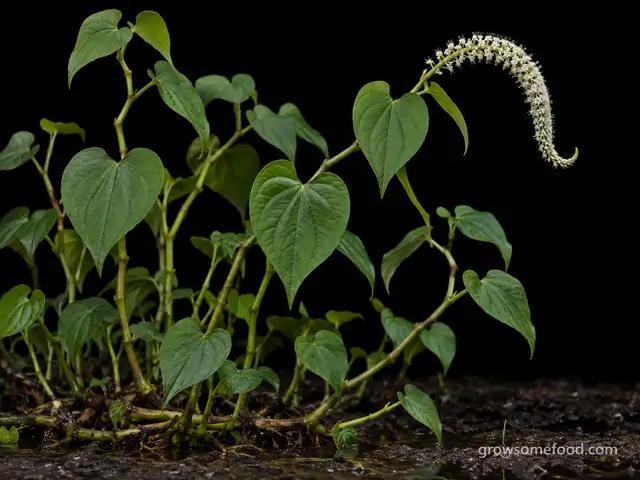
Lizard's tail (Saururus cernuus) solves a hard garden problem: what to grow in wet shade. A plant of shady swamps and stream banks across the eastern and southeastern U.S., it forms a lush groundcover of bold, heart-shaped leaves in the damp, dim places where most flowers fail - and then, in early summer, sends up its namesake nodding white flower tails, slender arching spikes of tiny fragrant flowers that curl at the tip like a lizard's tail.

It's a spreader, running by rhizomes into a weed-smothering mat wherever the ground stays wet, which makes it superb for naturalizing a pond edge, rain garden, bog, or shady wet corner - and something to contain in a small tidy bed. The flowers are lightly scented and draw small bees, the fall foliage can turn soft yellow, and the whole plant is tough, hardy, and low-care as long as it never dries out. For a shaded, soggy spot that needs a graceful native cover, lizard's tail is close to ideal.

At a glance

Sun
Part sun · Part shade · Shade
Water
High
Spacing
12–24 in (typ. 18)
Mature height
18–48 in (typ. 30)
Start by
Transplant · Cuttings · Division
Frost
Hardy
Spread
18–60 in (typ. 30)
Soil
Tolerates wet soil
Temperature
Damaged below -30°F · struggles above 95°F
Seed ready
90–140 days (typ. 110) (for saving)
Self-sows
Yes — expect volunteers

When to plant

Apr 10 – Jun 5
Primary TransplantSpring
Set out plants or divisions after last frost into constantly moist to wet soil in part to full shade; they establish quickly with ample moisture and spread into a groundcover over a season or two.
Mar 27 – May 8
Secondary TransplantSpring
Lift and divide the rhizome mat as growth resumes in spring and replant the pieces into wet, shady soil - the easiest way to make more plants.
Sep 15 – Nov 1
Secondary TransplantFall
In mild-winter zones, plant in early fall into wet shade so it establishes over the cool season before spring growth.

Zone 7a typical frost: last Apr 10 · first Oct 25 (spring frost runs Mar 27–Apr 24 in a typical spread of years)

Life stages

  1. Year 1 - rooting in day 0–60 from transplant
    • Keep it wet and shadedevery 4 d
      Lizard's tail is a plant of wet, shady stream banks and swamps. Plant it in constantly moist to saturated soil in part to full shade and never let it dry out; new plants sulk and crisp in dry or sunny sites.
    • Mulch to lock in moisture
      A layer of leaf mulch keeps the soil cool and damp, mimicking the woodland-swamp floor it comes from and helping a new plant settle in.
    Leaf scorch or crisping in too much sun or dry soilSlow first-year spread before it starts to run
  2. Spring & summer growth Apr, May, Jun (yearly)
    • Keep the soil constantly moist
      Consistent moisture is everything; lizard's tail thrives at a shady pond edge, in a rain garden, or in shallow standing water, spreading into a lush groundcover of heart-shaped leaves where the ground stays wet.
    • Let it colonize, or edge it to contain
      It spreads by rhizomes into a dense mat that shades out weeds - welcome that in a wet naturalized area, or slice around the patch and pull runners each spring to hold it in a defined spot.
    Rhizomes running into a spreading matAphids or leaf spot on crowded, dry-stressed foliage
  3. Early-summer bloom Jun, Jul, Aug (yearly)
    • Enjoy the nodding white flower tails
      The plant's namesake: slender, arching, nodding spikes of tiny fragrant white flowers that curl at the tip like a lizard's tail, held above the foliage for weeks and lightly scented. Small bees and other insects work them.
    • Leave it to self-sow and spread
      The flower tails ripen into knobby seed spikes. Leave them to self-sow and to let the colony thicken, or trim spent tails for tidiness - little else is needed at bloom.
    Fragrant white flower tails arching over the leavesSmall bees and pollinators visiting
  4. Fall & winter Jan, Feb, Mar, Sep, Oct, Nov, Dec (yearly)
    • Let it die back; note the fall color
      The heart-shaped leaves can turn soft yellow in fall before the plant dies back to its rhizomes for winter. It's fully hardy in the wet ground and needs no protection.
    • Cut back old growth in late winter
      Clear away the collapsed foliage in late winter before new shoots emerge, and take the chance to edge the patch and remove any rhizomes that have run too far.
    Self-sown seedlings and runners expanding the colony

Watch out for

Drought Stress High DisorderJun, Jul, Aug, Sep

Not a pest but a siting problem, and on a moisture-loving plant it is usually the thing that actually kills it. When the soil dries out, leaf edges brown and crisp, foliage wilts and drops early, flowering and fall color are cut short, and growth thins. Hot sun, wind and exposed positions make it worse by pulling water out faster than the roots can replace it. A plant that wants reliably moist or wet ground has no drought tolerance to fall back on, and young or recently planted ones have the least of all.

Watch for: Wilting on hot afternoons, browning and crisping along leaf edges and tips, premature leaf drop, collapsed flower stems, and thin, stunted growth - showing up first on young plants and on the driest, most exposed side of the planting.

Prevent: Match the site to the plant: put a moisture-loving species where the ground actually stays damp - a rain garden, pond edge, ditch, seep or low spot - rather than in an ordinary border you intend to keep watered. Mulch to hold moisture and keep the roots cool, water deeply through every dry spell while the plant is establishing, and avoid hot, windy, exposed positions.

Treat: Water deeply and consistently, then mulch. Mild wilting reverses within a day or two, but a prolonged drought sets a plant back hard and can kill a young one outright. If a plant scorches every summer, the site is wrong - move it to damper ground rather than trying to water it through.

Lizard's tail is a swamp plant and wants constantly moist to saturated soil in part to full shade. Too much sun compounds a dry site, and the leaf margins are the first thing to crisp.

Aggressive Rhizome Spread Medium DisorderMay, Jun, Jul, Aug

A shallow mat of running rhizomes expands every year into a dense monoculture that shades out woodland wildflowers. Any fragment left in the soil regrows, so partial digging thickens the colony instead of reducing it.

Watch for: Rhizomes running past the intended area, dense new shoots filling open water, and seedlings appearing in any bare wet mud downwind.

Prevent: Do not plant it; where it exists, install a deep physical barrier (8-10 inches) and keep it away from woodland edges. Remove berries to limit bird-carried spread.

Treat: Repeatedly cut stems below the waterline through a full season to drown the rhizomes, dig out the mats, or draw the water down; expect it to take persistence over more than one year.

Leaf Spot Low DiseaseJul, Aug, Sep

A catch-all for the various fungal leaf-spot diseases that blotch foliage in warm, humid, wet weather. They spot and yellow the leaves and sometimes bring on early leaf drop, and they are worst on crowded, shaded or overhead-watered plants and on anything already stressed. On a healthy, well-sited plant they are a cosmetic nuisance that comes and goes with the weather rather than a real threat.

Watch for: Small brown, dark, reddish or purple-bordered spots and blotches on the leaves during prolonged humid, rainy spells, sometimes enlarging and merging, with premature yellowing or leaf drop on the worst-affected growth.

Prevent: Give the plant airflow - space, thin or prune it rather than letting the growth mat together - avoid overhead watering, and water early in the day so the foliage dries. Rake up and remove fallen leaves, which is where these fungi overwinter, and keep the plant unstressed and properly watered.

Treat: Remove badly affected leaves and improve airflow; that is normally the whole of it. The plant flushes clean new growth once the weather turns. Fungicide is seldom warranted for a cosmetic leaf spot on an established plant.

Shows up on crowded or dry-stressed foliage late in the season. Keeping the soil evenly moist prevents most of it, since stress is what invites it here.

Good & bad neighbors

Plant nearby
Cardinal FlowerBoth love wet, part-shaded ground; cardinal flower's scarlet hummingbird spikes rise dramatically above lizard's tail's low white-flowered groundcover in a shady rain garden or pond edge.
Great Blue LobeliaShares lizard's tail's wet, part-shady conditions and adds blue late-summer spikes above the groundcover mat, extending the season of bloom in a shaded wet garden.
Royal FernA native wetland fern that thrives in the same wet shade, its bold fronds contrasting lizard's tail's heart-shaped leaves for a lush layered swamp-garden look.
Blue Flag IrisA pond-margin iris for the same wet ground, adding sword foliage and early-summer blue above the spreading lizard's tail carpet.Traditional pairing — evidence is thin.
PickerelweedPairs at a pond edge where lizard's tail covers the shadier saturated margin and pickerelweed stands in the sunnier shallow water just beyond.Traditional pairing — evidence is thin.
Keep apart

Varieties · 2

Chinese Lizard's Tail (Saururus chinensis)Zones 5a–9b

Green heart-shaped leaves with the topmost leaves whitening around the flower spikes.

related-speciesasianvariegated-bractswet-shadepond-plant

A related Asian species grown in water gardens, notable for the upper leaves near the flowers turning white as if painted, adding a bright splash at bloom time. Similar wet-shade, pond-edge culture to the native; not a North American native.

Lizard's Tail (Saururus cernuus)Zones 4a–9b

Bold heart-shaped leaves with slender nodding tail-like spikes of tiny white flowers.

speciesnativewhitewet-shadegroundcoverfragrantspreading

The wild species: heart-shaped leaves and arching, nodding, fragrant white flower tails on a spreading rhizomatous groundcover for wet shade. The standard native cover for shady pond edges, rain gardens, and boggy corners across the eastern U.S.

Grow

Constant moisture and shade are the keys: grow it in wet to saturated soil (even shallow standing water) in part to full shade, give it room to spread, and never let it dry out.

Lizard's tail wants two things - wet soil and shade - and rewards them generously. Site it in constantly moist to saturated ground, or even a few inches of shallow standing water, in part to full shade: a shady pond or stream edge, a bog, a rain garden that stays wet, or a low woodland-swamp corner. It tolerates part sun only where the soil is reliably wet, and it crisps and struggles in dry or bright sites. Rich, humusy soil suits it best, echoing the leaf-littered swamp floor it comes from.

Give it room to run: lizard's tail spreads by rhizomes into a dense groundcover, which is exactly what you want for covering a wet slope or naturalizing a pond margin, but means you should site it where that spread is welcome or edge and contain it in a smaller bed. Plant it from divisions or potted starts in spring, keep it wet through its first season, and it settles in fast and asks very little thereafter.

Care

Nearly carefree in wet shade: keep it moist, let it colonize (or edge it to contain), cut back old growth in late winter, and it returns and thickens on its own.

Once established in wet shade, lizard's tail is close to no-work. The single ongoing task is moisture - never let it dry out, and it will thrive with essentially no other attention. It needs no fertilizer in decent damp soil, has few pests, and doesn't flop or need staking.

The main management decision is spread. Where you want a groundcover, simply let the rhizomes run and the colony thicken, and it will shade out most weeds. Where you want it contained, slice around the patch each spring and pull the runners that have escaped, or grow it in a submerged basket at a pond edge. Leave the flower tails to self-sow and the foliage to color in fall, then cut back the collapsed growth in late winter before new shoots emerge. That's the whole of it - a tough, self-reliant native for the conditions most plants hate.

Harvest

Not a harvest plant - it's an ornamental wet-shade groundcover. The root has a folk-medicine (poultice) history, but nothing here is a food; enjoy the flower tails and leave them in place.

Lizard's tail isn't grown for harvest - it's a wetland ornamental and groundcover, and its 'yield' is a season of bold foliage and fragrant nodding flower tails that are worth far more standing than cut. There's no food here; the plant isn't eaten.

Its one traditional use is medicinal, not culinary: the root was used by Indigenous peoples and later folk practitioners as a poultice for wounds, sores, and inflammation (an old name, 'breast weed,' records such use), applied externally rather than eaten. This is a historical use to note, not to try - treat the plant as a beautiful, easy groundcover for wet shade, leave the flower tails for the small pollinators that work them, and let it self-sow and spread to fill its damp corner.

Storage

Nothing to store as food; save seed from the knobby spikes if you like (keep it moist), though the plant persists and spreads so readily by rhizome that division is far easier.

There's nothing to store as a crop. If you want to save seed, collect it from the knobby seed spikes as they ripen and keep it cool and slightly moist rather than bone-dry, sowing it fresh into wet soil - though seed is rarely worth the trouble given how easily the plant spreads on its own.

As a hardy perennial, lizard's tail stores itself in the wet ground over winter on its rhizomes and returns and thickens each spring, self-sowing modestly besides. A planting persists and expands with no intervention, so the practical way to 'bank' more of it is simply to lift and divide the rhizome mat in spring - each piece grows on into a new patch.

Propagation & seed saving

Easiest by division of the rhizome mat in spring; also from stem cuttings pinned into wet soil and from fresh seed. It self-sows and runs, so a patch multiplies on its own.

Lizard's tail is very easy to multiply. Division is the simplest method: in spring as growth resumes, lift a section of the rhizome mat, cut it into pieces each with roots and a shoot, and replant into wet, shady soil, where it grows on quickly. Because the plant runs, you can lift rooted runners from the edge of a colony almost any time in the growing season.

It also grows from stem cuttings - the jointed stems root readily where they touch moist soil, so a cutting pinned onto wet ground will take - and from fresh seed kept moist and sown into wet soil, though seed is slower and seldom needed. Between division, easy rooting, and self-sowing, lizard's tail propagates itself so freely that the usual concern is limiting its spread rather than achieving it.

Nutrition

Not a food plant - it has no established edible use and no documented food history, and is grown for cover and beauty in wet shade. Its value is ecological (a groundcover and small-pollinator plant for wetlands) and historical (a folk poultice herb).

Lizard's tail is not eaten and has no nutritional role - it has no established edible use and no documented food history, and is grown for its foliage and flowers, not the table. That is a different thing from poisonous: there is no documented poisoning record for it, so treat it as 'not a food' rather than as a hazard. Its value is ecological and, historically, medicinal.

Ecologically, it's a useful wetland plant: its dense rhizome mat stabilizes soggy soil and stream banks and shades out weeds, its fragrant flower tails feed small bees and other insects, and its cover shelters amphibians and other wet-ground wildlife at a pond or swamp edge. Historically, its root was a folk poultice herb for wounds and inflammation among Indigenous peoples and early settlers. Both roles are about what the plant does in and for a wet place, not what it provides to eat - its contribution is habitat, erosion control, and beauty in conditions few other plants can handle.

History

A traditional Indigenous and folk poultice herb of the eastern swamps, named for its curling flower spike; long known as a wetland groundcover and now valued for native wet-shade and rain gardens.

Lizard's tail has a quiet, long history rooted in the wetlands where it grows. Indigenous peoples of eastern North America and later folk practitioners used its root as a poultice for wounds, sores, swellings, and inflammation - the old name 'breast weed' points to such applications - making it one of the traditional medicinal plants of the southern and eastern swamps. Its evocative common names, from lizard's tail to water dragon to dragon's tail, all describe the same striking feature: the slender, arching, tail-like flower spike that curls and nods at its tip.

Never a major crop or medicine, it remained best known simply as a characteristic plant of shady swamps and stream banks. In the modern native-plant era it has found a clear garden niche: as one of the few graceful, spreading natives that thrives in wet shade, it's increasingly planted as a groundcover for rain gardens, pond edges, and boggy shaded corners, and for shoreline stabilization in naturalistic wetland plantings.

Troubleshooting

Almost every problem is too little water or too much sun (scorched, crisping leaves) or too much spread (it runs); keep it wet and shaded, and edge it to contain the rhizomes.

Scorched, crispy, browning leaves: too dry or too sunny - lizard's tail needs constantly wet soil and part to full shade; move it to a wetter, shadier spot or keep the soil saturated. Spreading beyond its bounds: it runs by rhizomes into a mat - welcome that where you want cover, or slice around the patch each spring, pull escaping runners, and grow it in a contained basket at a pond edge. Sparse, weak growth or no flowers: usually too dry, or occasionally too deeply shaded - ensure constant moisture and at least light or dappled shade. Leaf spots or aphids: minor issues on crowded or dry-stressed plants; improve moisture and airflow, and these rarely amount to much. Dying back in fall: normal - it's a hardy perennial that returns from its rhizomes in spring, often after a soft yellow fall color. Overall it's remarkably trouble-free as long as it's wet and shaded.

Growing across climates

Hardy across the eastern and southeastern U.S. (zones 4-9) wherever soil stays wet and shaded; its limits are dryness and sun, not cold or heat.

Lizard's tail is native across the eastern and southeastern United States and hardy roughly zones 4-9, with moisture and shade - not climate - setting its limits. Zones 4-6: fully cold-hardy; it dies back to its rhizomes and returns in spring, thriving in northern wet woods and pond edges. Zones 6-8: its comfortable heartland, forming lush groundcover in shady swamps, rain gardens, and stream margins wherever the ground stays wet. Hot South (zones 8-9): genuinely at home in the warm, humid swamps of the Southeast, and one of the better native groundcovers for wet shade there, though the soil must stay saturated through summer. Everywhere, the requirement is the same - wet soil and shade - and it fails on dry or sunny ground. Matched to a shaded, soggy spot, lizard's tail is an easy, dependable native from the North to the Deep South.

Grower tips

No grower tips for Lizard's Tail yet. Yours could be the first.

Connection interrupted

Reconnecting to GrowSomeFood

Keep this page open. We are trying to restore your garden session.

Attempt of . Retrying automatically.

Still offline

Could not reconnect

Your phone may have switched networks or gone to sleep. Try again when the signal is steady.

Session expired

Reload to continue

This garden session is no longer available on the server. Reloading will start a fresh session.