
Add it to your home screen and it opens full screen: no browser bars, one tap away, and everything stays signed in. Free, nothing to download from an app store.
- Tap the Share button in your browser
- Scroll down and choose “Add to Home Screen”
- Open GrowSomeFood from your home screen
- Open your browser’s menu
- Choose “Add to Home screen” or “Install app”
- Open GrowSomeFood from your home screen

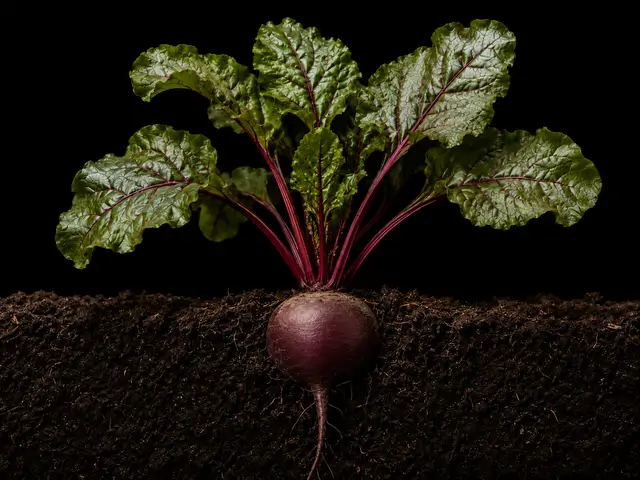
Beet
A two-crops-in-one cool-season root: sweet earthy roots below and nutritious chard-like greens above, easy from seed and forgiving of cold.
Safety notes Both root and leaves are edible. Beets are high in oxalates - people prone to kidney stones may want to moderate the greens. The red pigment (betalain) can harmlessly tint urine and stool pink. Infants: do not use home-prepared beet or beet-green puree for babies under about six months - vegetable nitrate can cause methaemoglobinaemia in very young infants; commercial baby food is nitrate-tested.
Overview
Beets give you two harvests from one planting - the sweet, earthy taproot below and a flush of tender, nutritious greens above (they're the same species as Swiss chard, just bred for the root). They're a cool-season crop, quick and forgiving, tolerant of light frost, and one of the easier vegetables to grow from seed directly in the garden.
The one thing to knowEach beet seed is a cluster, so thin the sprouts to one plant every few inches and eat the thinnings.
Quick facts
- Sprouts in
- 10 daysRange: 5–14 days
- Soil temperature
- 65 °FRange: 45–85 °F
- Height
- 12 inRange: 8–18 in
- Spread
- 8 inRange: 6–12 in
- Cold
- Takes light frostdamaged below 25°F
- Heat
- Struggles above 85°F
- Life cycle
- Grown as an annualBotanically a biennial
- Save seeds
- Second yearafter overwintering a few plants
- Soil
- Well-drained
- Water
- Medium
- Plant spacing
- 4 inRange: 3–6 in
When to plant
Nothing is open today. Spring sowing opens 5 months, Mar 20 to Apr 24.
- Direct sow Mar 20 – Apr 24 Opens in 151 daysAbout 3 weeks before to 2 weeks after your last frost (Apr 10 here)Sow from 2-3 weeks before last frost; young beets shrug off light frost.
- Direct sow Aug 16 – Sep 5 Opens in 300 daysAbout 10 weeks before to 7 weeks before your first frost (Oct 25 here)Fall beets maturing in cool weather are the sweetest - the roots store sugar as it chills.
Frost here: last around Apr 10 (Mar 27 to Apr 24 most years), first around Oct 25. Zone averages, your own yard may run a week or two either way.
Life stages
From the first start to harvest
Follow the growing sequence. Choose a stage to see its care and signs to watch for.
Stage 1 of 4 · The growing sequence
Germination
Day 0 to 10 from sowing
Care at this stage
-
Keep the seedbed evenly moist
Each 'seed' is a corky cluster of several seeds - soak them overnight before sowing and keep the bed damp to soften the shell for even sprouting.
-
Sow 1/2 inch deep in cool soil
Beets germinate down to 45°F. Cover lightly and keep the surface from crusting.
Stages can overlap; weather, variety, and growing conditions change the pace.
Harvest
- Root shoulders 1.5-3 inches across at the soil line
- Firm and rounded, not yet cracking
- Greens still glossy and upright (not a bolting stalk)
- Pull roots at 1.5-3 inches across
- Twist off tops, leaving an inch of stem
Per plant 1 root, 3 to 12 ozPicking pick as they ripen
Cook with beets
Watch out for
5 to know. None are high-risk for beets. None are active in October.
CutwormsSeverity Medium PestSeason: Apr–MaySeedlings and transplants toppled at the soil line overnight, or shoots chewed and notched near the base, with the severed tops left lying beside the stumps.
Beets are direct-sown into cool spring soil, exactly when cutworms are most active, and a beet seed is a cluster, so one loss takes several plants with it. Collars are awkward on a sown row - cultivating the bed ahead of sowing is the practical control.
Seedlings and transplants toppled at the soil line overnight, or shoots chewed and notched near the base, with the severed tops left lying beside the stumps. Dig an inch down within a few inches of the damage and you will usually find the culprit: a plump, dull gray-brown caterpillar that curls into a C when touched.
Dig around each fallen plant and destroy the caterpillar - left alone, one cutworm will fell another plant every night. Replant the gaps with collars fitted. Hand-picking after dark with a flashlight works well on a small bed, and a fast-growing crop soon outgrows the vulnerable stage.
Push a cardboard, foil or tin-can collar an inch into the soil around each seedling and transplant so the stem cannot be reached. Cultivate the bed a couple of weeks before planting to expose the larvae to birds and drying, and clear grassy weeds and debris, which is where the moths lay their eggs.
The soil-dwelling larvae of night-flying moths. They spend the day curled just under the surface and come out after dark to chew through young stems at soil level, felling seedlings and transplants outright - a toppled plant lying beside its own stump is the signature. Some species also climb to gouge and notch emerging shoots and spears. They are worst in freshly worked ground, in beds that were weedy or grassy the year before, and on the first plantings of spring.
Holly Leaf MinerSeverity Medium PestSeason: Apr–AugSquiggly white or tan tunnels and translucent blister patches inside the leaves, sometimes with a tiny maggot visible when a leaf is held up to the light, and small clusters of white eggs lined up on the leaf undersides.
The beet root is unaffected, so this only matters if you want the greens. Row cover from emergence is the control, since the flies cannot lay through it.
Squiggly white or tan tunnels and translucent blister patches inside the leaves, sometimes with a tiny maggot visible when a leaf is held up to the light, and small clusters of white eggs lined up on the leaf undersides.
Pick off and destroy mined leaves before the larvae mature, and do not compost them - the larva is inside the mine, so removing the leaf removes the insect. Sprays rarely reach it. On a plant that regrows fast, a hard cutback forces clean new growth, and row cover then protects the fresh flush.
Float row cover or fine mesh over the crop from sowing so the adult flies cannot reach the leaves to lay, crush egg clusters on the undersides when you find them, and clear the weed hosts nearby - lambsquarters, chickweed and wild dock are the usual reservoirs. Avoid broad-spectrum sprays, which kill the parasitic wasps that do most of the real control.
The larvae of small flies that tunnel between the upper and lower surfaces of a leaf, leaving winding pale trails and translucent blister-like blotches. Because the larva lives inside the leaf, sprays rarely reach it. On an ornamental or an established plant the damage is cosmetic; on a leafy crop it is a direct hit on the part you eat.
Cercospora Leaf SpotSeverity Medium DiseaseSeason: Jun–SepNumerous small circular spots, tan-gray in the middle with a dark purple ring, on older leaves first; heavy spotting and leaf collapse when severe.
Numerous small circular spots, tan-gray in the middle with a dark purple ring, on older leaves first; heavy spotting and leaf collapse when severe.
Remove badly spotted leaves promptly (the plant keeps producing clean new ones), improve airflow, and apply copper early in a wet, warm season if pressure is high.
Rotate out of beet/chard ground on a 2-3 year cycle, space for airflow, water at the base and in the morning, and clear infected debris at season's end.
The most common hydrangea disease, especially on bigleaf types in the humid Southeast: a fungus producing small purple-brown spots, often with tan centers, freckling the lower leaves first and spreading up the plant in warm, wet late-summer weather. Unsightly and defoliating in bad years, but rarely a serious threat to the shrub's life.
Flea BeetlesSeverity Low PestSeason: Apr–JunDozens of pinhead-sized round holes peppered across the leaves, thickest on the youngest, most tender growth.
Beets usually outgrow it - established plants tolerate the damage and grow straight through. Protect seedlings if pressure is high, and clear crop debris that shelters overwintering beetles.
Dozens of pinhead-sized round holes peppered across the leaves, thickest on the youngest, most tender growth. Tiny beetles that spring away as you brush the plants or lean in for a closer look - that jump is the identification. Seedlings that go lacy and stop growing, and transplants that sit and sulk instead of taking off. Damage heaviest in warm, dry weather and along the edge of a bed nearest weedy ground or last year's crop debris. On root crops, shallow narrow grooves or channels scarring the skin at harvest, from larvae feeding underground.
Row cover and healthy fast growth carry most crops through, and on an established plant the damage is usually cosmetic and needs nothing at all. Where a young planting is genuinely being stripped, kaolin clay coats the leaves and deters feeding, and spinosad will knock the beetles back. Spinosad is acutely toxic to bees while the spray is still wet - apply it at dusk when bees are not flying, never onto plants in flower, and follow the product label. Anything you spray must be labeled for the plant you are treating, and you must observe its pre-harvest interval on a crop you are picking. Yellow sticky traps are useful for telling you when the beetles have arrived. Where the damage falls on the part you eat, harvesting young often beats them outright; where you are growing for a root or a fruit, leaf damage can simply be tolerated. Larvae feeding underground cannot be reached by a foliar spray, so rotation and clean beds are what work against those.
Floating row cover or fine insect mesh, laid over the bed from the day of sowing or transplanting and sealed at the edges so nothing can walk in underneath, is the single best defense - and on the crops they favor it is close to essential. Leave it on until plants are large and growing strongly, or until flowering on anything that needs pollinating. Push growth: a well-watered, unchecked plant outgrows the damage, so the whole game is getting seedlings through their vulnerable weeks fast. Keep beds weed-free, since related weeds host the beetles alongside your crop, and clear crop debris at the end of the season where the adults overwinter. Rotate away from a bed that grew a related crop last year. Where you can, shift sowing dates - cooler-season and fall plantings often miss the peak of adult feeding entirely.
Flea beetles are tiny dark beetles - often shiny black or bronze, rarely more than a couple of millimeters long - with enlarged back legs that let them spring away like fleas the moment you lean in. The adults chew countless small round pits and shot-holes through leaves, giving the foliage a peppered, buckshot-riddled look. They overwinter as adults in leaf litter, hedgerows, and crop debris, emerge hungry in spring, and are worst in warm dry spells. The damage is mostly a seedling and transplant problem: a small plant with a few leaves can be checked, stunted, or killed outright, while the same plant shrugs them off once it is large and growing strongly. Different species specialize on different plant families, so the beetles hammering your brassicas are not the ones on your nightshades. Some species also have larvae that feed on roots and tubers underground.
AphidsSeverity Low PestSeason: May–AugDense clusters of tiny insects packed onto shoot tips, flower buds, and the undersides of young leaves.
Aphids seldom hurt the root - the concern is clean greens, so check the crown and leaf undersides before you eat them. A row cover over young plants keeps them off.
Dense clusters of tiny insects packed onto shoot tips, flower buds, and the undersides of young leaves. Curled, cupped, or distorted new growth that never opens properly. A sticky shine on the leaves - and on whatever sits under the plant - that later goes black with sooty mold. Tiny white cast skins left behind where a colony has been feeding. Ants running steadily up and down the stems, which is often the first thing you notice. Mottled, streaked, or misshapen leaves that do not grow out can mean a virus the aphids brought with them rather than the feeding itself.
Knock the colonies off with a hard jet of water and repeat every few days - on most plants that alone ends it. Pinch out or prune off the worst-infested tips rather than treating the whole plant. If colonies keep rebuilding, spray insecticidal soap or horticultural oil directly onto the insects, covering leaf undersides, and repeat weekly until they are gone; treat early or late in the day, and never spray a wilted or heat-stressed plant. Avoid broad-spectrum insecticides - they kill the ladybugs, lacewings, and parasitic wasps that were about to solve the problem for you, and aphid numbers usually come back worse afterward. Anything you spray must be labeled for the plant you are treating; follow that label and observe its pre-harvest interval. On anything you eat, wash leaves, heads, and buds well before use, since aphids hide down in crowns, folds, and tight growth.
Go easy on nitrogen: the soft, lush growth that heavy feeding produces is exactly what aphids breed on. Check new growth once a week through spring and early summer so you catch colonies while they are still small, and rub the first few out with your fingers. Leave flowering plants nearby and skip broad-spectrum sprays - ladybugs, lacewings, hoverflies, and parasitic wasps do most of this work for free, and they only stay if there is something for them to eat. Keep ants off the plant where you can, since they protect aphids from those predators. Water steadily so plants are not stressed, and check any new plant over before you bring it home or move it indoors, since aphids usually arrive on something else.
Aphids are small soft-bodied sap-suckers - green, black, gray, pink, or waxy white, and mostly wingless - that gather in dense colonies on the tenderest new growth: shoot tips, buds, and the undersides of young leaves. They breed extremely fast in mild weather, so a few can become hundreds inside a week. Their feeding curls and distorts soft growth, and the sticky honeydew they excrete coats everything below and turns black with sooty mold. Ants often farm and defend the colonies for that honeydew. A few aphids are normal on almost any plant and a healthy plant shrugs them off; only dense, persistent colonies do real damage, and some aphids also spread plant viruses as they feed.
Good & bad neighbors
All of these are traditional pairings. The evidence is thin, so treat them as a nudge, not a rule.
Plant nearby
-
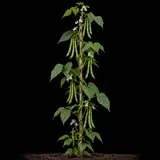
Beans fix nitrogen, and bush beans and beets share a bed well. Keep the beans away from the onions, not from the beets.
-
Brassicas and beets are traditional companions; beet greens are said to add minerals to the soil as they break down.
-
Shallow lettuce and beet share a bed without competing; quick lettuce is gone before beets need the room.
-
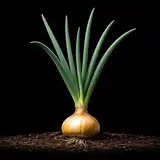
Alliums are traditionally interplanted to deter pests, and their upright growth uses different space than low beets.
Keep apart
-
Some growers report pole beans and beets stunt each other; bush beans are the safer legume near beets.
-
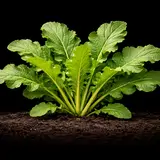
Traditional advice that mustard and field mustard compete with and may inhibit beets; thin evidence.
Varieties · 10
You pick one when you add Beet to your garden. Its days to maturity set your harvest window.
Round / Table 4 varieties
Detroit Dark Red
Good first pickThe benchmark garden beet since the 1890s: round, smooth, deep-red roots with sweet flavor and tender red-veined greens, dependable and a good keeper.
Variety details for Detroit Dark Red
Round, smooth, deep-red roots; green leaves with red veins.
heirloomredstorageThe default first beet.
Bull's Blood
Grown as much for its striking dark burgundy-purple foliage - a favorite baby-leaf salad green - as for its sweet ringed red roots.
Variety details for Bull's Blood
Deep red-purple leaves; round red roots with lighter internal rings.
heirloomredornamental-greensbaby-leafBeautiful and dual-purpose.
Cylindrical 1 variety
Cylindra
Also sold as 'Formanova' - long cylindrical roots that slice into uniform coins, prized for canning and pickling and for packing more beet into less row space.
Variety details for Cylindra
Long carrot-shaped deep-red roots, 6-8 inches, uniform diameter.
heirloomcanning
Storage / Keeper 1 variety
Lutz Green Leaf
The classic 'winter keeper': large roots that stay sweet and tender even at big sizes and store exceptionally well through winter, plus abundant green tops for cooking.
Variety details for Lutz Green Leaf
Large red roots; broad, light-green leaves with pale stems.
heirloomwinter-keeperlarge
Specialty Colors 4 varieties
Chioggia
The Italian 'candy cane' beet: cut it open to reveal concentric rings of red and white.
Variety details for Chioggia
Red-skinned round roots with red-and-white bullseye rings inside.
heirloomitaliannoveltynon-bleedingMild and sweet, it barely bleeds - the tidy choice for raw slicing and plating.
Golden
A gold-fleshed beet with mild, sweet, less-earthy flavor that doesn't bleed color onto everything - excellent roasted and for cooks who find red beets too intense.
Variety details for Golden
Golden-yellow flesh, orange-tinged skin, round roots.
yellownon-bleedingmildGermination can be a touch lower than red types.
Grower tips
Notes from growers, tagged with the zone they grow in. A person reads every post before it appears.
Nobody has posted about Beet yet. The first one usually saves someone a season.
Free account. Your post shows your grower name and zone, never your email.