
Add it to your home screen and it opens full screen: no browser bars, one tap away, and everything stays signed in. Free, nothing to download from an app store.
- Tap the Share button in your browser
- Scroll down and choose “Add to Home Screen”
- Open GrowSomeFood from your home screen
- Open your browser’s menu
- Choose “Add to Home screen” or “Install app”
- Open GrowSomeFood from your home screen

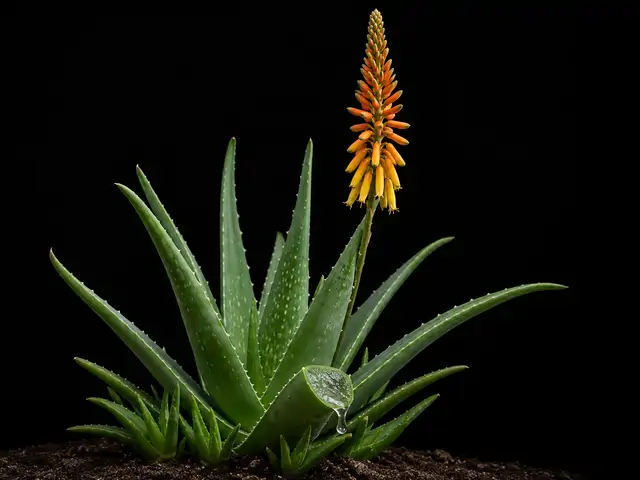
Aloe
The world's favorite houseplant medicine chest: a tough, drought-proof succulent whose clear inner leaf gel soothes minor burns - nearly unkillable except by overwatering, an easy sunny-windowsill plant in cold climates and a landscape succulent where it never freezes.
Safety notes Aloe vera's clear INNER gel is the useful part, soothing on minor burns and skin. Cautions: (1) Just under the skin is a bitter YELLOW LATEX (aloin), a strong laxative and irritant - drain/rinse it off and do NOT eat it; the rind isn't eaten either. (2) Ingesting aloe can cause cramping and diarrhea, and isn't advised in pregnancy or for children. (3) It is toxic to cats and dogs - keep pets away. (4) Don't confuse it with toxic look-alikes like Agave. Use the gel topically, not internally.
Overview
Aloe vera is probably the most useful houseplant in the world - a rosette of thick, spiky, gray-green succulent leaves that doubles as a living first-aid kit. Snap or slice open a mature leaf and the clear inner gel soothes minor burns, sunburn, and scrapes, a folk remedy so widespread it made 'aloe' a household word and a staple of skincare and after-sun products. It's also one of the toughest, most forgiving plants you can grow: drought-proof, thriving on neglect, and famously hard to kill - except by the one thing people do wrong, which is overwatering.
The one thing to knowAloe vera is probably the most useful houseplant in the world - a rosette of thick, spiky, gray-green succulent leaves that doubles as a living first-aid kit.
Quick facts
- Height
- 18 inRange: 8–24 in
- Spread
- 20 inRange: 10–36 in
- Cold
- Killed by frostdamaged below 32°F
- Heat
- Struggles above 105°F
- Life cycle
- Perennial, lives about 12 years
- Soil
- Well-drained
- Water
- Low
- Plant spacing
- 18 inRange: 12–24 in
When to plant
Nothing is open today. Spring transplanting opens 6 months, Apr 24 to Jul 9.
- Transplant Apr 24 – Jul 9 Opens in 186 daysAbout 2 weeks after to 13 weeks after your last frost (Apr 10 here)In cold-winter zones, grow aloe as a container houseplant: pot in cactus mix, set outside for the warm season after frost, and bring it indoors to a bright window before fall frost. This is the standard way most of the US grows aloe.
Frost here: last around Apr 10 (Mar 27 to Apr 24 most years), first around Oct 25. Zone averages, your own yard may run a week or two either way.
Life stages
Establish, grow, repeat
Getting established and returning each season are different parts of the story.
Stage 1 of 4 · Getting established
Rooting in (pot or ground)
Day 0 to 45 after transplanting
Care at this stage
-
Pot in gritty cactus mix and water sparingly
Plant aloe in a well-drained cactus/succulent mix in a pot with drainage holes (or gritty ground in frost-free zones). Water lightly to establish; aloe stores water in its leaves and rots fast in soggy soil. Let the mix dry out between waterings from the start.
-
Give it bright light
Aloe wants bright light - a sunny windowsill indoors, or full to part sun outside (acclimate gradually to avoid sunburn). Too little light makes it stretch, pale, and flop; it colors and stays compact in good light.
Months are typical seasonal windows; climate, variety, and plant age can shift them.
Harvest
- Mature, thick, plump outer leaves - large enough to spare a few for gel
- Take only outer leaves, a few at a time, and let the plant regrow between harvests
- Cut a thick OUTER leaf for gel - drain the yellow latex first · monthly
- Harvest sparingly and let it recover
Picking pick as they ripen
Watch out for
3 to know. 1 is high-risk: Root Rot. 2 are active in October.
Root RotSeverity High DiseasenowSeason: year-roundWilting in the middle of the day on a plant whose soil is damp - the classic tell, and the reason people water a rotting plant and finish it off.
The number-one killer of aloe by a wide margin, and worst in cool, low-light winter conditions. Gritty cactus mix, a pot with drainage holes, an emptied saucer and a strict dry-between-waterings routine prevent it. If it starts, unpot, cut away all rotted tissue, and let a healthy top or clean pups callus and re-root in dry gritty mix.
Wilting in the middle of the day on a plant whose soil is damp - the classic tell, and the reason people water a rotting plant and finish it off. Leaves yellowing from the bottom up, dull off-color foliage, and growth that stalls for no visible reason. Whole shoots, or one side of the plant, collapsing while the rest still looks fine. Soft, dark, or mushy tissue at the base of the stem or at the crown, sometimes with a sour smell. Lift a failing plant and look at the roots: healthy ones are firm and pale, rotted ones are brown or black and slimy, and the outer layer slips off between your fingers leaving a thread of core behind. Seedlings that topple over at soil level are the same problem, called damping-off.
There is no cure for tissue that has already rotted, so act on the conditions rather than looking for a spray. Stop watering at once and fix the drainage - open up compacted soil, or move the plant to a raised, sharply drained position or a container. Lift a badly affected plant, cut away every soft dark root and rotted section with a clean blade back to firm pale tissue, and replant only the healthy parts into fresh free-draining soil or mix. Often the better move is to give up on the plant and save its offspring instead: cuttings, offsets, or divisions taken from firm healthy growth root readily and give you a clean start. Bin the rotted material rather than composting it, and correct the drainage before you replant, because the rot comes straight back in the same wet spot.
Drainage is the whole defense. Match the plant to the site first - something that wants sharp drainage will not survive heavy clay or a low, water-collecting spot however well you tend it. Where the ground is heavy, plant on a raised bed, berm, or slope, or grow in a container. Set plants at the depth they were already growing, since burying the crown or the root flare is a common cause of rot, and keep mulch pulled back a few inches from the stem base instead of piled against it. Water the soil rather than the calendar: check that the top inch or two is dry before watering again, cut back hard in cool weather and winter dormancy, and never leave a pot standing in a full saucer. Do not plant or dig in soggy ground, and go easy on rich amendments for plants that want it lean. Rotate annual crops, and start with clean healthy plants and fresh mix.
Root rot is not one organism but a group of soil fungi and water molds - Pythium, Phytophthora, Fusarium, Rhizoctonia and others - that sit harmlessly in most soils and only turn destructive when the ground stays saturated. Waterlogged soil drives the air out, the roots suffocate, and the weakened tissue is invaded and goes soft, brown, and stringy. Because the damage is underground you usually see it first as something that looks like drought: wilting, yellowing, stunting, a plant that does not respond to being watered. Overwatering, heavy compacted ground, a low spot that collects runoff, a pot with no drainage or a saucer left standing full, and cold wet soil in winter are the usual causes. Once roots have actually rotted there is no cure - this is a problem you prevent rather than treat.
MealybugsSeverity Medium PestnowSeason: year-roundWhite cottony masses tucked into leaf axils, crevices and stem joints, which smear rather than brush off.
The most common aloe pest, especially indoors where nothing keeps them in check. They tuck into the leaf axils and bases; hard brown scale bumps turn up in the same places and are dealt with the same way.
White cottony masses tucked into leaf axils, crevices and stem joints, which smear rather than brush off. A sticky shine on the leaves and on the surface beneath the plant, later blackened with sooty mold. Ants running steadily up and down the stems - often the first thing anyone notices. Yellowing, stunted or distorted growth with no other obvious cause. On a plant that has been treated repeatedly and keeps declining, check the roots, because root-dwelling mealybugs are easy to miss entirely.
Deal with small colonies mechanically: dab them with a cotton bud dipped in rubbing alcohol, wipe them off with a damp cloth, or wash the plant down with a firm jet of water aimed into the crevices where they hide. For anything larger, spray insecticidal soap or horticultural oil directly onto the insects, which means getting into the axils and undersides where they actually live, and repeat every seven to ten days for at least three rounds, because the waxy coat protects them and contact sprays do not kill the eggs. Cut out badly infested growth rather than nursing it, deal with the ants at the same time or the colony rebuilds, and test any oil first, since it can burn foliage in heat.
Inspect new plants thoroughly before you buy, and quarantine anything you bring indoors for a few weeks - mealybugs almost always arrive on another plant rather than flying in. Check leaf axils and crevices every few weeks on anything grown under cover, since a colony found early is trivially dealt with. Control the ants that protect and spread them; a sticky barrier on a pot rim or a stem does a lot of work. Keep plants unstressed, avoid heavy nitrogen feeding, and do not leave them standing in hot, dry, stagnant air.
Soft, slow-moving sap-suckers that coat themselves and their egg masses in a white waxy fluff, so a colony looks like scattered specks of cotton wool rather than like insects. They wedge into the places hardest to see and hardest to spray - leaf axils, crevices, stem joints, leaf undersides, the base of the plant, and sometimes the roots - and feed there for weeks, weakening growth and excreting sticky honeydew that blackens with sooty mold. Ants farm them for that honeydew, carry them from plant to plant, and drive off the predators that would otherwise control them. Populations explode in warm, dry, still air, which is why indoor and greenhouse plants suffer worst.
Frost & Cold DamageSeverity Medium DisorderSeason: Nov–MarLeaves turning mushy, translucent, water-soaked, or brown/black after a cold night; collapse following an unexpected frost or a chilly draft indoors.
Leaves turning mushy, translucent, water-soaked, or brown/black after a cold night; collapse following an unexpected frost or a chilly draft indoors.
Trim off mushy, cold-killed leaves and keep the plant warm, bright, and on the dry side; a plant with an undamaged core often resprouts. Move it somewhere frost-free before further cold.
Treat aloe as frost-tender: bring potted plants indoors before the first fall frost, keep them above ~40F, away from freezing windowpanes and cold drafts, and in zones 9-11 avoid frost pockets and cold wet winter soil outdoors.
Not a pest but a defining risk for a tender succulent: aloe vera is damaged below about 40F and killed by hard freezes, its water-filled leaves rupturing and turning mushy. In cold climates, leaving it outside too late in fall (or against a cold window) is a common, avoidable loss.
Good & bad neighbors
Plant nearby
-
The New World counterpart to aloe's Old World rosette - similar sculptural form and identical love of full sun and sharp drainage; the two are classic partners in a dry succulent garden (aloe blooms freely, agave once).
-
Low stonecrops carpet the gritty soil around potted or planted aloe, sharing the same sharp drainage, bright light, and dry-loving habit - and softening the base of the aloe rosette.
- Traditional pairings, thin evidence
-
In a warm-climate dry garden, aloe and prickly pear share full sun, sharp drainage, and drought tolerance, their contrasting rosette-and-pad forms both anchoring a xeriscape planting.
-
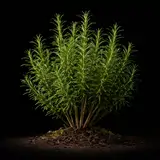
A Mediterranean-style pairing that shares aloe's love of full sun, lean sharply drained soil, and drought - useful together in warm-climate dry beds and on sunny sills, and rosemary adds pollinator flowers.
Varieties · 5
You pick one when you add Aloe to your garden. Its days to maturity set your harvest window.
Aloe vera (Aloe barbadensis miller)
The true medicinal aloe and the one to grow for gel: thick, upright, gray-green leaves with soft marginal teeth, forming clumps of offsets.
Variety details for Aloe vera (Aloe barbadensis miller)
Rosette of thick, upright, gray-green fleshy leaves with pale spots when young and soft edge teeth.
medicinalgelclassichouseplantThe species behind the skincare industry and the classic windowsill burn-plant. Blooms yellow in frost-free climates; grown as a houseplant elsewhere.
Aloe aristata / Aristaloe (Lace Aloe)
A small, hardy, ornamental aloe relative: tight rosettes of dark green leaves densely dotted white with soft lacy marginal teeth, and orange flowers.
Variety details for Aloe aristata / Aristaloe (Lace Aloe)
Small dense rosette of white-speckled dark-green leaves with soft white-toothed edges.
ornamentalcompactcold-toleranthouseplantThe hardiest aloe in common cultivation - rated to roughly 15-20F - and an excellent compact windowsill and rock-garden succulent, grown for looks, not gel. That rating assumes sharply drained, dry winter soil; wet cold kills it well above its stated minimum, so anywhere with damp winters keep it potted and bring it in.
Aloe maculata / saponaria (Soap Aloe)
A tough, showy ornamental aloe for warm-climate landscapes: broad triangular leaves boldly spotted, with striking branched heads of orange-red tubular flowers loved by hummingbirds.
Variety details for Aloe maculata / saponaria (Soap Aloe)
Rosette of broad, boldly white-spotted leaves with tall branched orange-red flower heads.
ornamentallandscapeshowy-flowerhardierHardier and more sun- and drought-proof than aloe vera - usually rated to about 25F - and a xeriscape favorite in zones 9-11. The rating assumes sharply drained, dry winter soil; wet cold kills it well above the stated minimum.
Aloe 'Blue Elf' (hybrid)
A popular compact hybrid aloe: tidy clumps of narrow blue-gray toothed leaves and long-lasting spikes of orange flowers that bloom for months and draw hummingbirds.
Variety details for Aloe 'Blue Elf' (hybrid)
Compact clumps of upright blue-gray leaves with bright orange flower spikes.
ornamentalcompactbluelong-bloomingTough, small, and floriferous - a top low-water landscape and container aloe for warm zones, hardy to roughly 25F. The rating assumes sharply drained, dry winter soil; wet cold kills it well above the stated minimum.
Aloe ferox (Cape Aloe)
A large South African tree aloe grown for drama and its own medicinal tradition: a single stout stem topped by a big rosette of thick spiny blue-green leaves and tall candelabras of orange-red flowers.
Variety details for Aloe ferox (Cape Aloe)
A tall single-stemmed aloe with a large spiny rosette and towering orange-red flower spikes.
tree-aloelargemedicinal-bittersshowyA bold architectural succulent for frost-free gardens. The bitter yellow leaf exudate is the source of Cape aloe bitters - a potent stimulant laxative carrying the same aloin cautions as aloe vera latex, and not something to prepare or take at home.
Grower tips
Notes from growers, tagged with the zone they grow in. A person reads every post before it appears.
Nobody has posted about Aloe yet. The first one usually saves someone a season.
Free account. Your post shows your grower name and zone, never your email.