Add it to your home screen and it opens full screen: no browser bars, one tap away, and everything stays signed in. Free, nothing to download from an app store.
- Tap the Share button in your browser
- Scroll down and choose “Add to Home Screen”
- Open GrowSomeFood from your home screen
- Open your browser’s menu
- Choose “Add to Home screen” or “Install app”
- Open GrowSomeFood from your home screen
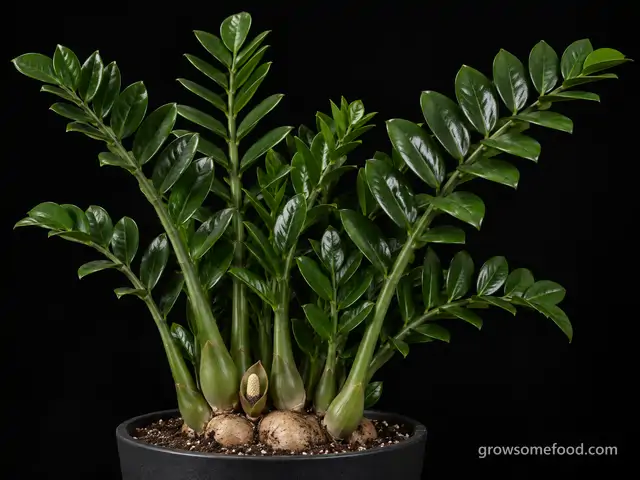
ZZ Plant
The other genuinely unkillable houseplant: glossy dark leaflets on upright stems, fed by potato-like underground rhizomes that let it shrug off months without water. One rule - it is not food, and a chewed leaf burns immediately.
Not food. Every part carries calcium oxalate raphides - needle-sharp crystals that fire into the mouth of anything chewing a leaf, causing immediate burning pain, drooling and swelling in cats, dogs and children. It is a painful mouth injury, not organ damage, and the pain usually stops an animal after one bite - but call a vet or poison control rather than waiting. Gloves when cutting; the sap irritates skin and eyes. The claim that ZZ plants are radioactive or cause cancer is false.
Overview
The one thing to knowUnder the soil sits a cluster of swollen, potato-like rhizomes that store water, and the leaflets are covered in a thick waxy cuticle that loses very little of it.
The ZZ plant (Zamioculcas zamiifolia) is what you buy when you have killed everything else. Thick, glossy, dark green leaflets ranked along stiff upright stalks, an outline somewhere between a cycad and a fern, and a tolerance for dim rooms and forgotten watering that rivals the snake plant. It arrived in Western homes only in the 1990s and is now in every office lobby in the country.
Its toughness has a plain mechanism. Under the soil sits a cluster of swollen, potato-like rhizomes that store water, and the leaflets are covered in a thick waxy cuticle that loses very little of it. A ZZ plant is running on its own reservoir, which is why it survives a forgotten month and why it drowns in a schedule. Overwatering is essentially the only way to kill one, and everything below follows from that.
The one rule is that it is not food. Like the rest of the arum family - pothos, philodendron, peace lily, dieffenbachia - every part contains calcium oxalate raphides, microscopic needle-shaped crystals held under pressure that fire into the mouth of anything that bites a leaf. The result is instant burning pain, drooling and some swelling, in cats, dogs and children alike.
Calibrate that honestly. It is a chemical burn in the mouth, not an organ poison, and the pain is so immediate that most animals take one bite and never come back. It is worth a phone call and it is not a race against a clock - nothing like a true lily (Lilium), which kills cats by destroying their kidneys with no warning pain at all. Somewhere along the way the internet also decided ZZ plants were radioactive, or so poisonous that touching one caused cancer. None of that is true. It is an ordinary oxalate houseplant, no more dangerous than the pothos beside it and rather less than the dumb cane.
Quick facts
- Life cycle
- Perennial, lives about 20 years
- Height
- 30 in12 to 48
- Spread
- 24 in12 to 36
- Cold
- Killed by frostdamaged below 55°F
- Heat
- Struggles above 100°F
Part sun or part shade or shade · low water · well-drained soil · 16 in apart (10 to 28) · transplant or cuttings or division
When to plant
Nothing is open today. Spring transplanting opens 6 months, Mar 15 to Sep 15.
- Transplant Mar 15 – Sep 15 Opens in 175 daysIndoors year-round; divide and repot in the warm half of the year, when a disturbed rhizome dries out and heals fastest. Outdoors it is only possible in zone 10a and warmer, in dry shade with sharp drainage - anywhere else it is a container plant that comes in before the first cold night.
Frost here: last around Apr 10 (Mar 27 to Apr 24 most years), first around Oct 25. Zone averages, your own yard may run a week or two either way.
Life stages
One stage to settle in, then two that repeat each year. Windows are typical; your zone and weather move them.
Potting up or settling a division
Day 0 to 60- WaterPot tight, in gritty mix, and wait before the first wateringUse a pot barely wider than the root ball, with a drainage hole. Those swollen rhizomes hold their own water supply, so a big pot full of damp mix is a reservoir the plant cannot use and will rot in. Cactus mix, or ordinary potting soil cut with a third perlite or coarse sand, is right. Water once to settle it, then leave it alone until the mix is dry right through.
- InspectAny light at all, from a dim hallway to a bright windowThis is one of the two plants that genuinely live in low light - a north window, an interior corner, a windowless office under fluorescent tubes. It grows faster and stands more upright in bright indirect light and takes no direct sun without scorching. What it will not take is cold: keep it above 55°F and off freezing glass.
- ProtectPut it where a cat cannot browse the new shootsNew ZZ stems come up soft, pale and tender before they harden, and that is exactly what a bored cat chews. The bite burns immediately and most animals never repeat it, but it is unpleasant and avoidable. Stand it on a plant stand or a sideboard rather than the floor, and keep any cut stems and leaflets bagged rather than left on a counter.
Watch for- An oversized pot holding wet mix
- Soft or shrivelling rhizomes at potting (rot from the old pot)
- Soft new shoots within a grazing cat's reach
New stems and leaf growth
Mar to Oct, every year- WaterWater only when the pot is dry right through, then soak itevery 3 weeksPush a finger two inches into the mix. If you feel any moisture at all, wait. When it is dry through, water until it runs from the drainage hole and empty the saucer. In most homes that is every two to four weeks in summer. Underwatering a ZZ plant is nearly harmless - it lives off its rhizomes - while overwatering it is the one reliable way to kill one.
- FertilizeFeed twice a year at mostA half-strength balanced houseplant feed once in late spring and once in midsummer is plenty, and none at all from autumn to early spring. ZZ plants grow slowly by design, and heavy feeding produces soft floppy stems that splay outward rather than more of them, plus a build-up of salts that browns the leaflet tips.
- InspectWipe the leaflets and look at the baseThose glossy leaflets are the plant's whole appeal and they collect dust that dulls them badly. Wipe both sides with a damp cloth every month or two. While you are there, look down at the soil line: that is where a new stem emerges as a pale pointed spear, and it is also where rot announces itself as a soft yellowing stalk base.
- PruneRemove a spent stem at the base, never mid-stalkA ZZ stem that has yellowed will not recover, and cutting it halfway leaves a bare stump that stays there. Follow it right down to the soil and cut it off flush with a clean blade, wearing gloves. The plant replaces it from the rhizome. The same goes for a stem broken in a doorway - take the whole thing, not the damaged half.
Watch for- Stems yellowing from the base upward (overwatering)
- Stems splaying outward and leaning (too little light, or overfeeding)
- Wrinkled dull leaflets (genuine drought - the rarer problem)
- White cottony mealybugs where the leaflets join the stalk
Winter rest
Nov to Feb, every year- WaterAlmost stop wateringIn short cool days a ZZ plant barely grows and barely drinks. Stretch watering to every six to eight weeks, or skip it altogether in a cold room. Cold mix plus water is the classic winter kill, and far more ZZ plants are lost in January than in July. Check the mix; do not follow a calendar.
- ProtectKeep it off cold glass and out of draftsLeaflets are damaged below about 50°F and a frost destroys the stems outright. Move pots back from windowpanes that ice up, away from draughty doors, and bring anything that summered outdoors back in well before the first cold night rather than on the night itself.
Watch for- Mushy translucent patches after a cold night
- Mix that has not dried out for a month or more
- Fungus gnats in mix kept damp through winter
Watch out for
5 to know. 1 is high-risk: Rhizome & Root Rot from Overwatering. 5 are active in September.
Rhizome & Root Rot from OverwateringSeverity High DiseasenowWhole stems yellowing from the bottom upward rather than at the tips; a soft, brown or foul-smelling stalk base that detaches with a gentle tug; mix that has stayed damp for more than a fortnight; and a plant that looks limp despite wet soil.
Whole stems yellowing from the bottom upward rather than at the tips; a soft, brown or foul-smelling stalk base that detaches with a gentle tug; mix that has stayed damp for more than a fortnight; and a plant that looks limp despite wet soil.
Unpot and cut away every soft rhizome and root back to firm white tissue with a clean blade. Let the cut surfaces dry for a day, repot the sound pieces in fresh dry gritty mix, and do not water for a week. If the whole cluster has gone, take clean sections of undamaged stems as cuttings and start the plant again - that usually works better than nursing the original.
Pot tight, in gritty free-draining mix, in a container with a drainage hole; empty the saucer after every watering; and water only when the mix is dry two inches down - every six to eight weeks through winter is entirely normal for this plant.
The one thing that reliably kills ZZ plants. The water-storing rhizomes rot in mix that stays wet, and because the damage begins underground the plant looks fine until whole stems yellow from the base and pull away. Worst in winter, in oversized pots, in pots with no drainage hole, and in dense peat-based mixes that hold water for weeks.
MealybugsSeverity Medium PestnowOn a ZZ plant they tuck in where each leaflet joins the stalk and down at the crowded base of the stems - check both, since the glossy leaflet faces almost always look clean.
White cottony specks where a leaf stalk meets the stem, sticky patches on leaves or the surface beneath the plant, black sooty film, and new growth that comes out puckered or stunted.
Dab each colony with a cotton swab dipped in rubbing alcohol, then spray the whole plant with insecticidal soap or horticultural oil, covering leaf undersides and joints. Repeat weekly for at least a month, because eggs keep hatching. Cut off badly infested growth rather than trying to save it.
Inspect any new plant carefully and keep it apart from the others for a few weeks, check leaf joints whenever you water, and wipe the leaves occasionally - most indoor infestations arrive on a new purchase and spread from there.
Small sap-sucking insects that hide as white cottony tufts tucked into leaf joints, along stems and under leaves. Indoors there is nothing to eat them, so a small infestation becomes a permanent one - they weaken growth, deform new leaves and coat everything below in sticky honeydew that turns sooty black.
Oxalate Burn from ChewingSeverity Medium DisordernowCalibration: ZZ sits at the mild end of the arum range - painful but self-limiting, and nothing like the kidney failure a true lily causes in cats or the days of throat swelling a dieffenbachia causes.
Pawing at the mouth, drooling, refusal to eat, retching, or swollen lips and tongue in a pet; a crying child near a chewed stem; and any change in breathing or in the voice, which is the sign that matters most.
Call a veterinarian, an animal poison line, or poison control rather than waiting to see how it develops. Rinse the mouth with water and follow the advice you are given. Go to an emergency clinic or emergency room at once if drooling will not stop, if swallowing is difficult, or if breathing or the voice changes. For sap in an eye, flush with running water for 15 minutes and be seen the same day.
Stand the plant on a table or a plant stand rather than the floor, and watch the soft pale new shoots in particular - they are the tender part and the part a cat goes for. Bag cut stems and leaflets straight away rather than leaving them on a counter, wear gloves when cutting, and give a plant-chewing animal a pot of cat grass of its own.
Every part of a ZZ plant, rhizomes included, contains calcium oxalate raphides - needle-shaped crystals held under pressure in specialised cells that fire on contact. Chewing a leaflet or stem drives them into the lips, tongue and throat, producing immediate burning pain, drooling, swelling and sometimes vomiting. Recovery within a few hours is the normal outcome and serious cases are rare, because the pain stops the animal or child at once. The sap also irritates skin and is genuinely painful in an eye. The widely repeated claim that ZZ plants are radioactive or carcinogenic is false and has no basis in any evidence.
Fungus GnatsSeverity Low PestnowGnats on a ZZ plant are a diagnosis in themselves: this plant should never be wet long enough to support them, so their presence means the watering is wrong and rot is probably already starting.
Little black flies around the pot and at nearby windows, and larvae - tiny translucent maggots with black heads - in the surface of mix that never dries out.
Dry the mix out further, hang yellow sticky traps to catch the adults, and for a persistent population water in a Bacillus thuringiensis subsp. israelensis product, which kills the larvae without harming the plant. Repeat until the traps come up empty.
Let the top inch or two of mix dry out between waterings, which breaks the life cycle on its own, avoid standing water in saucers, and top-dress with a layer of coarse grit or sand so adults cannot lay eggs at the surface.
Small dark flies that drift up from the pot when it is disturbed. The adults are harmless; their larvae live in the top inch of permanently damp potting mix and feed on organic matter and, when numerous, on fine roots. They are less a pest in their own right than a symptom that the mix is being kept too wet.
Spider MitesSeverity Low PestnowUncommon on a ZZ plant - the waxy leaflet surface is poor feeding - and almost always a midwinter problem where a radiator sits under the pot.
Fine pale speckling across the upper leaf surface, a dull bronzed cast to the foliage, and gossamer webbing in the leaf joints - hold a sheet of white paper under a leaf and tap it to see the mites drop.
Rinse the whole plant thoroughly under a shower, paying attention to leaf undersides, then treat with insecticidal soap or horticultural oil and repeat every five to seven days for three or four rounds to catch newly hatched mites.
Raise the humidity around the plant, keep it away from heating vents and radiators, and rinse or wipe the leaves regularly - spider mites struggle on foliage that is clean and not baking in dry air.
Nearly invisible mites that thrive in the hot, dry air of a heated house, feeding on the undersides of leaves and leaving a fine pale stippling that spreads until the whole leaf looks dusty and bronzed. Severe infestations spin fine webbing between leaves and stems.
Good & bad neighbors
First rule: keep True Lily (Lilium) apart. Not a growing conflict - a cross-reference for cat owners.
Plant nearby
-
Same discipline - gritty mix, tight pot, water only when dry right through - so they share a windowsill without one of them being drowned on the other's schedule. Aloe wants distinctly more light than a ZZ plant does, so give it the brighter end of the sill.
-
The other genuinely unkillable low-light plant, on the same water-only-when-bone-dry schedule, so they can be looked after as one job. Different mild toxicities worth keeping straight: a chewed snake plant leaf upsets a pet's stomach a day later through saponins, a chewed ZZ leaf burns its mouth immediately through oxalate crystals.
- Traditional pairings, thin evidence
-
A trailing plant to set against an upright one, tolerant of the same low light and carrying the same calcium oxalate crystals, so the safety rules are identical. Pothos wants noticeably more water than a ZZ plant - keep them in separate pots and water each on its own schedule rather than together.
Keep apart
-
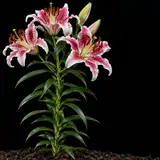
Not a growing conflict - a cross-reference for cat owners. A ZZ plant burns an animal's mouth and the pain stops it after one bite. A true lily gives a cat no warning pain at all and destroys its kidneys, from pollen or vase water alone. Do not carry the ZZ plant's mildness across to every plant in the house, and do not bring cut lilies into a home with a cat.
-
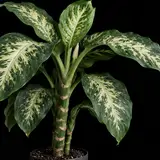
Not a growing conflict - a reasoning one. Both are arums carrying the same class of crystal, but they sit at opposite ends of the range: a chewed ZZ leaf is a painful mouth and a phone call, a chewed dieffenbachia leaf swells the tongue and throat for days. Do not let the ZZ plant's mildness set your expectations for the whole family.
Varieties · 5
You pick one when you add ZZ Plant to your garden. Its days to maturity set your harvest window.
Raven (Dowon)
Glossy near-black leaflets on dark stalks, with new growth emerging bright lime green before darkening.
darkslowmodernThe near-black ZZ plant, and the only one that looks meaningfully different: new stems emerge bright lime green and darken over several weeks to a glossy purple-black. That colour change catches everybody out - a Raven pushing up green growth has not reverted, it is simply young. Slower and slightly more expensive than the plain form, and it holds its colour best in good indirect light.
Zenzi
Short stout stalks packed with thick inward-curling dark green leaflets, under 18 inches.
dwarfcompactcurled-leafletsA dwarf cultivar under a foot and a half tall with short, stout stalks and leaflets that curve inward and overlap, giving a dense sculptural look quite unlike the airy standard plant. The best choice for a desk or a shelf, and small enough to keep up out of a cat's reach rather than on the floor.
Zamicro
Slim upright stalks with small closely set glossy leaflets, to about 18 inches.
dwarfcompactfine-leafletsA naturally dwarf form that keeps the proportions of the full-sized plant at roughly half the scale, with smaller, more closely spaced leaflets on slimmer stalks. Tidier and slower than the standard, and useful where an ordinary ZZ plant would simply be too large.
Variegata
Glossy leaflets irregularly marbled and blocked in cream, pale green and dark green.
variegatedslowneeds-brighter-lightunstableA variegated form with leaflets streaked and blocked in cream and pale green, sometimes with whole stems coming up nearly white. It is genetically unstable, so expect drift in both directions, and it needs distinctly brighter indirect light than the plain plant to hold the pattern. Slow, scarce and relatively expensive; entirely white stems have no chlorophyll and will not sustain themselves.
Chameleon (Lucky Gold)
Compact clump of glossy green leaflets with bright golden-yellow new stems that green over with age.
golden-new-growthcompactmodernA newer cultivar whose new stems come up bright golden-yellow and mature to ordinary green, so an established plant carries both colours at once. Effectively the reverse of Raven. It needs good indirect light for the gold to show properly and is otherwise grown exactly like any other ZZ plant.
Grower tips
Notes from growers, tagged with the zone they grow in. A person reads every post before it appears.
Nobody has posted about ZZ Plant yet. The first one usually saves someone a season.
Free account. Your post shows your grower name and zone, never your email.