Trillium

Trillium spp. · Melanthiaceae
Flower Perennial Herb Ornamental
Native to eastern and southeastern North America
Plant with care. Beautiful but famously slow - a trillium can take 7-10 years from seed to first bloom, and picking the single flower can starve and kill the plant. Never dig it from the wild (many are protected); buy only nursery-propagated stock.

Trillium is grown strictly as an ornamental woodland wildflower, not a food. The rhizome ('birthroot') was used in traditional medicine and is considered mildly toxic and emetic if eaten in quantity, so don't ingest any part. It is not a contact irritant and is safe to handle and enjoy. The most important 'safety' note is for the plant: never dig trilliums from the wild, and avoid picking the flower, which removes the plant's only leaves and can kill it.

Overview

The iconic three-petaled spring wildflower of eastern woodlands - a slow-growing, long-lived treasure built around threes, best bought nursery-grown and never dug from the wild or picked.

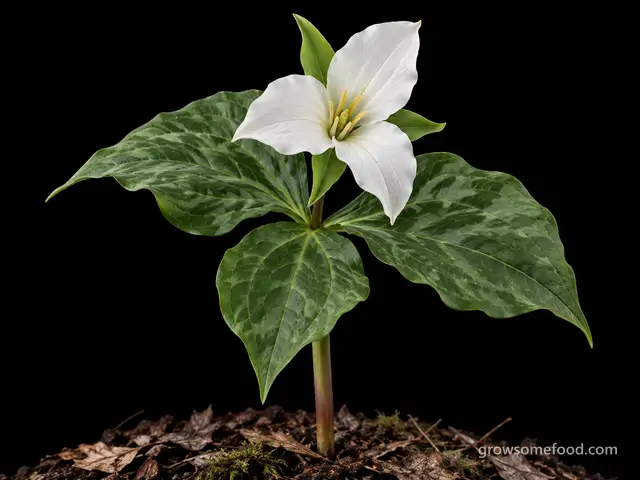
Trillium (Trillium) is one of the most beloved and instantly recognizable wildflowers of the eastern North American forest - a plant built entirely around the number three. A single stem carries a whorl of three broad leaves, and above them sits a single three-petaled flower, brilliant white in the classic great white trillium (T. grandiflorum), deep maroon in the stalkless 'toadshade' types like T. cuneatum. Its old name, wake-robin, marks it as a herald of spring.

It is also a lesson in patience and restraint. Trilliums are spring ephemerals that emerge, bloom, and die back before summer, resting the rest of the year as a rhizome. They are astonishingly slow - often 7 to 10 years from seed to first flower - and very long-lived, so a good colony represents decades of quiet growth. Two rules protect them: never dig them from the wild (many species are protected and wild-collected plants rarely survive), buying only nursery-propagated stock; and never pick the flower, because it usually tears away the plant's only leaves and can kill it outright. Grown well in a shady, humusy spot and left undisturbed, trillium is a woodland heirloom.

At a glance

Sun
Part shade · Shade
Water
Medium
Spacing
8–15 in (typ. 12)
Mature height
8–18 in (typ. 14)
Start by
Direct sow · Transplant · Division
Frost
Hardy
Germination
300–730 days (typ. 500) @ 45–70 °F (typ. 60)
Spread
8–15 in (typ. 12)
Soil
Consistently moist
Temperature
Damaged below -35°F · struggles above 95°F
Seed ready
90–130 days (typ. 110) (for saving)
Self-sows
Yes — expect volunteers

When to plant

Mar 27 – May 10
Primary TransplantSpring
Set out nursery-grown potted plants in spring into part-to-full shade and rich woodland soil; disturb the roots as little as possible, since trilliums resent being moved.
Sep 25 – Nov 15
Primary Plant tubersFall
Plant dormant rhizomes in fall about 2-3 inches deep in rich, moist, humusy shade, growing point up. Buy only nursery-propagated rhizomes - never wild-collected stock, which is often illegally dug and slow to recover.
Sep 10 – Oct 25
Secondary TransplantFall
Nursery divisions can also be planted in early fall so roots settle before winter; expect a slow, patient establishment either way.

Zone 7a typical frost: last Apr 10 · first Oct 25 (spring frost runs Mar 27–Apr 24 in a typical spread of years)

Life stages

  1. Settling in (be patient) day 0–700 from transplant
    • Keep the woodland soil evenly moist
      Set a nursery-grown plant or dormant rhizome into rich, humusy, moist-but-drained woodland soil and keep it evenly moist. Trilliums establish slowly - do not expect fast growth or much spread; a new plant may simply hold its ground for a year or two before it settles.
    • Mulch with leaf litter and don't disturb
      Top-dress with a layer of shredded leaves or leaf mold to mimic a forest floor, keep the soil cool and moist, and feed the rhizome slowly. Once planted, leave trilliums undisturbed - they resent being moved and take years to recover from disturbance.
    Very slow establishment (normal - patience is the whole game)Rhizome sitting dormant through a dry summerSlugs on emerging shoots
  2. Spring emergence Mar, Apr (yearly)
    • Watch the three-leaf whorl unfurl
      Each spring a single stem pushes up and unfurls its signature whorl of three broad leaves. Those three leaves are the plant's entire solar panel for the year - protect them, because losing them (to picking, deer, or damage) starves the rhizome.
    • Guard emerging shoots from slugs and deer
      Fresh shoots are a favorite of slugs and deer. A ring of leaf mulch, slug control, or light deer deterrence around emerging plants protects the leaves the plant depends on.
    Deer browsing the whole shoot (a serious setback)Slug holes in the new leavesA non-flowering single- or three-leaf juvenile (years from blooming)
  3. Spring bloom Apr, May (yearly)
    • Enjoy the flower, but never pick it
      The single three-petaled flower sits above the whorl of three leaves - white in T. grandiflorum (often aging to pink), maroon in the stalkless toadshade types. Enjoy it in place: picking the flower usually takes the leaves with it and can kill a plant that took years to bloom.
    • Let ants disperse the seed
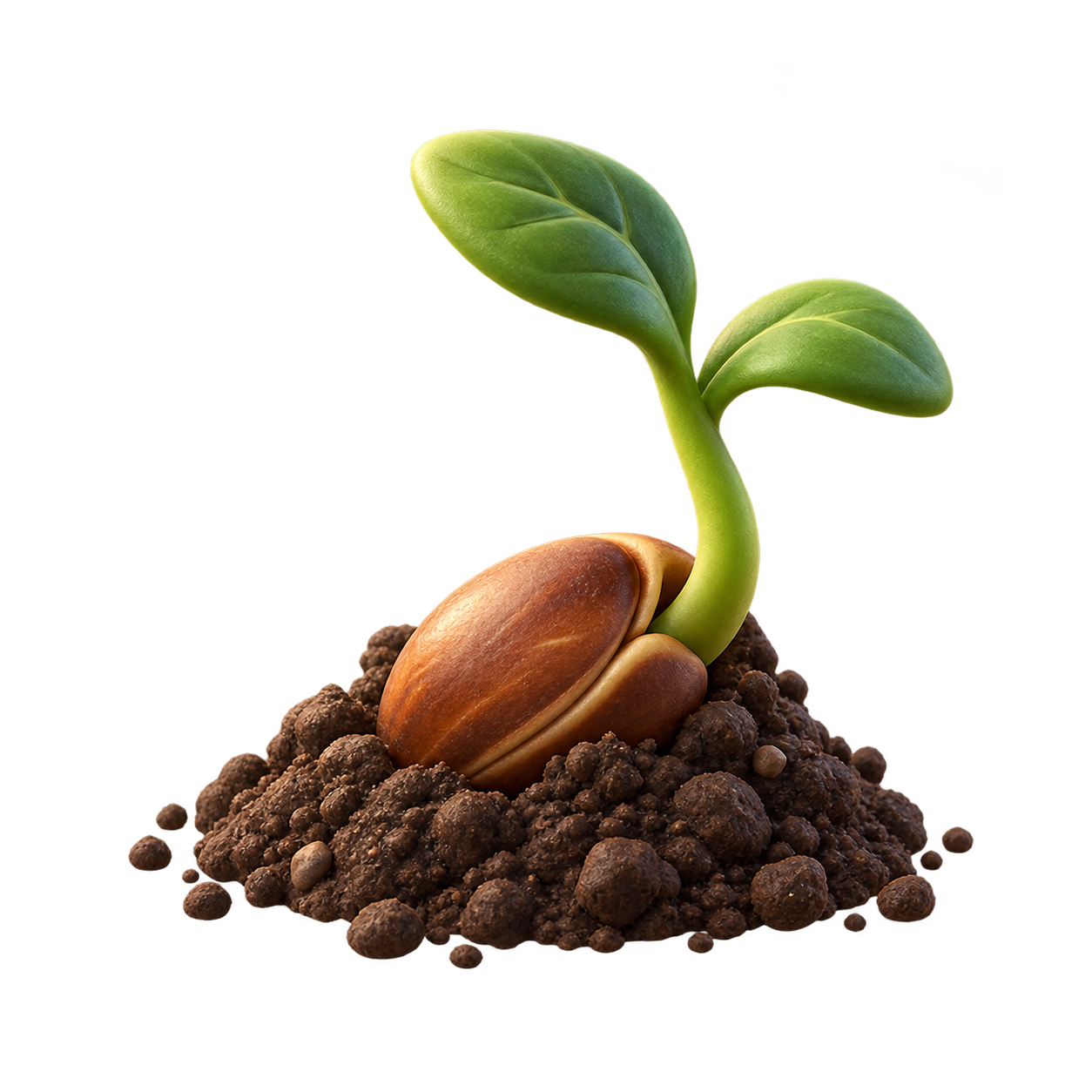
      After bloom, seeds form with a fatty appendage (elaiosome) that ants carry off and 'plant' - the natural way trilliums spread through a woodland. Leave the developing seed capsule if you want a colony to expand on its own.
    Flowers aging from white to pink (normal for T. grandiflorum)Green streaking in the petals (can indicate a mycoplasma infection)Ants carrying off ripe seed (a good sign)
  4. Summer & winter dormancy Jan, Feb, Jun, Jul, Aug, Sep, Oct, Nov, Dec (yearly)
    • Let it die back and rest
      As a spring ephemeral, trillium yellows and dies back by early-to-mid summer once the tree canopy closes, then rests as a rhizome for the remainder of the year. Mark its spot so you don't dig into it - the rhizome is easy to damage while invisible.
    • Refresh leaf litter in fall
      Let autumn leaves lie or add leaf mold over the dormant crowns to feed and insulate them. Trilliums are fully cold-hardy and need no other winter care.
    Foliage disappearing by midsummer (normal ephemeral dormancy, not death)Accidental digging into dormant rhizomes

Watch out for

Wild Collection (Poaching) High DisorderMar, Apr, May, Jun, Jul, Aug, Sep, Oct

Not a pest but the greatest threat to trilliums: digging plants from the wild. Wild-dug trilliums transplant poorly, wild populations take a decade or more to rebuild, and much cheap 'nursery' trillium is actually unsustainably or illegally collected - depleting forests for plants that often die anyway.

Watch for: Wild plants being dug or flowers being picked; nursery plants of dubious origin that may actually be wild-collected.

Prevent: Never dig or pick wild lady's slippers; buy only reputably nursery-propagated stock; leave wild colonies undisturbed and discourage others from collecting.

Treat: There is no fix once a plant is dug and fails - prevention is everything. Report illegal collection on protected land, and support nursery propagation and habitat protection instead.

Deer Browsing High WildlifeMar, Apr, May

Deer relish trilliums and will bite off the entire shoot - flower and all three leaves - in a single browse. Because the leaves are the plant's only food source for the year, heavy deer pressure starves the rhizome and can wipe out colonies over time; deer overpopulation is a leading cause of trillium decline in the wild.

Watch for: Cleanly bitten-off stems in spring, whole shoots missing, and dwindling colonies where deer are abundant.

Prevent: Fencing, repellents, or siting trilliums in protected spots; reduce browse pressure where possible.

Treat: Protect surviving plants and let them rebuild their reserves; a browsed plant needs its leaves back the next year to recover, so prevention is everything.

Slugs & Snails Medium PestMar, Apr, May

Slugs and snails are nocturnal mollusks that rasp ragged holes in soft leaves, shear off seedlings at ground level, and chew into ripe fruit that touches the soil. They feed at night and in the early morning and spend the day hidden under boards, pots, dense mulch, leaf litter, and low foliage, becoming active in exactly the cool, damp, shaded conditions that suit young plants. Damage is heaviest in wet spells and on tender spring growth: a single wet week can erase a row of seedlings while an established, tough-leaved plant of the same species is barely marked. They lay clusters of small pearly eggs in damp soil and under debris, so a garden with plenty of cover carries a resident population year after year rather than being invaded from outside.

Watch for: Irregular ragged holes chewed out of the middle of leaves and along the edges - not the clean-edged cuts a caterpillar leaves. Seedlings that vanish overnight, or that are cut off at soil level with nothing left behind. Silvery dried slime trails across leaves, soil, pots, and paving in the morning: this is the giveaway that tells you it was mollusks rather than an insect. Chewed pits in ripe fruit, especially where it rests on the ground. Damage that shows up on the lowest, dampest leaves first and gets worse after rain or evening watering. Turn over a board, an upturned pot, or a clump of dense mulch during the day and look for the animals themselves sheltering in the cool underneath.

Prevent: Take away the daytime shelter first: lift boards and upturned pots, clear piles of debris, keep dense mulch pulled back from crowns and stems, and give crowded plantings enough airflow to dry out. Water in the morning rather than the evening so the surface is dry by the time they come out. Copper tape around containers and raised beds gives them a shock they will not cross, and it is the one barrier that reliably works. Get plants past the vulnerable stage quickly - start seedlings in pots and set them out at a decent size rather than direct-sowing into a cold wet bed, since most plants stop being worth defending once the leaves toughen. Leave the ground beetles, frogs, toads, and ground-feeding birds alone, because they eat mollusks all night for free and broad-spectrum slug pellets kill them too. Where thick-leaved or resistant varieties exist for what you are growing, they take far less damage.

Treat: Hand-picking works and costs nothing: go out an hour after dark with a headlamp, drop what you find into soapy water, and repeat nightly for a week or two - persistence is what wins, not any single product. Shallow beer traps sunk to soil level catch them too, but need emptying and refilling daily to be worth anything. Iron-phosphate bait is the standard control and is far lower-risk around pets and wildlife than the old metaldehyde products, but it is not harmless: many formulations include EDTA, and a dog that eats a quantity of pellets can develop iron toxicosis. Scatter it thinly per the label, never in piles, and keep dogs off a baited bed. Clear fallen foliage and debris in autumn, where the eggs are laid. In a wet climate this is a population you manage each season rather than one you eradicate - and on most established plants light grazing is cosmetic and needs nothing at all.

This one matters more than it looks: a trillium has only a few leaves and depends on them entirely, so slug damage in a wet spring genuinely sets the plant back. Bait or patrol around emerging shoots in wet springs rather than waiting to see.

Mycoplasma (Petal Greening) Low DiseaseApr, May

A phytoplasma/mycoplasma-like infection that causes trillium petals to turn green and distorted, sometimes with weakened growth - occasionally seen in wild and garden plants.

Watch for: Green streaking or fully green, malformed petals and stunted, off-looking growth.

Prevent: There is no cure; control is by removing infected plants to limit spread.

Treat: Dig and destroy badly affected plants to protect nearby healthy trilliums; there is no chemical treatment.

Good & bad neighbors

Plant nearby
Wild VioletA low native groundcover for the same moist, humusy shade; violets carpet the ground around trilliums and share the ant seed-dispersal that knits a spring-ephemeral community together.
BloodrootA fellow early spring ephemeral of rich woods - both emerge, bloom, and die back together, and both are ant-dispersed, making a classic native woodland pairing.
Christmas FernAn evergreen native fern that fills the space and holds the shady bed together after the ephemeral trilliums go dormant in summer - a practical cover-the-gap partner.
FoamflowerA native woodland groundcover with the same part-to-full-shade, rich moist soil needs and overlapping spring bloom, weaving nicely among trilliums.
HostaA practical shade companion whose broad leaves expand to fill the gap as trilliums die back, sharing the same cool, moist, humus-rich conditions.Traditional pairing — evidence is thin.
Keep apart

Varieties · 5

Stalked trilliums (T. grandiflorum, T. erectum) 2 varieties
Great White Trillium (Trillium grandiflorum)Zones 4a–8a

Large white three-petaled flowers, aging pink, above a whorl of three broad green leaves.

speciesnativewhitelarge-floweredshowyshadeconservation

The classic and showiest trillium: a large pure-white three-petaled flower held on a short stalk above the whorl of three broad leaves, often aging to soft pink. The emblematic woodland trillium: the state wildflower of Ohio (Ohio's state flower is the scarlet carnation) and the provincial flower of Ontario. Slow, long-lived, and best in cool, moist shade.

Red Trillium / Wake-robin (Trillium erectum)Zones 4a–8a

Deep maroon-red three-petaled flower on a stalk above three broad leaves.

speciesnativemaroon-redstalkedearlywoodland

A widespread eastern trillium with a nodding-to-outfacing deep maroon-red (occasionally white or yellow) flower on a distinct stalk above the leaves. Sometimes called 'stinking Benjamin' for its faintly carrion scent that draws early flies. Tough and adaptable in cool shade.

Sessile southeastern trilliums (toadshades) 2 varieties
Toadshade / Sweet Betsy (Trillium cuneatum)Zones 5a–8b

Erect maroon petals sitting stalkless on handsomely mottled three-leaf whorls.

speciesnativemaroonstalklesssessilemottled-foliagesoutheastern

A robust southeastern sessile (stalkless) trillium whose upright maroon-to-bronze petals sit directly on mottled, silver-marbled leaves. More heat-tolerant than the great white trillium and excellent for southern woodland gardens, with a faint spicy scent.

Yellow Trillium (Trillium luteum)Zones 5a–8b

Erect lemon-yellow petals on stalkless, softly mottled three-leaf whorls.

speciesnativeyellowsessilefragrantmottled-foliagesoutheastern

A southeastern sessile trillium with upright lemon-yellow petals and lightly mottled leaves, carrying a pleasant lemony fragrance. A cheerful, heat-tolerant choice for the southern woodland garden and a good companion to the maroon toadshades.

Acid-soil specialist (painted trillium) 1 variety
Painted Trillium (Trillium undulatum)Zones 3a–7a

White three-petaled flowers marked with a red-magenta chevron at the base of each petal.

speciesnativewhite-with-redacid-lovingcool-climatechallenging

A striking cool-climate trillium with wavy white petals brushed with a crimson V at the center. Beautiful but demanding - it needs cool, moist, strongly acidic humus and is difficult outside its northern/mountain range, so it's best left to expert woodland gardeners.

Grow

Give it rich, moist, humusy shade like a forest floor, plant nursery-grown stock, and then be patient and leave it alone - trilliums grow and spread very slowly and resent disturbance.

Trilliums want you to recreate a forest floor: part to full shade, and rich, moist-but-well-drained, humusy soil full of decayed leaves, ideally slightly acidic to neutral. That last part is species-specific: painted trillium (T. undulatum) is the exception and needs strongly acidic humus, roughly pH 4.5-5.5 with conifer duff or pine needles, so check the variety before you amend the bed. They are woodland understory plants, so a spot beneath deciduous trees or on the shady north side of a house, kept cool and never baked, suits them well. Work in leaf mold or compost before planting and mulch with shredded leaves.

The single most important growing decision is your source: buy only nursery-propagated plants or rhizomes, never wild-dug ones (much wild trillium sold cheaply is illegally collected, and it transplants poorly). Plant dormant rhizomes 2-3 inches deep in fall, or set out potted plants in spring, disturbing the roots as little as possible. After that, the main task is patience: trilliums establish and spread slowly and dislike being moved, so pick the right spot once, keep it moist and mulched, and let the colony build over years.

Care

Almost no active care - keep it moist and mulched, protect the leaves from slugs and deer, and above all leave it undisturbed; never pick the flower or dig the plant.

An established trillium asks for very little beyond the right conditions. Keep the soil evenly moist through spring growth (it can go dry once it's dormant in summer), refresh the leaf-litter mulch each fall, and otherwise leave it strictly alone - trilliums resent disturbance and take years to recover from being dug or divided. No fertilizer is needed in decent woodland soil; leaf mold does the job.

The care that matters most is protecting the three leaves. Those leaves are the plant's entire food factory for the year, so never pick the flower (it usually takes the leaves and can kill the plant), and guard emerging shoots from slugs and deer, both of which relish them. A single bad browse can set a plant back for years. Mark the plant's location so you don't accidentally dig into the invisible dormant rhizome in summer. Do these few things and a trillium will outlive the gardener.

Harvest

Not a harvest plant at all - it's a slow woodland treasure to enjoy in place. Picking the flower can kill it, and the only thing worth collecting is ripe seed to sow.

Trillium is emphatically not a plant to harvest - it's grown to be enjoyed where it stands, and it is famously fragile in exactly this respect. Picking the flower is the classic mistake: because the flower stalk usually pulls the three leaves with it, cutting or picking a trillium removes the plant's entire means of feeding itself and can kill a plant that took a decade to bloom. Admire it, photograph it, but leave it rooted.

The one thing you might 'harvest' is seed, if you're propagating trilliums. Watch the seed capsule ripen and soften in early summer; you can collect the seeds (each with a fatty ant-attracting appendage) and sow them fresh, though germination is slow and erratic and the resulting plants are many years from bloom. For nearly all gardeners, the better path is to buy nursery-propagated plants and let established colonies expand on their own by ant-dispersed seed.

Storage

Nothing to store as food; trillium seed must be sown fresh and never dries well, and the plant persists in the ground for decades as a slow-growing rhizome.

There is nothing to store as food, and even trillium seed does not store the way many seeds do: it is best sown fresh, as soon as it ripens in early summer, because it loses viability quickly if allowed to dry out. Fresh seed sown in a shaded nursery bed needs one or two winters of cold before it even germinates, and then years more before flowering - so 'storage' really means sowing promptly and waiting.

As a perennial, trillium 'stores itself' beautifully in the ground: it persists as a durable rhizome for decades, dying back to that rhizome each summer and returning every spring. A well-sited colony is effectively a permanent, self-renewing planting that needs no lifting, dividing, or winter protection - just an undisturbed, humus-rich, shady home.

Propagation & seed saving

Slow and patient work: sow fresh seed (years to bloom) or very carefully divide old rhizomes - but for most gardeners, buying nursery-propagated plants is the honest, ethical route.

Propagating trillium is a project in patience. From seed, sow fresh (never dried) in a shaded, moist nursery bed; the seed typically needs a warm-then-cold cycle over one or two winters to germinate, and seedlings then take 7 to 10 years to reach flowering size. Division of the rhizome is possible on old, congested clumps - lift after the foliage dies back, cut the rhizome into pieces each with a growth bud, and replant immediately - but trilliums resent disturbance and divisions are slow to recover, so it's done sparingly.

Given all this, the honest advice for most gardeners is to buy nursery-propagated plants and let established colonies expand naturally by ant-dispersed seed. Whatever you do, never collect plants or rhizomes from the wild: wild trillium populations are slow to rebuild, many species are legally protected, and much 'wild-collected' nursery stock is unsustainably or illegally dug. Ethical, nursery-propagated sources are the only responsible way to add trilliums to a garden.

Nutrition

Not a food plant - trillium is an ornamental woodland wildflower whose real value is ecological: an early-spring bloom and an ant-dispersed link in the forest food web.

Trillium isn't eaten - it's a strictly ornamental woodland wildflower, and its rhizome is mildly toxic, so no part is a food. Its value is ecological and aesthetic rather than nutritional. As an early-spring bloom, it offers pollen and nectar to bees and other early insects at a lean time of year.

Its most fascinating ecological role is in seed dispersal: trillium seeds carry a fatty appendage called an elaiosome that ants carry back to their nests, eat, and discard - effectively planting the seed a little distance from the parent. This ant partnership (called myrmecochory) is how trilliums slowly spread across a forest floor, and it's one reason they recover so slowly when disturbed. As a keystone of the spring-ephemeral community, trillium is a small but meaningful thread in the woodland food web, feeding early pollinators and ants and marking a healthy, mature forest.

Traditional & historical uses

Trillium's folk name 'birthroot' (or 'beth root') records a real medicinal past: Indigenous peoples and later herbalists used the astringent rhizome to aid childbirth and control bleeding, and it appeared in old US pharmacopoeias. But the rhizome is mildly toxic, harvesting it kills a slow, long-lived plant, and wild trilliums are protected. Historical only - educational, not medical advice.

This section records how people have traditionally used this plant, and what is known about the risks. It is history and general information — not medical advice, and not a recommendation to treat anything. Plants are not dosed like medicines, some interact with prescriptions, and some are harmful in ways that are not obvious. Talk to a clinician before using any plant medicinally.

Trillium carries its medicinal history in one of its common names: birthroot (also rendered 'beth root'). Various Indigenous peoples of eastern North America, and later Euro-American herbalists and the nineteenth-century eclectic physicians, used the rhizome of trilliums (especially the red Trillium erectum) as a powerful astringent — to ease childbirth, to check excessive menstrual and postpartum bleeding, and for other hemorrhages, coughs, and skin irritations. 'Beth root' was a recognized botanical drug that appeared in official pharmacopoeias, its astringency owed to tannins and steroidal saponins in the root.

Two honest cautions frame this today. First, the rhizome is considered mildly toxic and emetic if taken carelessly, so it was never a casual remedy. Second, and just as important, harvesting trillium destroys the plant: a trillium can take seven to ten years to reach flowering size, many species are legally protected, and wild-digging has helped drive their decline — so gathering wild rhizomes for medicine is both harmful and, in many places, illegal. This is a historical and conservation-minded account, not a recommendation. Enjoy trillium as the woodland treasure it is, and leave the rhizome in the ground. Educational information only, not medical advice.

History

A cherished symbol of the eastern forest with a traditional-medicine past ('birthroot'), now a conservation emblem - the plant most people are taught never to pick.

Trillium has long been woven into the culture of the eastern woodlands. Various Indigenous peoples used the rhizome of certain species medicinally, especially in childbirth, giving rise to the folk name 'birthroot' (a corruption sometimes rendered 'bethroot'); it was a mildly toxic, carefully used traditional remedy, not a food. Settlers admired it as one of the first and finest flowers of spring, and the name wake-robin captured its role as a herald of the season.

In modern times trillium has become an emblem of woodland conservation. The great white trillium is the official flower of Ontario, and across its range trilliums are widely protected, with laws and long-standing custom discouraging picking or digging them. Their extreme slowness to recover from disturbance made them a natural symbol for 'leave no trace' woodland ethics - the flower that generations of children have been taught to admire but never pick. Today they are treasured native-garden plants, propagated by specialist nurseries precisely so gardeners can enjoy them without harming wild populations.

Troubleshooting

Most problems trace to disturbance, deer/slugs eating the leaves, or simple impatience; the flower turning pink is normal, and non-flowering plants are just young.

It's not spreading or growing much: that's normal - trilliums are extraordinarily slow, taking years to establish and expand; give it time, moisture, and leaf-mold mulch, and don't move it. My plant vanished by midsummer: also normal - it's a spring ephemeral that dies back and rests as a rhizome; mark the spot so you don't dig into it. Leaves chewed or the whole shoot gone: deer and slugs love trilliums; protect emerging shoots, because losing the leaves starves the plant. The flower turned from white to pink: normal aging in T. grandiflorum, not a problem. Green-streaked, distorted petals: can be a mycoplasma infection - remove badly affected plants to protect the rest. It won't flower: the plant is simply too young (single- and three-leaf juveniles are years from blooming) or too shaded/dry; be patient and keep conditions right. The plant declined after I moved or divided it: trilliums resent disturbance - site them once and leave them alone.

Growing across climates

A cool-temperate woodland plant, hardy roughly zones 3-8 depending on species, that needs a real winter chill and shady, moist, humus-rich conditions; it struggles in hot, dry, or sun-baked sites.

Trilliums are plants of cool-temperate deciduous forests, and they do best where those conditions can be met, roughly zones 3-8 depending on species - which is why the species you choose matters more here than on most pages. Zones 3-4: the cold end belongs to painted trillium (T. undulatum) and other northern species, in strongly acidic mountain humus. Zones 4-6: ideal for the stalked trilliums - reliable winter cold satisfies their chilling needs, and cool, moist, shaded woodland soils suit them perfectly. Zones 7-8: good in shade with steady moisture and rich humus, favoring the more heat-tolerant sessile southeastern species (the maroon toadshade T. cuneatum, yellow T. luteum) over the great white trillium at the warm edge, where zone 8b is their limit rather than its.

Their real limits are heat, drought, and sun, not cold. In hot-summer or arid regions they need deep shade, consistent moisture, and cool root runs, and they simply won't persist in sunny, dry, or poor soils. They also depend on a genuine winter chill to trigger dormancy and germination, so they aren't plants for frost-free climates. Match the species to your region, give it the coolest, shadiest, most humus-rich woodland corner you have, and a trillium colony will slowly become a permanent spring fixture.

Grower tips

No grower tips for Trillium yet. Yours could be the first.

Connection interrupted

Reconnecting to GrowSomeFood

Keep this page open. We are trying to restore your garden session.

Attempt of . Retrying automatically.

Still offline

Could not reconnect

Your phone may have switched networks or gone to sleep. Try again when the signal is steady.

Session expired

Reload to continue

This garden session is no longer available on the server. Reloading will start a fresh session.