
Add it to your home screen and it opens full screen: no browser bars, one tap away, and everything stays signed in. Free, nothing to download from an app store.
- Tap the Share button in your browser
- Scroll down and choose “Add to Home Screen”
- Open GrowSomeFood from your home screen
- Open your browser’s menu
- Choose “Add to Home screen” or “Install app”
- Open GrowSomeFood from your home screen

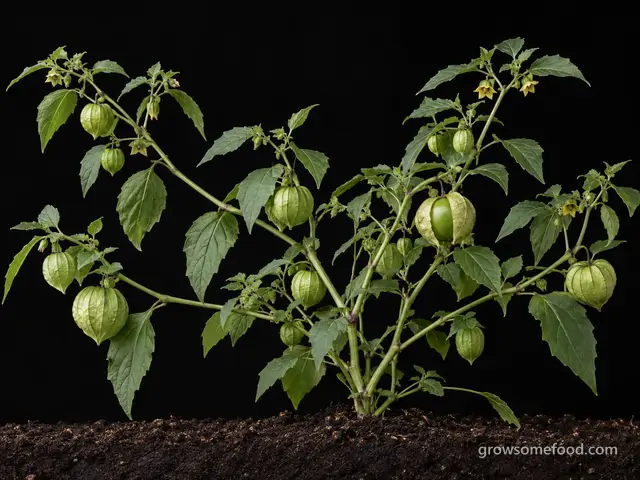
Tomatillo
The tangy green fruit behind salsa verde: a sprawling nightshade that hides each fruit in a papery husk - and needs at least two plants to set a crop.
Safety notes Only the fruit inside the husk is eaten, and the correct green eating stage is fruit that has grown to FILL its husk. Like other nightshades the leaves and stems contain alkaloids and are not edible, and very immature fruit - picked long before it fills the husk - is bitter and mildly toxic, like other unripe nightshade fruit. Discard the papery husk.
Overview
The tomatillo is the tart, green, husk-wrapped fruit at the heart of Mexican salsa verde and green enchilada sauce. A relative of the tomato (and the ornamental Chinese lantern), it grows as a big, sprawling, vigorous annual, and each fruit develops inside its own papery lantern-like husk that splits open when the fruit is ripe. Where tomatoes are sweet, tomatillos are bright and tangy - a different flavor with its own indispensable role in the kitchen.
The one thing to knowOne quirk shapes everything about growing it: tomatillos are self-incompatible.
Quick facts
- Sprouts in
- 8 daysRange: 5–14 days
- Soil temperature
- 80 °FRange: 65–95 °F
- Start indoors
- 6 weeks before transplantRange: 5–8 weeks
- Height
- 42 inRange: 30–48 in
- Spread
- 36 inRange: 24–48 in
- Support
- Grows better on a trellis or stake
- Cold
- Killed by frostdamaged below 33°F
- Heat
- Struggles above 95°F
- Life cycle
- Annual
- Save seeds
- About 85 days after plantingRange: 70–100 days
- Self-sows
- Yes, expect volunteers
- Soil
- Well-drained
- Water
- Medium
- Plant spacing
- 36 inRange: 24–48 in
When to plant
Nothing is open today. Spring indoor sowing opens 4 months, Feb 13 to Mar 6.
- Start indoors Feb 13 – Mar 6 Opens in 117 daysAbout 8 weeks before to 5 weeks before your last frost (Apr 10 here)Start seed indoors 5-8 weeks before last frost; tomatillos need the head start for a full warm season.
- Transplant Apr 17 – May 8 Opens in 180 daysAbout 7 days after to 4 weeks after your last frost (Apr 10 here)Set transplants out 1-4 weeks after last frost, once nights stay above 50°F. Always plant at least two for cross-pollination.
Frost here: last around Apr 10 (Mar 27 to Apr 24 most years), first around Oct 25. Zone averages, your own yard may run a week or two either way.
Life stages
From the first start to harvest
Follow the growing sequence. Choose a stage to see its care and signs to watch for.
Stage 1 of 6 · The growing sequence
Germination
Day 0 to 8 from sowing
Care at this stage
-
Keep seed mix evenly moist and warm
Sow 1/4 inch deep in warm mix (75-85°F); like tomatoes, tomatillos germinate fastest with bottom heat. Surface should never dry out.
-
Start indoors 5-8 weeks before last frost
Tomatillos need a long warm season. Start seed indoors and plan to transplant after frost danger, once nights stay above 50°F.
Stages can overlap; weather, variety, and growing conditions change the pace.
Harvest
- Fruit has grown to fill the papery husk tight
- Husk splitting slightly at the seams
- Firm and bright green (tangy) or turning yellow-purple (sweeter)
- Pick when the husk is FULL - or has split · every 4 days
- Gather dropped fruit off the ground
Per plant 30 to 200 fruits, 2 to 10 lbPicking pick as they ripen
Cook with tomatillos
Watch out for
4 to know. None are high-risk for tomatillos. None are active in October.
Flea BeetlesSeverity Medium PestSeason: May–JulDozens of pinhead-sized round holes peppered across the leaves, thickest on the youngest, most tender growth.
Usually cosmetic on an established, sprawling tomatillo - the plant's vigor shrugs off leaf holes that would set back a small tomato.
Dozens of pinhead-sized round holes peppered across the leaves, thickest on the youngest, most tender growth. Tiny beetles that spring away as you brush the plants or lean in for a closer look - that jump is the identification. Seedlings that go lacy and stop growing, and transplants that sit and sulk instead of taking off. Damage heaviest in warm, dry weather and along the edge of a bed nearest weedy ground or last year's crop debris. On root crops, shallow narrow grooves or channels scarring the skin at harvest, from larvae feeding underground.
Row cover and healthy fast growth carry most crops through, and on an established plant the damage is usually cosmetic and needs nothing at all. Where a young planting is genuinely being stripped, kaolin clay coats the leaves and deters feeding, and spinosad will knock the beetles back. Spinosad is acutely toxic to bees while the spray is still wet - apply it at dusk when bees are not flying, never onto plants in flower, and follow the product label. Anything you spray must be labeled for the plant you are treating, and you must observe its pre-harvest interval on a crop you are picking. Yellow sticky traps are useful for telling you when the beetles have arrived. Where the damage falls on the part you eat, harvesting young often beats them outright; where you are growing for a root or a fruit, leaf damage can simply be tolerated. Larvae feeding underground cannot be reached by a foliar spray, so rotation and clean beds are what work against those.
Floating row cover or fine insect mesh, laid over the bed from the day of sowing or transplanting and sealed at the edges so nothing can walk in underneath, is the single best defense - and on the crops they favor it is close to essential. Leave it on until plants are large and growing strongly, or until flowering on anything that needs pollinating. Push growth: a well-watered, unchecked plant outgrows the damage, so the whole game is getting seedlings through their vulnerable weeks fast. Keep beds weed-free, since related weeds host the beetles alongside your crop, and clear crop debris at the end of the season where the adults overwinter. Rotate away from a bed that grew a related crop last year. Where you can, shift sowing dates - cooler-season and fall plantings often miss the peak of adult feeding entirely.
Flea beetles are tiny dark beetles - often shiny black or bronze, rarely more than a couple of millimeters long - with enlarged back legs that let them spring away like fleas the moment you lean in. The adults chew countless small round pits and shot-holes through leaves, giving the foliage a peppered, buckshot-riddled look. They overwinter as adults in leaf litter, hedgerows, and crop debris, emerge hungry in spring, and are worst in warm dry spells. The damage is mostly a seedling and transplant problem: a small plant with a few leaves can be checked, stunted, or killed outright, while the same plant shrugs them off once it is large and growing strongly. Different species specialize on different plant families, so the beetles hammering your brassicas are not the ones on your nightshades. Some species also have larvae that feed on roots and tubers underground.
Early BlightSeverity Medium DiseaseSeason: Jun–SepBulls-eye-patterned brown spots on lower leaves, yellowing around the spots, and leaf drop moving upward; dark sunken spots on tubers.
Tomatillos generally tolerate early blight better than tomatoes, but shared beds let it build - don't plant them into last year's tomato ground.
Bulls-eye-patterned brown spots on lower leaves, yellowing around the spots, and leaf drop moving upward; dark sunken spots on tubers.
Remove and trash (never compost) affected leaves at first sight; copper or biological fungicides slow the spread through the canopy.
Mulch to stop soil splash, water at the base, rotate out of nightshade beds for 2-3 years, and keep plants well-fed (stressed plants suffer worse).
Fungal disease (Alternaria) causing brown spots with concentric target rings, starting on the lowest leaves and climbing - the same nightshade disease that hits tomatoes and potatoes.
Root-Knot NematodesSeverity Medium PestSeason: Jun–SepStunted, yellowing, unthrifty plants that wilt in the heat even though the soil is moist, and poor yields for no obvious reason.
Most damaging in warm-zone sandy soils; marigolds are a genuinely useful interplant here.
Stunted, yellowing, unthrifty plants that wilt in the heat even though the soil is moist, and poor yields for no obvious reason. Confirm by digging: beady swellings strung along the roots and side rootlets, and root crops that are forked, branched, cracked or knotted rather than clean.
There is no in-season cure. Pull and destroy affected plants rather than composting them, and bring that ground back over several seasons with rotation, resistant varieties and marigold cover crops. Where a crop can be grown in a container of fresh mix, that sidesteps the problem entirely.
Rotate to non-hosts, and grow resistant varieties where they exist for your crop. A French marigold cover crop grown thickly the season before and turned in genuinely lowers populations. Build organic matter and mulch heavily, which feeds the soil life that suppresses them. Plant only clean stock, never move soil from an infested bed around the garden, and solarize badly infested ground through the hottest part of summer.
Microscopic soil roundworms (Meloidogyne species) that invade roots and force them to swell into beady galls. A galled root cannot take up water and nutrients properly, so the plant stunts, yellows, wilts in heat despite watering, and yields poorly, and root and tuber crops come up forked, knobbly, hairy or cracked instead of clean. They are worst in warm, sandy soils and build up steadily wherever a susceptible crop is grown in the same ground year after year. The wounds they leave also open the way for fusarium wilt and rots.
Tomato HornwormSeverity Medium PestSeason: Jun–SepStripped stems and missing leaves, dark pellet droppings on leaves below, and the large green caterpillar camouflaged along stems.
Tomatillos are vigorous and often outgrow hornworm damage better than tomatoes, but a big caterpillar still does real harm - scout weekly.
Stripped stems and missing leaves, dark pellet droppings on leaves below, and the large green caterpillar camouflaged along stems.
Hand-pick at dusk (they glow under UV flashlight). Leave any wearing white rice-grain cocoons - those carry parasitic wasps that will kill the next generation. Bt works on small larvae.
Till beds in fall to destroy overwintering pupae; interplant strongly scented herbs; encourage parasitic wasps.
Huge green caterpillar (to 4 inches) with a rear horn - the larva of the five-spotted hawk moth. As a nightshade, tomatillos are a host, and a hornworm can defoliate a plant quickly.
Good & bad neighbors
Plant nearby
-
French marigolds demonstrably suppress root-knot nematodes, a real tomatillo problem in warm sandy soil; general pest-repelling is softer.
- Traditional pairings, thin evidence
-
Aromatic nightshade companion (as with tomatoes); scent may mask the crop from pests and the kitchen pairing is natural.
-
Flowers attract pollinators and beneficials, and it's the kitchen partner for salsa verde; let some bolt to bloom.
-
Trap crop for aphids and a draw for pollinators, which tomatillos depend on for fruit set.
-
Same warm-season nightshade needs and a natural culinary pairing; grow together with the same care.


Keep apart
-
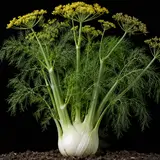
Fennel's root exudates inhibit most garden vegetables; give it its own corner.
-
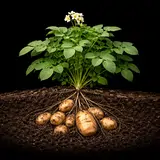
Shared nightshade diseases (early and late blight) and pests like Colorado potato beetle move between them; keep apart.
- Traditional pairings, thin evidence
-
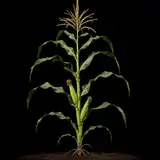
Tall corn shades the sun-hungry sprawl and shares some pests; keep the sprawling patch in open sun.
Varieties · 6
You pick one when you add Tomatillo to your garden. Its days to maturity set your harvest window.
Toma Verde
The standard early green tomatillo and a great default: fast, heavy-yielding plants set medium-large bright-green fruit with the classic tangy flavor for salsa verde.
Variety details for Toma Verde
Medium-large apple-green fruit filling pale-green husks.
greenearlyopen-pollinatedproductiveSlightly more upright than some, and dependable across climates.
Purple (De Milpa)
A purple-blushed tomatillo, sweeter and more intensely flavored than the green types, developing deep purple where the sun hits.
Variety details for Purple (De Milpa)
Small-to-medium fruit flushed deep purple over green, in tan husks.
purpleopen-pollinatedsweetheirloomSmaller fruit on a sprawling plant; beautiful in salsas and worth growing for flavor and color.
Rio Grande Verde
A large-fruited green tomatillo bred for size and heavy production - big, meaty fruit that fill their husks fast and make quick work of a batch of salsa.
Variety details for Rio Grande Verde
Large, rounded, bright-green fruit that pack out sizable husks.
greenlarge-fruitedopen-pollinatedhigh-yieldVigorous and sprawling; give it a strong cage.
Gigante
A giant green tomatillo producing some of the largest fruit of any variety - fewer fruit to husk for the same yield of salsa.
Variety details for Gigante
Very large, flattened-round green fruit.
greenlarge-fruitedopen-pollinatedBig, tangy, and green; a productive, sprawling plant.
Verde Puebla
A traditional Mexican green tomatillo prized for authentic flavor and heavy sets of medium fruit on rangy plants.
Variety details for Verde Puebla
Medium bright-green fruit in green-to-tan husks on sprawling plants.
greenopen-pollinatedtraditionalproductiveA little later than Toma Verde but full-flavored and dependable for salsa verde.
Dr. Wyche's Yellow
An heirloom that ripens to golden-yellow and turns notably sweet, good for fresh eating and sweeter salsas as well as the usual tangy green stage if picked early.
Variety details for Dr. Wyche's Yellow
Fruit ripening from green to bright golden-yellow in tan husks.
yellowsweetopen-pollinatedheirloomA flavorful change of pace from the standard greens.
Grower tips
Notes from growers, tagged with the zone they grow in. A person reads every post before it appears.
Nobody has posted about Tomatillo yet. The first one usually saves someone a season.
Free account. Your post shows your grower name and zone, never your email.