Add it to your home screen and it opens full screen: no browser bars, one tap away, and everything stays signed in. Free, nothing to download from an app store.
- Tap the Share button in your browser
- Scroll down and choose “Add to Home Screen”
- Open GrowSomeFood from your home screen
- Open your browser’s menu
- Choose “Add to Home screen” or “Install app”
- Open GrowSomeFood from your home screen
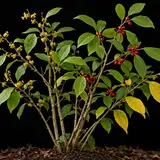
Sourwood
Sourwood is safe to grow and handle - it's an ornamental and honey tree, not a food plant. Its summer flowers yield the famous, prized 'sourwood honey' via bees (the tree itself isn't eaten). Its sour taste is oxalic acid; the leaves were once chewed or brewed as a folk remedy but are not recommended today, especially if you are prone to kidney stones. The main practical need is acidic, well-drained soil; it dislikes pollution, drought, and root disturbance - a siting matter, not a hazard.
Overview
A choice native small tree with true four-season beauty - drooping sprays of white summer flowers that make the prized sourwood honey, followed by some of the earliest and most brilliant scarlet fall color of any tree, all on a gracefully leaning, sculptural frame.
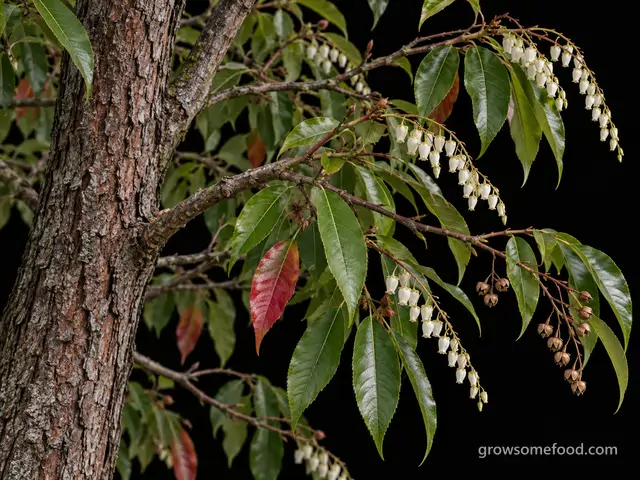
Sourwood (Oxydendrum arboreum) is one of the finest native small trees of the Southern Appalachians - a slow-growing, gracefully leaning, picturesque tree (25-40 feet) that offers something in every season. In midsummer, when few trees bloom, it drapes itself in long, one-sided, drooping sprays of small white urn-shaped flowers, like lily-of-the-valley cascading from the branch tips (hence its other name, the lily-of-the-valley tree). Those flowers are the source of the famous, prized sourwood honey.
Then in fall it delivers its greatest show: sourwood is among the earliest and most brilliant trees to color, blazing scarlet, crimson, and red-purple - often while the dangling tan seed sprays still hang against the fiery leaves. Add clean summer foliage and a sculptural winter silhouette, and it's a genuine four-season specimen. The only real requirement is the right soil: as a member of the heath family (like blueberry and rhododendron), sourwood needs acidic, well-drained ground and dislikes pollution and disturbance. Given that, it's a slow but supremely rewarding native - a hummingbird of a tree for bees, beauty, and autumn fire. One name to keep straight: sourwood is not sour gum (Nyssa sylvatica) and not titi (Cyrilla racemiflora or Cliftonia monophylla). All are Southeastern honey plants, which is exactly why beekeepers are careful about the difference - titi nectar in particular is treated as a defect in a sourwood crop.
At a glance
- Sun
- Full sun · Part sun · Part shade
- Water
- Medium
- Spacing
- 180–360 in (typ. 240)
- Mature height
- 300–480 in (typ. 360)
- Start by
- Direct sow · Transplant
- Frost
- Hardy
- Germination
- 30–120 days (typ. 60) @ 60–78 °F (typ. 70)
- Spread
- 180–360 in (typ. 240)
- Soil
- Well-drained
- Temperature
- Damaged below -15°F · struggles above 100°F
- Seed ready
- 120–180 days (typ. 150) (for saving)
- Self-sows
- Yes — expect volunteers
When to plant
Zone 7a typical frost: last Apr 10 · first Oct 25 (spring frost runs Mar 27–Apr 24 in a typical spread of years)
Life stages
- Years 1-3 - slow young tree day 0–1095 from transplant
-
Water while establishing, in acidic soilevery 6 dWater a young sourwood deeply and regularly through its first 2-3 years, keeping the soil moist but never soggy. It's a heath-family tree that needs acidic, well-drained, humus-rich soil (like its relatives blueberry and rhododendron), and resents transplanting - so plant it small and disturb the roots as little as possible.
-
Mulch with an acidic mulchMulch the root zone with pine straw, shredded leaves, or bark to keep the roots cool, moist, and acidic; keep it back from the trunk. Sourwood dislikes competition, so keep grass and weeds off its root zone while young.
-
Site it in acidic soil, away from pollution and disturbanceSourwood is a slow-growing small tree (25-40 feet) that needs acidic, well-drained soil and full sun to part shade for best flowering and fall color. It dislikes air pollution, road salt, drought, and root disturbance, so it's a poor street tree - give it a sheltered, acidic, undisturbed spot as a specimen or woodland-edge tree.
Slow growth (normal - sourwood is a slow grower)Chlorosis (yellowing) in neutral or alkaline soil (it needs acidic ground)Transplant shock (plant small; it resents disturbance)Its naturally leaning, irregular, picturesque form developing -
Water while establishing, in acidic soilevery 6 d
- Summer bloom (honey season) Jun, Jul (yearly)
-
Drooping sprays of white bell flowersIn early-to-mid summer, sourwood opens long, drooping, one-sided sprays (panicles) of small, white, urn-shaped flowers - like lily-of-the-valley - covering the tree when few other trees bloom. They're beautiful, lightly fragrant, and a magnet for bees, giving the famous, prized sourwood honey.
-
A premier summer nectar source for beesSourwood is one of the great honey plants of the Southern Appalachians: beekeepers move hives to sourwood stands for its light, spicy, prized honey. Support the bees, avoid spraying during bloom, and enjoy one of the best midsummer nectar trees there is.
Bees swarming the flowers (a top honey plant)Long drooping white flower panicles (the summer highlight)Flowers appearing when few trees bloom (early-to-mid summer) -
Drooping sprays of white bell flowers
- Summer foliage & seed capsules Apr, May, Jun, Jul, Aug, Sep (yearly)
-
Glossy leaves and persistent seed spraysThe narrow, glossy, finely toothed leaves (with a sour taste, hence 'sourwood') give a clean summer look. After bloom, the flower sprays become upright-curving sprays of small tan-gray seed capsules that persist into winter, echoing the flowers' shape - a subtle four-season feature.
-
Water in drought (sourwood is drought-sensitive)Keep the soil evenly moist in dry spells - sourwood is somewhat drought-sensitive and holds its leaves and color best with steady moisture in acidic, well-drained ground.
Persistent tan seed capsule sprays forming (a winter feature)Cosmetic leaf spots in humid weather (usually minor)Yellowing (chlorosis) if the soil isn't acidic enoughDrought stress in hot, dry spells -
Glossy leaves and persistent seed sprays
- Brilliant fall color & winter Jan, Feb, Sep, Oct, Nov, Dec (yearly)
-
Among the earliest and brightest scarlet fall colorSourwood is one of the first trees to color in fall and one of the most brilliant - blazing scarlet, crimson, and deep red-purple, often while the dangling tan seed sprays still hang against the red leaves. It's a signature of Appalachian autumn and one of the best small trees for fall color anywhere.
-
Prune minimally in dormancySourwood needs little pruning and looks best with its naturally leaning, irregular, picturesque form - don't try to make it symmetrical. In the dormant season, remove only dead or damaged wood; its slow growth means it rarely needs shaping.
Brilliant early scarlet fall color (a highlight)Persistent tan seed capsule sprays through winter (a subtle feature)The leaning, sculptural winter silhouette (natural - don't over-prune) -
Among the earliest and brightest scarlet fall color
Watch out for
Chlorosis (Non-Acidic Soil) Medium
Sourwood is a heath-family tree that needs acidic soil; on neutral or alkaline ground it can't take up iron and other nutrients properly, causing yellowing leaves (with green veins), poor growth, weak flowering, and dull fall color - the most common reason a planted sourwood fails to thrive.
Watch for: Pale yellow leaves with green veins (interveinal chlorosis), especially on new growth, plus weak growth, sparse flowering, and muted fall color on neutral or alkaline soils.
Prevent: Plant sourwood only in acidic, well-drained, humus-rich soil; use an acidic mulch (pine straw, shredded leaves), avoid liming near it, and test soil pH before planting.
Treat: Acidify the soil with elemental sulfur and an acid-forming (heath/blueberry-type) regimen, apply chelated iron as a stopgap, and mulch acidically; the durable fix is siting it in genuinely acidic ground.
Drought Stress Low
Not a pest but a siting problem, and on a moisture-loving plant it is usually the thing that actually kills it. When the soil dries out, leaf edges brown and crisp, foliage wilts and drops early, flowering and fall color are cut short, and growth thins. Hot sun, wind and exposed positions make it worse by pulling water out faster than the roots can replace it. A plant that wants reliably moist or wet ground has no drought tolerance to fall back on, and young or recently planted ones have the least of all.
Watch for: Wilting on hot afternoons, browning and crisping along leaf edges and tips, premature leaf drop, collapsed flower stems, and thin, stunted growth - showing up first on young plants and on the driest, most exposed side of the planting.
Prevent: Match the site to the plant: put a moisture-loving species where the ground actually stays damp - a rain garden, pond edge, ditch, seep or low spot - rather than in an ordinary border you intend to keep watered. Mulch to hold moisture and keep the roots cool, water deeply through every dry spell while the plant is establishing, and avoid hot, windy, exposed positions.
Treat: Water deeply and consistently, then mulch. Mild wilting reverses within a day or two, but a prolonged drought sets a plant back hard and can kill a young one outright. If a plant scorches every summer, the site is wrong - move it to damper ground rather than trying to water it through.
Sourwood is drought-sensitive while young and repays a deep mulch. Chronically dry, exposed sites are simply unsuitable for it; on a good site an established tree recovers by the following season.
Fall Webworm Low
Caterpillars that build conspicuous silken webs (nests) enclosing the ends of branches in late summer and feed on the leaves inside; unsightly but rarely harmful to an established tree, which is heading into dormancy anyway.
Watch for: Loose, dirty-white silken webs enclosing branch tips and the leaves within them, with caterpillars feeding inside, appearing in late summer.
Prevent: Encourage the many birds and parasitic insects that control webworms; tolerate light infestations, which do little harm so late in the season.
Treat: Prune out and destroy the webbed branch tips on small trees if desired, or simply tolerate them - the damage is cosmetic and late-season, and the tree recovers fully. Bt controls young caterpillars if warranted.
Good & bad neighbors
Varieties · 3
Narrow, upright sourwood with white summer flowers and brilliant fall color.
A more upright, narrow, columnar sourwood selection with a tidier form than the leaning species and excellent fall color - a good choice for smaller gardens or where a more vertical, uniform shape is wanted while keeping sourwood's flowers and autumn fire.
Vigorous sourwood with early, dependable scarlet-red fall color.
A selection noted for especially early and reliable brilliant red fall color and a good specimen form - chosen where dependable, early autumn color is the priority, on a vigorous, well-flowering tree.
Leaning, picturesque small tree with drooping white flower sprays and brilliant scarlet fall foliage.
The wild species and the only species in its genus: a slow-growing, gracefully leaning native small tree (25-40 feet) with drooping white summer flowers (source of prized sourwood honey), spectacular early scarlet fall color, and persistent tan seed sprays. A superb four-season specimen for acidic, well-drained soil.
Grow
Full sun to part shade and acidic, well-drained, humus-rich soil in zones 5-9; a slow-growing heath-family tree that needs acidic ground and resents pollution and disturbance - plant it small and site it as a cherished specimen.
Sourwood wants full sun to part shade (more sun means more flowers and better fall color, but it flowers even in part shade) and, above all, acidic, well-drained, humus-rich soil. As a member of the heath family (Ericaceae), alongside blueberries, azaleas, and rhododendrons, it needs the same acidic conditions and will yellow with chlorosis on neutral or alkaline ground. It's hardy across zones 5-9. It's a slow grower that resents transplanting, so plant it small (a young container tree) and disturb its roots as little as possible.
Site it as a cherished specimen, not a tough utility tree. Sourwood dislikes air pollution, road salt, drought, compaction, and root disturbance, which makes it a poor street or parking-lot tree - but a superb small specimen for a lawn, a woodland edge, or a native or pollinator garden in acidic soil. Give it steady moisture (it's somewhat drought-sensitive), an acidic mulch (pine straw or shredded leaves), and freedom from competing grass and weeds while young. Don't try to straighten its naturally leaning, irregular form - that sculptural habit is part of its charm. Sited well in acidic ground, sourwood rewards patience with midsummer flowers, prized honey, and unmatched early fall color.
Care
Low-care in the right acidic site - keep the soil acidic and evenly moist, mulch with an acidic mulch, water in drought, prune minimally, and let its leaning natural form be.
In a suitable acidic, well-drained site, sourwood is a low-maintenance tree. The keys to its care are soil and moisture: keep the soil acidic (mulch with pine straw or shredded leaves, and avoid liming near it), keep it evenly moist (it's somewhat drought-sensitive and holds its leaves and color best with steady water), and keep grass and weeds off its root zone while it's young. If the leaves yellow between the veins, the soil is likely not acidic enough - amend with an acidifying, heath-family approach.
Prune minimally: sourwood grows slowly, needs little pruning, and looks best with its naturally leaning, irregular, sculptural form, so resist the urge to shape it symmetrically - just remove dead or damaged wood in the dormant season. It's largely free of serious pests and diseases, with only occasional cosmetic leaf spots or webworm in humid summers, rarely needing treatment. Its main 'demand' is really just the right site - acidic, moist, well-drained, unpolluted, and undisturbed. Meet that, and sourwood essentially takes care of itself while delivering summer flowers, honey-bee traffic, and spectacular fall color year after year with almost no intervention.
Storage
No crop to store from the tree itself - sourwood is grown for flowers and fall color; its famous 'harvest' is the prized sourwood honey that bees make from its nectar, which stores like any honey.
Sourwood isn't a food plant, so there's nothing to harvest or store from the tree directly. Its most celebrated 'harvest' comes secondhand, through bees: sourwood's summer flowers are one of the great honey plants of the Southern Appalachians, and beekeepers prize the light-amber, distinctively spicy, buttery 'sourwood honey' made from them - a regional specialty that regularly wins international honey competitions and commands premium prices. Like any honey, it stores essentially indefinitely in a sealed jar. Producing true varietal sourwood honey takes bees working a good sourwood bloom, so it's a beekeeper's harvest, not the gardener's - but a sourwood in the yard feeds the bees that make it.
The tree's sour-tasting leaves (the source of the name 'sourwood' and 'sorrel tree') were chewed or brewed into a folk tonic in Appalachian tradition, and the hard wood was occasionally used for tool handles and sled runners - but neither is a real harvest today. That sourness is oxalic acid, which is why the leaves are not recommended for eating or drinking now, particularly for anyone prone to kidney stones; this catalog lists no edible part on sourwood. In the garden, sourwood's value is entirely its living display: the summer flowers, the bee traffic and honey they make possible, and the incomparable early scarlet fall color. There's nothing to preserve on a shelf but, indirectly, the honey.
Propagation & seed saving
Easiest from a nursery transplant (plant small; it resents moving); grows from dust-fine seed surface-sown on acidic ground, but seed is slow and fiddly, so most gardeners buy a young tree.
For most gardeners the practical route is a nursery transplant, planted small in spring into acidic, well-drained soil - sourwood resents transplanting and grows slowly, so a young container tree, disturbed as little as possible, is the surest start. It's increasingly available at native-plant and specialty nurseries as its four-season value is recognized.
From seed, sourwood is doable but fiddly: the seeds are dust-fine, ripen in the persistent capsules, and need to be surface-sown (they need light to germinate) on moist, acidic, humus-rich ground in fall or late winter; germination is slow and the tiny seedlings grow slowly, needing careful attention to moisture and acidity - so seed is mainly for the patient propagator growing many plants. Sourwood is difficult to root from cuttings, which is one reason it's less common in the trade than it deserves. For most people, buying a young transplant and siting it well in acidic soil is by far the easiest path - and, given the tree's slow growth and dislike of disturbance, well worth the modest cost for a tree that rewards for a century.
Nutrition
Not a food plant - it's grown for beauty and nectar; its ecological value is as a premier midsummer honey-bee and pollinator nectar source and a native understory tree, with seeds and habitat for wildlife.
Sourwood isn't a food plant for people (its sour leaves had only minor folk-medicinal use). Its value is ornamental and ecological, and for pollinators it's a standout. Sourwood blooms in midsummer, when relatively few trees are flowering, and its abundant nectar-rich flowers are a premier honey-bee and native-pollinator nectar source - so valued that beekeepers move hives specifically to sourwood stands to make the prized varietal honey. Native bees, bumblebees, and other pollinators work the flowers heavily too, making sourwood one of the best summer nectar trees for a pollinator garden.
Beyond nectar, sourwood contributes to the woodland ecosystem as a native understory and edge tree: its tiny seeds are taken by some birds, its foliage hosts native insects, and its flowers and structure add to the diversity of an Appalachian or Southeastern forest. As a slow-growing, long-lived small tree it provides lasting habitat and beauty. So while sourwood feeds no gardener directly, it feeds the bees superbly - and, through them, produces one of the most celebrated honeys in the world - while enriching the native pollinator habitat of the acidic Southern woods.
History
A signature tree of the Southern Appalachians - source of world-famous sourwood honey, its sour leaves brewed as a folk tonic, and its hard wood used for tool handles and sled runners in mountain tradition.
Sourwood is woven into the culture of the Southern Appalachians, above all through its honey. Sourwood honey - light, spicy, buttery, and slow to crystallize - is a celebrated regional product, the pride of mountain beekeepers from Georgia to Virginia, and it has repeatedly won top honors at international honey competitions, commanding premium prices as one of the world's finest varietal honeys. The tree's midsummer bloom and mountain habitat make it the foundation of a distinctive Appalachian beekeeping tradition.
The tree earned its names - sourwood and 'sorrel tree' - from its sour-tasting leaves, which mountain people chewed to quench thirst on the trail or brewed into a tonic 'tea' that was believed to help with fevers and other complaints. That sourness is oxalic acid, and the leaves are not recommended for consumption today - particularly for anyone prone to kidney stones. Its hard, close-grained wood was put to practical mountain use for tool handles, sled runners, and bearings. Long known to Appalachian folk for its honey, its sour leaves, and its brilliant autumn color, sourwood has more recently been embraced by gardeners across the country as one of the finest native small trees for four-season interest - a tree whose fame began with the bees.
Troubleshooting
Most issues trace to the wrong soil or site - chlorosis on non-acidic ground, drought stress, and slow establishment; the tree itself is pest-resistant, and its leaning form and early leaf color are features, not problems.
Leaves yellowing between the veins (chlorosis): the soil isn't acidic enough - sourwood is a heath-family tree that needs acidic ground; amend with acidifying, blueberry-style care and use an acidic mulch, or the tree declines on neutral/alkaline soil. Leaves scorching or dropping early in summer heat: drought stress - sourwood is somewhat drought-sensitive; water deeply and mulch to keep the roots cool and moist. The tree grows very slowly: normal - sourwood is a slow grower; be patient, especially early. It struggles in a street or parking-lot planting: sourwood dislikes pollution, salt, compaction, and root disturbance - it's a specimen tree for a good site, not a tough urban tree. It leans and looks irregular: that's its natural, picturesque form - don't try to straighten or over-prune it. Leaves color red very early in fall: a feature, not a stress - sourwood is one of the first and brightest to color. Webbing or leaf spots in humid summers: occasional fall webworm or cosmetic leaf spot - usually minor and not worth treating on a healthy tree.
Growing across climates
A tree of the Southern Appalachians and Southeast (zones 5-9), best in cool, moist, acidic upland sites; heat- and cold-tolerant within range, its real limits are alkaline soil, pollution, drought, and disturbance rather than temperature.
Sourwood is native to the Southern Appalachians and Southeast, hardy across zones 5-9, and best suited to cool-to-warm, moist, acidic upland sites. Zones 6-8 (its heartland): the acidic, well-drained slopes of the Appalachians and the Southeastern Piedmont are its home, where it flowers freely, feeds the honey bees, and delivers its brilliant early fall color - the classic sourwood country. Zone 9 and the warm South: grows well on suitable acidic, moist sites, though it wants steady moisture in the heat. Zones 5-6 (the northern/cooler edge): hardy and grown as a prized specimen where soils are acidic. Its limits are soil and site, not temperature: sourwood needs acidic, well-drained, humus-rich, unpolluted, undisturbed ground and steady moisture, and fails on alkaline, compacted, polluted, salty, or droughty sites (which is why it's a specimen, not a street tree). Given the acidic, moist, sheltered conditions it evolved for, sourwood is a resilient, long-lived, four-season native across a good swath of the eastern half of the country - a mountain tree that adapts well to gardens with the right soil.
Grower tips
No grower tips for Sourwood yet. Yours could be the first.
Sign in to share what works in your garden.