
Add it to your home screen and it opens full screen: no browser bars, one tap away, and everything stays signed in. Free, nothing to download from an app store.
- Tap the Share button in your browser
- Scroll down and choose “Add to Home Screen”
- Open GrowSomeFood from your home screen
- Open your browser’s menu
- Choose “Add to Home screen” or “Install app”
- Open GrowSomeFood from your home screen

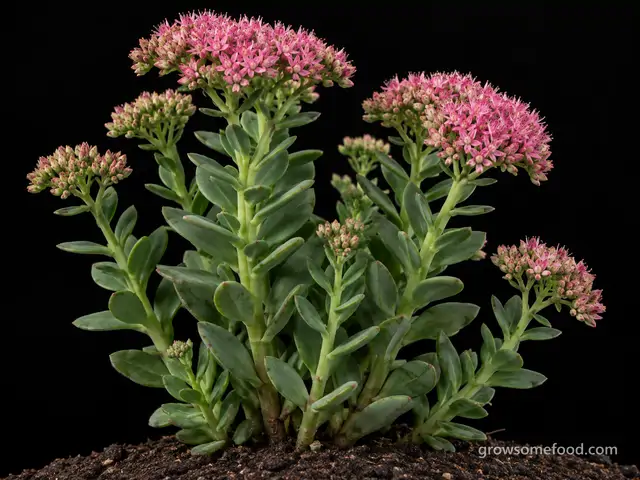
Sedum
The easiest succulent for real gardens - drought-proof stonecrops in two camps: low creeping mats for groundcover, green roofs, and hot dry cracks, and tall border types like 'Autumn Joy' whose big flat flower heads are a fall pollinator magnet - all thriving on sun, poor soil, and neglect.
Safety notes Treat garden sedum as NON-edible: a few species have edible leaves, but many are mildly toxic or purgative if eaten in quantity and identification varies. Mildly toxic to cats and dogs. Handling is generally safe, but the acrid sap of Sedum acre and some relatives can irritate skin - wear gloves when dividing or pulling back creeping mats. Note the name overlap: 'stonecrop' covers both low creeping Sedum and tall border types now classed as Hylotelephium.
Overview
Sedum (stonecrop) is the succulent for gardeners who kill succulents. Tough, drought-proof, and thriving on the poor, dry, sunny conditions that defeat fussier plants, it's among the easiest perennials there is - and it comes in two broad, very different camps. The low creeping sedums form dense, weed-smothering mats of fleshy foliage in green, blue, gold, and burgundy, perfect for groundcover, rock gardens, green roofs, hot dry cracks, and edging. The tall border sedums (now botanically Hylotelephium, but everyone still says sedum) build upright clumps topped in late summer and fall by big flat flower heads - the famous 'Autumn Joy' and its kin.
The one thing to knowThe low creeping sedums form dense, weed-smothering mats of fleshy foliage in green, blue, gold, and burgundy, perfect for groundcover, rock gardens, green roofs, hot dry cracks, and edging.
Quick facts
- Height
- 18 inRange: 3–30 in
- Spread
- 18 inRange: 8–24 in
- Cold
- Takes hard frostdamaged below -30°F
- Heat
- Struggles above 100°F
- Life cycle
- Perennial, lives about 15 years
- Self-sows
- Yes, expect volunteers
- Soil
- Well-drained
- Water
- Low
- Plant spacing
- 18 inRange: 6–24 in
When to plant
Nothing is open today. Spring transplanting opens 5 months, Mar 27 to Jun 5.
- Transplant Mar 27 – Jun 5 Opens in 158 daysAbout 2 weeks before to 8 weeks after your last frost (Apr 10 here)Plant divisions or containers in spring into full sun and lean, sharply drained soil; they establish fast and often bloom the first year. Don't enrich the soil - lean keeps them sturdy.
- Transplant Jun 1 – Aug 15 Opens in 224 daysSedums root so easily that creeping types can be planted (or started from cuttings and detached stems) through summer - even a dropped stem segment often roots where it lands. Plant out rooted pieces into gritty soil.
- Transplant Aug 16 – Sep 27 Opens in 300 daysAbout 10 weeks before to 4 weeks before your first frost (Oct 25 here)Early fall planting works well for tough hardy sedums - several weeks before hard freeze so roots establish. Water sparingly.
Frost here: last around Apr 10 (Mar 27 to Apr 24 most years), first around Oct 25. Zone averages, your own yard may run a week or two either way.
Life stages
Establish, grow, repeat
Getting established and returning each season are different parts of the story.
Stage 1 of 4 · Getting established
Year 1 - rooting in
Day 0 to 60 after transplanting
Care at this stage
-
Water to establish, then back right off
Water a new sedum to root in over its first weeks, then ease off hard - sedum is a drought-loving succulent that stores water in its leaves and rots in wet, rich soil. Lean and dry keeps it strong.
-
Give tall sedums lean soil so they don't flop
For tall border sedums (Autumn Joy and kin), rich soil and too much water cause the classic 'flopping' where the clump splits open in the middle. Plant them in average-to-lean soil and full sun to keep stems sturdy and upright.
Months are typical seasonal windows; climate, variety, and plant age can shift them.
Watch out for
4 to know. None are high-risk for Sedum. None are active in October.
Root RotSeverity Medium DiseaseSeason: Jan, Jun, Jul, Aug, Nov, DecWilting in the middle of the day on a plant whose soil is damp - the classic tell, and the reason people water a rotting plant and finish it off.
The main way to lose a sedum, and it comes from wet, poorly drained, or overly rich soil - worst in humid summers and wet winters. Lean gritty soil, full sun, minimal water and no rich amendments. Sedum roots so easily that cuttings from healthy growth are the simplest restart.
Wilting in the middle of the day on a plant whose soil is damp - the classic tell, and the reason people water a rotting plant and finish it off. Leaves yellowing from the bottom up, dull off-color foliage, and growth that stalls for no visible reason. Whole shoots, or one side of the plant, collapsing while the rest still looks fine. Soft, dark, or mushy tissue at the base of the stem or at the crown, sometimes with a sour smell. Lift a failing plant and look at the roots: healthy ones are firm and pale, rotted ones are brown or black and slimy, and the outer layer slips off between your fingers leaving a thread of core behind. Seedlings that topple over at soil level are the same problem, called damping-off.
There is no cure for tissue that has already rotted, so act on the conditions rather than looking for a spray. Stop watering at once and fix the drainage - open up compacted soil, or move the plant to a raised, sharply drained position or a container. Lift a badly affected plant, cut away every soft dark root and rotted section with a clean blade back to firm pale tissue, and replant only the healthy parts into fresh free-draining soil or mix. Often the better move is to give up on the plant and save its offspring instead: cuttings, offsets, or divisions taken from firm healthy growth root readily and give you a clean start. Bin the rotted material rather than composting it, and correct the drainage before you replant, because the rot comes straight back in the same wet spot.
Drainage is the whole defense. Match the plant to the site first - something that wants sharp drainage will not survive heavy clay or a low, water-collecting spot however well you tend it. Where the ground is heavy, plant on a raised bed, berm, or slope, or grow in a container. Set plants at the depth they were already growing, since burying the crown or the root flare is a common cause of rot, and keep mulch pulled back a few inches from the stem base instead of piled against it. Water the soil rather than the calendar: check that the top inch or two is dry before watering again, cut back hard in cool weather and winter dormancy, and never leave a pot standing in a full saucer. Do not plant or dig in soggy ground, and go easy on rich amendments for plants that want it lean. Rotate annual crops, and start with clean healthy plants and fresh mix.
Root rot is not one organism but a group of soil fungi and water molds - Pythium, Phytophthora, Fusarium, Rhizoctonia and others - that sit harmlessly in most soils and only turn destructive when the ground stays saturated. Waterlogged soil drives the air out, the roots suffocate, and the weakened tissue is invaded and goes soft, brown, and stringy. Because the damage is underground you usually see it first as something that looks like drought: wilting, yellowing, stunting, a plant that does not respond to being watered. Overwatering, heavy compacted ground, a low spot that collects runoff, a pot with no drainage or a saucer left standing full, and cold wet soil in winter are the usual causes. Once roots have actually rotted there is no cure - this is a problem you prevent rather than treat.
AphidsSeverity Low PestSeason: Apr–JunDense clusters of tiny insects packed onto shoot tips, flower buds, and the undersides of young leaves.
Lean soil is better for sedum anyway, and it is the surest way to avoid the soft spring growth aphids colonize.
Dense clusters of tiny insects packed onto shoot tips, flower buds, and the undersides of young leaves. Curled, cupped, or distorted new growth that never opens properly. A sticky shine on the leaves - and on whatever sits under the plant - that later goes black with sooty mold. Tiny white cast skins left behind where a colony has been feeding. Ants running steadily up and down the stems, which is often the first thing you notice. Mottled, streaked, or misshapen leaves that do not grow out can mean a virus the aphids brought with them rather than the feeding itself.
Knock the colonies off with a hard jet of water and repeat every few days - on most plants that alone ends it. Pinch out or prune off the worst-infested tips rather than treating the whole plant. If colonies keep rebuilding, spray insecticidal soap or horticultural oil directly onto the insects, covering leaf undersides, and repeat weekly until they are gone; treat early or late in the day, and never spray a wilted or heat-stressed plant. Avoid broad-spectrum insecticides - they kill the ladybugs, lacewings, and parasitic wasps that were about to solve the problem for you, and aphid numbers usually come back worse afterward. Anything you spray must be labeled for the plant you are treating; follow that label and observe its pre-harvest interval. On anything you eat, wash leaves, heads, and buds well before use, since aphids hide down in crowns, folds, and tight growth.
Go easy on nitrogen: the soft, lush growth that heavy feeding produces is exactly what aphids breed on. Check new growth once a week through spring and early summer so you catch colonies while they are still small, and rub the first few out with your fingers. Leave flowering plants nearby and skip broad-spectrum sprays - ladybugs, lacewings, hoverflies, and parasitic wasps do most of this work for free, and they only stay if there is something for them to eat. Keep ants off the plant where you can, since they protect aphids from those predators. Water steadily so plants are not stressed, and check any new plant over before you bring it home or move it indoors, since aphids usually arrive on something else.
Aphids are small soft-bodied sap-suckers - green, black, gray, pink, or waxy white, and mostly wingless - that gather in dense colonies on the tenderest new growth: shoot tips, buds, and the undersides of young leaves. They breed extremely fast in mild weather, so a few can become hundreds inside a week. Their feeding curls and distorts soft growth, and the sticky honeydew they excrete coats everything below and turns black with sooty mold. Ants often farm and defend the colonies for that honeydew. A few aphids are normal on almost any plant and a healthy plant shrugs them off; only dense, persistent colonies do real damage, and some aphids also spread plant viruses as they feed.
Slugs & SnailsSeverity Low PestSeason: Apr, May, Jun, SepIrregular ragged holes chewed out of the middle of leaves and along the edges - not the clean-edged cuts a caterpillar leaves.
Mostly a problem on low creeping sedums in cool, damp shade. Grown the way sedum actually wants it - full sun, sharp drainage, airflow - the damage largely disappears.
Irregular ragged holes chewed out of the middle of leaves and along the edges - not the clean-edged cuts a caterpillar leaves. Seedlings that vanish overnight, or that are cut off at soil level with nothing left behind. Silvery dried slime trails across leaves, soil, pots, and paving in the morning: this is the giveaway that tells you it was mollusks rather than an insect. Chewed pits in ripe fruit, especially where it rests on the ground. Damage that shows up on the lowest, dampest leaves first and gets worse after rain or evening watering. Turn over a board, an upturned pot, or a clump of dense mulch during the day and look for the animals themselves sheltering in the cool underneath.
Hand-picking works and costs nothing: go out an hour after dark with a headlamp, drop what you find into soapy water, and repeat nightly for a week or two - persistence is what wins, not any single product. Shallow beer traps sunk to soil level catch them too, but need emptying and refilling daily to be worth anything. Iron-phosphate bait is the standard control and is far lower-risk around pets and wildlife than the old metaldehyde products, but it is not harmless: many formulations include EDTA, and a dog that eats a quantity of pellets can develop iron toxicosis. Scatter it thinly per the label, never in piles, and keep dogs off a baited bed. Clear fallen foliage and debris in autumn, where the eggs are laid. In a wet climate this is a population you manage each season rather than one you eradicate - and on most established plants light grazing is cosmetic and needs nothing at all.
Take away the daytime shelter first: lift boards and upturned pots, clear piles of debris, keep dense mulch pulled back from crowns and stems, and give crowded plantings enough airflow to dry out. Water in the morning rather than the evening so the surface is dry by the time they come out. Copper tape around containers and raised beds gives them a shock they will not cross, and it is the one barrier that reliably works. Get plants past the vulnerable stage quickly - start seedlings in pots and set them out at a decent size rather than direct-sowing into a cold wet bed, since most plants stop being worth defending once the leaves toughen. Leave the ground beetles, frogs, toads, and ground-feeding birds alone, because they eat mollusks all night for free and broad-spectrum slug pellets kill them too. Where thick-leaved or resistant varieties exist for what you are growing, they take far less damage.
Slugs and snails are nocturnal mollusks that rasp ragged holes in soft leaves, shear off seedlings at ground level, and chew into ripe fruit that touches the soil. They feed at night and in the early morning and spend the day hidden under boards, pots, dense mulch, leaf litter, and low foliage, becoming active in exactly the cool, damp, shaded conditions that suit young plants. Damage is heaviest in wet spells and on tender spring growth: a single wet week can erase a row of seedlings while an established, tough-leaved plant of the same species is barely marked. They lay clusters of small pearly eggs in damp soil and under debris, so a garden with plenty of cover carries a resident population year after year rather than being invaded from outside.
MealybugsSeverity Low PestSeason: May–SepWhite cottony masses tucked into leaf axils, crevices and stem joints, which smear rather than brush off.
A cosmetic nuisance more than a real threat on garden sedum in the open - it is stressed and container plants that suffer. Full sun and airflow prevent most of it.
White cottony masses tucked into leaf axils, crevices and stem joints, which smear rather than brush off. A sticky shine on the leaves and on the surface beneath the plant, later blackened with sooty mold. Ants running steadily up and down the stems - often the first thing anyone notices. Yellowing, stunted or distorted growth with no other obvious cause. On a plant that has been treated repeatedly and keeps declining, check the roots, because root-dwelling mealybugs are easy to miss entirely.
Deal with small colonies mechanically: dab them with a cotton bud dipped in rubbing alcohol, wipe them off with a damp cloth, or wash the plant down with a firm jet of water aimed into the crevices where they hide. For anything larger, spray insecticidal soap or horticultural oil directly onto the insects, which means getting into the axils and undersides where they actually live, and repeat every seven to ten days for at least three rounds, because the waxy coat protects them and contact sprays do not kill the eggs. Cut out badly infested growth rather than nursing it, deal with the ants at the same time or the colony rebuilds, and test any oil first, since it can burn foliage in heat.
Inspect new plants thoroughly before you buy, and quarantine anything you bring indoors for a few weeks - mealybugs almost always arrive on another plant rather than flying in. Check leaf axils and crevices every few weeks on anything grown under cover, since a colony found early is trivially dealt with. Control the ants that protect and spread them; a sticky barrier on a pot rim or a stem does a lot of work. Keep plants unstressed, avoid heavy nitrogen feeding, and do not leave them standing in hot, dry, stagnant air.
Soft, slow-moving sap-suckers that coat themselves and their egg masses in a white waxy fluff, so a colony looks like scattered specks of cotton wool rather than like insects. They wedge into the places hardest to see and hardest to spray - leaf axils, crevices, stem joints, leaf undersides, the base of the plant, and sometimes the roots - and feed there for weeks, weakening growth and excreting sticky honeydew that blackens with sooty mold. Ants farm them for that honeydew, carry them from plant to plant, and drive off the predators that would otherwise control them. Populations explode in warm, dry, still air, which is why indoor and greenhouse plants suffer worst.
Good & bad neighbors
Plant nearby
-
In a dry or xeriscape garden, low sedum carpets the gritty ground around agave's bold rosette, both loving full sun and sharp drainage - the mat softening the base of the architectural succulent.
-
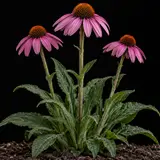
A classic sunny, drought-tolerant, pollinator-focused border pairing - coneflowers and tall sedum share lean well-drained soil and overlap into the late season, feeding bees and butterflies together.
-
Creeping sedum makes a living mulch around a prickly pear in a dry succulent bed, sharing full sun and lean, sharply drained soil and softening the cactus's spiny base.
-
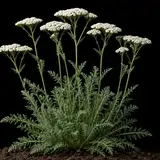
Both thrive on full sun, lean soil, and drought; flat yarrow heads and flat sedum heads echo each other and draw beneficial insects and pollinators in the same dry border.
- Traditional pairings, thin evidence
-
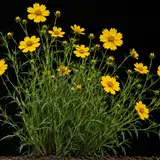
Airy tickseed weaves through and around sedum clumps in the same full sun and sharp drainage, adding earlier yellow bloom before the sedum's fall show takes over.


Varieties · 6
You pick one when you add Sedum to your garden. Its days to maturity set your harvest window.
Creeping stonecrop (groundcover mats) 4 varieties
Angelina (Sedum rupestre)
A brilliant golden creeping stonecrop: needle-like chartreuse-to-gold foliage that turns orange-amber in fall and winter, forming a fast, tough, drought-proof evergreen mat for groundcover, edging, walls, and containers.
Variety details for Angelina (Sedum rupestre)
Low mats of golden needle-like leaves tinting orange in cool weather.
goldgroundcoverevergreencolor-changingVigorous - great where you want it to spread and knit in.
Dragon's Blood (Sedum spurium 'Schorbuser Blut')
A classic creeping stonecrop groundcover: scalloped green leaves flushing deep burgundy-red in sun and through the cool seasons, with rosy-pink summer flowers.
Variety details for Dragon's Blood (Sedum spurium 'Schorbuser Blut')
Dense mats of green-to-burgundy scalloped leaves with rose-pink star flowers.
burgundygroundcoverpink-flowertoughTough, mat-forming, and evergreen-ish - a workhorse for rock gardens, slopes, and hot dry spots.
Woodland Stonecrop (Sedum ternatum)
A NATIVE eastern North American stonecrop, unusual for tolerating shade and moister woodland conditions: low whorled fleshy leaves and starry white spring flowers, spreading gently as a native groundcover under trees.
Variety details for Woodland Stonecrop (Sedum ternatum)
Low whorls of flat green leaves with sprays of small white star flowers in spring.
nativeshade-tolerantwhite-flowerwoodlandThe go-to sedum for a native, part-shade planting where the sun-loving types won't grow.
Tall border sedum (Hylotelephium) 2 varieties
Autumn Joy (Hylotelephium 'Herbstfreude')
The definitive tall border sedum and one of the most popular perennials ever: upright 18-24 inch clumps topped by big flat flower heads that open pink in late summer and deepen to rusty red, then bronze, holding into winter.
Variety details for Autumn Joy (Hylotelephium 'Herbstfreude')
Upright clumps with large flat flower heads shifting green to pink to rust.
tall-borderfall-bloompollinatorcolor-changingA pollinator magnet in fall and superb cut and dried flower. Grow lean and sunny (or Chelsea-chop) to prevent flopping.
Matrona
A robust upright border sedum prized for its sturdiness and color: thick burgundy-tinged stems and gray-green leaves edged in purple, topped by soft dusty-pink flower heads in late summer.
Variety details for Matrona
Purple-flushed stems and foliage under dusty-pink flat flower heads on strong plants.
tall-borderdark-stemssturdypinkLess prone to flopping than Autumn Joy, and an award-winning, architectural choice.
Grower tips
Notes from growers, tagged with the zone they grow in. A person reads every post before it appears.
Nobody has posted about Sedum yet. The first one usually saves someone a season.
Free account. Your post shows your grower name and zone, never your email.