Add it to your home screen and it opens full screen: no browser bars, one tap away, and everything stays signed in. Free, nothing to download from an app store.
- Tap the Share button in your browser
- Scroll down and choose “Add to Home Screen”
- Open GrowSomeFood from your home screen
- Open your browser’s menu
- Choose “Add to Home screen” or “Install app”
- Open GrowSomeFood from your home screen
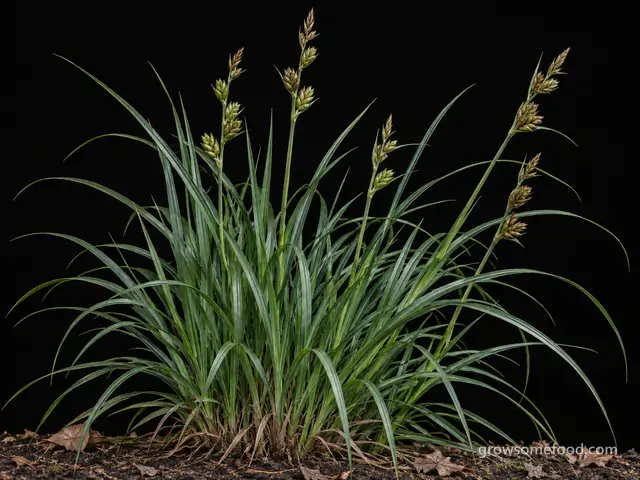
Sedge
A genus-level entry for Carex - roughly 500 native North American species, and collectively the most useful group of plants in native landscaping right now: the green mulch under trees, the lawn alternative for dry shade, the backbone of a rain garden, and the host plant for a whole class of butterflies.
Sedges are safe, non-toxic ornamental and habitat plants, not food crops - a few species were used historically for basketry, cordage, and bedding, not for eating. The leaf edges and stiff stems of the larger wet-meadow species can graze a bare forearm, so wear gloves and long sleeves when cutting big clumps back. One name to keep straight: nutsedge, the glossy yellow-green lawn weed with underground nutlets, is a Cyperus and not a Carex, and nothing on this page applies to it.
Overview
The one thing to knowThis is a genus-level entry, and it needs saying plainly: Carex is not one plant.
This is a genus-level entry, and it needs saying plainly: Carex is not one plant. It is one of the largest genera of flowering plants on earth - roughly 500 species native to North America and close to 2,000 worldwide - and its members range from ankle-high plants that carpet dry shade under an oak to three-foot tussocks that stand in pond water. There is no single set of instructions that fits them all, so everything here is written by type: dry-shade sedges, moist woodland sedges, and wet-meadow sedges. Pick the type that matches your site first, then pick a species. Getting that one decision right is most of the work.
What the genus has in common is worth the trouble. Sedges are cool-season plants that green up weeks before ornamental grasses, so they cover ground before weeds start. Most are deer-resistant and pest-free. They knit into a continuous living layer that suppresses weeds and replaces bark mulch entirely - which is why they have become the standard groundcover of naturalistic and matrix planting design over the last two decades.
Ecologically they carry a specific load. Sedges are the host plants for the satyr and wood-nymph butterflies and for a whole group of sedge skippers, whose caterpillars eat sedge foliage and nothing else. Their seed feeds sparrows, juncos, and turkeys. And a soft sedge layer under a keystone tree gives the caterpillars that drop from its canopy somewhere to pupate - the piece of the food web that lawn and hardscape quietly break.
Quick facts
- Sprouts in
- 30 days14 to 90
- Soil to sprout
- 70 °F55 to 80
- Life cycle
- Perennial, lives about 20 years
- Seed to save
- About 120 days after planting90 to 150
- Height
- 18 in6 to 36
- Spread
- 18 in8 to 30
- Cold
- Takes hard frostdamaged below -40°F
- Heat
- Struggles above 105°F
- Self-sows
- Yes, expect volunteers
Full sun or part sun or part shade or shade · medium water · 15 in apart (10 to 24) · direct sow or transplant or division
When to plant
Fall transplanting is open for 13 more days. Next: fall, Oct 4 to Nov 24.
- Transplant Aug 16 – Oct 4 Open now · 13 days leftAbout 10 weeks before to 3 weeks before your first frost (Oct 25 here)Fall planting works well in milder zones and often better than spring, since cool soil and autumn rain suit them. Get plugs in early enough to root before hard freeze, and skip fall planting on wet sites where small plugs can heave.
- Direct sow Oct 4 – Nov 24 Opens in 13 daysAbout 3 weeks before to 4 weeks after your first frost (Oct 25 here)Most Carex seed needs a cold, moist winter to break dormancy, so dormant-sow in late fall onto a clean firmed seedbed. Germination is slow and erratic and seedlings take two or three years to make a plant - plugs are the standard method for a reason.
- Transplant Mar 20 – May 22 Opens in 180 daysAbout 3 weeks before to 6 weeks after your last frost (Apr 10 here)Spring is the main window. Sedges are cool-season plants that do most of their rooting in the shoulder seasons, so set plugs out as the soil warms and water them through their first summer. Avoid planting into midsummer heat.
Frost here: last around Apr 10 (Mar 27 to Apr 24 most years), first around Oct 25. Zone averages, your own yard may run a week or two either way.
Life stages
One stage to settle in, then three that repeat each year. Windows are typical; your zone and weather move them.
Year 1 - closing the gaps
Day 0 to 150- WaterWater plugs through the first seasonweeklySedges are almost always planted as small plugs, and small plugs dry out fast. Water them through their first spring and summer, whichever type you have chosen - even the dry-shade species need this while they root. From the second year, a well-matched sedge should need nothing.
- WeedWeed relentlessly for two seasonsevery 3 weeksThis is what makes or breaks a sedge planting, and it is the step people skip. Plugs take a full season or two to knit together, and every weed that establishes in the gaps first will still be there in year three. Weed every few weeks until the sedges have closed over the ground - after that they suppress weeds themselves.
- DoPlant close, and match the species to the siteFor a groundcover or lawn alternative, set plugs 8 to 12 inches apart so they knit in one or two seasons; wider spacing means more years of weeding. And get the type right first: a dry-shade sedge in a rain garden and a wet-meadow sedge under a maple will both fail, and no amount of aftercare fixes it.
Watch for- Weeds colonizing the gaps between plugs (the main cause of failure)
- Plugs drying out in their first summer
- Slow visible progress in year one - most of the growth is roots
Early green-up through summer
Mar to Sep, every year- InspectGreen weeks before the warm-season grassesSedges are cool-season plants: they start growing while the soil is still cold and are fully green in early spring, when little bluestem and switchgrass are still brown stubble. That head start is exactly why they work as a groundcover layer - the ground is covered before the weeds get going.
- WaterLet the dry-shade species go brown in a droughtPennsylvania sedge and its relatives evolved under trees and simply go summer-dormant in a real drought, browning off and greening again with rain. That is a strategy, not damage - do not start watering an established dry-shade planting to fix it. Wet-meadow species are the opposite and want steady moisture all season.
- WeedSpot-weed rather than mulchA knitted sedge planting is its own mulch, which is most of the point - do not top-dress it with bark, which smothers the crowns and buries the seedlings that fill gaps. Pull the occasional weed by hand instead and let the sedge close over the bare spot.
Watch for- Full green cover weeks ahead of the warm-season grasses
- Dry-shade species browning off in a drought (normal summer dormancy)
- Wet-meadow species browning in a drought (not normal - they want water)
- Sedge planting closing over and suppressing weeds on its own
Spring spikes & seed
Apr to Jun, every year- InspectSmall green spikes, and the wildlife that wants themSedge flowers are wind-pollinated and quiet - little green, brown, or straw-colored spikes held on triangular stems, charming up close and invisible from across the garden. Some, like palm sedge and the bur sedges, carry genuinely ornamental seedheads. Leave them: sparrows, juncos, and turkeys eat the seed.
- InspectWatch for satyr butterflies and sedge skippersSedges are the host plants for a whole class of butterflies most gardeners never think about - the browns and satyrs that bounce along woodland edges, and the small orange sedge skippers of wet meadows. Their caterpillars eat sedge foliage and nothing else, so a sedge planting is a butterfly planting whether or not it looks like one.
Watch for- Triangular stems carrying small green or brown spikes (roll a stem between your fingers - sedges have edges)
- Satyr and skipper butterflies working the planting
- Modest self-sowing into bare ground nearby (usually welcome)
Winter cover & the late-winter cut
Nov to Mar, every year- PruneCut or mow once, in late winterLeave the foliage standing all winter for cover and for the insects overwintering in it, then cut it back once in late winter or very early spring, before new growth starts. A large lawn-style planting of Pennsylvania or Texas sedge can simply be mown on the highest mower setting; individual clumps get sheared to a few inches. Skip the cut entirely on evergreen species if it looks fine.
- DoDivide in spring if a clump thinsSedges are long-lived and rarely need attention, but an old clump can open in the middle or a spreading species can be thinned to make more plants. Dig and split in early spring as growth resumes, keep the vigorous outer pieces, and replant immediately - divisions resent sitting dry.
Watch for- Semi-evergreen species holding green foliage through winter
- Ratty, flattened foliage after snow (cut it back and it returns)
- Bare center in a very old clump (divide in spring)
Watch out for
3 to know. None are high-risk for seedheads. 2 are active in September.
Wrong Sedge for the SiteSeverity Medium DisordernowA planting that thins, browns, and gaps out during its first or second summer despite reasonable care.
A planting that thins, browns, and gaps out during its first or second summer despite reasonable care. Wet-meadow species browning and shrinking in dry shade - genuine drought stress, not dormancy. Dry-shade species yellowing, going soft at the base, and disappearing over a wet winter in a rain garden or low spot. Plants that never knit together or spread as described. A nursery tag that says only 'sedge' or 'Carex' with no species name - that is the warning sign to catch before you buy.
Move the plants rather than trying to change the site. Sedges transplant easily in spring, so lift them, put them somewhere that matches what they actually want, and replant the original spot with the right type. If a mass planting has already thinned badly, it is usually quicker and cheaper to start over with the correct species than to nurse the wrong one along, and the replacement planting will need far less attention for the next twenty years.
Read the site before you shop: is the ground dry and shaded, moist and shaded, or wet and open? Then buy by species, not by the word sedge, and insist on a Latin name on the tag. Dry shade wants Pennsylvania, Appalachian, Texas, or ivory sedge. Moist woodland shade wants seersucker or blue wood sedge. Wet sun wants tussock, palm, or fox sedge. Regional native-plant nurseries and local extension lists are far more reliable guides here than a general garden center, and a species native to your region will also carry the wildlife value that a generic ornamental sedge does not.
By far the most common way a sedge planting fails, and it is decided at the nursery rather than in the garden. Carex spans roughly 500 North American species with genuinely opposite requirements: a dry-shade sedge from under an oak and a tussock sedge from a wet meadow are as different in their needs as a cactus and a marsh marigold. Sold side by side on the same bench, labelled only 'sedge', they get planted interchangeably. The dry-shade species then rots in the rain garden and the wetland species crisps under the tree, and no amount of watering, feeding, or aftercare corrects either one.
Weeds in an Establishing PlantingSeverity Medium DisorderBare soil visible between plugs at the end of the first season - that is unclaimed ground and it will be claimed.
Bare soil visible between plugs at the end of the first season - that is unclaimed ground and it will be claimed. Perennial weeds with running roots or taproots coming up between plants, especially bindweed, thistle, quackgrass, and nutsedge, which are far harder to remove once they are inside a mat. Annual weeds seeding freely in the gaps in late summer. A planting that looks patchy and mixed rather than uniform going into its second spring.
Hand-weed, and do it while the weeds are small. Once a perennial weed is rooted inside an established sedge mat, digging it out takes sedge with it and opens new bare ground for the next one, so persistence early is worth far more than intervention later. Fill any bare patches promptly with more plugs or with divisions from the planting itself rather than leaving them open. Once the sedges have closed over, the planting suppresses weeds on its own and the job largely ends.
Clear perennial weeds thoroughly before planting - not during. Plant plugs closer than feels necessary, 8 to 12 inches apart for groundcover, so the gaps close in one or two seasons rather than three. Then weed on a schedule, every few weeks through the first two growing seasons, catching things while they pull easily. Do not mulch over the top with bark: it smothers sedge crowns and buries the self-sown seedlings that fill gaps naturally. A light scatter of leaf litter is the only appropriate cover.
Sedges are sold and planted as small plugs, and plugs take one to two full seasons to knit into continuous cover. Everything that happens in the open ground between them in the meantime decides what the planting looks like for the next decade. A perennial weed that establishes in a gap in year one is still there in year five, growing through the middle of a mat that is now difficult to weed without tearing up sedge with it. This is not a plant problem at all - it is the single most common reason a matrix or groundcover planting disappoints.
Leaf Scorch (sun & drought)Severity Low DisordernowRead the browning by type before you act.
Pennsylvania sedge and the other dry-shade species go SUMMER-DORMANT in drought - they brown off and green again with rain, and watering them to fix it does more harm than good. Browning on a wet-meadow species like tussock or fox sedge is real drought stress and means the plant is in the wrong place. First-year plugs of any type scorch easily and simply need water.
Browning that starts at the leaf edges and tips and spreads inward, with a fairly sharp line between the crisp brown tissue and the green that is still healthy. Leaves and fronds going dry, papery, and crisp rather than soft, yellow, or spotted - that is what separates this from a fungal problem. Damage worst on the side of the plant facing the sun or the prevailing wind and on the most exposed upper leaves, while the shaded interior stays fine. Symptoms appearing sharply after a heat wave, a dry spell, or a bright windy week in winter. Whole leaves or fronds shed early as the plant cuts its losses.
Water deeply, mulch, and improve the shade - that is the whole treatment, because there is nothing here to kill. Leaves that are already scorched will not recover, so trim off badly browned foliage or fronds for appearance if you want to; the crown and roots are usually unharmed and push out fresh growth once conditions improve. On a plant that scorches badly every year the answer is to move it rather than to keep watering harder, because the siting is what is wrong. Some plants respond well to being cut back hard, which brings a clean flush of new foliage. And on plants that naturally die back or brown off late in the season, scorching at the end of a dry summer is normal and needs nothing at all.
Site the plant where it actually wants to be. This is a placement problem far more often than a watering problem, and a shade plant in hot afternoon sun will scorch every summer however much you water it. Give shade and woodland plants part-to-full shade and shelter from hot afternoon sun and drying wind. Keep the root zone consistently moist and mulch it well with leaf litter or another organic mulch, which holds water and keeps the roots cool - the single most useful routine step. Water deeply and thoroughly during dry spells rather than little and often, so moisture reaches the whole root zone. Pay particular attention through the first year after planting, when the root system is small and cannot keep up with the leaves. On evergreens in cold regions, make sure the plant goes into winter well watered, and keep it out of bright, windy, exposed positions.
Leaf scorch is not a disease and there is nothing to spray for it. It is what happens when a leaf loses water faster than the roots can replace it: the tissue farthest from the veins - the margins and the tips - dries out first and turns brown and papery, and the browning works inward while the rest of the leaf stays green. Hot sun, dry soil, drying wind, heat reflected off paving or a wall, a small or damaged root system, and a plant sited somewhere sunnier or drier than it wants are the usual causes, singly or together. It also happens in winter on evergreens, when bright sun and wind pull water out of the leaves while the ground is frozen and the roots cannot resupply. Shade and woodland plants, shallow-rooted plants, and anything recently planted scorch most easily.
Good & bad neighbors
Plant nearby
-
The pairing this genus exists for in a garden. Most caterpillars that feed in an oak canopy drop to the ground to pupate, and lawn, bark mulch, or paving under the tree breaks that cycle. A sedge and leaf-litter layer beneath an oak is the soft landing that completes what the tree is doing - and dry-shade sedges are among the very few plants that thrive in that rooty, shaded ground.
-
For the wet end of the genus. Blue flag and tussock or fox sedge are natural neighbors in a wet meadow or rain garden - the sedge builds the matrix that holds soil and filters runoff, the iris supplies the flower.
-
An evergreen native fern for the same dry to moderate woodland shade, giving structure and winter presence above a sedge carpet. Together they hold a shaded slope against erosion with almost no maintenance.
-
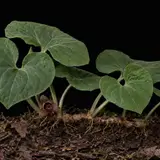
Broad glossy heart-shaped leaves against fine sedge texture is one of the most reliable combinations in a woodland garden, and both want the same humus-rich shade. The sedge covers ground between ginger colonies and keeps weeds out of the gaps.
-
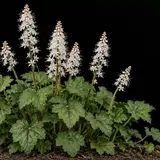
A low native woodland groundcover that runs happily through a moist-shade sedge planting, adding spring bloom and a second evergreen or semi-evergreen layer. The classic sedge-and-wildflower matrix under trees.
-
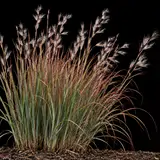
In a sunny meadow planting, cool-season sedges and warm-season bunchgrass cover opposite halves of the year: the sedge is green and holding ground in April while the bluestem is still dormant, and the bluestem carries color from midsummer into winter.
Varieties · 9
You pick one when you add Sedge to your garden. Its days to maturity set your harvest window.
Dry-shade sedges 4 varieties
Pennsylvania Sedge (Carex pensylvanica)
Fine soft green blades forming a low, gently flowing carpet under trees.
nativespreadinglawn-alternativemowableThe best-known native lawn alternative in the eastern half of the country. Fine, soft, arching blades about 8 inches tall that spread gently by rhizome into a continuous tousled carpet under trees, where turf will not grow. Takes light foot traffic, can be mown once or twice a season or left unmown, and goes summer-dormant in drought. The default choice for dry shade in the Northeast and Midwest.
Appalachian Sedge (Carex appalachica)
Fine hair-like green fountains in tidy, non-spreading clumps.
nativeclumpingfine-texturednon-spreadingA clumping rather than running sedge, forming fine, hair-like fountains about a foot across in dry shade. Because it stays put, it is the better choice than Pennsylvania sedge in a small bed or where you want a defined edge, and it mixes beautifully with woodland wildflowers rather than swallowing them.
Texas Sedge (Carex texensis)
Low, dense, fine-textured green turf-like cover.
nativesoutheastlawn-alternativeheat-tolerantThe southern counterpart to Pennsylvania sedge and the standard native lawn substitute across the Southeast and south-central states. Low, fine, and dense, it handles heat and part shade, takes mowing, and tolerates more sun than most dry-shade sedges - the practical answer where fescue struggles and Bermuda is unwanted.
Moist woodland sedges 2 varieties
Seersucker Sedge (Carex plantaginea)
Broad puckered strap-like leaves in a rosette, with dark spring spikes.
nativebroad-leavedsemi-evergreenspring-flowersThe most ornamental of the woodland sedges: broad, strap-like, distinctly puckered leaves an inch wide, semi-evergreen through winter, with genuinely showy dark purple-and-cream flower spikes in early spring. A specimen plant rather than a groundcover, best in humus-rich moist shade among trillium and foamflower.
Blue Wood Sedge (Carex flaccosperma)
Low rosettes of wide, soft powder-blue foliage.
nativeblue-foliagesemi-evergreensoutheastWide powder-blue leaves in low semi-evergreen rosettes, holding color through much of the year in the Southeast and mid-Atlantic. One of the few genuinely blue plants for shade, and effective massed in a woodland garden or along a shaded walk in moist, humus-rich soil.
Wet-meadow and rain-garden sedges 3 varieties
Tussock Sedge (Carex stricta)
Fine arching green foliage rising from a raised hummock of old growth.
nativewetlandfoundation-specieserosion-controlThe foundation plant of the northern sedge meadow, building raised hummocks of fine foliage a foot or more high that structure entire wetlands, filter runoff, and hold stream banks. Wants sun and ground that stays wet, and is the first choice for a rain garden, pond edge, or restoration planting - as much engineering as ornament.
Palm Sedge (Carex muskingumensis)
Upright stems topped with whorls of narrow leaves like small palm fronds.
nativearchitecturalmoistmidwestDistinctive and architectural: upright stems two to three feet tall carrying whorls of narrow leaves that really do look like little palm fronds or bamboo. Happy in moist to wet soil in sun or part shade, spreads slowly into a colony, and is one of the few sedges good enough for cutting.
Fox Sedge (Carex vulpinoidea)
Upright green clumps topped with dense bristly greenish-brown bottlebrush seedheads.
nativetoughfastrain-gardenA tough, fast, widely adaptable wet-ground sedge with bristly bottlebrush seedheads that give it its name. It establishes quickly, tolerates a wide moisture range including seasonal flooding, and is the workhorse of rain-garden and bioswale plantings. Self-sows enthusiastically, which is useful in a restoration and busy in a tidy bed.
Grower tips
Notes from growers, tagged with the zone they grow in. A person reads every post before it appears.
Nobody has posted about Sedge yet. The first one usually saves someone a season.
Free account. Your post shows your grower name and zone, never your email.