Add it to your home screen and it opens full screen: no browser bars, one tap away, and everything stays signed in. Free, nothing to download from an app store.
- Tap the Share button in your browser
- Scroll down and choose “Add to Home Screen”
- Open GrowSomeFood from your home screen
- Open your browser’s menu
- Choose “Add to Home screen” or “Install app”
- Open GrowSomeFood from your home screen
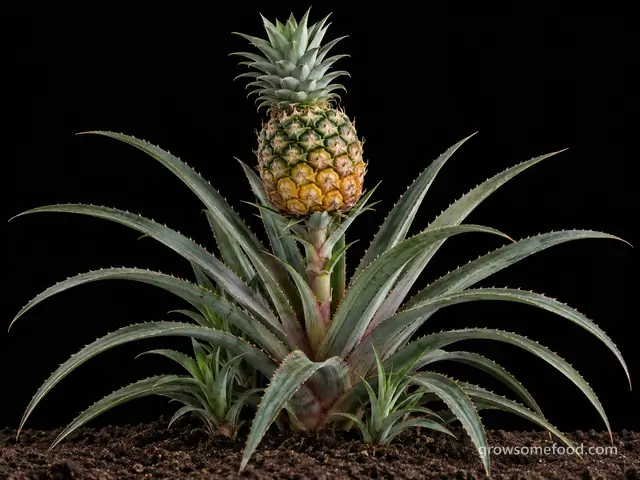
Pineapple
A bromeliad, not a tree fruit - a spiny ground rosette that you can start from the top of a supermarket pineapple. It fruits once, in about two years, then hands off to its suckers. Ripe only: it never sweetens after picking.
Ripe pineapple is food; green pineapple is not - unripe fruit and its juice are a harsh throat irritant and a strong purgative. Even ripe fruit carries bromelain, a protein-digesting enzyme, alongside calcium oxalate needles, which is why a lot of fresh pineapple leaves the mouth raw; the effect is real, harmless, and destroyed by cooking. Most varieties have hooked spines down every leaf edge that cut skin - wear gloves and long sleeves, and keep spiny plants well back from paths and children.
Overview
The one thing to knowIt is a terrestrial bromeliad - a low, tough rosette of long, stiff, usually spiny leaves sitting on the ground, three feet across at most, with a single fruit pushed up on a short stalk from the centre.
The pineapple is the most familiar tropical fruit in America and almost nobody knows what the plant looks like. It is a terrestrial bromeliad - a low, tough rosette of long, stiff, usually spiny leaves sitting on the ground, three feet across at most, with a single fruit pushed up on a short stalk from the centre. It is a relative of Spanish moss and of the air plants people keep on shelves, and it behaves like one: it drinks through the cup at the centre of its rosette, it stores water in its leaves, and it tolerates drought that would kill most fruit.
It is also the easiest fruit plant in the world to acquire, because you can start one from the crown of a supermarket pineapple for free. The catch is patience: a crown takes roughly two to three years to reach fruiting size, and a fruit takes another five to seven months to fill after flowering. The plant then fruits once and dies, having already produced suckers around its base and slips on the fruit stalk that carry the line on - and those fruit considerably faster than the original crown did.
Two things everyone should know before growing one. First, a pineapple does not sweeten after it is picked. It softens and gets juicier, but every gram of sugar is made on the plant, so the whole point of growing your own is waiting until the shell has gone gold at the base. Second, most varieties are armed: hooked spines run the length of every leaf edge and they cut. Smooth Cayenne and its descendants are nearly spineless and are what you want anywhere near a path or a child.
Quick facts
- Life cycle
- Perennial, lives about 5 years
- Height
- 36 in24 to 48
- Spread
- 36 in24 to 60
- Cold
- Killed by frostdamaged below 32°F
- Heat
- Struggles above 105°F
Full sun or part sun · low water · well-drained soil · 24 in apart (12 to 36) · transplant or cuttings or division
When to plant
Nothing is open today. Spring transplanting opens 7 months, Apr 15 to Jun 15.
- Transplant Apr 15 – Jun 15 Opens in 206 daysContainer culture only: outdoors in full sun once nights are reliably above 55°F, back indoors to a bright window or grow light before the first frost. Two or three summers outside will usually get a plant to fruiting size.
Frost here: last around Apr 10 (Mar 27 to Apr 24 most years), first around Oct 25. Zone averages, your own yard may run a week or two either way.
Life stages
Five stages to settle in, then one that repeat each year. Windows are typical; your zone and weather move them.
Rooting the crown or slip
Day 0 to 90- DoStrip and dry the base before you plant itTwist the crown off a ripe pineapple rather than cutting it, pull the lowest inch of small leaves off to expose the stub, and let it dry somewhere shaded for two to seven days so the cut callouses. Planting a wet, freshly cut crown straight into damp soil is the classic way to rot it.
- WaterWater sparingly until roots formevery 10 daysA crown has no roots for the first six to ten weeks and cannot take up much water, so keep the mix barely damp rather than moist. More crowns are lost to rot at this stage than to anything else. Once new leaves start growing from the centre, it has rooted.
- ProtectGive it warmth and bright light, not full blazing sunA rooting crown wants warmth, humidity and bright indirect light. Move it into full sun gradually once it is growing, so the leaves do not scorch.
Watch for- The base going soft and brown (rot from planting it too wet or too fresh)
- The original leaves browning at the tips - normal; watch the centre instead
- New leaves emerging from the middle, which means it has rooted
Growing to fruiting size (the long wait)
Day 90 to 540- FertilizeFeed into the leaf cup as well as the soilevery 42 daysPineapple is a bromeliad and takes up a good deal of water and nutrient through the cup at the centre of its rosette and through the leaf bases. Pour a dilute liquid feed into the cup and over the leaves every four to six weeks in warm weather, as well as feeding the soil. Do not use anything strong or undiluted - it will burn the growing point.
- WaterWater into the cup, and let the soil dry betweenevery 10 daysThis is a CAM succulent-style plant that genuinely tolerates drought. Fill the central cup and water the soil, then let the top few inches dry out completely before watering again. Constantly wet soil rots the base; an empty cup for a week does no harm at all.
- InspectCount the leaves - size decides when it can fruitA pineapple flowers when it is big enough, not when it is old enough. Roughly thirty mature leaves, or a rosette two to three feet across, is the threshold. Until then no amount of feeding or forcing will produce a fruit, so the job is simply to grow the plant.
- ProtectMove containers indoors before frostBelow about 32°F a pineapple is damaged and below 28°F it dies. Outside zones 10 and 11 this is a container plant: outdoors for the warm season, indoors by the brightest window or under lights before the first frost.
Watch for- Slow growth in cool weather - normal, it needs heat
- Soft, dark rot in the centre of the rosette after cold or wet spells
- Mealybugs and ants down among the leaf bases
Flowering (and the apple-in-a-bag trick)
Day 540 to 580- DoForce flowering with ethylene once the plant is big enoughA mature plant can be pushed into flower on your schedule instead of its own. Let the soil dry a little, seal a ripe apple or two inside a clear plastic bag over the whole plant for four to seven days somewhere out of direct sun, then remove it - the ethylene the apple gives off triggers flowering, and a red cone appears in the centre in about six to ten weeks. It only works on a plant that has already reached fruiting size.
- InspectWatch the flower head form - no pollination neededA red-purple cone pushes up from the centre and opens dozens of small blue-violet flowers over a couple of weeks. Commercial pineapples are seedless and set fruit without pollination, so there is nothing for you to do; hummingbirds sometimes pollinate garden plants, which produces hard little seeds in the flesh.
- WaterKeep water steady once the flower head appearsweeklyThe plant switches from surviving to building a fruit. Water more regularly now than during the long growing phase, keeping the cup topped up, though still letting the soil surface dry between waterings.
Watch for- The red cone emerging from the centre of the rosette
- A plant that will not flower - usually still too small, not too young
- Sunburn on the developing head in intense sun and heat
Fruit filling (five to seven months)
Day 580 to 740- WaterWater and feed regularly while the fruit fillsweeklyFruit takes roughly five to seven months from flower to ripe. Steady moisture and continued light feeding through that stretch is what makes the difference between a golf ball and a real pineapple; a drought-stressed plant fruits, but poorly.
- SupportProp a heavy fruit before it topples the plantA full-sized pineapple on a slender stalk will lean the whole plant over, especially in a container. A stake and a soft tie, or a collar of stones around the pot, keeps it upright and stops the stalk snapping.
- ProtectShade the fruit in fierce sunSunburn on the exposed shoulder of a ripening pineapple turns the flesh translucent and then rotten. In a hot inland or desert climate, tie a few of the plant's own leaves loosely over the fruit, or drape shade cloth during the worst weeks.
Watch for- Sunscald on the sun-facing side of the fruit
- The fruit leaning the plant over
- Ants running up the stalk to farm mealybugs on the fruit
Harvest (it does not sweeten after picking)
Day 560 to 1090 to the first pull- HarvestWait for gold at the base and a sweet smellCut the fruit with a short length of stalk once at least the bottom third of the shell has turned from green to gold, the eyes have flattened and filled out, and the base smells strongly sweet. A pineapple gets softer and juicier after picking but no sweeter - the sugar is all made on the plant, so cutting it early costs you the flavour permanently.
- DoKeep the suckers - they are next year's cropThe mother plant fruits once and then slowly dies, but by harvest it has usually produced suckers at the leaf bases and slips on the fruit stalk. Leave one or two suckers on the plant to carry on in place, or detach and pot them; they fruit far faster than a crown does.
- ProtectWear gloves and sleeves to cut itReaching into the middle of a spiny pineapple with bare arms is how people learn which variety they planted. Long sleeves and gloves, and cut the stalk cleanly rather than wrestling the fruit off.
Watch for- Fruit picked while fully green - it will never sweeten
- Fruit left too long going soft, fermented and fly-blown
- Rats, raccoons and birds finding a ripening fruit before you do
Cool season / indoors
Nov to Mar, every year- ProtectIndoors before the first frost, outside all winter in zones 10-11In zones 10 and 11 a pineapple simply keeps growing. Everywhere else it comes indoors before frost, to the brightest window you have or under a grow light; a cool, dim corner for four months sets it back a whole season.
- WaterWater much less in winterevery 3 weeksA pineapple in low light and cool temperatures is barely growing and rots easily. Cut watering right back, keep the cup only lightly filled or empty, and let the soil dry well between waterings until warmth and growth return.
- InspectCheck for mealybugs and scale in dry indoor airOverwintering indoors in dry, still air is when mealybugs and scale build up unnoticed down among the leaf bases. Look into the crevices monthly and deal with them while there are only a few.
Watch for- Soft, foul-smelling rot in the centre of the plant after a cold snap
- Pale, stretched, floppy leaves from too little winter light
- Mealybugs, scale and their attendant ants in the leaf axils
Harvest
- The shell has turned from green to gold, starting at the base and moving up - at least the bottom third
- A strong, sweet, unmistakably pineapple smell at the base of the fruit
- The eyes have flattened and filled out, and the fruit gives very slightly to a squeeze
- A dull, solid thud rather than a hollow sound when you flick the side with a finger
- Wait for gold at the base and a sweet smell
- Keep the suckers - they are next year's crop
- Wear gloves and sleeves to cut it
Per plant 1 to 2 fruits, 1 to 6 lbPicking pull onceFirst crop 1 to 3 yrs
Cook with pineapples
Watch out for
5 to know. 3 are high-risk: Mealybugs, Mealybug Wilt of Pineapple, Heart & Root Rot. 3 are active in September.
MealybugsSeverity High PestnowThe single most serious pest of pineapple, and not because of the feeding: the pineapple mealybug transmits the viruses behind mealybug wilt, which kills plants outright.
Ant control is the practical lever, since ants carry mealybugs from plant to plant. They shelter deep among the leaf bases, so any treatment must be aimed down into the axils, and plants overwintered indoors need checking monthly.
White cottony masses tucked into leaf axils, crevices and stem joints, which smear rather than brush off. A sticky shine on the leaves and on the surface beneath the plant, later blackened with sooty mold. Ants running steadily up and down the stems - often the first thing anyone notices. Yellowing, stunted or distorted growth with no other obvious cause. On a plant that has been treated repeatedly and keeps declining, check the roots, because root-dwelling mealybugs are easy to miss entirely.
Deal with small colonies mechanically: dab them with a cotton bud dipped in rubbing alcohol, wipe them off with a damp cloth, or wash the plant down with a firm jet of water aimed into the crevices where they hide. For anything larger, spray insecticidal soap or horticultural oil directly onto the insects, which means getting into the axils and undersides where they actually live, and repeat every seven to ten days for at least three rounds, because the waxy coat protects them and contact sprays do not kill the eggs. Cut out badly infested growth rather than nursing it, deal with the ants at the same time or the colony rebuilds, and test any oil first, since it can burn foliage in heat.
Inspect new plants thoroughly before you buy, and quarantine anything you bring indoors for a few weeks - mealybugs almost always arrive on another plant rather than flying in. Check leaf axils and crevices every few weeks on anything grown under cover, since a colony found early is trivially dealt with. Control the ants that protect and spread them; a sticky barrier on a pot rim or a stem does a lot of work. Keep plants unstressed, avoid heavy nitrogen feeding, and do not leave them standing in hot, dry, stagnant air.
Soft, slow-moving sap-suckers that coat themselves and their egg masses in a white waxy fluff, so a colony looks like scattered specks of cotton wool rather than like insects. They wedge into the places hardest to see and hardest to spray - leaf axils, crevices, stem joints, leaf undersides, the base of the plant, and sometimes the roots - and feed there for weeks, weakening growth and excreting sticky honeydew that blackens with sooty mold. Ants farm them for that honeydew, carry them from plant to plant, and drive off the predators that would otherwise control them. Populations explode in warm, dry, still air, which is why indoor and greenhouse plants suffer worst.
Mealybug Wilt of PineappleSeverity High DiseasenowRare on a single houseplant pineapple with no mealybugs; a serious risk in old pineapple ground and in warm climates where ants are abundant.
If your plant is reddening, curling and wilting in damp soil, look for mealybugs in the leaf axils before blaming the watering.
Leaves reddening or turning a pink-bronze colour across the whole plant, which is dramatic and easily mistaken for sun colouring or a nutrient problem at first. Leaf tips dying back, browning, and curling downward and inward, with the margins rolling. A plant that wilts and looks drought-stressed while the soil is plainly damp - the sign that the roots have gone. Growth stopping entirely, and any fruit staying small. Mealybugs and their attendant ants down in the leaf axils and around the base, which is the necessary precondition.
There is no cure. Remove and destroy affected plants, and treat the mealybug and ant population in the surrounding bed or pots as the real target. Healthy suckers from a plant showing symptoms should not be used as propagation material. Replant clean stock elsewhere.
This is a disease you keep out rather than cure. Take crowns, slips and suckers only from healthy, mealybug-free plants, and be wary of planting material from an affected bed. Control mealybugs continuously, and control ants, which are what move mealybugs from plant to plant - a sticky barrier or ant bait around a bed or pot does more than anything you spray on the leaves. Remove and destroy affected plants promptly instead of leaving them among healthy ones, and do not replant pineapple straight back into ground where the disease has appeared. Keep plants growing steadily, since stressed plants show symptoms soonest.
The most destructive disease of pineapple worldwide, and an unusual one: it appears where mealybugs feed on a plant carrying pineapple mealybug wilt-associated viruses, and neither the insect nor the virus alone reliably produces it. Affected plants turn a striking red or pink-bronze, the leaf tips die back and curl inward, the leaf edges roll, growth stops, and the root system collapses so the plant wilts even in moist soil. It usually kills, and any fruit produced is small and worthless. Because the viruses are carried in planting material and moved between plants by mealybugs, which are in turn carried by ants, the disease travels with crowns, slips and suckers taken from affected ground.
Heart & Root RotSeverity High DiseaseThe commonest way a home pineapple dies, and almost always self-inflicted - an overwatered pot in a cool room, or a crown planted fresh and wet.
A pineapple would far rather be too dry than too wet.
The central cluster of young leaves going pale, yellow or brown at the base and pulling out of the plant with a gentle tug - the definitive test, and the definitive bad news. A sour or foul smell from the centre of the rosette. Water-soaked, translucent, soft tissue at the base of the leaves rather than dry brown damage. A plant that wilts, reddens and stops growing while the soil is clearly moist. Symptoms appearing after a cold snap, a wet winter, or a spell of overwatering in low light.
A plant whose heart has rotted cannot be saved - remove it and do not replant pineapple into the same wet spot without fixing the drainage first. If the rot is caught at the base of a plant that still has firm healthy suckers, those suckers can be cut away, allowed to callus, and rooted as clean replacements. Discard rather than compost affected material. Everything else is prevention: this is a disease of conditions, and correcting the drainage and the watering is the only durable answer.
Drainage and restraint. Plant into sandy, sharply draining, slightly acid soil or a cactus-type mix, on raised ground or a mound in heavy soil, and never in a low spot that holds water. Water into the cup and onto the soil, then let the top few inches dry out completely before watering again, and cut back sharply in cool weather and low light when the plant is barely growing. Do not let a pot stand in a full saucer. Let crowns, slips and suckers callus for several days before planting, and keep them on the dry side until rooted. Avoid piling mulch or organic matter against the base of the plant.
Phytophthora water molds attack pineapple through the base of the plant and the heart of the rosette, and they are the classic killer of pineapples in cold, wet soil or in a container that stays saturated. The centre of the plant rots first: the young leaves go pale or yellow at the base, then soft and water-soaked, and the whole heart can be lifted out of the plant in one piece, leaving a foul-smelling cavity. Root rot from the same organisms produces a plant that wilts and reddens while standing in damp ground because it no longer has functioning roots. Cool weather plus wet soil is the combination that triggers it, which is why it appears in winter, in heavy ground and in overwatered pots.
Scale & Sooty MoldSeverity Medium PestnowPineapple scale settles in rows along the leaf undersides and down in the axils, and builds up fastest on plants overwintered indoors in dry, still air.
There is no wood to prune out here, so treatment means wiping, washing, and oil sprays aimed down into the leaf bases - and dealing with the ants at the same time.
Rows of small brown, tan, black, white, or waxy bumps along stems, twigs, leaf midribs, and leaf undersides that do not brush off but can be scraped loose with a fingernail. A sticky shine on the leaves - and on the floor, table, or path beneath the plant - that later turns black with sooty mold. Ants running steadily up and down the stems, since they farm and defend scale for that honeydew; often the first sign anything is wrong. Yellowing leaves, weak thin growth, and dieback of individual branches or canes that are heavily encrusted. On fruit crops, scale covers and sooty mold directly on the fruit. Check the leaf undersides and the shaded inner wood, which is where colonies build up unseen.
Horticultural oil is the main control: it works by smothering, so it has to coat the insects thoroughly - stems, twigs, and leaf undersides - and it usually needs repeating, because the waxy covering shields them and no single pass reaches everything. On deciduous woody plants a dormant-season oil smothers the overwintering stage while the leaves are out of the way, and timing a growing-season spray to the crawler stage, when the young are mobile and uncovered, is far more effective than spraying settled adults. On a small plant or a light infestation, scrub or wipe the scales off by hand, or dab them with a cotton swab of rubbing alcohol. Prune out and destroy badly encrusted wood rather than trying to save it. Wash off the sooty mold once the scale is gone - it lives on the honeydew, not on the plant, and stops once the supply does. Anything you spray must be labeled for the plant, and oils can burn delicate foliage, so test first.
Inspect. Look over leaf undersides and stems regularly - on a crop you pick, every harvest is a scouting chance - and check every new plant thoroughly before you buy it, plant it, or set it beside anything else, because scale almost always arrives on a plant rather than flying in. Quarantine new houseplants for a few weeks. Keep plants unstressed and not over-fertilized, since soft, forced growth is what populations build on. Prune for airflow and light to open up the shaded inner growth where scale hides, and prune out heavily infested wood as routine maintenance - on anything that gets a hard annual pruning, that alone removes most of any buildup. Leave the lady beetles, lacewings, and parasitic wasps alone, since they normally keep scale down to nothing, and keep ants off the plant where you can, because ants protect the colonies from those predators. Indoors, avoid hot, dry, still winter air.
Scale insects are sap-suckers that spend most of their lives immobile, fixed to a stem, twig, or leaf underside beneath a waxy or shell-like cover. They look far more like bumps, blisters, or crusty encrustations than like insects, which is why an infestation is usually well established before anyone notices it. Soft scales excrete large amounts of sticky honeydew that drips onto everything below and grows a black sooty mold - and those blackened leaves are often the first thing a gardener actually sees. Armored scales produce no honeydew but sit under a hard shield that protects them from most sprays. They spread as tiny mobile crawlers in the weeks after hatching, which is the only stage that moves and the only stage that is easy to kill. Populations build on stressed plants, on crowded shaded growth, and above all on plants kept indoors in dry, still air over winter.
Root RotSeverity Medium DiseaseChiefly a problem on newly planted crowns kept wet before they root, and on container plants overwintered indoors in cool, low-light conditions and watered on a summer schedule.
Let cuttings callus before planting, keep them barely damp until new growth appears from the centre, and cut winter watering right back.
Wilting in the middle of the day on a plant whose soil is damp - the classic tell, and the reason people water a rotting plant and finish it off. Leaves yellowing from the bottom up, dull off-color foliage, and growth that stalls for no visible reason. Whole shoots, or one side of the plant, collapsing while the rest still looks fine. Soft, dark, or mushy tissue at the base of the stem or at the crown, sometimes with a sour smell. Lift a failing plant and look at the roots: healthy ones are firm and pale, rotted ones are brown or black and slimy, and the outer layer slips off between your fingers leaving a thread of core behind. Seedlings that topple over at soil level are the same problem, called damping-off.
There is no cure for tissue that has already rotted, so act on the conditions rather than looking for a spray. Stop watering at once and fix the drainage - open up compacted soil, or move the plant to a raised, sharply drained position or a container. Lift a badly affected plant, cut away every soft dark root and rotted section with a clean blade back to firm pale tissue, and replant only the healthy parts into fresh free-draining soil or mix. Often the better move is to give up on the plant and save its offspring instead: cuttings, offsets, or divisions taken from firm healthy growth root readily and give you a clean start. Bin the rotted material rather than composting it, and correct the drainage before you replant, because the rot comes straight back in the same wet spot.
Drainage is the whole defense. Match the plant to the site first - something that wants sharp drainage will not survive heavy clay or a low, water-collecting spot however well you tend it. Where the ground is heavy, plant on a raised bed, berm, or slope, or grow in a container. Set plants at the depth they were already growing, since burying the crown or the root flare is a common cause of rot, and keep mulch pulled back a few inches from the stem base instead of piled against it. Water the soil rather than the calendar: check that the top inch or two is dry before watering again, cut back hard in cool weather and winter dormancy, and never leave a pot standing in a full saucer. Do not plant or dig in soggy ground, and go easy on rich amendments for plants that want it lean. Rotate annual crops, and start with clean healthy plants and fresh mix.
Root rot is not one organism but a group of soil fungi and water molds - Pythium, Phytophthora, Fusarium, Rhizoctonia and others - that sit harmlessly in most soils and only turn destructive when the ground stays saturated. Waterlogged soil drives the air out, the roots suffocate, and the weakened tissue is invaded and goes soft, brown, and stringy. Because the damage is underground you usually see it first as something that looks like drought: wilting, yellowing, stunting, a plant that does not respond to being watered. Overwatering, heavy compacted ground, a low spot that collects runoff, a pot with no drainage or a saucer left standing full, and cold wet soil in winter are the usual causes. Once roots have actually rotted there is no cure - this is a problem you prevent rather than treat.
Good & bad neighbors
All of these are traditional pairings. The evidence is thin, so treat them as a nudge, not a rule.
Plant nearby
-
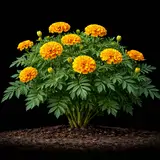
French marigolds suppress root-knot nematodes, which are a genuine problem in ground that has grown pineapple before. Worth working into a bed between plantings rather than planting tight against the rosettes.
-
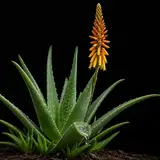
Not a functional pairing so much as a practical one: aloe wants exactly the same sharp drainage, dry spells and container culture, so the two are easy to grow side by side and to water on the same schedule.
-
A traditional tropical living mulch between pineapple rows that shades bare soil and suppresses weeds. Keep the vines well clear of the rosettes themselves - anything that traps damp against the base of a pineapple invites heart rot.

Keep apart
-
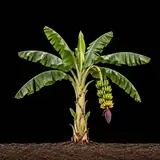
A bad neighbour in practice rather than in chemistry. Bananas want constant heavy watering, deep mulch and shade out everything beneath them, while pineapple wants full sun and soil that dries between waterings. Keep them in separate beds.
Varieties · 6
You pick one when you add Pineapple to your garden. Its days to maturity set your harvest window.
Smooth-leaved types 2 varieties
Smooth Cayenne
Large cylindrical fruit with pale golden-yellow flesh, on a broad rosette of smooth-edged blue-green leaves.
smooth-leaflarge-fruitclassiccanningThe variety that built the industry and still the standard against which pineapples are judged: large cylindrical fruit of four to six pounds, pale yellow, juicy, with a well-balanced sweet-acid flavour and a tough core. Its nearly spineless leaves make it much the most comfortable pineapple to grow at home. This is the pineapple James Dole canned in Hawaii, and the parent of most modern varieties.
MD-2 (Gold / Extra Sweet)
Cylindrical fruit with deep golden-yellow, very sweet flesh; smooth-edged leaves.
smooth-leafvery-sweetlow-acidhigh-vitamin-cThe pineapple that took over the fresh market in the 1990s and the one most people now think of as normal: noticeably sweeter and lower in acid than Smooth Cayenne, with deep golden flesh, about four times the vitamin C, and better keeping quality. A Cayenne descendant, so it shares the smooth, comfortable leaves. Sold as Gold, Extra Sweet or Del Monte Gold.
Spiny-leaved types 3 varieties
Red Spanish
Squarish orange-red fruit with pale fibrous flesh, on a rosette of sharply spined leaves.
spiny-leafaromatictoughhardyThe old Caribbean shipping pineapple: squarish, reddish-orange fruit with pale, fibrous, strongly aromatic flesh and a tough shell that travels well. Hardier and more disease-tolerant than Cayenne, which makes it forgiving in a home garden, but the leaves are heavily spined and it is not a plant to brush past. Historically the pineapple of Puerto Rico, Cuba and Florida.
Queen (Natal Queen)
Small, deep golden fruit with crisp sweet flesh, on a compact rosette of narrow, heavily spined leaves.
spiny-leafsmall-fruitvery-sweettender-coreA small, intensely sweet, deep golden pineapple with crisp, less fibrous flesh and a core tender enough to eat - widely regarded as the best-flavoured type for a home garden, and more tolerant of cool weather and disease than Cayenne. Its compact size suits containers well. The trade-off is a thoroughly spiny plant that demands gloves.
Variegated Pineapple
Striking cream, green and pink striped leaves with heavy hooked spines; small bright pink-red fruit.
spiny-leafornamentalvariegatedsmall-fruitGrown for looks first: brilliant cream-and-green striped leaves flushing pink and red in full sun, topped by a small, deep pink-red fruit that is edible but modest. A spectacular container and landscape plant in frost-free gardens. It is also the most viciously armed pineapple in common cultivation, with large hooked spines the full length of every leaf, so site it where nobody will walk into it.
Other varieties 1 variety
Sugarloaf
Conical fruit with white to very pale yellow flesh, low acid, and a tender edible core.
white-fleshlow-acidtender-coregourmetA group of low-acid, white to pale-yellow-fleshed pineapples sold under several regional names, prized for exceptional sweetness with almost no acid bite and a core soft enough to eat whole. Kona Sugarloaf from Hawaii is the best-known. Leaf spininess varies between strains sold under this name, so check the plant before you handle it rather than assuming.
Grower tips
Notes from growers, tagged with the zone they grow in. A person reads every post before it appears.
Nobody has posted about Pineapple yet. The first one usually saves someone a season.
Free account. Your post shows your grower name and zone, never your email.