Add it to your home screen and it opens full screen: no browser bars, one tap away, and everything stays signed in. Free, nothing to download from an app store.
- Tap the Share button in your browser
- Scroll down and choose “Add to Home Screen”
- Open GrowSomeFood from your home screen
- Open your browser’s menu
- Choose “Add to Home screen” or “Install app”
- Open GrowSomeFood from your home screen
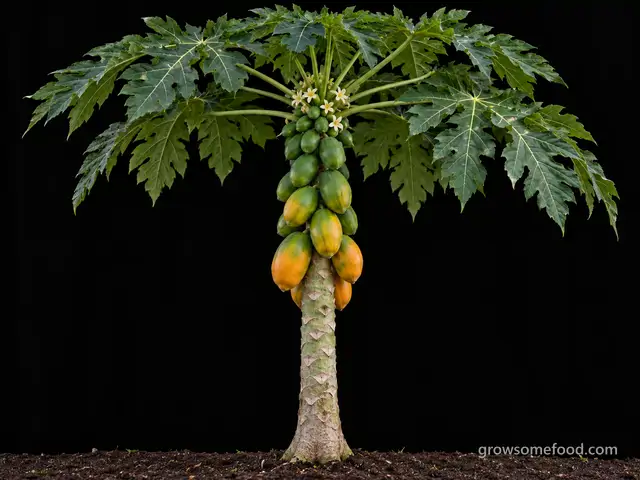
Papaya
The fastest fruit you can grow: seed to harvest in under a year on a soft-stemmed giant herb. The catch is that a papaya is male, female or hermaphrodite, and you cannot tell until it flowers - so you plant several and cull.
Ripe papaya is simply food. The milky latex in green fruit, stems and leaves is raw papain: it irritates skin and eyes, and people allergic to natural rubber latex, avocado, banana or kiwi often react to it, so wear gloves when cutting green fruit. Unripe papaya and papaya seeds are traditionally avoided in pregnancy because the latex can stimulate the uterus - ripe fruit is not a concern. Eat the peppery seeds as a seasoning, not by the spoonful.
Overview
The one thing to knowSow a seed in spring and, given real heat, you can be cutting fruit inside nine to twelve months - no other tree fruit comes close.
Papaya is the shortcut of the fruit world. Sow a seed in spring and, given real heat, you can be cutting fruit inside nine to twelve months - no other tree fruit comes close. What grows is not a tree at all but a giant herb: a single soft, hollow, unbranched green trunk topped with a crown of huge lobed leaves, with the fruit forming in a column where the old leaves have fallen away. It grows fast, fruits hard, and burns out in three or four years, which is exactly the deal on offer.
The one thing every new grower has to learn is sex. Papaya plants come as male, female, or hermaphrodite, and you cannot tell which you have until they flower, several months in. Males produce long dangling sprays of small flowers and never fruit. Females produce large single flowers hugging the trunk and need pollen from somewhere else. Hermaphrodites - the Solo types that give the familiar pear-shaped supermarket fruit - carry both parts and fruit alone. The standard practice everywhere papaya is grown is to plant three to five seedlings together and cut out the ones you do not want once the flowers show.
It is uncompromisingly tropical: damaged around 31°F, killed by a real freeze, with no root-hardy resprouting to fall back on. Reliable outdoor growing means zones 10b and 11, with 10a workable and zone 9 a gamble or a container. And a naming note, because two very different plants share one word: the American pawpaw (Asimina triloba) is a hardy temperate tree with custard-flavoured fruit and has its own entry in this catalog. It is not this plant, despite the shared nickname in older books.
Quick facts
- Sprouts in
- 21 days10 to 35
- Soil to sprout
- 85 °F75 to 95
- Start indoors
- 8 weeks before transplant6 to 12
- Life cycle
- Perennial, lives about 4 years
- Height
- 12 ft6 to 30
- Spread
- 5 ft3 to 8
- Cold
- Killed by frostdamaged below 31°F
- Heat
- Struggles above 105°F
- Self-sows
- Yes, expect volunteers
Full sun · medium water · well-drained soil · 8 ft apart (6 to 12) · direct sow or transplant
When to plant
No planting window on record for this zone. Nearest zone with one: 8a.
Frost here: last around Apr 10 (Mar 27 to Apr 24 most years), first around Oct 25. Zone averages, your own yard may run a week or two either way.
Life stages
Six stages to settle in, then one that repeat each year. Windows are typical; your zone and weather move them.
Germination (warmth is everything)
Day 0 to 21 from sowing- ProtectKeep the seed at 85°F or it simply sitsPapaya seed wants real warmth - around 85°F - and germinates slowly and unevenly below it. A heat mat or the warmest spot in the house makes the difference between three weeks and never. Sow several seeds per pot; you will be culling later anyway.
- WaterKeep the mix damp but never soddenevery 2 daysPapaya seedlings damp off readily. Use a free-draining mix, water from below where you can, and give the surface a chance to dry slightly between waterings.
Watch for- Slow, uneven germination - normal, and worse in cool conditions
- Seedlings toppling at soil level (damping off) in a mix kept too wet
Seedling (plant several, cull later)
Day 25 to 90 from sowing- ThinSet out three to five plants per spot, not oneYou cannot tell a papaya's sex until it flowers, months from now. The standard practice is to plant three to five seedlings together in one hole or cluster, then remove the surplus once the flowers show which is which. Planting a single seedling is a coin-flip that often lands on a male, which never fruits.
- ProtectPlant on a mound, alwaysPapaya has almost no tolerance for wet feet, and root and stem rot in soggy ground kills more home plants than cold does. Plant on a raised mound or berm a foot or so high even in sandy soil, and never in a low spot where water collects.
- FertilizeStart light, frequent feeding earlyevery 3 weeksThis is one of the fastest-growing fruit plants there is, and it feeds accordingly. Begin light applications of a balanced fertiliser every few weeks once the plant is established and growing, increasing as it gains size.
Watch for- A single seedling planted alone - you will not know its sex for months
- Sudden collapse at the stem base in wet ground
- Cold nights checking growth to a standstill
Fast growth (the trunk builds)
Day 90 to 240 from sowing- WaterWater regularly, but let the surface dryevery 3 daysPapaya wants steady moisture through its fast growth and hates standing water - a combination that means frequent, moderate watering on well-drained ground rather than heavy soakings. Drought checks growth and drops flowers; saturation kills the plant outright.
- FertilizeFeed generously through the growing seasonmonthlyA papaya can put on six feet in a year and carry fruit at the same time. Feed every three to four weeks in the warm season with a balanced fertiliser, easing back in cool weather when the plant is not growing.
- ProtectShelter it from wind - the roots are shallowA papaya is a top-heavy column of soft tissue on a shallow root plate, and a loaded plant blows over in a squall. Site it in the lee of a building or hedge, and stake a plant in an exposed position before it carries fruit rather than after.
- MulchMulch the root zone, clear of the trunkMulch keeps the shallow roots cool and moist, but must stay several inches back from the trunk - the soft green stem rots quickly where damp material sits against it.
Watch for- Yellowing lower leaves - often normal ageing, but check for wet feet
- Plants leaning or rocking in wind
- Mottled, distorted new leaves with oily streaks on the stems (ringspot virus)
Flowering (this is when you learn its sex)
Day 180 to 330 from sowing- ThinRead the flowers, then cull to one plantMales carry many small flowers on long dangling stalks and never fruit. Females carry single large flowers tight against the trunk and need a male or a hermaphrodite nearby. Hermaphrodites carry slender elongated flowers close to the trunk and fruit on their own - these are the ones to keep. Cut the surplus at ground level once you can tell; keep one male per ten females if all yours are female.
- PollinateHand-pollinate if you kept only femalesA female papaya with no pollen source drops its flowers and sets nothing. If you have no male or hermaphrodite, brush pollen from a male flower onto the female's stigma in the morning, or accept that you need a second plant. Hermaphrodite (Solo-type) plants need none of this.
- WaterDo not let it dry out while floweringevery 3 daysWater stress during flowering causes flower drop and, in hermaphrodite plants, a shift to sterile male-type flowers that set no fruit. Steady moisture at this stage is what turns bloom into a crop.
Watch for- Long dangling flower stalks - that plant is male and will never fruit
- Flowers dropping without setting (no pollen source, heat stress, or dry soil)
- Hermaphrodite plants throwing sterile male-type flowers in a hot dry spell
Fruit set & filling
Day 240 to 360 from sowing- WaterKeep water steady as fruit sizesevery 3 daysFruit takes roughly five to nine months from flower to ripe, filling in a column up the trunk. Even moisture through that stretch sizes the fruit and prevents drop; irregular watering gives you small, poorly flavoured papayas.
- ProtectBag young fruit where fruit flies are establishedIn Florida, south Texas and other areas with papaya fruit fly, slipping a paper or fine mesh bag over each young fruit before it is the size of an egg is the only home control that reliably works. Leave the bag on until harvest.
- SupportBrace a heavily loaded plantA column of fruit up a soft trunk with shallow roots is an invitation to a windstorm. Stake or guy a plant carrying a heavy crop, especially in hurricane and thunderstorm country.
Watch for- Lumpy, bumpy, misshapen fruit (usually boron deficiency)
- Small stings or punctures on young fruit (papaya fruit fly)
- Fruit dropping small after a dry spell
- Dark green rings on the fruit skin (ringspot virus)
Harvest (pick at colour break)
Day 270 to 480 to the first pull from sowing, picking to about day 900- HarvestCut when the first yellow shows at the blossom endevery 4 daysA papaya is ready when a stripe or patch of yellow appears at the blossom end and the latex runs watery rather than milky if you scratch the skin. Cut it with a short stub of stalk and finish ripening it indoors - fruit picked fully green never sweetens properly, fruit left to go fully soft on the plant is taken by birds and flies first.
- ProtectWear gloves - green fruit bleeds latexCutting a papaya that is not fully ripe releases milky latex, which is raw papain: it irritates skin and eyes and provokes reactions in people sensitive to latex, avocado, banana or kiwi. Wear gloves, keep it off your face, and rinse the cut end.
- PruneReplace the plant every three or four yearsA papaya gets taller, less productive and harder to pick every year, and virus and rot accumulate. Most growers start replacement seedlings in year two or three and cut the old plant down once the new one is bearing - this is a crop you renew rather than keep.
Watch for- Birds and rodents on fruit left to soften on the plant
- Fruit picked fully green that never sweetens
- The plant growing taller than you can safely reach
Cool season (marginal zones)
Dec to Feb, every year- ProtectOne freeze ends it - plan for thatPapaya is damaged around 31°F and killed by a real freeze; there is no root-hardy comeback the way there is with a banana. In zones 9 and 10a, wrap the trunk, string lights under a frost cover, or accept the plant as a fast one-or-two-season crop. Container plants come indoors to the brightest spot you have.
- WaterCut watering right back in cool weatherevery 10 daysA papaya that is not actively growing in cool soil rots easily. Reduce watering sharply through the cool season and let the soil dry further between waterings than you would in summer.
Watch for- Stem collapse after a cold, wet spell
- Fruit that stops ripening and stays green through cool weather
- Leaf loss in cold - the growing point is what matters, not the leaves
Harvest
- A stripe or patch of yellow appearing at the blossom end (colour break) - pick here and ripen indoors
- Latex runs clear and watery rather than thick and milky when the skin is scratched
- The fruit has stopped enlarging and the skin has lost its dull, matte green
- For eating: the skin is mostly yellow or orange and the fruit yields to gentle thumb pressure
- Cut when the first yellow shows at the blossom end · every 4 days
- Wear gloves - green fruit bleeds latex
- Replace the plant every three or four years
Per plant 10 to 100 fruits, 10 to 100 lbPicking pick as they ripenFirst crop 1 to 2 yrs
Cook with papayas
Watch out for
6 to know. 3 are high-risk: Root Rot, Papaya Ringspot Virus, Aphids. 5 are active in September.
Root RotSeverity High DiseasenowThe commonest killer of home papayas, and it usually presents as phytophthora stem rot rather than a slow root decline: a healthy plant wilts and the soft green trunk collapses at the soil line within days, often after heavy rain.
There is no salvage. Prevention is entirely in the planting - a raised mound a foot high even on sand, mulch kept several inches clear of the trunk, and watering cut right back in cool weather.
Wilting in the middle of the day on a plant whose soil is damp - the classic tell, and the reason people water a rotting plant and finish it off. Leaves yellowing from the bottom up, dull off-color foliage, and growth that stalls for no visible reason. Whole shoots, or one side of the plant, collapsing while the rest still looks fine. Soft, dark, or mushy tissue at the base of the stem or at the crown, sometimes with a sour smell. Lift a failing plant and look at the roots: healthy ones are firm and pale, rotted ones are brown or black and slimy, and the outer layer slips off between your fingers leaving a thread of core behind. Seedlings that topple over at soil level are the same problem, called damping-off.
There is no cure for tissue that has already rotted, so act on the conditions rather than looking for a spray. Stop watering at once and fix the drainage - open up compacted soil, or move the plant to a raised, sharply drained position or a container. Lift a badly affected plant, cut away every soft dark root and rotted section with a clean blade back to firm pale tissue, and replant only the healthy parts into fresh free-draining soil or mix. Often the better move is to give up on the plant and save its offspring instead: cuttings, offsets, or divisions taken from firm healthy growth root readily and give you a clean start. Bin the rotted material rather than composting it, and correct the drainage before you replant, because the rot comes straight back in the same wet spot.
Drainage is the whole defense. Match the plant to the site first - something that wants sharp drainage will not survive heavy clay or a low, water-collecting spot however well you tend it. Where the ground is heavy, plant on a raised bed, berm, or slope, or grow in a container. Set plants at the depth they were already growing, since burying the crown or the root flare is a common cause of rot, and keep mulch pulled back a few inches from the stem base instead of piled against it. Water the soil rather than the calendar: check that the top inch or two is dry before watering again, cut back hard in cool weather and winter dormancy, and never leave a pot standing in a full saucer. Do not plant or dig in soggy ground, and go easy on rich amendments for plants that want it lean. Rotate annual crops, and start with clean healthy plants and fresh mix.
Root rot is not one organism but a group of soil fungi and water molds - Pythium, Phytophthora, Fusarium, Rhizoctonia and others - that sit harmlessly in most soils and only turn destructive when the ground stays saturated. Waterlogged soil drives the air out, the roots suffocate, and the weakened tissue is invaded and goes soft, brown, and stringy. Because the damage is underground you usually see it first as something that looks like drought: wilting, yellowing, stunting, a plant that does not respond to being watered. Overwatering, heavy compacted ground, a low spot that collects runoff, a pot with no drainage or a saucer left standing full, and cold wet soil in winter are the usual causes. Once roots have actually rotted there is no cure - this is a problem you prevent rather than treat.
Papaya Ringspot VirusSeverity High DiseasenowThe single biggest limit on growing papaya in Florida, Hawaii and much of the Caribbean; less of an issue in isolated gardens and dry inland areas.
If your plant has oily streaks on the leaf stalks, stop looking for a nutrient explanation - that symptom is essentially diagnostic.
Yellow mottling and mosaic on the younger leaves, with the leaf blade puckered, thin, and eventually reduced to narrow strands in severe cases. Dark, oily, water-soaked streaks running along the leaf stalks and the top of the trunk - the most distinctive sign, and one nothing else on a papaya produces. Dark green concentric rings and C-shaped marks on the skin of the fruit. Fruit that stays small, sets poorly, and tastes flat and watery no matter how well it is ripened. A plant that has been growing well slowing down over a few weeks in mid-season.
None. There is no spray, no cure and no recovery for an infected plant. Remove and destroy it promptly rather than nursing it along, because every day it stands it is the source that infects the rest of your planting and your neighbours'. Replant with clean stock in a different spot, and treat papaya as a short-cycle crop you renew rather than a tree you keep.
Start clean and plan for turnover. Buy or grow seed from a healthy source, plant well away from older or declining papayas, and remove any abandoned papaya in the neighbourhood that is acting as a reservoir. Where the virus is established, grow resistant or tolerant cultivars where they are available to you, keep plantings young by starting replacements every year or two, and space plants so a single infection spreads more slowly. Reflective mulch and a nearby barrier crop can reduce aphid landings modestly. Do not rely on insecticides - transmission takes seconds and spraying does not prevent it, and it kills the predators that suppress aphid numbers overall.
The disease that decides how long a papaya planting lasts anywhere it is established, including Florida and Hawaii. It is an aphid-transmitted potyvirus, spread when an aphid probes an infected plant and moves to a healthy one seconds later - which is why insecticides do not stop it, since the transfer happens faster than any spray can kill the insect. Infected plants develop yellow mottled, puckered, distorted leaves, oily water-soaked streaks on the leaf stalks and upper trunk, and dark green concentric rings on the fruit skin. Growth slows, fruit stays small and turns bland and low-sugar, and the plant declines steadily without dying quickly, acting as a reservoir the whole time. There is no cure and no recovery. It is the reason commercial growers replant every couple of years and the reason Hawaii turned to virus-resistant cultivars in the 1990s.
AphidsSeverity High PestRated High on papaya entirely because of what aphids carry, not what they eat: they are the vector for papaya ringspot virus, the disease that ends most papaya plantings.
Transmission takes seconds, so spraying does not prevent it - clean stock, distance from infected plants, and replacing plants every few years matter far more than aphid control itself.
Dense clusters of tiny insects packed onto shoot tips, flower buds, and the undersides of young leaves. Curled, cupped, or distorted new growth that never opens properly. A sticky shine on the leaves - and on whatever sits under the plant - that later goes black with sooty mold. Tiny white cast skins left behind where a colony has been feeding. Ants running steadily up and down the stems, which is often the first thing you notice. Mottled, streaked, or misshapen leaves that do not grow out can mean a virus the aphids brought with them rather than the feeding itself.
Knock the colonies off with a hard jet of water and repeat every few days - on most plants that alone ends it. Pinch out or prune off the worst-infested tips rather than treating the whole plant. If colonies keep rebuilding, spray insecticidal soap or horticultural oil directly onto the insects, covering leaf undersides, and repeat weekly until they are gone; treat early or late in the day, and never spray a wilted or heat-stressed plant. Avoid broad-spectrum insecticides - they kill the ladybugs, lacewings, and parasitic wasps that were about to solve the problem for you, and aphid numbers usually come back worse afterward. Anything you spray must be labeled for the plant you are treating; follow that label and observe its pre-harvest interval. On anything you eat, wash leaves, heads, and buds well before use, since aphids hide down in crowns, folds, and tight growth.
Go easy on nitrogen: the soft, lush growth that heavy feeding produces is exactly what aphids breed on. Check new growth once a week through spring and early summer so you catch colonies while they are still small, and rub the first few out with your fingers. Leave flowering plants nearby and skip broad-spectrum sprays - ladybugs, lacewings, hoverflies, and parasitic wasps do most of this work for free, and they only stay if there is something for them to eat. Keep ants off the plant where you can, since they protect aphids from those predators. Water steadily so plants are not stressed, and check any new plant over before you bring it home or move it indoors, since aphids usually arrive on something else.
Aphids are small soft-bodied sap-suckers - green, black, gray, pink, or waxy white, and mostly wingless - that gather in dense colonies on the tenderest new growth: shoot tips, buds, and the undersides of young leaves. They breed extremely fast in mild weather, so a few can become hundreds inside a week. Their feeding curls and distorts soft growth, and the sticky honeydew they excrete coats everything below and turns black with sooty mold. Ants often farm and defend the colonies for that honeydew. A few aphids are normal on almost any plant and a healthy plant shrugs them off; only dense, persistent colonies do real damage, and some aphids also spread plant viruses as they feed.
Papaya Fruit FlySeverity Medium PestnowA Florida, south Texas and Caribbean problem - papaya grown in Hawaii, California or a greenhouse rarely meets it.
Where it is established, bagging young fruit is not optional if you want a clean crop.
Young fruit yellowing and dropping well ahead of the rest of the column - the classic sign, and usually the first one. Tiny puncture scars on the skin of small green fruit where the ovipositor went in. White legless maggots in the seed cavity of a cut fruit, feeding among the seeds rather than in the outer flesh. Large yellow-brown flies with long dark-banded wings and, on females, a very long trailing ovipositor, hovering around the crown and resting on the fruit column.
Infested fruit cannot be saved - remove and destroy it, and strip and destroy the remaining fruit on a badly infested plant to break the generation before it reaches the soil. Protein bait sprays are used commercially where they are labeled for the crop, and must be used to the label. At garden scale the durable answer is bagging young fruit next season plus rigorous collection of drops. Quarantine rules restrict moving host fruit out of infested areas.
Bagging is the control that actually works at home scale: slip a paper bag or a fine mesh sleeve over each fruit while it is still small - before it is much larger than an egg - and secure it, leaving it on until harvest. It is tedious on a heavy-bearing plant and it is also the only thing that reliably delivers a clean crop where this fly is established. Alongside that, collect every dropped fruit immediately and destroy it by bagging, freezing or sealing it, never composting it, since larvae complete their cycle in the soil beneath the plant. Keep the ground under the plant clear so drops are easy to find.
A large wasp-like tephritid fly, established in Florida, south Texas and through Central America, whose female has an ovipositor long enough to reach through the wall of a young papaya and lay eggs directly in the seed cavity. The larvae develop inside, feeding on seeds and then flesh, and the fruit yellows prematurely and drops with a mass of maggots inside. Because the eggs go in when the fruit is small and the damage is entirely internal, there is nothing to see from outside until the fruit falls, which is what makes this pest so frustrating - by the time you know, the crop is gone. Larvae leave the fallen fruit, pupate in the soil, and emerge to start again, so windfalls left lying build the population.
Spider MitesSeverity Medium PestnowA hot, dry-season problem on papaya and a constant one on plants kept indoors or under cover over winter.
The huge leaves are easy to hose down, which is usually all it takes; a papaya carrying mites badly is almost always one that has been allowed to run dry.
Fine pale stippling or speckling across the upper leaf surface, as though the color had been sandblasted out of it, and later a dull bronze or rusty cast over the whole leaf. Delicate webbing across leaf joints, shoot tips, and undersides - that comes with a heavy infestation and means you caught it late. Leaves that dry, curl, and drop early while the plant looks thirsty no matter how much you water it. Hold a leaf over a sheet of white paper and tap it: the specks that fall and then start walking are mites. With a hand lens, look on the undersides for the mites themselves, pale or reddish, and their round translucent eggs. Damage that shows up first on the hottest, dustiest, most sheltered side of a plant, or on a pot sitting near a radiator indoors.
Start with water. A strong jet aimed at the leaf undersides, repeated every few days for a couple of weeks, knocks populations down and breaks the cycle - on many plants that alone ends it. On anything that regrows quickly, shearing back badly infested growth resets the plant to clean foliage. If it keeps building, spray insecticidal soap or horticultural oil directly onto the undersides where the mites actually live, and repeat every five to seven days for three rounds: contact sprays do not kill the eggs, so a single application always fails. Anything you spray must be labeled for the plant you are treating - follow the label and observe its pre-harvest interval on anything you eat. Predatory mites are an effective release in a greenhouse or on an indoor plant. Above all, correct the heat, dust, and drought stress that caused it, or the mites simply come back.
Do not let plants get drought-stressed - that is the single strongest trigger, and a plant watered steadily through heat is far less likely to have a mite problem at all. Hose the foliage down, undersides included, during hot dry spells: it knocks mites off, washes away the dust they thrive in, and raises the humidity around the plant for a while. Indoors and under cover, keep the air from going hot, dry, and stagnant, wipe or rinse the leaves occasionally, and keep pots away from radiators and heating vents. Inspect any plant carefully before you bring it indoors for winter or set it among others, since mites almost always arrive on something else. Avoid broad-spectrum insecticides: they wipe out the predatory mites, lacewings, and lady beetles that do most of this work for you, and reliably leave you with a worse outbreak than you started with.
Spider mites are not insects but tiny sap-feeding arachnids, smaller than a grain of salt, and you almost always notice the damage before you notice them. They live on the undersides of leaves and drain the cells one at a time, which is why the leaf goes finely stippled with pale dots before it bronzes and dries. They breed explosively in hot, dry, dusty, still air - a generation can pass in a week at high temperature - so a barely visible population becomes a webbed, bronzed plant within a fortnight. Drought-stressed plants and plants wintered indoors in dry heated air are the classic hosts. Broad-spectrum insecticides make matters worse rather than better, because they kill the predatory mites and lady beetles that normally hold mites in check.
Birds & WildlifeSeverity Medium WildlifenowThe reason to pick papaya at colour break rather than letting it soften on the plant - birds, rats and fruit flies all find a fully ripe papaya first.
A tall plant cannot realistically be netted, so bagging individual fruit or harvesting early is the practical defense here.
Fruit disappearing from the outermost, most exposed parts of the plant first, and from the top of a tree where you cannot reach anyway. Single neat pecks and gouges in ripening fruit, with several fruits sampled rather than one eaten through - the classic sign that it was birds rather than an animal. Heads of grain or seed going visibly lighter and emptier as they ripen, with hulls and chaff scattered underneath. Freshly sown seed vanishing off the surface of a bed before it germinates. Bird traffic in and out of the plant picking up as the crop colors, and birds waiting on nearby wires and branches. Wasps arriving at the pecked and split fruit shortly afterward.
There is no treatment once a crop is being taken - only protection and timing, so the answer is to get netting on and to pick what is ready. Reflective tape, flash ribbon, spinners, and decoy predators do work, but only for a few days at a time: birds habituate fast, so move and rotate them and never rely on them as the main defense for a crop you care about. Cut and gather grain or seed heads a little early, at firm dough, and finish drying them under cover instead of leaving them standing for the flocks. Plant a little extra, or a decoy crop the birds prefer, and accept sharing anything that crops heavily. On a wild or foraged patch, fruit going to birds and small mammals is the point of the plant rather than a problem to solve.
Net, and net early. Bird netting draped over a frame or hoops so it stands off the fruit, with the edges closed at ground level, is the only thing that reliably works at harvest scale - and it has to go on before the crop starts to color, because once birds have found the food they are far harder to displace. Keep fruit trees small enough that netting them is actually feasible; that decision gets made years earlier, at planting. Bags of mesh, organza, or paper slipped over individual heads, clusters, or prize fruit protect a small crop without netting the whole plant. Then shorten the exposure: pick promptly and completely rather than leaving ripe fruit hanging as a lure, clear split and dropped fruit that draws birds and wasps alike, and where a crop can finish off the plant, harvest a little early and ripen or dry it under cover. Rake in or cover broadcast seed so it is not lying in plain view.
Birds find ripening fruit and seed before you do. Robins, waxwings, starlings, catbirds, jays, sparrows, finches, blackbirds, and doves all work a garden, and the pressure arrives in a narrow window - the last days before harvest, when sugar rises, color changes, and the crop softens or the grain hardens. A flock can strip a small planting in a day or two, and birds that only peck rather than take whole fruit still leave wounds that rot or draw wasps. Squirrels, chipmunks, and other wildlife usually turn up on the same crop at the same time. This is competition rather than disease: the birds are not harming the plant, and a big tree or a heavy-cropping bush often has enough for everyone - but on a small planting it can be the difference between a harvest and none.
Good & bad neighbors
All of these are traditional pairings. The evidence is thin, so treat them as a nudge, not a rule.
Plant nearby
-
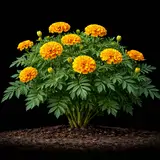
French marigolds suppress the root-knot nematodes that trouble papaya on sandy tropical soils, and they draw the hoverflies and lacewings that eat the aphids carrying ringspot virus. A functional planting rather than decoration.
-
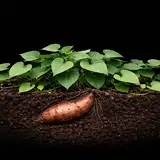
A sprawling living mulch around the base of a papaya that shades and cools the soil and suppresses weeds without competing for the canopy. Keep the vines clear of the trunk itself, which rots where damp growth sits against it.
-
Shares papaya's love of heat and drainage, occupies the sunny ground at its feet while the plant is young, and flowers to bring in beneficial insects. A convenience pairing with modest evidence behind it.
-
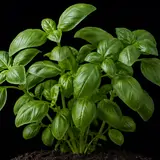
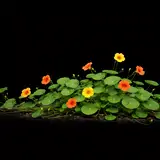
An edible groundcover that shades bare soil and acts as a trap and draw for aphids and their predators - worth having near a crop whose worst disease is aphid-spread.
Keep apart
-
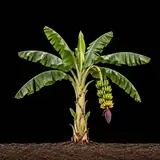
Not chemically antagonistic, but a poor neighbour in practice: bananas want abundant water and heavy mulching right where papaya needs sharp drainage and a dry trunk, and a banana clump shades out a papaya's crown. Keep them in separate beds.
Varieties · 6
You pick one when you add Papaya to your garden. Its days to maturity set your harvest window.
Hermaphrodite (self-fruitful) types 4 varieties
Solo Sunrise
Small pear-shaped fruit ripening to golden-yellow skin over sweet salmon-red flesh.
self-fruitfulsmall-fruitred-fleshsweetThe classic Hawaiian Solo papaya and the fruit most Americans picture: small, pear-shaped, about a pound, with sweet salmon-red flesh and a small seed cavity. Hermaphrodite plants fruit on their own, so seed from this line is the reliable choice for a single-plant garden. Highly susceptible to papaya ringspot virus, which is what drove the development of the resistant Rainbow.
Red Lady
Medium-large oblong fruit with deep red-orange flesh, borne low on a short, stocky plant.
self-fruitfuldwarfearlyred-fleshThe hybrid most often recommended to home growers today: dwarf and early, often bearing its first fruit at waist height within eight or nine months, with large sweet red-fleshed fruit and useful tolerance (not immunity) to papaya ringspot virus. Its compact size makes it the practical choice for containers and for anyone who does not want to harvest off a ladder. Being an F1 hybrid, its saved seed will not come true.
Waimanalo
Round to oval fruit with glossy skin and thick, firm, orange-yellow flesh, held low on a compact plant.
self-fruitfuldwarfthick-fleshyellow-fleshA short-statured Hawaiian Solo selection that fruits unusually low on the trunk, making picking easy for years longer than a standard papaya. Round to oval fruit with thick, firm, sweet yellow-orange flesh and excellent flavour. A good choice for small gardens and windy sites where a tall plant would be a liability.
Dioecious (separate male and female) types 2 varieties
Maradol
Large oblong fruit, three to six pounds, with green-to-yellow skin over deep red-orange flesh.
needs-cross-pollinationlarge-fruitred-fleshproductiveThe big Mexican and Caribbean market papaya, and the large red-fleshed fruit sold in most US supermarkets. Three to six pounds each, sweet and richly coloured, on a productive plant that bears low. Being dioecious it needs males for pollen, so plant several seedlings and keep one male per ten females. A single fruit feeds a household, which is either the appeal or the problem.
Mexican Yellow
Very large, long, oblong fruit with pale yellow flesh and a mild melon-like flavour.
needs-cross-pollinationvery-large-fruityellow-fleshvigorousA vigorous large-fruited dioecious type producing yellow-fleshed papayas of up to ten pounds, milder and more melon-like than the Solo types. Grown where there is space and a long warm season, and a good source of big green fruit for cooking and som tam. Needs a male plant nearby, and needs a genuinely tropical season to finish its very large fruit.
Grower tips
Notes from growers, tagged with the zone they grow in. A person reads every post before it appears.
Nobody has posted about Papaya yet. The first one usually saves someone a season.
Free account. Your post shows your grower name and zone, never your email.