
Add it to your home screen and it opens full screen: no browser bars, one tap away, and everything stays signed in. Free, nothing to download from an app store.
- Tap the Share button in your browser
- Scroll down and choose “Add to Home Screen”
- Open GrowSomeFood from your home screen
- Open your browser’s menu
- Choose “Add to Home screen” or “Install app”
- Open GrowSomeFood from your home screen

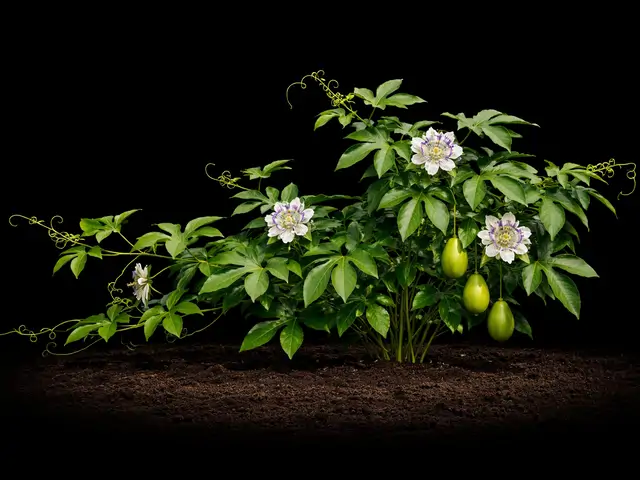
Maypop
The hardy native passionfruit: a fast, tough vine with jaw-droppingly beautiful flowers, tart-sweet tropical fruit, and a real calming-herb tradition - root-hardy to zone 5, it dies back each winter and returns, spreading with enthusiasm.
Safety notes Eat only the ripe pulp - green/unripe maypops can cause stomach upset. Ripe fruit is safe and food-grade. The leaf is NOT a food: it is the sedative herb passionflower, for adults only and in moderation. Avoid it in pregnancy, with sedatives, sleep aids or alcohol, and before driving; stop at least two weeks before surgery or anaesthesia; not for children.
Overview
The maypop is a gardener's delight hiding in plain sight - the hardy native passionflower of the eastern US, and the one member of its tropical genus that shrugs off real winters. It offers three gifts at once: some of the most extraordinary flowers in any garden (an intricate fringed crown of purple and white that looks impossibly exotic), edible tropical-tasting fruit (the 'wild passionfruit,' tart-sweet and aromatic), and a genuine herbal tradition (Passiflora is a well-documented calming herb). It's also a pollinator and butterfly magnet, hosting the Gulf fritillary.
Quick facts
- Sprouts in
- 30 daysRange: 14–70 days
- Soil temperature
- 80 °FRange: 68–90 °F
- Start indoors
- 8 weeks before transplantRange: 6–10 weeks
- Height
- 10 ftRange: 6–25 ft
- Spread
- 6 ftRange: 3–20 ft
- Support
- Grows better on a trellis or stake
- Cold
- Takes hard frostdamaged below -5°F
- Heat
- Struggles above 95°F
- Life cycle
- Perennial, lives about 10 years
- Save seeds
- About 150 days after plantingRange: 120–180 days
- Self-sows
- Yes, expect volunteers
- Soil
- Well-drained
- Water
- Medium
- Plant spacing
- 36 inRange: 24–72 in
When to plant
Nothing is open today. Spring transplanting opens 6 months, Apr 3 to May 25.
- Transplant Apr 3 – May 25 Opens in 166 daysAbout 7 days before to 6 weeks after your last frost (Apr 10 here)Prime maypop country. Plant in spring; a fall planting also establishes in the milder end. Give it room to roam or contain the runners.
- Direct sow Apr 24 – May 25 Opens in 187 daysAbout 2 weeks after to 6 weeks after your last frost (Apr 10 here)Direct-sow after frost in warm soil; seed germinates slowly and erratically (scarify and soak first). Transplants are faster and more reliable.
Frost here: last around Apr 10 (Mar 27 to Apr 24 most years), first around Oct 25. Zone averages, your own yard may run a week or two either way.
Life stages
Establish, grow, repeat
Getting established and returning each season are different parts of the story.
Stage 1 of 6 · Getting established
Planting & first-year establishment
Day 0 to 90 after transplanting
Care at this stage
-
Give it a sturdy trellis or fence at planting
Maypop is a vigorous tendril-climbing vine that will cover a trellis, fence, or arbor in a season. Provide strong support at planting - it grabs on with tendrils and needs no tying.
-
Water to establish, then ease off
Keep a new vine watered through its first weeks. Once established, maypop is quite drought-tolerant - it's a tough native, not a fussy tropical.
-
Contain the roots if you don't want a colony
Maypop spreads aggressively by underground runners (rhizomes) and can pop up feet away and take over. Plant it where it can roam, or contain the roots with a barrier - this is its one 'thug' trait.
Months are typical seasonal windows; climate, variety, and plant age can shift them.
Harvest
- Skin color shifts from green toward yellowish or pale green
- Skin softens and begins to wrinkle slightly
- Fruit detaches easily or has dropped to the ground
- Strong sweet-tart, tropical aroma from the pulp inside
- Pick when it wrinkles and drops - or catch the windfalls · every 3 days
- Let picked green fruit ripen indoors
Per plant 5 to 50 fruits, 8 to 60 ozPicking pick as they ripen
Cook with maypops
Watch out for
4 to know. None are high-risk for maypops. None are active in October.
AphidsSeverity Low PestSeason: May–JulDense clusters of tiny insects packed onto shoot tips, flower buds, and the undersides of young leaves.
Minor and sporadic on an established maypop, and usually best left alone: this is a host plant for fritillary caterpillars, so avoid broad insecticides and look for caterpillars before you spray anything at all.
Dense clusters of tiny insects packed onto shoot tips, flower buds, and the undersides of young leaves. Curled, cupped, or distorted new growth that never opens properly. A sticky shine on the leaves - and on whatever sits under the plant - that later goes black with sooty mold. Tiny white cast skins left behind where a colony has been feeding. Ants running steadily up and down the stems, which is often the first thing you notice. Mottled, streaked, or misshapen leaves that do not grow out can mean a virus the aphids brought with them rather than the feeding itself.
Knock the colonies off with a hard jet of water and repeat every few days - on most plants that alone ends it. Pinch out or prune off the worst-infested tips rather than treating the whole plant. If colonies keep rebuilding, spray insecticidal soap or horticultural oil directly onto the insects, covering leaf undersides, and repeat weekly until they are gone; treat early or late in the day, and never spray a wilted or heat-stressed plant. Avoid broad-spectrum insecticides - they kill the ladybugs, lacewings, and parasitic wasps that were about to solve the problem for you, and aphid numbers usually come back worse afterward. Anything you spray must be labeled for the plant you are treating; follow that label and observe its pre-harvest interval. On anything you eat, wash leaves, heads, and buds well before use, since aphids hide down in crowns, folds, and tight growth.
Go easy on nitrogen: the soft, lush growth that heavy feeding produces is exactly what aphids breed on. Check new growth once a week through spring and early summer so you catch colonies while they are still small, and rub the first few out with your fingers. Leave flowering plants nearby and skip broad-spectrum sprays - ladybugs, lacewings, hoverflies, and parasitic wasps do most of this work for free, and they only stay if there is something for them to eat. Keep ants off the plant where you can, since they protect aphids from those predators. Water steadily so plants are not stressed, and check any new plant over before you bring it home or move it indoors, since aphids usually arrive on something else.
Aphids are small soft-bodied sap-suckers - green, black, gray, pink, or waxy white, and mostly wingless - that gather in dense colonies on the tenderest new growth: shoot tips, buds, and the undersides of young leaves. They breed extremely fast in mild weather, so a few can become hundreds inside a week. Their feeding curls and distorts soft growth, and the sticky honeydew they excrete coats everything below and turns black with sooty mold. Ants often farm and defend the colonies for that honeydew. A few aphids are normal on almost any plant and a healthy plant shrugs them off; only dense, persistent colonies do real damage, and some aphids also spread plant viruses as they feed.
Gulf Fritillary & Longwing CaterpillarsSeverity Low PestSeason: Jun–SepBright orange caterpillars with soft black branching spines feeding openly on the leaves, often several to a shoot.
Listed for completeness but is really a positive - maypop is a keystone butterfly host, and the leaf feeding is trivial on an established vine.
Bright orange caterpillars with soft black branching spines feeding openly on the leaves, often several to a shoot. Small yellow eggs laid singly on new leaves and tendrils. Chewed, ragged, sometimes skeletonised foliage, worst on the youngest growth. Chrysalises that look convincingly like a curled dead leaf hanging from a stem. Orange fritillary or striped zebra longwing butterflies patrolling the vine, which is the signal that eggs are already on it.
No treatment recommended. A vigorous vine regrows the chewed foliage within weeks and fruits normally. If a young plant is genuinely being stripped, hand-move the caterpillars to a larger, better-established vine rather than killing them, and shade or water the stripped plant while it releafs. Damage is cosmetic and seasonal - the caterpillars finish, pupate, and the vine flushes back.
None wanted on an established plant - this is the point of growing a passionflower, and the caterpillars are the reason the butterflies exist at all. If you want both a butterfly host and an unbroken crop, grow more vine than you need, or grow a second plant purely for the caterpillars. Protect only genuinely vulnerable plants: a first-year vine or a small potted one can be netted or have caterpillars moved to a larger plant. Above all, avoid broad-spectrum insecticides and Bt on passionflower foliage - both kill these larvae outright, and reaching for a spray on a plant you chose partly for butterflies defeats the purpose.
Gulf fritillary, variegated fritillary, zebra longwing and Julia butterflies lay their eggs on passionflower vines and nowhere else - the entire group depends on Passiflora as its only larval food, cultivated species included. The spiny orange caterpillars can chew a surprising amount of leaf and will strip a small or newly planted vine, but an established, vigorous plant simply outgrows them and the foliage they take costs no measurable fruit. The spines look alarming and are harmless to handle. For most gardeners this is the most rewarding thing about growing a passionflower: plant one and within a season or two you are running a butterfly nursery, which is why it belongs in the threat list mainly so nobody reaches for a spray.
Leaf Spot & Fungal DiseaseSeverity Low DiseaseSeason: Jun–SepSmall brown or dark spots on the older, lower, shaded leaves first, spreading upward and enlarging into blotches with tan or pale centres and sometimes a yellow halo.
A minor, weather-driven cosmetic issue; the maypop's vigor means leaf spot rarely matters.
Small brown or dark spots on the older, lower, shaded leaves first, spreading upward and enlarging into blotches with tan or pale centres and sometimes a yellow halo. Leaves yellowing and dropping from the base of the vine in prolonged humid, rainy spells. Sunken brown lesions on the fruit, particularly on fruit resting against foliage or the ground. A dense mat of tangled growth in the middle of the vine that never dries out after rain or dew - that is where it always starts.
Usually no spray is warranted - remove badly affected leaves, thin the growth to open it up, and clear the debris beneath. In a wet season on a valuable crop, a copper-based or general garden fungicide applied preventively at the start of the humid period slows spread, though it will not cure spotted leaves already on the plant. Anything you spray must be labeled for the crop and its pre-harvest interval observed. The durable fix is structural: prune properly, space well, and stop overhead watering.
Airflow does most of the work. Train the vine along its support rather than letting it mat, prune annually to open the framework and remove the interior tangle, and keep the base clear so air moves through. Water at the roots rather than over the leaves, and water in the morning so foliage dries. Rake up and remove fallen leaves and dropped fruit, since the fungi overwinter there. Avoid heavy nitrogen, which produces the soft crowded growth these diseases prefer, and space plants generously in humid regions.
Passionflower vines of every species pick up a group of fungal leaf and fruit spots in warm, wet, humid weather - brown spot (Alternaria), septoria spot, and anthracnose among them. They begin as small brown or dark spots on the leaves that enlarge into blotches with pale centres, and in a bad season they run together, yellow the foliage and strip a vine of leaves from the bottom up. On a fruiting vine the same fungi can spot the fruit, producing sunken lesions that let rot in and cause early drop. On a vigorous, well-spaced plant this is usually cosmetic and self-limiting; on a matted, crowded vine in a wet summer it can cost real crop, and repeated defoliation weakens the plant over years.
Root-Knot NematodesSeverity Low PestSeason: Jun–SepStunted, yellowing, unthrifty plants that wilt in the heat even though the soil is moist, and poor yields for no obvious reason.
A minor concern for maypop - its toughness and spreading habit largely outrun nematode pressure that would trouble a static crop.
Stunted, yellowing, unthrifty plants that wilt in the heat even though the soil is moist, and poor yields for no obvious reason. Confirm by digging: beady swellings strung along the roots and side rootlets, and root crops that are forked, branched, cracked or knotted rather than clean.
There is no in-season cure. Pull and destroy affected plants rather than composting them, and bring that ground back over several seasons with rotation, resistant varieties and marigold cover crops. Where a crop can be grown in a container of fresh mix, that sidesteps the problem entirely.
Rotate to non-hosts, and grow resistant varieties where they exist for your crop. A French marigold cover crop grown thickly the season before and turned in genuinely lowers populations. Build organic matter and mulch heavily, which feeds the soil life that suppresses them. Plant only clean stock, never move soil from an infested bed around the garden, and solarize badly infested ground through the hottest part of summer.
Microscopic soil roundworms (Meloidogyne species) that invade roots and force them to swell into beady galls. A galled root cannot take up water and nutrients properly, so the plant stunts, yellows, wilts in heat despite watering, and yields poorly, and root and tuber crops come up forked, knobbly, hairy or cracked instead of clean. They are worst in warm, sandy soils and build up steadily wherever a susceptible crop is grown in the same ground year after year. The wounds they leave also open the way for fusarium wilt and rots.
Good & bad neighbors
All of these are traditional pairings. The evidence is thin, so treat them as a nudge, not a rule.
Plant nearby
-
A clover groundcover fixes nitrogen and feeds pollinators around the base of the vine without competing for the trellis.
-
Bright zinnias reinforce the maypop's own strong draw for bees and butterflies, boosting the pollinator traffic that improves fruit set.
-
Shares sun and good drainage and adds pollinator appeal; an aromatic companion rather than a proven functional pairing.
-
Tall sturdy stalks can serve as living support for the climbing vine and draw pollinators to the area; a naturalistic pairing.
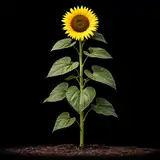
Keep apart
-
Fennel's root exudates inhibit many neighboring plants; keep it away from the maypop's root zone.
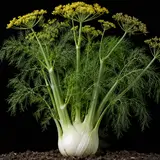
Varieties · 3
You pick one when you add Maypop to your garden. Its days to maturity set your harvest window.
Incense
A popular hybrid (P.
Variety details for Incense
Very large, fragrant, deep-purple fringed flowers; green egg-shaped fruit.
hybridlarge-flowerfragrantvery-cold-hardyincarnata x P. cincinnata) prized for extra-large, richly fragrant purple flowers and good cold hardiness, plus improved fruiting - a top choice where you want both showy blooms and a better crop of the egg-shaped fruit. Vigorous and reliable.
Alba
A white-flowered form of the native maypop - the same intricate structure as the classic purple bloom but in pure white, a striking ornamental variation.
Variety details for Alba
Intricate pure-white fringed flowers; round yellowish-green fruit.
white-flowerornamentalnative-formProduces the usual round yellowish fruit; grown mainly for its unusual pale flowers.
Purple Passion (species type)
The wild native maypop itself (Passiflora incarnata) - the classic intricate purple-and-white passionflower with its fringed crown, borne on a hardy, vigorous, self-seeding vine.
Variety details for Purple Passion (species type)
Elaborate purple-and-white fringed flowers; round green fruit ripening yellowish.
native-speciespurple-white-flowerpollinator-plantself-seedingThe tough, adaptable baseline plant, a superb pollinator and butterfly-host vine that bears the traditional wild passionfruit.
Grower tips
Notes from growers, tagged with the zone they grow in. A person reads every post before it appears.
Nobody has posted about Maypop yet. The first one usually saves someone a season.
Free account. Your post shows your grower name and zone, never your email.