Add it to your home screen and it opens full screen: no browser bars, one tap away, and everything stays signed in. Free, nothing to download from an app store.
- Tap the Share button in your browser
- Scroll down and choose “Add to Home Screen”
- Open GrowSomeFood from your home screen
- Open your browser’s menu
- Choose “Add to Home screen” or “Install app”
- Open GrowSomeFood from your home screen
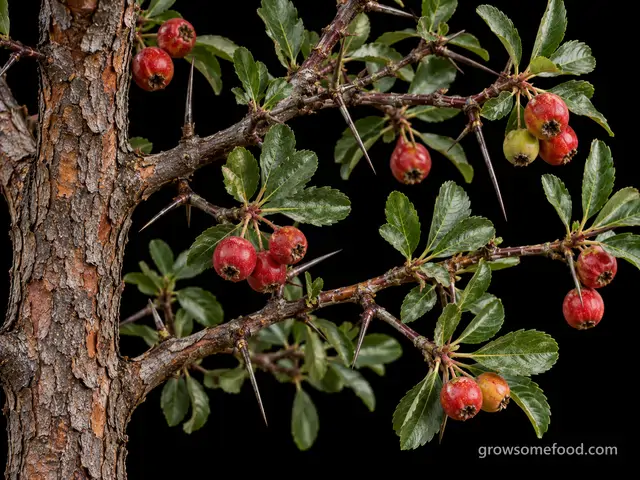
Mayhaw
A small Southern bottomland tree grown for one thing: the finest jelly fruit in the South. It blooms in February, ripens in May, tolerates flooding, and its fruit is so high in pectin that the jelly sets without help.
Ripe mayhaws are safe and are the whole point - traditionally boiled whole and strained for jelly. Like all rose-family fruit the seeds carry trace cyanogenic compounds, so strain them out rather than grinding or blending them. The tree is the real hazard: mayhaw thorns reach 3 inches, so wear gloves and eye protection when pruning and site it away from paths and play areas. Hawthorn leaf and flower extracts are a cardiac herb with real drug interactions - medicine, not this jelly.
Overview
The one thing to knowMayhaw is a group of Southern hawthorns - mostly Crataegus opaca and C.
Mayhaw is a group of Southern hawthorns - mostly Crataegus opaca and C. aestivalis - that grow wild in the river swamps and wet bottomlands of the Gulf Coastal Plain. The name is a compression of May and haw, and it tells you the crop's defining trait: this is a fruit tree that flowers in February and ripens in late April and May, months before anything else in a Southern orchard. It is a small tree, 15 to 25 feet, covered in white bloom at the tail of winter, and it is thorny - genuinely so, with spines to three inches.
Nobody grows mayhaw for fresh eating. The fruit is a tart little apple-scented pome half an inch to an inch across, too sour and too mealy to enjoy off the tree, and extraordinarily high in natural pectin and acid. Cooked and strained, it makes a clear, pale-blush-to-ruby jelly with a bright apple-and-rose flavor that has no real substitute and that sets perfectly with nothing added. Mayhaw jelly is a genuine regional institution across Louisiana, south Georgia, Mississippi, and east Texas, with festivals built around it, and it is the entire reason the tree moved out of the swamps and into cultivation. If you garden anywhere on the Coastal Plain and want a native fruit tree that produces something you cannot buy, this is the one.
Quick facts
- Sprouts in
- 300 days90 to 540
- Soil to sprout
- 68 °F55 to 80
- Winter chill
- 400 hours below 45°F250 to 600
- Life cycle
- Perennial, lives about 40 years
- Height
- 20 ft12 to 30
- Spread
- 18 ft12 to 25
- Cold
- Takes hard frostdamaged below -5°F
- Heat
- Struggles above 100°F
- Self-sows
- Yes, expect volunteers
Full sun or part sun · medium water · tolerates wet soil soil · 20 ft apart (15 to 25) · direct sow or transplant or cuttings
When to plant
Nothing is open today. Fall sowing opens in 10 days, Oct 1 to Nov 30.
- Direct sow Oct 1 – Nov 30 Opens in 10 daysSowing cleaned seed outdoors in fall works, but hawthorn seed has a hard coat and a double dormancy - many seeds sit for two winters before germinating, and seedlings take 5-8 years to fruit and do not come true. Buy a grafted tree unless you specifically want rootstock.
- Transplant Oct 15 – Nov 30 Opens in 24 daysEarly fall planting also works along the Gulf, giving roots a long mild season to establish before the first bloom. Water until the ground cools.
- Transplant Dec 1 – Feb 28 Opens in 71 daysThe South plants fruit trees in the dormant season. Set out bare-root or container mayhaw from December through February so the roots settle before the tree breaks bud - and remember it blooms as early as February, so plant well ahead of that.
Frost here: last around Apr 10 (Mar 27 to Apr 24 most years), first around Oct 25. Zone averages, your own yard may run a week or two either way.
Life stages
One stage to settle in, then four that repeat each year. Windows are typical; your zone and weather move them.
Years 1-3 - young tree
The first year after planting- WaterWater through the first two summersweeklyMayhaw comes from bottomland that floods, so it tolerates wet feet better than almost any fruit tree - but a newly planted one still needs regular water through Southern summer heat until it roots out. Soak it deeply once a week rather than sprinkling.
- PruneTrain an open framework early, while the thorns are still lowChoose three to five well-spaced scaffold branches in the first two winters and remove the rest. Doing this while the tree is small is far easier than fighting a mature mayhaw's thorns later. Keep it low and open: a tree you can reach into is a tree you can actually harvest and spray.
- ProtectSite it away from junipers, red cedars, and pathsTwo siting rules. Cedar-quince rust needs junipers and eastern red cedar nearby to complete its cycle and it attacks the FRUIT, so put distance between them where you can. And mayhaw thorns reach 3 inches: keep the tree off walkways, driveways, and anywhere children play.
- MulchMulch the root zone and keep grass backA wide ring of mulch, kept a few inches off the trunk, holds moisture and keeps mowers and string trimmers away from young bark. Grass competition slows a young mayhaw more than most people expect.
Watch for- String-trimmer wounds on young bark
- Shoot tips blackening and hooking over (fire blight)
- Grass growing right up to the trunk
Bloom (very early - February to March)
Feb to Mar, every year- InspectOne of the earliest trees to bloom in the SouthMayhaw covers itself in white (sometimes pink-blushed) five-petaled flowers in late winter, usually before the leaves and often before anything else is flowering. It is a genuinely valuable early nectar source for honeybees and native bees when almost nothing else is open.
- ProtectThe bloom is early, so late freezes are the main crop riskBlooming in February means the flowers are exposed to every late cold snap. A hard freeze at full bloom can take the entire crop for the year. There is little to do on a full-sized tree beyond siting it out of low frost pockets and on a slope where cold air drains away - which is a decision made at planting, not in February.
- PollinatePlant two varieties for a fuller setMost mayhaws set some fruit on their own pollen, but yields are noticeably better with a second variety flowering alongside. Because bloom is so early and cold, bee activity is often limited - so overlapping varieties and undisturbed pollinators matter more here than on a spring-flowering fruit tree.
Watch for- A hard freeze forecast while the tree is in bloom
- Blossoms suddenly wilting and blackening (fire blight enters through flowers)
- Very few bees working in cold weather
Green fruit sizing
Mar to Apr, every year- InspectCheck young fruit for rust and curculioevery 5 daysThis is the window when both major fruit problems show. Cedar-quince rust distorts and swells young fruit with orange fungal growth; plum curculio cuts crescent-shaped scars into it. Look at the fruit itself, not just the leaves, every few days from petal fall.
- WaterKeep water steady while the fruit sizesweeklyFruit size is set now, and the ripening window is short. Even moisture through March and April makes a real difference to how much juice you get. Mayhaw handles wet ground easily, so err toward more water rather than less at this stage.
Watch for- Swollen, distorted fruit with orange fuzz (cedar-quince rust)
- Crescent-shaped scars on young fruit (plum curculio)
- Small fruit dropping early
Picking (late April to May)
Apr to May, every year- HarvestSpread a tarp and shake the treeevery 4 daysRipe mayhaws drop, and that is how they are gathered. Lay tarps, sheets, or a frame of shade cloth under the canopy and shake the limbs; the ripe fruit falls and the unripe stays on. Do this every few days across a two-to-three-week window. In flooded bottomlands the traditional method is the same idea by boat - the fruit floats and is scooped off the water.
- HarvestSort and get the fruit cooked or frozen fastMayhaws bruise and ferment quickly once down. Pick over the tarp catch the same day, discard anything soft or rust-distorted, rinse off leaves and debris, and either cook the juice out immediately or bag the whole fruit and freeze it. This is not a fruit that sits in a basket on the counter.
- ProtectWear gloves and eye protection under the treeMayhaw thorns reach 3 inches and sit at exactly head height when you are looking up into a canopy. Gloves and safety glasses are not overcautious here - eye injuries from hawthorn thorns are a real and well-documented hazard.
Watch for- Fruit fermenting on the tarp in Gulf-coast heat
- Wildlife working the drops overnight
- The whole crop coming ready in under three weeks
Winter dormancy and pruning
Nov to Jan, every year- PrunePrune in dry weather, and never hardPrune in early winter while dormant and while the weather is dry. Thin crossing and crowded wood, keep the center open, and take out anything dead. Go easy: heavy pruning and heavy nitrogen both force soft growth, which is exactly what fire blight infects. Sterilize the blade between cuts and never prune a mayhaw in wet weather.
- InspectCut out any fire blight strikes nowBlackened, hooked shoot tips and sunken cankers are far easier to find on bare wood. Cut at least 12 inches below every visible strike, sterilize between cuts, and burn or bag the prunings rather than leaving them under the tree.
Watch for- Sunken dark cankers on limbs (fire blight overwintering)
- Wet-weather pruning wounds
- Deer rubbing young trunks in fall
Harvest
- Fruit fully colored - bright red, orange, or yellow depending on variety - and slightly soft
- Ripe fruit drops when a limb is shaken; unripe fruit holds on
- Strong sweet-tart apple-like smell under the tree as the crop comes in, in late April or May
- Spread a tarp and shake the tree · every 4 days
- Sort and get the fruit cooked or frozen fast
- Wear gloves and eye protection under the tree
Per plant 5 to 100 lbPicking pick as they ripen
Cook with mayhaws
Watch out for
5 to know. 3 are high-risk: Fire Blight, Late Freeze on the February Bloom, Cedar-Quince Rust. None are active in September.
Fire BlightSeverity High DiseaseCrataegus is one of the most susceptible genera there is, and the humid South is exactly the climate the bacteria like, so this is the disease most likely to kill a mayhaw.
Prune only in dry winter weather, keep nitrogen low, and never make a large cut you can avoid. Because bloom is in February, protective sprays have to be timed far earlier here than on other fruit.
Sudden wilting and blackening of blossoms and shoot tips that look burned rather than diseased, shoots bent over into a hook, dark sunken cankers on limbs, and amber bacterial ooze on the bark in warm humid weather.
Cut strikes out at least 8 to 12 inches below the visible damage, sterilizing the saw or pruners between every single cut, and remove and destroy the prunings rather than leaving them lying. Cut cankers out in dry dormant weather. Copper or biological sprays at bloom help in high-pressure areas - use only a product labeled for the crop you are treating, follow the label exactly, and observe the pre-harvest interval before you pick.
Where a resistant option exists for your crop, variety choice matters more than any spray - check before you buy. Avoid heavy nitrogen and hard pruning, both of which force the soft succulent growth the bacteria enter through, and never prune or work the plant in wet weather. Keep susceptible hosts spaced apart rather than planted hard against each other, and do not prune two of them in the same wet spell.
A fast, destructive bacterial disease (Erwinia amylovora) of the rose family. It enters through open blossoms and soft shoot tips in warm, humid weather, then runs back down the shoot, blackening leaves and wood as though scorched and bending the tip into a telltale 'shepherd's crook'. From there it moves into limbs as dark sunken cankers, and it can kill a young tree in a single season. Apple, pear, quince, loquat, hawthorn, serviceberry and toyon are all hosts, and susceptibility varies enormously between species and between varieties.
Late Freeze on the February BloomSeverity High DisorderThe number-one reason a healthy mayhaw gives no fruit.
If your tree bloomed well and set nothing, check what the overnight lows did in February before looking for a pest or disease.
A hard freeze in the forecast while the tree is in flower or has just set - this is the moment that decides the year. Afterward: flowers turning brown and mushy and dropping, and small fruitlets going black at the center when cut open. Blossoms that stay on but never set, with no fruit visible two or three weeks after bloom. Cold, still, wet weather through the bloom window with almost no bee traffic, which produces the same empty tree without any visible frost damage.
Nothing can be done after the freeze. The tree is not damaged and will bloom again next year; the crop is simply gone. Do not prune or fertilize in response - forcing regrowth achieves nothing and, in a fire-blight-prone genus, does harm. The realistic long-term answers are site selection, planting more than one tree, and accepting that mayhaw yields swing hard from year to year, which is exactly why the wild bottomland harvest was always a good-year-and-bad-year affair too.
This is a siting decision made at planting. Cold air flows downhill and pools, so a tree on a slope or a rise where cold air drains away is measurably safer than the same tree in a low spot or against a solid fence at the bottom of a yard. Avoid frost pockets. Plant two varieties so that a partial bloom still gets pollinated. On a small young tree, throwing a frost cloth or old blanket over the whole canopy on a forecast freeze night genuinely works - on a mature 20-foot tree it does not, and there is no practical home equivalent to an orchard's wind machines or overhead sprinkling.
Mayhaw flowers in February, earlier than almost any other fruit tree in the South, and that early bloom is both its charm and its main crop risk. Open flowers and newly set fruit are killed at temperatures the dormant tree shrugs off - roughly 28°F and below at full bloom, with young fruitlets more sensitive still. A single hard freeze in late February or March can take the entire crop for the year while leaving the tree itself in perfect health. The same cold snap also suppresses bee flight, so even a bloom that survives may be poorly pollinated. This is the reason mayhaw yields are erratic year to year, and the reason the crop becomes unreliable toward the northern edge of the range in zone 6, where late freezes are both harder and later.
Cedar-Quince RustSeverity High DiseaseThis is the reason mayhaw and eastern red cedar do not belong on the same property if you can help it.
It is not a cosmetic leaf disease here - it destroys the fruit itself, which is the only reason to grow the tree.
Developing fruit that swells lopsidedly, distorts, and grows tufts or fine tubes of orange fungal tissue - unmistakable once seen and quite different from the flat orange leaf spots of cedar-apple rust. Swollen, cankered areas on young twigs and on thorns, sometimes girdling and killing the shoot beyond. Bright orange gelatinous horns emerging from woody galls on nearby junipers and red cedars during warm wet spells in spring - that is the spore source, and finding it tells you where the problem lives. Fruit dropping early in numbers, or coming off the tarp misshapen and hollow.
There is no cure for an infected fruit or a cankered twig - remove and destroy them. On the juniper side, cutting out the woody galls in late winter before they produce spore horns reduces local pressure. Where the disease is severe and the cedars cannot be removed, protectant fungicide programs timed to bloom and early fruit development are used commercially, but they must start before infection and be repeated through the wet spring window; on a home tree the honest answer is usually siting and tolerance rather than a spray schedule.
Site the tree away from junipers and eastern red cedar. That single decision does more than everything else combined, because the fungus cannot complete its life cycle without both hosts, and spore travel drops off sharply with distance - a few hundred yards is a meaningful buffer even though spores can carry further. Where you own the junipers, removing them is the definitive fix; where a neighbor's cedar line is the source, distance and variety choice are what you have. Keep the canopy open so it dries quickly after spring rain, since infection needs extended wetness. Clean up and destroy infected fruit and prunings rather than leaving them under the tree.
Cedar-quince rust (Gymnosporangium clavipes) is one of the Gymnosporangium rusts that alternate between a juniper host and a rose-family host, and it is the most damaging of them because of WHERE it attacks. Where cedar-apple rust mainly spots leaves, cedar-quince rust goes for the fruit, and on hawthorn, quince, and mayhaw it swells, distorts, and hollows out developing fruit, covering it in tufted orange-fungal growth and rendering the crop unusable. It also attacks twigs and thorns, causing swollen cankers that can girdle small wood. The fungus overwinters as a perennial gall or swelling on juniper and eastern red cedar; in wet spring weather those galls produce gelatinous orange horns that release spores, which blow to the rose-family host. It cannot spread host to host - it must have both. Distance from junipers is therefore the whole control, and a few hundred yards makes a large difference.
Plum CurculioSeverity Medium PestAttacks mayhaw as it does other rose-family fruit, and the timing is unusually early here because mayhaw sets fruit in March.
The tarp harvest helps: because you are already collecting drops off a sheet, destroying early-dropped fruit rather than leaving it under the tree is easy to build into the routine.
Crescent- or half-moon-shaped scars on newly set fruit within a few weeks of petal fall, a heavy premature fruit drop, and small grubs inside the dropped fruit when you cut one open.
Spread a sheet under the tree at dawn and jar the branches: the beetles play dead and drop, and you can collect them. Where damage is heavy, a targeted insecticide at petal fall and again shortly after is timed to adult activity - use only a product labeled for the crop you are treating, follow the label exactly, and observe the pre-harvest interval before you pick.
Pick up and destroy dropped fruit promptly and consistently - the larvae finish developing in the drops, so leaving them under the tree simply raises next year's population. Kaolin clay applied to the young fruit deters egg-laying without an insecticide.
A small snout beetle of the eastern and midwestern US that cuts distinctive crescent- or half-moon-shaped scars into newly set fruit to lay its eggs. The larvae tunnel inside, so the fruit comes out misshapen and wormy or drops early, and the larvae then finish their development in the fallen fruit. It attacks stone fruit and pome fruit alike, and it is largely absent from the arid West.
AphidsSeverity Low PestMinor in itself on a mayhaw, but worth knocking back for a specific reason: aphid feeding wounds and the soft succulent growth they favor are entry points for fire blight, which is the disease that actually threatens this tree.
Keep nitrogen low and the new growth firm and you reduce both problems at once.
Dense clusters of tiny insects packed onto shoot tips, flower buds, and the undersides of young leaves. Curled, cupped, or distorted new growth that never opens properly. A sticky shine on the leaves - and on whatever sits under the plant - that later goes black with sooty mold. Tiny white cast skins left behind where a colony has been feeding. Ants running steadily up and down the stems, which is often the first thing you notice. Mottled, streaked, or misshapen leaves that do not grow out can mean a virus the aphids brought with them rather than the feeding itself.
Knock the colonies off with a hard jet of water and repeat every few days - on most plants that alone ends it. Pinch out or prune off the worst-infested tips rather than treating the whole plant. If colonies keep rebuilding, spray insecticidal soap or horticultural oil directly onto the insects, covering leaf undersides, and repeat weekly until they are gone; treat early or late in the day, and never spray a wilted or heat-stressed plant. Avoid broad-spectrum insecticides - they kill the ladybugs, lacewings, and parasitic wasps that were about to solve the problem for you, and aphid numbers usually come back worse afterward. Anything you spray must be labeled for the plant you are treating; follow that label and observe its pre-harvest interval. On anything you eat, wash leaves, heads, and buds well before use, since aphids hide down in crowns, folds, and tight growth.
Go easy on nitrogen: the soft, lush growth that heavy feeding produces is exactly what aphids breed on. Check new growth once a week through spring and early summer so you catch colonies while they are still small, and rub the first few out with your fingers. Leave flowering plants nearby and skip broad-spectrum sprays - ladybugs, lacewings, hoverflies, and parasitic wasps do most of this work for free, and they only stay if there is something for them to eat. Keep ants off the plant where you can, since they protect aphids from those predators. Water steadily so plants are not stressed, and check any new plant over before you bring it home or move it indoors, since aphids usually arrive on something else.
Aphids are small soft-bodied sap-suckers - green, black, gray, pink, or waxy white, and mostly wingless - that gather in dense colonies on the tenderest new growth: shoot tips, buds, and the undersides of young leaves. They breed extremely fast in mild weather, so a few can become hundreds inside a week. Their feeding curls and distorts soft growth, and the sticky honeydew they excrete coats everything below and turns black with sooty mold. Ants often farm and defend the colonies for that honeydew. A few aphids are normal on almost any plant and a healthy plant shrugs them off; only dense, persistent colonies do real damage, and some aphids also spread plant viruses as they feed.
Good & bad neighbors
First rule: keep Eastern red cedar and junipers apart. The single most important thing to keep away from a mayhaw.
Plant nearby
-
The two great Southern home fruits, and their seasons stack neatly - mayhaw is off the tree in May, just as rabbiteye blueberries start. Both are natives suited to the region, though blueberry needs distinctly acidic soil, so build its bed separately.
-
A natural bottomland neighbor for a genuinely wet site. Buttonbush flowers in summer, long after mayhaw has finished fruiting, extending pollinator forage on the same piece of low ground.
-
Another wet-tolerant Southern native that turns into preserves rather than a fresh fruit, and it will grow happily in the same low ground. Together they cover a seasonally flooded corner with two useful crops and a lot of pollinator value.
- Traditional pairings, thin evidence
-
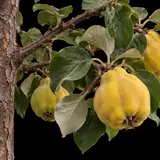
The other great high-pectin jelly fruit, and a close relative in more ways than one - quince is the other primary host of cedar-quince rust, so if you grow both, the siting rule about junipers applies twice over. Neither is a fresh-eating fruit and both reward the same cook-and-strain treatment.
Keep apart
-
Eastern red cedar and junipersThe single most important thing to keep away from a mayhaw. Junipers and eastern red cedar are the alternate host for cedar-quince rust, and unlike most rusts this one attacks the FRUIT, swelling and distorting it into something you cannot use. Put a few hundred yards between them where the site allows.
-
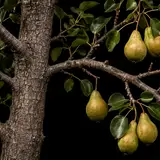
Not a hard rule, but pear is a fire blight magnet and Crataegus is a highly susceptible genus. Planting them close together concentrates the bacterial inoculum in one spot; give them distance, and never prune either in wet weather.
- Traditional pairings, thin evidence
-
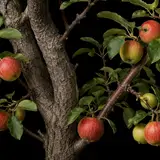
Shares both of mayhaw's diseases - fire blight and the Gymnosporangium rusts that cycle through junipers. Separating them makes both easier to manage, especially in the humid South where pressure is heaviest.
Varieties · 8
You pick one when you add Mayhaw to your garden. Its days to maturity set your harvest window.
Super Spur
Upright tree carrying dense clusters of large bright red fruit on short spurs.
cultivarheavy-yieldlarge-fruitred-fruitOne of the leading named mayhaws and a common first choice. Selected for very heavy, densely clustered crops of large bright red fruit on short fruiting spurs, which makes shaking a tarp harvest unusually productive. Vigorous and adaptable across the Gulf South, and a good partner for Big Red.
Big Red
Large, deep red fruit up to about an inch across.
cultivarlarge-fruitred-fruitgood-colorNamed for exactly what it does: large, deep red fruit that produces a jelly with outstanding ruby color. Reliable and productive across the region and widely planted alongside Super Spur, with the two flowering together for cross-pollination. A safe choice if you want color in the finished jar.
Texas Star
Medium to large red fruit on a vigorous, heat-tolerant tree.
cultivartexas-bredproductivered-fruitA Texas selection made for the western end of the mayhaw range, where heat and drier springs are the challenge. Productive, well-adapted to east and central Texas conditions, and a sensible pick where the Gulf-coast varieties are being asked to work outside their comfort zone.
Royalty
Large, deeply colored red fruit.
cultivarlarge-fruitdeep-colorjelly-qualityA selection prized for large, richly colored fruit and for jelly quality - deep color and strong flavor in the finished product. A good third variety in a small planting, extending both the pollination window and the range of jelly you can make.
Superberry (T.O. Superberry)
Notably large red mayhaws in heavy clusters.
cultivarvery-large-fruitheavy-yieldred-fruitKnown for unusually large fruit and heavy production, which matters more than it sounds: mayhaws are small, so a variety with bigger fruit meaningfully reduces the picking and sorting time for the same amount of juice. Widely grown in Louisiana and neighboring states.
Saline
Vigorous tree with medium-sized red fruit.
cultivarlouisianawet-tolerantvigorousA Louisiana selection with a reputation for vigor and for handling the wet bottomland conditions the species comes from better than most named varieties. Worth considering specifically if your site is low, heavy, or seasonally flooded rather than ordinary garden ground.
Grower tips
Notes from growers, tagged with the zone they grow in. A person reads every post before it appears.
Nobody has posted about Mayhaw yet. The first one usually saves someone a season.
Free account. Your post shows your grower name and zone, never your email.