
Add it to your home screen and it opens full screen: no browser bars, one tap away, and everything stays signed in. Free, nothing to download from an app store.
- Tap the Share button in your browser
- Scroll down and choose “Add to Home Screen”
- Open GrowSomeFood from your home screen
- Open your browser’s menu
- Choose “Add to Home screen” or “Install app”
- Open GrowSomeFood from your home screen

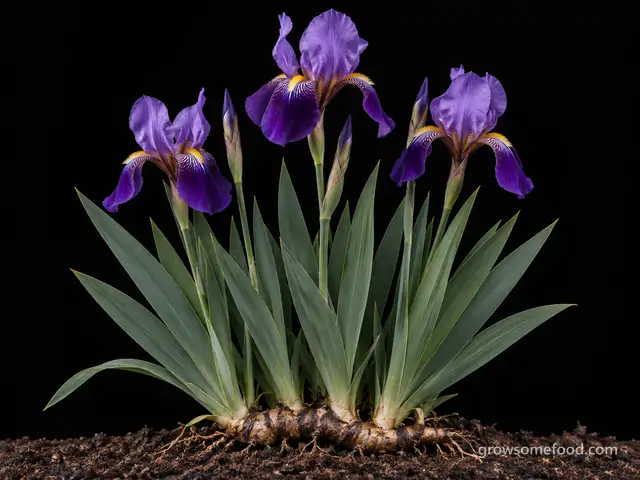
Iris
The classic late-spring perennial with ruffled, bearded flowers in every color of the rainbow - grown from shallow-planted rhizomes, tough and long-lived, and famous for two headaches: the iris borer and planting too deep.
Safety notes Iris rhizomes and roots are toxic if eaten - they cause stomach upset and vomiting, and the sap can irritate skin, so wear gloves when dividing and keep rhizomes away from children and pets. Considered toxic to cats, dogs, and livestock. Not a food plant (orris root, from certain iris species, is used only as a dried fixative in perfumery, not for eating).
Overview
Irises are among the most beloved and recognizable garden perennials - named for the Greek goddess of the rainbow, and living up to it with ruffled, orchid-like flowers in nearly every color. The most common is the tall bearded iris, grown from a fat surface-creeping rhizome, with fuzzy 'beards' on its falls (the down-swept petals). It blooms in a spectacular flush in late spring, then holds architectural sword-like foliage all season. There are also beardless types: elegant, water-loving Siberian iris, and the bulbous Dutch iris grown like a spring bulb.
The one thing to knowThe most common is the tall bearded iris, grown from a fat surface-creeping rhizome, with fuzzy 'beards' on its falls (the down-swept petals).
Quick facts
- Height
- 28 inRange: 8–40 in
- Spread
- 18 inRange: 12–24 in
- Cold
- Takes hard frostdamaged below -35°F
- Heat
- Struggles above 95°F
- Life cycle
- Perennial, lives about 10 years
- Soil
- Well-drained
- Water
- Low
- Plant spacing
- 18 inRange: 12–24 in
When to plant
Nothing is open today. Spring transplanting opens 6 months, Apr 10 to May 22.
- Transplant Apr 10 – May 22 Opens in 172 daysAbout at to 6 weeks after your last frost (Apr 10 here)Container-grown iris and Siberian iris divisions can also be set out in spring; Siberians plant at normal depth in moister soil and tolerate conditions that rot bearded iris.
- Transplant Jul 12 – Sep 13 Opens in 265 daysAbout 15 weeks before to 6 weeks before your first frost (Oct 25 here)Plant and divide BEARDED iris rhizomes in mid-to-late summer (July-September), 6-8 weeks after bloom, so roots establish before winter with the lowest soft-rot risk. Plant shallow, top of rhizome at the surface.
- Plant tubers Aug 16 – Sep 27 Opens in 300 daysAbout 10 weeks before to 4 weeks before your first frost (Oct 25 here)Dutch iris (a true bulb, not a rhizome) is planted in fall like other spring bulbs; it is less cold-hardy and may need lifting in the coldest zones.
Frost here: last around Apr 10 (Mar 27 to Apr 24 most years), first around Oct 25. Zone averages, your own yard may run a week or two either way.
Life stages
Establish, grow, repeat
Getting established and returning each season are different parts of the story.
Stage 1 of 4 · Getting established
Rhizome rooting-in
Day 0 to 60 from sowing
Care at this stage
-
Plant SHALLOW and water in
For bearded iris, set the rhizome so its top is JUST at or barely below the soil surface - it should be able to see the sun. Spread the roots below, firm the soil, and water in. Planting too deep is the #1 cause of no bloom and of rot.
-
Keep the rhizome exposed and clear
Don't mulch over a bearded iris rhizome or let debris bury it; the exposed top needs to bake in the sun. Siberian and Dutch types are planted at normal depth instead.
Months are typical seasonal windows; climate, variety, and plant age can shift them.
Watch out for
4 to know. 2 are high-risk: Bacterial Soft Rot, Iris Borer. None are active in October.
Bacterial Soft RotSeverity High DiseaseSeason: Apr–AugFans that yellow and brown from the base and lift away with a gentle tug, and a rhizome that is soft, slimy, and yellowish-brown inside with an unmistakable foul smell.
Named as the clump-killer throughout this entry. It follows iris-borer damage but has its own independent triggers, so a borer-free planting is not a rot-free planting - shallow planting, sharp drainage, and no mulch over the rhizome are the real defenses on bearded iris.
Fans that yellow and brown from the base and lift away with a gentle tug, and a rhizome that is soft, slimy, and yellowish-brown inside with an unmistakable foul smell. The rot travels along the rhizome from the wounded end.
Cut or scoop the rot back to firm white tissue with a clean knife, disinfecting the blade between cuts, and let the wound dry open in the sun; a dip or swab of 10% bleach on the cut surface helps. Dig and destroy rhizomes that are hollowed or rotted through - do not compost or replant them - and fix the drainage, or the water flow, before replanting the spot.
On bearded iris, plant SHALLOW with the rhizome top at the surface, in sharp drainage and full sun, never mulched over, and feed low-nitrogen (bone meal or 5-10-10, never a lush lawn feed). On water and bog iris, keep the water moving or refreshed rather than stagnant. For all of them: space clumps for airflow, avoid nicking rhizomes with a spade or hoe, divide crowded clumps in mid-to-late summer when plants are semi-dormant, control iris borer as the main wound route, and clear old foliage and debris from the bed each fall.
The disease that actually kills iris. Erwinia (Pectobacterium) carotovorum bacteria enter through any wound or through tissue kept wet, then dissolve the rhizome into a foul-smelling yellow mush that spreads through a clump. Iris-borer tunnels are the classic entry point, but rot arrives on its own too - on bearded iris from deep planting, soggy ground, heavy nitrogen, winter injury, or a careless spade; on water and bog iris from stagnant, oxygen-poor water and overcrowded clumps. No borers required either way.
Iris BorerSeverity High PestSeason: Apr–JulRagged, water-soaked notches and pinholes on the leaf fans, sawdust-like frass, slime, and streaking; fat pinkish caterpillars inside; and hollowed, mushy, foul-smelling rhizomes when you dig.
Borer damage is the usual trigger for bacterial soft rot (see that threat - it also strikes on its own from deep or wet planting); fall cleanup of foliage is the linchpin of control.
Ragged, water-soaked notches and pinholes on the leaf fans, sawdust-like frass, slime, and streaking; fat pinkish caterpillars inside; and hollowed, mushy, foul-smelling rhizomes when you dig.
Squash larvae by pinching infested leaves early in the season; dig, cut out, and destroy borer-tunneled and rotted rhizomes (do not replant them). Systemic or spinosad treatments help under heavy pressure - time them to egg hatch in spring.
Cut down and DESTROY all old iris foliage in late fall and early spring to kill overwintering eggs - the single most effective control; keep the bed clean; inspect and squash larvae in the fans early.
The signature iris pest: the caterpillar of a night-flying moth. Eggs overwinter on old iris foliage; larvae hatch in spring, tunnel down through the leaf fans, and bore into the rhizome, hollowing it out. The wounds they leave open the door to devastating bacterial soft rot - borer and rot together are the classic clump-killer.
AphidsSeverity Low PestSeason: Apr–JunDense clusters of tiny insects packed onto shoot tips, flower buds, and the undersides of young leaves.
Aphids can spread iris mosaic virus, so remove virus-streaked plants as well as the colonies; the feeding itself rarely troubles an established clump.
Dense clusters of tiny insects packed onto shoot tips, flower buds, and the undersides of young leaves. Curled, cupped, or distorted new growth that never opens properly. A sticky shine on the leaves - and on whatever sits under the plant - that later goes black with sooty mold. Tiny white cast skins left behind where a colony has been feeding. Ants running steadily up and down the stems, which is often the first thing you notice. Mottled, streaked, or misshapen leaves that do not grow out can mean a virus the aphids brought with them rather than the feeding itself.
Knock the colonies off with a hard jet of water and repeat every few days - on most plants that alone ends it. Pinch out or prune off the worst-infested tips rather than treating the whole plant. If colonies keep rebuilding, spray insecticidal soap or horticultural oil directly onto the insects, covering leaf undersides, and repeat weekly until they are gone; treat early or late in the day, and never spray a wilted or heat-stressed plant. Avoid broad-spectrum insecticides - they kill the ladybugs, lacewings, and parasitic wasps that were about to solve the problem for you, and aphid numbers usually come back worse afterward. Anything you spray must be labeled for the plant you are treating; follow that label and observe its pre-harvest interval. On anything you eat, wash leaves, heads, and buds well before use, since aphids hide down in crowns, folds, and tight growth.
Go easy on nitrogen: the soft, lush growth that heavy feeding produces is exactly what aphids breed on. Check new growth once a week through spring and early summer so you catch colonies while they are still small, and rub the first few out with your fingers. Leave flowering plants nearby and skip broad-spectrum sprays - ladybugs, lacewings, hoverflies, and parasitic wasps do most of this work for free, and they only stay if there is something for them to eat. Keep ants off the plant where you can, since they protect aphids from those predators. Water steadily so plants are not stressed, and check any new plant over before you bring it home or move it indoors, since aphids usually arrive on something else.
Aphids are small soft-bodied sap-suckers - green, black, gray, pink, or waxy white, and mostly wingless - that gather in dense colonies on the tenderest new growth: shoot tips, buds, and the undersides of young leaves. They breed extremely fast in mild weather, so a few can become hundreds inside a week. Their feeding curls and distorts soft growth, and the sticky honeydew they excrete coats everything below and turns black with sooty mold. Ants often farm and defend the colonies for that honeydew. A few aphids are normal on almost any plant and a healthy plant shrugs them off; only dense, persistent colonies do real damage, and some aphids also spread plant viruses as they feed.
ThripsSeverity Low PestSeason: May–JulSilvery-white streaks and fine speckling on leaves and petals, brown discolored patches, distorted buds and blooms that fail to open properly, and tiny sliver-like insects that drop out when you shake foliage or a flower over a sheet of white paper.
Minor and cosmetic on iris - streaked petals and the occasional deformed bud in a hot, dry spell.
Silvery-white streaks and fine speckling on leaves and petals, brown discolored patches, distorted buds and blooms that fail to open properly, and tiny sliver-like insects that drop out when you shake foliage or a flower over a sheet of white paper. Worst in hot, dry spells and on drought-stressed plants.
A strong water spray dislodges light infestations, and on a plant that can take it a hard shear and clean regrowth clears them outright. For heavier pressure use insecticidal soap, neem or spinosad, aimed down into the leaf sheaths and buds where thrips actually shelter, and repeat at intervals since eggs and pupae escape a single spray. Spinosad is a registered insecticide: use only a product labeled for the crop you are treating, follow the label exactly, and observe its pre-harvest interval.
Scout early, before the damage reaches the part of the plant you care about. Start with clean planting stock, keep plants well watered since drought-stressed plants suffer worst, avoid heavy nitrogen, clear weedy hosts nearby, and hang blue or yellow sticky traps to catch the first arrivals. Reflective mulch deters them, and predatory mites, lacewings and minute pirate bugs do real work outdoors.
Tiny slender sap-sucking insects that rasp at leaves, buds and petals and drink what runs out, leaving silvery-white streaking and fine flecking, brown scorched patches, and new growth that comes out twisted or fails to open. They breed fast in hot, dry weather, shelter deep in leaf sheaths, folds and unopened buds where sprays struggle to reach, and several species also transmit plant viruses - which is often more damaging than the feeding itself.
Good & bad neighbors
Plant nearby
-
DaylilyThe classic companion whose strappy foliage and later bloom carry the bed after iris finishes; identical easy sunny culture.
-
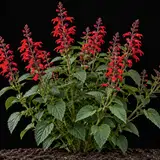
A classic late-spring border pairing: peonies and bearded iris bloom together, share sun and good drainage, and the peony's mounded foliage complements the iris's vertical fans.
-
Blooms alongside iris in late spring, loves the same sun and drainage, and the blue spikes echo iris colors while drawing pollinators.
-
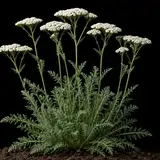
Shares the lean, sunny, sharply drained conditions bearded iris demands; flat yarrow heads contrast the iris flowers and feed beneficial insects.
- Traditional pairings, thin evidence
-
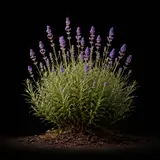
Both thrive in lean, dry, sharply drained sunny soil; lavender's silver-purple and the iris's rhizome both dislike wet feet, so they pair well culturally.

Varieties · 9
You pick one when you add Iris to your garden. Its days to maturity set your harvest window.
Bearded 6 varieties
Immortality
A famous white reblooming tall bearded iris: pure white ruffled flowers with a light fragrance that bloom in late spring and often again in late summer or fall in warmer zones.
Variety details for Immortality
Ruffled pure-white flowers on 30-inch stems, often blooming twice a season.
tall-beardedwhiterebloomingfragrantOne of the most reliable rebloomers and a garden classic.
Superstition
A striking near-black tall bearded iris: deep ebony-purple, satiny, self-colored flowers with matching dark beards that read almost black in the garden.
Variety details for Superstition
Deep glossy blackish-purple flowers with dark beards on tall stems.
tall-beardednear-blackdramaticA dramatic, sought-after color and a vigorous grower.
Siberian 1 variety
Cesar's Brother (Siberian)
A classic Siberian iris (Iris sibirica): deep violet-blue, elegant beardless flowers over fine grassy foliage, on a tough clump that tolerates moist soil, resists the iris borer, and rarely needs dividing.
Variety details for Cesar's Brother (Siberian)
Deep purple-blue beardless flowers held above slender arching grassy leaves.
beardlessdeep-purpleborer-resistantmoisture-tolerantThe reliable, low-fuss alternative to bearded iris.
Dutch (bulb) 1 variety
Dutch Iris (bulbous)
The florist's iris (Iris x hollandica): a true BULB, not a rhizome, planted in fall and blooming in late spring in sleek blue, purple, yellow, and white with contrasting yellow blotches.
Variety details for Dutch Iris (bulbous)
Sleek, slim-petaled blue/purple/yellow flowers on tall bulb stems, ideal for cutting.
bulbcut-flowerblue-yellowfloristThe classic cut-flower iris; less cold-hardy, and lifted in the coldest zones.
Louisiana (water) 1 variety
Louisiana Iris
A group of beardless irises (Iris hexagona and relatives) bred for the humid, hot Gulf South, where bearded iris rots.
Variety details for Louisiana Iris
Large flat beardless flowers in bright purples, reds, and yellows on tall stems.
beardlessmoisture-lovingheat-humidity-tolerantsouthernThey love wet, even boggy soil and warm-zone conditions, blooming in vivid purples, reds, yellows, and blues. The best iris for the Deep South and rain gardens.
Grower tips
Notes from growers, tagged with the zone they grow in. A person reads every post before it appears.
Nobody has posted about Iris yet. The first one usually saves someone a season.
Free account. Your post shows your grower name and zone, never your email.