Add it to your home screen and it opens full screen: no browser bars, one tap away, and everything stays signed in. Free, nothing to download from an app store.
- Tap the Share button in your browser
- Scroll down and choose “Add to Home Screen”
- Open GrowSomeFood from your home screen
- Open your browser’s menu
- Choose “Add to Home screen” or “Install app”
- Open GrowSomeFood from your home screen
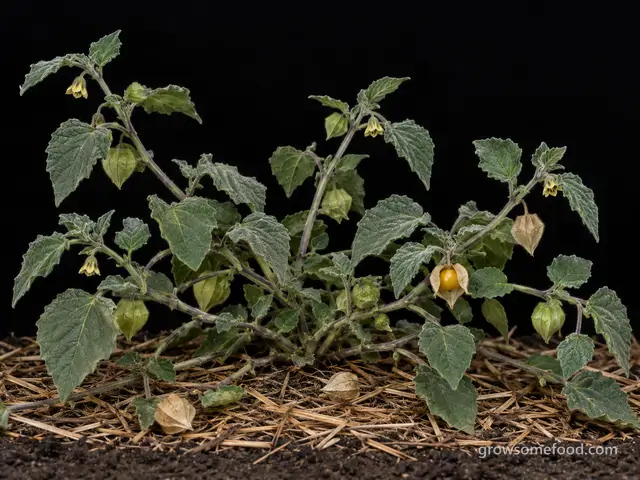
Ground Cherry
The tomatillo's sweet little cousin: a sprawling husk-fruit whose golden berries turn candy-sweet and fall to the ground when ripe - you gather them, you don't pick them.
Only the ripe golden fruit (inside the papery husk) is eaten. Like other nightshades the leaves and stems contain solanine-family alkaloids, and the unripe GREEN fruit is mildly toxic - wait until the husk turns papery tan and the fruit drops, when the berry inside is golden and sweet. The tart tomatillo is its close cousin and a separate plant in this catalog.
Overview
The one thing to knowGround cherries are the sweet, small-fruited cousins of the tart tomatillo (its own plant in this catalog), and one of the garden's most charming surprises.
Ground cherries are the sweet, small-fruited cousins of the tart tomatillo (its own plant in this catalog), and one of the garden's most charming surprises. Each little golden berry grows wrapped in its own papery lantern husk, and where a tomatillo is bright and sour, a ripe ground cherry is candy-sweet - a flavor people reach for words like pineapple, mango, and vanilla to describe. A sprawling, easygoing, self-fertile annual in the nightshade family, one plant buries you in hundreds of bite-size fruits from midsummer to frost.
The one quirk that shapes everything is the harvest, and it runs backwards from every other fruit: a ground cherry tells you it's ripe by falling off the plant. When the husk dries to papery tan and the berry inside turns gold, the whole thing simply drops to the ground - so you gather ripe fruit off the soil rather than picking it from the branches. Lay a clean mulch beneath the sprawl and the plant does the sorting for you, dropping only the ripe ones. (Its longer-season relative the goldenberry, or Cape gooseberry, is tangier, taller, and ripens more of its fruit up on the plant - a kind worth knowing if you have a long, warm season.)
Quick facts
- Sprouts in
- 10 days7 to 21
- Soil to sprout
- 80 °F70 to 85
- Start indoors
- 7 weeks before transplant6 to 8
- Life cycle
- Annual
- Seed to save
- About 90 days after planting70 to 120
- Height
- 30 in18 to 72
- Spread
- 36 in24 to 48
- Cold
- Killed by frostdamaged below 33°F
- Heat
- Struggles above 95°F
- Self-sows
- Yes, expect volunteers
Full sun · medium water · well-drained soil · 24 in apart (18 to 36) · direct sow or transplant
When to plant
Nothing is open today. Spring indoor sowing opens 5 months, Feb 13 to Feb 27.
- Start indoors Feb 13 – Feb 27 Opens in 145 daysAbout 8 weeks before to 6 weeks before your last frost (Apr 10 here)Start seed indoors 6-8 weeks before last frost; ground cherries need the warm head start, and the fast-fruiting kind (P. pruinosa) crops even in short northern seasons.
- Transplant Apr 17 – May 8 Opens in 208 daysAbout 7 days after to 4 weeks after your last frost (Apr 10 here)Set transplants out 1-4 weeks after last frost, once nights stay above 50°F. A single self-fertile plant crops well - no partner needed.
Frost here: last around Apr 10 (Mar 27 to Apr 24 most years), first around Oct 25. Zone averages, your own yard may run a week or two either way.
Life stages
Six stages, about 10 weeks from sowing to the first pull. Windows are typical; your zone and weather move them.
Germination
Day 0 to 10- WaterKeep seed mix warm and evenly moistdailySow 1/4 inch deep in warm mix (75-85°F); like tomatoes and tomatillos, ground cherries germinate fastest with bottom heat and can be slow and uneven. The surface should never dry out.
- ProtectStart indoors 6-8 weeks before last frostGround cherries need a warm head start. Start seed indoors and plan to transplant after frost danger, once nights stay above 50°F.
Watch for- No emergence after 2-3 weeks (cold mix or old seed - the seed is slow)
Seedling
Day 10 to 42- ProtectGive strong light 14-16 hrs/dayWeak light makes leggy transplants; keep grow lights close. Pot up as they grow, burying the stem a little deeper - like tomatoes, ground cherries root along a buried stem.
- ProtectHarden off over 7-10 days before transplantGradually increase outdoor exposure before setting out; tender young plants are frost-killed and sulk in cold soil.
Watch for- Damping off
- Leggy stretch from low light
- Cold shock below 50°F
Vegetative
Day 0 to 30- MulchMulch under the plant for clean gatheringGround cherries drop their ripe fruit to the ground, so lay straw mulch or landscape fabric beneath and around each plant now. The clean surface keeps the windfalls tidy, easy to spot, and off bare soil where they'd rot or sprout.
- WaterWater deeply about an inch a weekevery 5 daysSteady moisture builds the big sprawling plant and fills the fruit; deep, infrequent watering encourages deep roots.
- FertilizeFeed modestly - don't overdo nitrogenRich nitrogen grows a huge leafy sprawl with little fruit; a balanced feeding is plenty for this vigorous plant.
Watch for- Transplant shock (wilting first few days)
- Flea beetles shot-holing young leaves
- Cutworms felling seedlings at the base
Flowering
Day 30 to 90- InspectSmall yellow bell flowers - and no partner neededGround cherries carry small, downward-facing yellow flowers with dark centers. Unlike the self-incompatible tomatillo, they are SELF-FERTILE, so even a single plant sets a heavy crop; bees help but aren't required.
- InspectWatch the papery husks form and fillAfter each flower, a papery husk (lantern) forms first, then the fruit swells inside it - the same husk-first pattern as the tomatillo cousin.
Watch for- Blossom drop in extreme heat (usually resumes as it eases)
Filling husks
Day 50 to 120- WaterKeep watering steady as fruit fillsevery 5 daysEven moisture sweetens and sizes the fruit; ground cherries are forgiving but fill best with consistency.
- MulchKeep the ground-cloth clear and in placeAs fruit set builds, make sure the straw or fabric under the plant stays put - the harvest is about to start dropping onto it, and a clean surface is the whole trick to easy, tidy gathering.
Watch for- Weeds growing up through the sprawl (hard to gather fruit later)
- Ants and slugs working fallen fruit
- First husks yellowing toward tan (harvest is near)
Harvest
Day 55 to 90 to the first pull, picking to about day 120- HarvestGather the windfalls off the ground - don't pickevery 3 daysThe signature move: a ground cherry is ripe when its husk turns papery tan and the fruit DROPS on its own. Gather the fallen fruit off the mulch every 2-3 days - the berry inside is golden, sweet, and fragrant. This is the opposite of most crops: you collect from the ground, you don't pick from the plant.
- ProtectLeave the green fruit aloneFruit still hanging green and firmly attached is UNRIPE - and, like all nightshade fruit, mildly toxic when green. Take only fruit that has fallen or drops at a touch; the plant sorts the ripe from the unripe for you.
Watch for- Ripe drops hiding under leaves and in the mulch
- Rodents, ants, and slugs finding fallen fruit first
- First-frost forecast (gather everything husked; shake the plant for near-ripe drops)
Harvest
- The husk has turned papery and tan (no longer green)
- The fruit has dropped to the ground on its own - gather it, don't pick
- The berry inside is golden-amber, sweet, and fragrant
- Green fruit still firmly on the plant is unripe (and mildly toxic) - leave it
- Gather the windfalls off the ground - don't pick · every 3 days
- Leave the green fruit alone
Per plant 100 to 500 fruits, 1 to 6 lbPicking pick as they ripen
Cook with Ground Cherry
Watch out for
5 to know. None are high-risk for Ground Cherry. 2 are active in September.
CutwormsSeverity Medium PestA risk mainly to freshly set spring transplants; a cardboard or foil collar at planting protects the vulnerable young stems.
Seedlings and transplants toppled at the soil line overnight, or shoots chewed and notched near the base, with the severed tops left lying beside the stumps. Dig an inch down within a few inches of the damage and you will usually find the culprit: a plump, dull gray-brown caterpillar that curls into a C when touched.
Dig around each fallen plant and destroy the caterpillar - left alone, one cutworm will fell another plant every night. Replant the gaps with collars fitted. Hand-picking after dark with a flashlight works well on a small bed, and a fast-growing crop soon outgrows the vulnerable stage.
Push a cardboard, foil or tin-can collar an inch into the soil around each seedling and transplant so the stem cannot be reached. Cultivate the bed a couple of weeks before planting to expose the larvae to birds and drying, and clear grassy weeds and debris, which is where the moths lay their eggs.
The soil-dwelling larvae of night-flying moths. They spend the day curled just under the surface and come out after dark to chew through young stems at soil level, felling seedlings and transplants outright - a toppled plant lying beside its own stump is the signature. Some species also climb to gouge and notch emerging shoots and spears. They are worst in freshly worked ground, in beds that were weedy or grassy the year before, and on the first plantings of spring.
Flea BeetlesSeverity Medium PestAs a nightshade, ground cherry draws flea beetles onto its young leaves, but the vigorous sprawling plant shrugs off the shot-hole damage once established - protect only the seedling weeks.
Dozens of pinhead-sized round holes peppered across the leaves, thickest on the youngest, most tender growth. Tiny beetles that spring away as you brush the plants or lean in for a closer look - that jump is the identification. Seedlings that go lacy and stop growing, and transplants that sit and sulk instead of taking off. Damage heaviest in warm, dry weather and along the edge of a bed nearest weedy ground or last year's crop debris. On root crops, shallow narrow grooves or channels scarring the skin at harvest, from larvae feeding underground.
Row cover and healthy fast growth carry most crops through, and on an established plant the damage is usually cosmetic and needs nothing at all. Where a young planting is genuinely being stripped, kaolin clay coats the leaves and deters feeding, and spinosad will knock the beetles back. Spinosad is acutely toxic to bees while the spray is still wet - apply it at dusk when bees are not flying, never onto plants in flower, and follow the product label. Anything you spray must be labeled for the plant you are treating, and you must observe its pre-harvest interval on a crop you are picking. Yellow sticky traps are useful for telling you when the beetles have arrived. Where the damage falls on the part you eat, harvesting young often beats them outright; where you are growing for a root or a fruit, leaf damage can simply be tolerated. Larvae feeding underground cannot be reached by a foliar spray, so rotation and clean beds are what work against those.
Floating row cover or fine insect mesh, laid over the bed from the day of sowing or transplanting and sealed at the edges so nothing can walk in underneath, is the single best defense - and on the crops they favor it is close to essential. Leave it on until plants are large and growing strongly, or until flowering on anything that needs pollinating. Push growth: a well-watered, unchecked plant outgrows the damage, so the whole game is getting seedlings through their vulnerable weeks fast. Keep beds weed-free, since related weeds host the beetles alongside your crop, and clear crop debris at the end of the season where the adults overwinter. Rotate away from a bed that grew a related crop last year. Where you can, shift sowing dates - cooler-season and fall plantings often miss the peak of adult feeding entirely.
Flea beetles are tiny dark beetles - often shiny black or bronze, rarely more than a couple of millimeters long - with enlarged back legs that let them spring away like fleas the moment you lean in. The adults chew countless small round pits and shot-holes through leaves, giving the foliage a peppered, buckshot-riddled look. They overwinter as adults in leaf litter, hedgerows, and crop debris, emerge hungry in spring, and are worst in warm dry spells. The damage is mostly a seedling and transplant problem: a small plant with a few leaves can be checked, stunted, or killed outright, while the same plant shrugs them off once it is large and growing strongly. Different species specialize on different plant families, so the beetles hammering your brassicas are not the ones on your nightshades. Some species also have larvae that feed on roots and tubers underground.
Tomato HornwormSeverity Low PestnowGround cherry is a minor nightshade host - hornworms will feed on the foliage but rarely reach the numbers they do on tomatoes, and the vigorous plant regrows.
Stripped stems and missing leaves, dark pellet droppings on leaves below, and the large green caterpillar camouflaged along stems.
Hand-pick at dusk (they glow under UV flashlight). Leave any wearing white rice-grain cocoons - those carry parasitic wasps that will kill the next generation. Bt works on small larvae.
Till beds in fall to destroy overwintering pupae; interplant strongly scented herbs; encourage parasitic wasps.
Huge green caterpillar (to 4 inches) with a rear horn - the larva of the five-spotted hawk moth. As a nightshade, tomatillos are a host, and a hornworm can defoliate a plant quickly.
WhitefliesSeverity Low PestnowA minor nightshade pest here; more troublesome on greenhouse-grown goldenberry than on the tough outdoor ground cherry.
Clouds of tiny white insects rising when you shake the plant, flat scale-like nymphs stuck to the leaf undersides, a sticky shine on the leaves below them, black sooty mold over that, and yellowing, weakened growth.
Hose off light infestations, then spray insecticidal soap or horticultural oil onto the leaf undersides where they actually sit. Sprays do not kill the eggs, so repeat every few days for two or three weeks or the population simply rebuilds. Yellow sticky traps knock back the adults, and outdoors natural enemies usually finish the job.
Inspect the undersides of any new plant before it joins the others, and quarantine anything you are bringing under cover or indoors for winter. Avoid crowding and heavy nitrogen feeding, which produce the soft growth they prefer. Hang yellow sticky traps early to catch the build-up while it is still small, and encourage lacewings, ladybugs and parasitic wasps outdoors.
Tiny white sap-sucking insects that cluster on leaf undersides and lift off in a cloud when the foliage is brushed. They weaken growth, and the honeydew they excrete coats the leaves below in a sticky film that blackens with sooty mold. Some species also transmit plant viruses. They breed fast in warm, still, sheltered air, which is why they are far more trouble under cover and on plants overwintered indoors than on the same plant outside.
AphidsSeverity Low PestRarely a serious problem on such a vigorous plant; watch new growth in spring and let beneficials do most of the work.
Dense clusters of tiny insects packed onto shoot tips, flower buds, and the undersides of young leaves. Curled, cupped, or distorted new growth that never opens properly. A sticky shine on the leaves - and on whatever sits under the plant - that later goes black with sooty mold. Tiny white cast skins left behind where a colony has been feeding. Ants running steadily up and down the stems, which is often the first thing you notice. Mottled, streaked, or misshapen leaves that do not grow out can mean a virus the aphids brought with them rather than the feeding itself.
Knock the colonies off with a hard jet of water and repeat every few days - on most plants that alone ends it. Pinch out or prune off the worst-infested tips rather than treating the whole plant. If colonies keep rebuilding, spray insecticidal soap or horticultural oil directly onto the insects, covering leaf undersides, and repeat weekly until they are gone; treat early or late in the day, and never spray a wilted or heat-stressed plant. Avoid broad-spectrum insecticides - they kill the ladybugs, lacewings, and parasitic wasps that were about to solve the problem for you, and aphid numbers usually come back worse afterward. Anything you spray must be labeled for the plant you are treating; follow that label and observe its pre-harvest interval. On anything you eat, wash leaves, heads, and buds well before use, since aphids hide down in crowns, folds, and tight growth.
Go easy on nitrogen: the soft, lush growth that heavy feeding produces is exactly what aphids breed on. Check new growth once a week through spring and early summer so you catch colonies while they are still small, and rub the first few out with your fingers. Leave flowering plants nearby and skip broad-spectrum sprays - ladybugs, lacewings, hoverflies, and parasitic wasps do most of this work for free, and they only stay if there is something for them to eat. Keep ants off the plant where you can, since they protect aphids from those predators. Water steadily so plants are not stressed, and check any new plant over before you bring it home or move it indoors, since aphids usually arrive on something else.
Aphids are small soft-bodied sap-suckers - green, black, gray, pink, or waxy white, and mostly wingless - that gather in dense colonies on the tenderest new growth: shoot tips, buds, and the undersides of young leaves. They breed extremely fast in mild weather, so a few can become hundreds inside a week. Their feeding curls and distorts soft growth, and the sticky honeydew they excrete coats everything below and turns black with sooty mold. Ants often farm and defend the colonies for that honeydew. A few aphids are normal on almost any plant and a healthy plant shrugs them off; only dense, persistent colonies do real damage, and some aphids also spread plant viruses as they feed.
Good & bad neighbors
Plant nearby
-
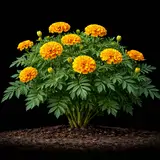
French marigolds demonstrably suppress root-knot nematodes, a real threat to solanaceous crops in warm sandy soil; general pest-repelling is softer.
- Traditional pairings, thin evidence
-
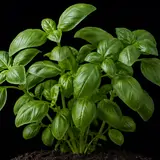
Aromatic nightshade companion (as with tomatoes and tomatillos); the scent may mask the crop from pests and the two share warm, sunny needs.
-
Trap crop for aphids and flea beetles and a draw for pollinators; a useful low interplant beside the sprawl.

Keep apart
-
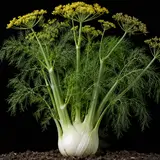
Fennel's root exudates inhibit most garden vegetables; give it its own corner.
-
Shared nightshade pests and diseases (flea beetles, Colorado potato beetle, blights) move between them; keep apart in the rotation.
- Traditional pairings, thin evidence
-
The close husk-fruit cousin shares the same nightshade pests, so growing them together concentrates pressure; a natural cross-reference, but separate them in the bed.
Varieties · 6
You pick one when you add Ground Cherry to your garden. Its days to maturity set your harvest window.
Ground Cherry (Physalis pruinosa) 4 varieties
Aunt Molly's
Small golden-amber berries in tan husks on a low, spreading plant.
ground-cherryheirloomproductiveopen-pollinatedThe classic and most widely grown ground cherry: a Polish heirloom bearing heavy crops of marble-size golden fruit with a bright, citrusy pineapple-tomato flavor. Reliable, productive, and the default first variety - it drops its ripe fruit onto the mulch on a low, sprawling plant about 2 1/2 feet tall.
Goldie
Plump golden berries, a bit larger than Aunt Molly's, in papery husks.
ground-cherrylarge-fruitedsweetopen-pollinatedA larger, especially sweet ground cherry with abundant golden fruit that many growers rate the best-tasting of the type - honey-sweet with the classic husk-cherry tang. Vigorous and heavy-bearing; a fine choice where you want the fruit a touch bigger for pies and jam.
Cossack Pineapple
Small, intensely sweet golden fruit on a low, bushy, spreading plant.
ground-cherryheirloompineapple-flavoropen-pollinatedThe flavor connoisseur's pick: small golden fruit with an intense, unmistakable pineapple-and-vanilla sweetness that makes it a favorite for eating fresh from the husk. A compact, sprawling heirloom that fruits early and heavily - grown for taste above all.
Goldenberry / Cape Gooseberry (P. peruviana) 2 varieties
Giant Poha
Large orange-gold berries in big tan husks on a 4-6 foot upright plant.
peruvianalarge-fruitedlong-seasonA large-fruited Cape gooseberry (the Hawaiian 'poha' berry) on a tall, upright plant, bearing big, tangy orange-gold fruit that ripen up on the plant over a long, warm season. Firmer and more acidic than the ground cherries - the one for chocolate-dipping, drying, and chutney, but it needs the heat and time to finish.
Schonbrunn Gold
Large, tangy orange-gold berries in papery husks on a tall plant.
peruvianalong-seasontangyAn Austrian-selected Cape gooseberry (P. peruviana) bearing large, tangy golden fruit on a tall plant - a long-season goldenberry for warm gardens and greenhouses.
Grower tips
Notes from growers, tagged with the zone they grow in. A person reads every post before it appears.
Nobody has posted about Ground Cherry yet. The first one usually saves someone a season.
Free account. Your post shows your grower name and zone, never your email.