Add it to your home screen and it opens full screen: no browser bars, one tap away, and everything stays signed in. Free, nothing to download from an app store.
- Tap the Share button in your browser
- Scroll down and choose “Add to Home Screen”
- Open GrowSomeFood from your home screen
- Open your browser’s menu
- Choose “Add to Home screen” or “Install app”
- Open GrowSomeFood from your home screen
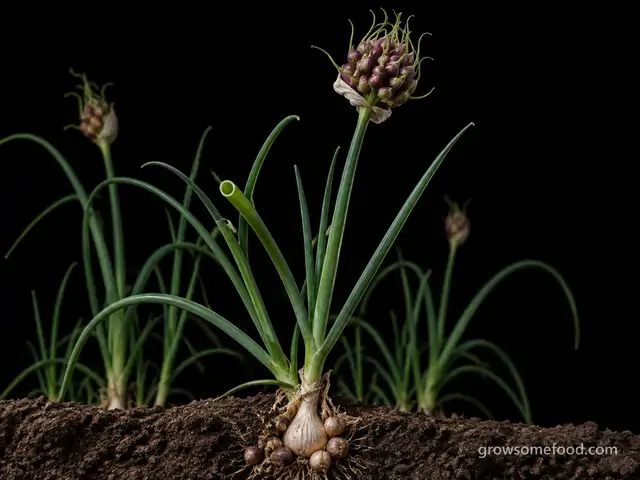
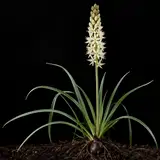
Field Garlic
The introduced European wild garlic of lawns, pastures and grain fields - round hollow leaves, dense heads of tiny bulbils, a sharp garlic flavor and a real agricultural cost. Free to forage, never to plant, and never eaten without the onion-smell test.
Field garlic is a safe edible allium - leaves, small bulbs and aerial bulbils all edible, with a sharp garlic flavor. But it shares a DEADLY look-alike with every wild onion: death camas grows in the same lawns and meadows, looks grass-like, and can kill. The rule is absolute - crush a leaf, and if it does NOT smell of onion or garlic, do not eat it. Leaf shape is NOT the test: death camas leaves are flat and solid, exactly like meadow garlic's. Alliums are also toxic to dogs and cats.
Overview
The one thing to knowField garlic (Allium vineale), also called crow garlic, is the slender dark-green clump that shoots up above a dormant winter lawn and smells sharply of garlic when you crush a leaf.
Field garlic (Allium vineale), also called crow garlic, is the slender dark-green clump that shoots up above a dormant winter lawn and smells sharply of garlic when you crush a leaf. It came from Europe with early settlers and is now naturalized across most of the eastern and central states. It is genuinely useful food: the leaves snip like chives, the small bulbs stand in for a strong garlic, and the clusters of aerial bulbils pickle like miniature cloves.
It is also why this entry is marked not recommended for planting. Field garlic is a serious agricultural weed. Livestock that graze it give garlic-tainted milk, cream, butter and meat; hay cut from an infested field carries the same taint; and green bulblets harvested along with wheat downgrade the grain. Underground it leaves hard-coated bulblets that can lie dormant in the soil for several years, so a patch outlives almost any single attempt to remove it. Forage it - do not sow it.
And it carries the same absolute rule as every wild onion: no onion or garlic smell, no eating. The deadly death camas grows in the same ground, looks just as grass-like, and has no smell at all. Leaf shape is not the test. Death camas leaves are flat and solid, exactly like those of native meadow garlic - so the round hollow leaf that identifies field garlic tells you nothing about the plant growing beside it. Crush a leaf, on every plant, every time.
Quick facts
For identification. Not a growing guide.
- Life cycle
- Perennial, lives about 5 years
- Where it grows
- Full sun · Part sun · Part shade, well-drained soil
- Height
- 24 in12 to 48
- Spread
- 6 in3 to 10
- Cold
- Takes hard frostdamaged below -25°F
- Heat
- Struggles above 95°F
- Self-sows
- Yes. Never let it set seed.
Through the year
How to recognize it in each season.
Fall sprouting from bulbs and bulblets
Sep to Nov, every year- Crush a leaf: no onion smell means do not eat itThis is the one test that matters, and it comes before every other step. Crush a leaf between your fingers: it MUST smell strongly of onion or garlic. If there is no smell, the plant is not an allium and could be deadly death camas - leave it. Leaf shape is NOT the safety test. Death camas leaves are flat and solid, exactly like meadow garlic's, so the round hollow leaf of field garlic identifies this plant only, never the one beside it.
- Round, hollow, waxy leaves from a papery bulbField garlic sprouts in fall as slender, dark green leaves that are ROUND in cross-section and HOLLOW, faintly waxy, rising from the lower part of the stem over a small papery-coated bulb. Native meadow garlic (Allium canadense) has FLAT, SOLID leaves, all from the base. Use this to tell the two apart - never to decide whether a plant is safe to eat.
- Do not plant it, and keep it out of pastureField garlic is an introduced agricultural weed, not a garden plant. Do not sow bulbs or bulbils, do not move soil or hay from an infested patch, and keep it out of pasture, hayfields and grain ground where it taints milk, meat and harvested grain. If you want a garlicky perennial allium in the kitchen garden, grow chives or garlic.
Key signs- The onion or garlic smell - confirm it on every plant, every time
- Dark green clumps standing above a dormant lawn in fall and winter
- Fresh sprouts appearing where bulblets were buried in past seasons
Green tops & bulbs (cool-season harvest)
Feb, Mar, Apr, May, Oct, Nov, every year- Snip the green tops like chivesThrough the cool months, snip the slender hollow leaves with scissors and use them raw or cooked like chives or scallions - the flavor is distinctly garlicky and stronger than meadow garlic, so use less than you think. It is cut-and-come-again from the clump. Confirm the garlic smell on each plant BEFORE it goes in the bag, not after.
- Dig the small bulbs while the tops are upThe small underground bulbs work like a strong garlic or pearl onion. Dig them while the tops are standing, so you can confirm the plant by smell before you dig - a bulb pulled from bare ground in summer cannot be identified safely by eye. Expect small bulbs plus a cluster of hard little offset bulblets; the offsets are the part that regrows the patch.
- Forage only from clean groundField garlic grows where lawns, roadsides and pastures are sprayed. Harvest only from ground you know is free of herbicides, lawn chemicals and road runoff. The plant is fine; the site is the risk.
Key signs- Confirming the smell before every single harvest
- Tops standing tall above a dormant winter lawn - how you spot a patch
- Treated lawns and sprayed field edges - do not harvest there
Bulbil heads (flowers often absent)
May to Jul, every year- Pick the bulbil heads - and pick them allIn early summer field garlic tops each stalk with a tight head of tiny aerial BULBILS, often greenish-purple and tailed with thread-like leaves; true flowers are frequently missing altogether. The bulbils are edible like miniature cloves, excellent pickled. Harvesting them is also the single most useful thing you can do to slow the plant, so take the whole head.
- Cut the stalks before the bulbils dropOnce a bulbil head ripens it shatters, and every bulbil that lands can root into a new plant. Cut and bag the stalks before that happens - do not mow them, which flings bulbils across the lawn, and do not compost them. Bagging the heads for several seasons running is the only cheap control that actually works.
- Why it is so hard to removeField garlic spreads three ways at once: aerial bulbils that drop and root, soft offset bulblets that sprout the same fall, and hard-coated bulblets that can lie dormant in the soil for several years before sprouting. That dormant reserve is why a patch comes back after a clean-looking dig, and why control is measured in seasons, not weekends.
Key signs- Bulbil heads ripening and shattering (each bulbil is a new plant)
- Mowing or tilling an infested patch and spreading bulbils with it
- New sprouts years after a patch was dug out
Summer dormancy
Jul to Sep, every year- Rests underground through summer heatField garlic dies back to its bulbs in summer and disappears completely from a lawn that looked infested in March. Nothing is needed, and nothing is gained by digging now - with no tops there is no smell to confirm and no way to tell a wild bulb apart safely. Mark the patch while the tops are up and come back to it in fall.
Key signs- The patch vanishing above ground while the bulblets wait below
- Any wild bulb dug outside the growing season - it cannot be identified safely
Harvest
- Slender hollow green tops standing above a dormant lawn from fall through spring - snip like chives once the garlic smell is confirmed
- Small bulbs any time the tops are up to identify the plant by smell
- Tight heads of tiny aerial bulbils in early summer, before they shatter
- Snip the green tops like chives · every 2 weeks
- Dig the small bulbs while the tops are up · monthly
- Forage only from clean ground
Picking pick as they ripen
Cook with Field Garlic
Hazards
Deadly Look-Alike (Death Camas)Severity High DisorderField garlic's round hollow leaves distinguish it from native meadow garlic, NOT from death camas - shape tells you which allium, smell tells you whether it is an allium at all.
Field garlic is green and gathered from fall through spring, exactly when young death camas foliage is up.
Any onion-like wild plant with grass-like leaves that has NO onion or garlic smell when crushed - that is not a wild allium and could be deadly death camas. Note that leaf shape is not a safety check: death camas leaves are flat and solid, exactly like those of native meadow garlic.
Do not harvest smell-less look-alikes; if death-camas ingestion is suspected, treat it as a medical emergency and call poison control / emergency services immediately.
The absolute rule: never eat any onion-like wild plant unless it clearly smells of onion or garlic when crushed. Confirm the smell on every plant, every time. When in doubt, do not eat it. The smell test only works plant by plant, on clean hands: once your fingers, scissors, or bag smell of onion, everything smells of onion - so check each plant before you pick it, not after it is in the bag, and discard the whole harvest if a smell-less plant got mixed in. Never dig a wild bulb outside the growing season, when there are no tops to smell.
The critical forager-safety hazard for every wild onion and wild garlic: death camas (Toxicoscordion / Zigadenus) has similar grass-like leaves, grows in the same lawns, meadows and grassy slopes, and is lethally poisonous in every part. Eating it causes severe poisoning and can kill.
Garlic Taint in Milk, Meat, Hay and GrainSeverity High DisorderThis is the main reason field garlic is marked not recommended for planting: the damage lands on neighbors, dairies and grain growers, not only on the person who planted it.
A garlic smell or flavor in milk, cream or butter in spring; green clumps standing above dormant pasture and hayfields; bulbil heads ripening in a small-grain field before harvest.
Move dairy animals off infested ground well before milking, and cut or bag bulbil heads before harvest so they do not ride into hay or grain. Long-term control means several seasons of removing bulbil heads and digging clumps, since the dormant bulblets outlast any one pass.
Keep field garlic out of pasture, hayfields and grain ground in the first place - never plant or move it, and do not spread soil, manure or hay from an infested patch. Keep dairy animals off infested pasture, especially in spring when it is the greenest thing available, and cut hay from clean ground.
Field garlic's defining agricultural cost. Dairy animals grazing an infested pasture give milk, cream and butter that taste and smell of garlic, and the flavor carries into lamb and beef as well; hay cut from an infested field taints winter feed the same way. In small-grain country the aerial bulbils are harvested along with the crop, and American grain standards carry a specific garlicky designation for wheat delivered with green bulblets in it, which costs the grower at the elevator.
Dormant Bulblets & Bulbil SpreadSeverity High DisorderForaging the patch hard - tops through the cool months, bulbs when the ground is workable, and every bulbil head in early summer - is the one control that also feeds you.
Bulbil heads swelling and shattering in early summer; new sprouts appearing in fall where a patch was dug out in a previous season; a spreading ring of new clumps downhill or along the mowing path.
Repeat head removal and digging over several consecutive seasons; a single season never clears it. Where digging is impractical, keeping every bulbil head cut for several years steadily starves the patch of new plants.
Cut and BAG bulbil heads before they shatter, every year - never mow them and never compost them. Dig clumps while soil is moist and tops are up, lifting the soil rather than pulling the leaves so the bulb and its offsets come with it. Do not move soil or fill from an infested area.
Why field garlic is so hard to remove. It spreads three ways at once: aerial bulbils that shatter from the head and root where they land, soft-coated offset bulblets that sprout the same fall, and hard-coated bulblets that can lie dormant in the soil for several years before sprouting. That dormant reserve means a patch reappears after a dig that looked complete, and mowing or tilling simply distributes bulbils across a wider area.
Herbicide / Pollution ContaminationSeverity Medium DisorderEspecially relevant here: field garlic is one of the most commonly sprayed lawn weeds in the country, so the tempting clump in a tidy suburban lawn is exactly the one to leave alone.
Plants growing in treated lawns, sprayed beds, pastures or croplands, along busy or polluted roadsides, or anywhere the ground around them looks suspiciously weed-free. Yellowed, twisted or distorted growth on neighboring plants is a sign something has been sprayed recently.
Do not harvest a contaminated plant - there is no washing this off, and no way to tell by looking. The plant itself is fine, so the answer is simply to choose a different site.
Only forage from ground you know has not been treated with herbicides or pesticides, and stay well back from busy roadsides. Ask before harvesting on land you do not manage. If you are not sure, grow your own patch, or gather only from a clean site you have watched across a full season.
A risk to the forager rather than to the plant. This species grows in lawns, gardens, pastures, croplands, field margins, paths and roadsides - exactly the places that get sprayed with herbicides and lawn chemicals, or that collect road pollution and runoff. The plant itself is harmless; what can make it unsafe to eat is where it has been growing.
Good & bad neighbors
First rule: keep Death Camas apart. The deadly look-alike, and the reason the smell test exists.
Plant nearby
-
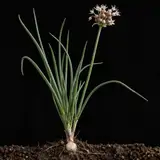
The native sibling this plant is constantly confused with, and often the same patch of ground. Meadow garlic (Allium canadense) has flat, solid leaves from the base; field garlic has round, hollow leaves from the stem. Both are edible and foraged identically, and both take the same absolute smell test - but meadow garlic is native and welcome, while field garlic is the introduced weed.
- Traditional pairings, thin evidence
-
The safe, unmistakable garden allium to grow instead. Chives give the same snipped-green habit in a clump that stays where you put it, and keeping a pot of them by the kitchen is the easiest way to learn the allium smell you will be testing for in the field.
-
If field garlic's flavor is what you are after, grow real garlic. It is the same fall-planted, cool-season allium rhythm with none of the weediness, and a single bed yields more usable garlic than a whole lawn of the wild one.
Keep apart
-
The deadly look-alike, and the reason the smell test exists. Death camas grows in the same lawns, meadows and grassy slopes, comes up grass-like in the same season, and has NO onion or garlic smell. Crush a leaf before anything else: no smell, no eating. Leaf shape will not protect you - death camas leaves are flat and solid, just like meadow garlic's.
Grower tips
Notes from growers, tagged with the zone they grow in. A person reads every post before it appears.
Nobody has posted about Field Garlic yet.
Free account. Your post shows your grower name and zone, never your email.