
Add it to your home screen and it opens full screen: no browser bars, one tap away, and everything stays signed in. Free, nothing to download from an app store.
- Tap the Share button in your browser
- Scroll down and choose “Add to Home Screen”
- Open GrowSomeFood from your home screen
- Open your browser’s menu
- Choose “Add to Home screen” or “Install app”
- Open GrowSomeFood from your home screen

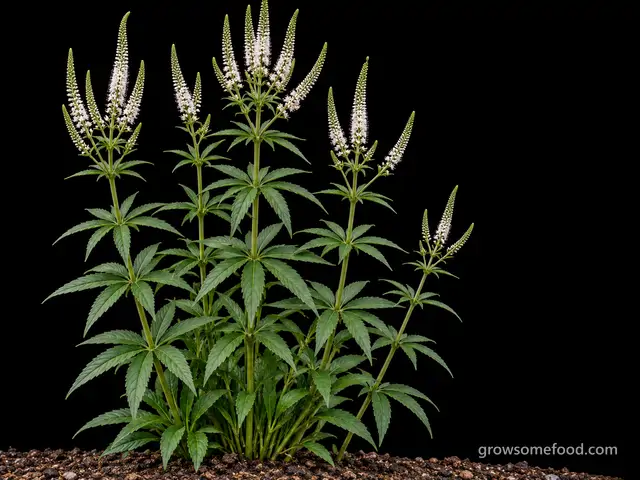
Culver's Root
A tall, elegant native of moist prairies and woodland edges: tiers of whorled leaves rising to striking white candelabra flower spikes that hum with bees - architectural, pollinator-rich, and happy in the moist ground the dry-prairie natives dislike.
Safety notes Culver's root is grown as an ornamental pollinator plant, not for food. Its root ('Culver's physic') is a drastic laxative and emetic - the fresh root is a violent purgative that causes vomiting and bloody diarrhea. There is no safe home dose. Never eat any part of the plant or self-prescribe the root; medicinal use is strictly for qualified practitioners. The foliage is safe to handle and deer tend to leave it alone.
Overview
Culver's root (Veronicastrum virginicum) brings crisp vertical elegance to the moist end of a native planting. Tall, unbranched stems, clothed in neat whorls of slender leaves arranged in tiers, rise 3 to 6 feet (sometimes 7) and top out in mid to late summer in a distinctive candelabra of slender white flower spikes - a central spire flanked by upswept side branches, occasionally blushed pale pink or lavender. The effect is architectural and refined, and the spikes are alive with bees and other pollinators for weeks.
Quick facts
- Sprouts in
- 25 daysRange: 14–40 days
- Soil temperature
- 68 °FRange: 60–75 °F
- Start indoors
- 10 weeks before transplantRange: 8–12 weeks
- Height
- 5 ftRange: 3–7 ft
- Spread
- 24 inRange: 18–30 in
- Cold
- Takes hard frostdamaged below -40°F
- Heat
- Struggles above 95°F
- Life cycle
- Perennial, lives about 15 years
- Save seeds
- About 120 days after plantingRange: 100–150 days
- Self-sows
- Yes, expect volunteers
- Soil
- Consistently moist
- Water
- Medium
- Plant spacing
- 24 inRange: 18–30 in
When to plant
Fall sowing is open for 6 more days. Next: spring, Mar 27 to May 1.
- Direct sow Sep 13 – Oct 25 Closes in 6 daysAbout 6 weeks before to at your first frost (Oct 25 here)Fall-sow the fine seed on the soil surface (it needs light and cold stratification) so winter conditions it for spring germination. Do not bury the seed, and keep the seedbed from drying out.
- Direct sow Mar 27 – May 1 Opens in 159 daysAbout 2 weeks before to 3 weeks after your last frost (Apr 10 here)Surface-sow cold-stratified seed around last frost; press it in for light and keep it consistently moist. Seed-grown plants usually bloom in their second year.
- Transplant Apr 10 – May 22 Opens in 173 daysAbout at to 6 weeks after your last frost (Apr 10 here)Set out transplants or divisions from last frost onward into moist, rich soil in sun to part shade; they establish over summer and often bloom the same or next year. Keep the soil evenly moist.
Frost here: last around Apr 10 (Mar 27 to Apr 24 most years), first around Oct 25. Zone averages, your own yard may run a week or two either way.
Life stages
Establish, grow, repeat
Getting established and returning each season are different parts of the story.
Stage 1 of 5 · Getting established
Germination
Day 0 to 25 from sowing
Care at this stage
-
Cold-stratify and surface-sow the tiny seed
Culver's root germinates best after 30-60 days of cold-moist chilling. Fall-sow outdoors or refrigerate the seed damp before spring sowing. The seed is very fine and needs light to germinate, so press it onto the surface and do not bury it.
-
Keep the surface moist while sprouting
The dust-fine seed and young seedlings must not dry out - keep the surface consistently damp, misting gently so you don't wash the tiny seed away.
Months are typical seasonal windows; climate, variety, and plant age can shift them.
Watch out for
3 to know. None are high-risk for Culver's Root. None are active in October.
Leaf Scorch (sun & drought)Severity Medium DisorderSeason: Jun–AugBrowning that starts at the leaf edges and tips and spreads inward, with a fairly sharp line between the crisp brown tissue and the green that is still healthy.
Culver's root wants consistently moist, rich soil and is happiest in a rain garden or low spot. Give it some afternoon shade in hot climates; it rebounds with steady moisture.
Browning that starts at the leaf edges and tips and spreads inward, with a fairly sharp line between the crisp brown tissue and the green that is still healthy. Leaves and fronds going dry, papery, and crisp rather than soft, yellow, or spotted - that is what separates this from a fungal problem. Damage worst on the side of the plant facing the sun or the prevailing wind and on the most exposed upper leaves, while the shaded interior stays fine. Symptoms appearing sharply after a heat wave, a dry spell, or a bright windy week in winter. Whole leaves or fronds shed early as the plant cuts its losses.
Water deeply, mulch, and improve the shade - that is the whole treatment, because there is nothing here to kill. Leaves that are already scorched will not recover, so trim off badly browned foliage or fronds for appearance if you want to; the crown and roots are usually unharmed and push out fresh growth once conditions improve. On a plant that scorches badly every year the answer is to move it rather than to keep watering harder, because the siting is what is wrong. Some plants respond well to being cut back hard, which brings a clean flush of new foliage. And on plants that naturally die back or brown off late in the season, scorching at the end of a dry summer is normal and needs nothing at all.
Site the plant where it actually wants to be. This is a placement problem far more often than a watering problem, and a shade plant in hot afternoon sun will scorch every summer however much you water it. Give shade and woodland plants part-to-full shade and shelter from hot afternoon sun and drying wind. Keep the root zone consistently moist and mulch it well with leaf litter or another organic mulch, which holds water and keeps the roots cool - the single most useful routine step. Water deeply and thoroughly during dry spells rather than little and often, so moisture reaches the whole root zone. Pay particular attention through the first year after planting, when the root system is small and cannot keep up with the leaves. On evergreens in cold regions, make sure the plant goes into winter well watered, and keep it out of bright, windy, exposed positions.
Leaf scorch is not a disease and there is nothing to spray for it. It is what happens when a leaf loses water faster than the roots can replace it: the tissue farthest from the veins - the margins and the tips - dries out first and turns brown and papery, and the browning works inward while the rest of the leaf stays green. Hot sun, dry soil, drying wind, heat reflected off paving or a wall, a small or damaged root system, and a plant sited somewhere sunnier or drier than it wants are the usual causes, singly or together. It also happens in winter on evergreens, when bright sun and wind pull water out of the leaves while the ground is frozen and the roots cannot resupply. Shade and woodland plants, shallow-rooted plants, and anything recently planted scorch most easily.
Crown RotSeverity Low DiseaseSeason: Nov–MarA plant that fails to green up or emerge in spring when everything around it does - the most common way this gets discovered, and by then it is already too late.
Culver's root loves moist soil, so this is specifically about stagnant, waterlogged ground over winter - and particularly about mulch piled against the crown. Keep the crown clear and the soil moist rather than dead-wet.
A plant that fails to green up or emerge in spring when everything around it does - the most common way this gets discovered, and by then it is already too late. Stems that wilt, blacken, and collapse in wet weather while the soil is clearly damp rather than dry. A crown that is soft, dark, brown, or mushy when you press or lift it, sometimes with a foul smell, instead of firm and pale. New growth that pulls away from the crown with almost no resistance. Clumps browning and going hollow in the middle while the outer growth stays alive. In stands and cover crops, patches wilting, yellowing, and thinning out after wet spells or over a mild wet winter.
There is usually no cure once the crown itself has rotted: the plant is lost, and the job is to save what you can and fix the site. Lift it, cut away every soft, dark, rotted part with a clean blade back to firm tissue, and replant only healthy divisions or firm outer growth into fresh, sharply drained soil or medium. On potted and specialist plants, repotting into fresh airy medium and keeping them drier with better airflow gives the best chance, though a badly rotted crown is usually beyond saving. Bin the rotted material rather than composting it. Replant somewhere better drained rather than back into the same wet spot - or start again from seed, cuttings, or self-sown seedlings, which is the realistic option for anything that resents being moved at all.
Drainage and airflow at the crown are everything. Match the plant to the site first: a dry-adapted perennial planted in heavy or enriched ground is on borrowed time whatever else you do. In wet or clay soil, plant on a slope, berm, raised bed, or gritty rock-garden site so water drains away from the crown rather than standing over it. Set plants at the right depth - never bury the crown - and keep mulch, dead leaves, and debris pulled back from it rather than piled against it, since damp material resting on the crown is a common trigger. Do not overwater, and ease right off during dormancy, when a resting plant wants to be barely damp rather than wet. Give crowded plantings enough space and airflow to dry out, and do not sow a stand too thickly. In cold, wet climates, divide in spring rather than fall, so plants are not recovering from surgery through the wettest months.
Crown rot is the rotting of a plant at the crown - the growing point where the stems meet the roots, right at or just below soil level. Soil fungi and water molds that live in most ground attack that tissue whenever it sits wet, cold, and airless, and because the crown is the one part a perennial cannot regrow from, losing it usually means losing the plant. It is above all a winter problem: a plant that survives hard frost perfectly well in dry ground rots out in a wet one, and the classic story is a perennial that simply never comes back in spring. Dry-adapted plants growing in heavy or over-improved soil are the most vulnerable, along with anything that has mulch, wet leaves, or piled debris sitting against the crown, and anything planted too deep.
Powdery MildewSeverity Low DiseaseSeason: Jul–SepRound white powdery spots on the upper leaf surfaces that spread and merge until whole leaves look dusted.
Cosmetic and rarely significant, arriving late in the season. Removing affected leaves and opening up crowded clumps is all it needs.
Round white powdery spots on the upper leaf surfaces that spread and merge until whole leaves look dusted. It usually starts on the oldest, lowest, most shaded leaves and works upward, so check there first. Look at the undersides too, and at stems, buds, and flower stalks, which get coated as it advances. Leaves that yellow, brown, curl, or go crisp and drop early under the coating. New growth that opens small, crumpled, or twisted where the fungus has reached the shoot tips. On plants where it gets onto the fruit, a dull gray film, russeted or scarred skin, and cracking. Late in the season, tiny dark specks scattered through the white felt - that is the fungus setting up to overwinter on the debris.
Start early: sprays protect healthy tissue, they do not clean up leaves that are already coated. Pick off and bin the worst leaves as soon as you see them, and open the plant up by thinning or pruning so air moves through. On anything that regrows quickly, shearing the whole plant back forces a clean flush and beats spraying. If it keeps spreading, potassium bicarbonate, horticultural oil, or neem applied weekly will hold it - cover both leaf surfaces. Sulfur also works, but it burns the foliage of some plants, should never go on in heat, and must not be mixed with or applied close behind an oil spray. Whatever you use must be labeled for the plant you are treating: follow that label and observe its pre-harvest interval on anything you eat. Do not compost badly infected material. Late-season mildew on a plant that is finishing anyway is usually cosmetic; on a crop still filling out it is worth acting on.
Give plants room. Crowding and still air are the biggest single driver, so space at the full recommended distance, thin seedlings properly, and divide or prune out congested growth until air moves through the plant. Full sun and an open position help; deep shade and a still corner against a wall are where it always starts. Water at the base rather than overhead, and water early in the day so nothing stays damp overnight. Keep plants evenly watered - drought stress at the roots leaves them far more susceptible, even though the fungus itself likes dry air. Go easy on nitrogen, since soft lush growth is the most vulnerable. Where resistant varieties exist for what you are growing, choosing one is the single most effective thing you can do on a plant that mildews every year. Clear infected leaves and stems away at the end of the season rather than composting them.
Powdery mildew is a fungal disease that coats leaves - and often stems, buds, and fruit - in a white-to-gray powder that looks like spilled talcum. It is not one fungus but a large family of them, each fairly specialised to its own group of plants, which is why mildew on one crop rarely jumps to an unrelated one beside it. Unlike most leaf diseases it does not need wet leaves: it thrives on warm dry days followed by humid nights, and it takes hold fastest where plants stand crowded in still air or in shade. The coating blocks light, so heavily covered leaves yellow, brown, and drop early. On many plants that is mostly disfiguring and arrives late enough not to matter; where it strips away the leaves a crop still needed to finish, it costs you size, sweetness, and quality.
Good & bad neighbors
Plant nearby
-
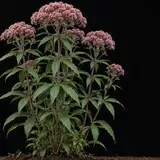
Two tall, moisture-loving natives that bloom together at the back of a moist border or rain garden - Joe-Pye's mauve domes and Culver's root's white spires share the same wet-meadow conditions and pollinator appeal.
-
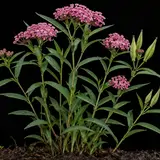
A monarch host that loves the same moist, sunny ground as Culver's root; together they build a pollinator-and-monarch planting for wet meadows and rain gardens.
-
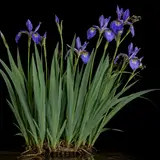
A native moisture-loving iris for the same wet edges and rain gardens; its earlier bloom and strap foliage contrast Culver's root's tall summer spires in a moist native planting.
-
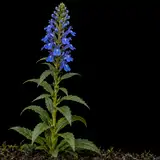
A moist-soil native whose blue spikes follow and complement Culver's root's white candelabras, sharing the same rich, damp ground and pollinator focus.
-
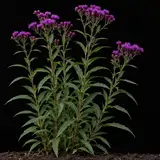
Tall ironweed's deep purple heads and Culver's root's white spires make a bold late-summer pairing for the moist back of a border, both loving damp, rich soil and both fine for pollinators.
Varieties · 3
You pick one when you add Culver's Root to your garden. Its days to maturity set your harvest window.
Culver's Root (Veronicastrum virginicum)
The wild species: tall, unbranched 3-6 foot stems with tiered whorls of slender leaves topped by elegant white candelabra flower spikes in summer, humming with bees.
Variety details for Culver's Root (Veronicastrum virginicum)
Slender white candelabra spikes atop tall stems clothed in neat whorls of toothed leaves.
speciesnativewhitearchitecturalA moisture-loving plant of moist prairies and woodland edges, long-lived and easily divided - the standard for rain gardens and the moist middle-to-back of a native border.
Fascination
A popular selection with pale lilac-to-lavender-pink flower spikes and a strong, sturdy, upright habit - a softer color than the white species and an excellent cut flower, widely grown in naturalistic and perennial borders.
Variety details for Fascination
Pale lavender-pink candelabra spikes on tall, sturdy, upright stems.
selectionlavender-pinksturdycut-flowerErica
A soft pink-flowered selection with a somewhat more compact, well-branched habit - a gentle color for the moist border and a good cut flower, blooming alongside the white and lavender forms.
Variety details for Erica
Soft pink candelabra spikes on a slightly more compact, well-branched plant.
selectionpinkcompactcut-flower
Grower tips
Notes from growers, tagged with the zone they grow in. A person reads every post before it appears.
Nobody has posted about Culver's Root yet. The first one usually saves someone a season.
Free account. Your post shows your grower name and zone, never your email.