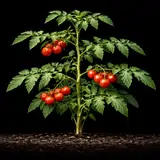
Corn
Zea mays
Corn is a grasslike annual plant primarily grown for its edible kernels. It is a staple food crop widely cultivated for its versatility in culinary...
Overview
Overview
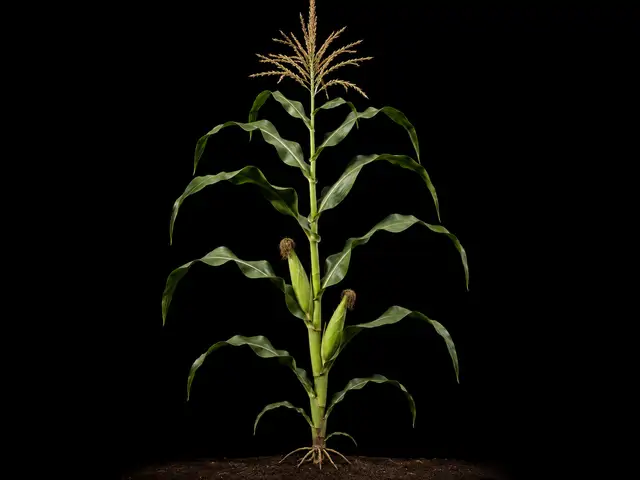
Corn is a grasslike annual plant primarily grown for its edible kernels. It is a staple food crop widely cultivated for its versatility in culinary applications, including fresh consumption, processing, and as an ingredient in various dishes. Corn is typically harvested for its ears, which contain the edible kernels. It thrives in outdoor beds with full sun exposure and well-drained soil.
Why people grow it
Corn is commonly grown by home gardeners due to its high yield potential and the satisfaction of harvesting fresh ears. It is a popular choice for those looking to produce their own food and enjoy the taste of homegrown corn.
Fun facts
- The scientific name for corn, Zea mays, comes from the Greek word "zea," meaning a kind of grain.
- Corn is a staple in many cultural celebrations, including the Native American Green Corn Festival, which celebrates the first harvest of corn.
- Every corn plant has both male and female flowers, with the tassels representing the male flowers and the ears the female.
- Scientific name
- Zea mays
- Other names
- Maize
- Family
- Poaceae
- Group
- Grain
- Lifecycle
- Annual
- Primary use
- Food
- Sunlight
- Full Sun
- Water
- Medium
- Spacing
- 12 in between plants
- Height
- 96 in
- Width
- 12 in
- Edible parts
- Kernels
- Safety notes
- None known
How to Grow
Best way to start
Start corn by directly sowing seeds outdoors for best results.
Direct sow vs transplant
Direct sowing is ideal for corn as it minimizes root disturbance and promotes strong growth. Transplanting is generally not recommended due to corn's sensitivity to root disruption.
Sunlight
Corn requires full sun to thrive, so choose a planting site that receives at least 6-8 hours of direct sunlight daily.
Spacing
Space corn plants 12 inches apart to ensure adequate air circulation and room for growth.
Soil
Plant corn in well-drained soil rich in organic matter. Ensure the soil is fertile to support healthy growth.
Planting depth
Sow corn seeds about 1 to 2 inches deep, ensuring good soil contact for optimal germination.
Quick start checklist
- Prepare the garden bed by enriching the soil with compost.
- Sow corn seeds directly into the soil at the recommended depth.
- Water the seeds thoroughly after planting to ensure good soil contact.
- Monitor for germination within 7 days and maintain consistent moisture.
- Thin seedlings to maintain proper spacing once they reach a few inches tall.
- Best way to start
- Seed
- Start method
- Direct Sow
- Direct sow guidance
- Sow seeds directly in the garden after the last frost date when soil temperatures are at least 60°F.
- Transplant guidance
- Not recommended; corn is best started directly in the ground.
- Planting depth
- Plant seeds 1 to 2 inches deep.
- Support / trellis
- Not needed
- Watering
- Water weekly, ensuring soil remains moist. Stress signals include wilting and yellowing leaves.
- Soil / feeding
- Apply a balanced fertilizer at planting and side-dress with nitrogen when plants are 12 inches tall.
- Days to germination
- 7 days
- Days to first yield
- 60 days
Care & Problems
Lifecycle at a glance
Corn is an annual plant that grows from seed to harvest within a single growing season. For a stage-by-stage guide, see the Stage Guide section below.
Pruning
Pruning is minimal; remove any damaged or diseased leaves as needed.
Watering
Water corn regularly to maintain medium moisture levels, especially during dry spells. Watch for wilting or yellowing leaves as signs of stress.
Feeding & soil
Apply a balanced fertilizer or compost at planting and again when plants are knee-high to support growth.
Common issues
For pests, diseases, and what to watch for, see the Threats & issues block below.
Care checklist
- Inspect leaves for damage or disease.
- Water consistently, especially in dry periods.
- Fertilize when plants are knee-high.
- Ensure soil remains well-drained.
- Thin seedlings to maintain 12-inch spacing.
- Harvest corn ears when kernels are full and milky.
Threats & issues
Corn Earworm
Pest · Severity 4/5
Watch for: Look for chewed kernels and frass at ear tips.
Prevent: Use row covers and encourage natural predators.
Treat: Apply Bacillus thuringiensis (Bt) or insecticidal soap.
Notes: Corn earworms can cause significant damage to corn ears by feeding on the kernels.
Corn Rootworm
Pest · Severity 4/5
Watch for: Look for lodged plants and root damage.
Prevent: Rotate crops and use resistant hybrids.
Treat: Apply soil insecticides if needed.
Notes: Larvae feed on corn roots, leading to plant lodging and reduced yield.
European Corn Borer
Pest · Severity 3/5
Watch for: Check for holes in stalks and sawdust-like frass.
Prevent: Rotate crops and plant resistant varieties.
Treat: Use Bt or insecticides targeting larvae.
Notes: This pest bores into corn stalks, causing structural damage and yield loss.
Common Rust
Disease · Severity 2/5
Watch for: Check for rust-colored spots on leaves.
Prevent: Plant resistant varieties and ensure good air circulation.
Treat: Apply fungicides if necessary.
Notes: Fungal disease that causes rust-colored pustules on leaves, affecting photosynthesis.
Gray Leaf Spot
Disease · Severity 3/5
Watch for: Look for grayish, rectangular lesions on leaves.
Prevent: Rotate crops and plant resistant hybrids.
Treat: Apply fungicides if needed.
Notes: Fungal disease that reduces photosynthesis and yield by causing lesions on leaves.
Northern Corn Leaf Blight
Disease · Severity 3/5
Watch for: Look for elongated lesions on leaves.
Prevent: Use resistant varieties and rotate crops.
Treat: Apply fungicides at first sign of disease.
Notes: This disease causes long, gray-green lesions on leaves, reducing photosynthetic capacity.
Companions & Avoid
Companion plants
- Beans: Beans fix nitrogen in the soil, benefiting corn growth.
- Squash: Squash provides ground cover, reducing weeds and retaining soil moisture.
- Sunflower: Sunflowers can provide support and attract beneficial insects.
Plants to avoid nearby
- Brassicas: Brassicas can attract pests that also affect corn.
- Fennel: Fennel can inhibit the growth of corn.
- Tomato: Tomatoes and corn are both heavy feeders, competing for nutrients.
Stage Guide
-
Germination
Day 0
Do: Keep soil moist
Watch for: Watch for sprouting
-
Seedling
Day 8
Do: Thin to 12 inches apart
Watch for: Monitor for pests
-
Vegetative
Day 22
Do: Ensure full sun exposure
Watch for: Check for nutrient deficiencies
-
Tasseling
Day 46
Do: Water regularly
Watch for: Look for tassel formation
-
Silking
Day 61
Do: Pollinate if needed
Watch for: Watch for silk emergence
-
Ear Development
Day 76
Do: Maintain consistent watering
Watch for: Check for earworm
-
Maturity
Day 91
Do: Harvest when kernels are full
Watch for: Inspect for ripeness
-
Post-Harvest
Day 101
Do: Remove plant debris
Watch for: Prepare soil for next planting
Varieties
Corn currently has 33 saved varieties. Descriptions focus on practical differences, useful growing notes, and conservative zone support.
Ambrosia
Ambrosia is a popular variety of sweet corn known for its excellent taste and bicolor kernels.
General information: Ambrosia is a popular variety of sweet corn known for its excellent taste and bicolor kernels.
Growing conditions: It thrives in full sun with well-drained, fertile soil and requires regular watering.
Days to maturity: Approximately 75 to 80 days from planting to harvest.
Disease resistance: Known for moderate resistance to common corn diseases such as rust and smut.
Spacing: Plants should be spaced about 10 to 12 inches apart in rows that are 30 to 36 inches apart.
Yield: Produces high yields with large, full ears typically measuring around 8 inches long.
Storage: Best consumed fresh but can be stored in the refrigerator for a few days or frozen for longer preservation.
Origin / history: Ambrosia was developed as a hybrid variety to combine sweetness with disease resistance and high yield.
Early Sunglow
Early Sunglow is a hybrid variety of sweet corn known for its early maturity and excellent taste.
General information: Early Sunglow is a hybrid variety of sweet corn known for its early maturity and excellent taste.
Growing conditions: This variety prefers full sun and well-drained soil, and it is suitable for planting in cooler climates due to its early maturity.
Days to maturity: Approximately 63 days.
Disease resistance: Early Sunglow has good resistance to some common corn diseases, including rust and Stewart's wilt.
Spacing: Plants should be spaced about 8 to 12 inches apart in rows that are 30 to 36 inches apart.
Yield: Known for producing a moderate yield, typically with 1 to 2 ears per stalk.
Storage: Best consumed fresh, but can be stored in the refrigerator for a short period or frozen for longer preservation.
Origin / history: Unknown.
Early Xtra Sweet
Early Xtra Sweet is a hybrid variety of sweet corn known for its early maturity and high sugar content.
General information: Early Xtra Sweet is a hybrid variety of sweet corn known for its early maturity and high sugar content.
Growing conditions: It thrives in full sun and well-drained soil with consistent moisture.
Days to maturity: Approximately 68 days.
Disease resistance: Known for good resistance to common rust and Stewart's wilt.
Spacing: Plant seeds about 8-12 inches apart in rows that are 30-36 inches apart.
Yield: Produces high yields with multiple ears per stalk.
Storage: Best consumed fresh but can be refrigerated for a short period to maintain sweetness.
Origin / history: Developed as a hybrid to provide an early-maturing sweet corn option with improved flavor and disease resistance.
Golden Bantam
Golden Bantam is a historic open-pollinated variety of sweet corn known for its rich, sweet flavor and early maturity.
General information: Golden Bantam is a historic open-pollinated variety of sweet corn known for its rich, sweet flavor and early maturity.
Growing conditions: It thrives in full sun with well-drained, fertile soil and requires regular watering.
Days to maturity: Approximately 70 to 85 days.
Disease resistance: Unknown.
Spacing: Plants should be spaced 8 to 12 inches apart in rows 30 to 36 inches apart.
Yield: Produces a moderate yield of 2 to 3 ears per stalk.
Storage: Best eaten fresh but can be frozen or canned for later use.
Origin / history: Introduced by W. Atlee Burpee & Co. in 1902, Golden Bantam quickly became a favorite due to its sweet flavor and early harvest time.
Golden Beauty
Golden Beauty is a variety of sweet corn known for its delicious flavor and tender kernels.
General information: Golden Beauty is a variety of sweet corn known for its delicious flavor and tender kernels.
Growing conditions: It thrives in well-drained soil with full sun exposure and requires regular watering.
Days to maturity: Typically matures in about 70 to 85 days after planting.
Disease resistance: Known for its resistance to common corn diseases, though specifics are unknown.
Spacing: Plants should be spaced about 8 to 12 inches apart with rows 24 to 36 inches apart.
Yield: Offers a good yield with multiple ears per stalk under optimal growing conditions.
Storage: Best consumed fresh but can be stored in a cool, dry place for a short period or frozen for longer preservation.
Origin / history: Unknown.
Hawaiian Gold
Hawaiian Gold is a variety of corn known for its sweet flavor and vibrant color.
General information: Hawaiian Gold is a variety of corn known for its sweet flavor and vibrant color.
Growing conditions: This variety thrives in warm climates with plenty of sunlight and well-drained soil.
Days to maturity: Unknown.
Disease resistance: Unknown.
Spacing: Corn plants generally require spacing of about 8 to 12 inches apart in rows.
Yield: Unknown.
Storage: For best flavor, consume or process shortly after harvest; otherwise, store in a cool, dry place.
Origin / history: Hawaiian Gold is believed to have been developed to suit the growing conditions of tropical regions like Hawaii.
Hawaiian Sugar
Hawaiian Sugar corn is a sweet corn variety known for its delicious flavor and tender kernels.
General information: Hawaiian Sugar corn is a sweet corn variety known for its delicious flavor and tender kernels.
Growing conditions: This corn prefers full sun and well-drained soil, with regular watering to maintain soil moisture.
Days to maturity: Approximately 75 to 85 days.
Disease resistance: Unknown.
Spacing: Plants should be spaced about 8 to 12 inches apart in rows that are 30 to 36 inches apart.
Yield: Known for producing high yields of sweet and tender ears.
Storage: Best eaten fresh, but can be stored in the refrigerator for a short period or frozen for longer storage.
Origin / history: Unknown.
Hawaiian Supersweet
Hawaiian Supersweet is a variety of sweet corn known for its high sugar content and exceptional sweetness.
General information: Hawaiian Supersweet is a variety of sweet corn known for its high sugar content and exceptional sweetness.
Growing conditions: It thrives in warm climates with full sun exposure and well-drained soil.
Days to maturity: Approximately 75 to 90 days.
Disease resistance: It has some resistance to common corn diseases, but specifics are unknown.
Spacing: Plants should be spaced about 8 to 12 inches apart in rows that are 30 to 36 inches apart.
Yield: Known for producing high yields under optimal growing conditions.
Storage: Best consumed shortly after harvest for maximum sweetness, but can be refrigerated for a few days.
Origin / history: Unknown.
Hawaiian Supersweet #10
Hawaiian Supersweet #10 is a variety of sweet corn known for its exceptionally sweet flavor and tender kernels.
General information: Hawaiian Supersweet #10 is a variety of sweet corn known for its exceptionally sweet flavor and tender kernels.
Growing conditions: It grows best in warm climates with full sun and well-drained soil.
Days to maturity: Approximately 75 to 80 days from planting to harvest.
Disease resistance: Known for its resistance to common corn diseases, although specific resistances are not well-documented.
Spacing: Plants should be spaced about 8 to 12 inches apart in rows that are 30 to 36 inches apart.
Yield: Produces a high yield of sweet and juicy ears per plant.
Storage: Best consumed fresh but can be stored in a refrigerator for a short period or frozen for longer preservation.
Origin / history: Developed in Hawaii to suit the region's climate and growing conditions, contributing to its popularity in tropical areas.
Hawaiian Supersweet #11
Hawaiian Supersweet #11 is a hybrid sweet corn variety known for its exceptional sweetness and tender kernels.
General information: Hawaiian Supersweet #11 is a hybrid sweet corn variety known for its exceptional sweetness and tender kernels.
Growing conditions: It prefers full sun and well-drained soil, with consistent watering for optimal growth.
Days to maturity: Approximately 75 to 85 days from planting to harvest.
Disease resistance: Known for its resistance to common corn diseases, though specific resistances are not well-documented.
Spacing: Plants should be spaced about 8 to 12 inches apart, with rows 30 to 36 inches apart.
Yield: Typically produces high yields under ideal growing conditions.
Storage: Best consumed fresh but can be stored in the refrigerator for a short period after harvest.
Origin / history: Developed in Hawaii to suit the tropical climate and cater to local agricultural needs.
Hawaiian Supersweet #12
Hawaiian Supersweet #12 is a hybrid sweet corn variety known for its exceptional sweetness and tender kernels.
General information: Hawaiian Supersweet #12 is a hybrid sweet corn variety known for its exceptional sweetness and tender kernels.
Growing conditions: It thrives in warm climates with full sun and well-drained soil.
Days to maturity: Approximately 75 to 80 days.
Disease resistance: Known for good resistance to common corn diseases, though specifics are not widely detailed.
Spacing: Plants should be spaced about 10 to 12 inches apart in rows 30 to 36 inches apart.
Yield: Produces high yields of large, sweet ears.
Storage: Best consumed fresh but can be refrigerated for a short period.
Origin / history: Developed in Hawaii, this variety was bred for its sweetness and adaptability to tropical climates.
Hawaiian Supersweet #13
Hawaiian Supersweet #13 is a hybrid variety of sweet corn known for its high sugar content and tender kernels.
General information: Hawaiian Supersweet #13 is a hybrid variety of sweet corn known for its high sugar content and tender kernels.
Growing conditions: It thrives in full sun with well-drained soil and requires regular watering.
Days to maturity: Approximately 75 to 85 days.
Disease resistance: Known for its resistance to common corn diseases such as rust and blight.
Spacing: Plants should be spaced about 8 to 12 inches apart.
Yield: Produces high yields with multiple ears per stalk under optimal conditions.
Storage: Best consumed fresh, but can be stored in the refrigerator for a few days.
Origin / history: Developed in Hawaii to suit tropical growing conditions and enhance sweetness.
Hawaiian Supersweet #9
Hawaiian Supersweet #9 is a hybrid variety of sweet corn known for its high sugar content and excellent flavor.
General information: Hawaiian Supersweet #9 is a hybrid variety of sweet corn known for its high sugar content and excellent flavor.
Growing conditions: It requires full sun and well-drained soil, with consistent moisture to thrive.
Days to maturity: Approximately 75 to 85 days from planting to harvest.
Disease resistance: Known for its resistance to common corn diseases, though specifics are often not detailed.
Spacing: Plants should be spaced about 8 to 12 inches apart in rows 30 to 36 inches apart.
Yield: Known for producing high yields of sweet and flavorful ears.
Storage: Best consumed fresh, but can be stored in the refrigerator for a short period or frozen for longer storage.
Origin / history: Developed in Hawaii to meet local demand for high-quality sweet corn.
Heatwave
Heatwave is a variety of sweet corn known for its ability to thrive in hot climates.
General information: Heatwave is a variety of sweet corn known for its ability to thrive in hot climates.
Growing conditions: Heatwave corn grows best in full sun with well-drained soil and requires regular watering.
Days to maturity: Approximately 75 to 85 days from planting to maturity.
Disease resistance: Known for its resistance to common corn diseases such as rust and smut.
Spacing: Plants should be spaced 8 to 12 inches apart with rows 30 to 36 inches apart.
Yield: Known for producing a high yield of ears per plant under optimal growing conditions.
Storage: Best used fresh but can be stored in the refrigerator for up to a week; can also be frozen for longer storage.
Origin / history: Unknown.
Hilo
Hilo is a variety of corn known for its sweet flavor and suitability for home gardens and small farms.
General information: Hilo is a variety of corn known for its sweet flavor and suitability for home gardens and small farms.
Growing conditions: It thrives in well-drained soil with full sun exposure and requires regular watering.
Days to maturity: Approximately 70 to 80 days from planting to harvest.
Disease resistance: Unknown.
Spacing: Plants should be spaced about 8-12 inches apart in rows that are 30-36 inches apart.
Yield: Known for producing a moderate yield of sweet corn ears.
Storage: Best consumed fresh but can be stored in a cool, dry place for a short period or frozen for longer storage.
Origin / history: Unknown.
Hilo Sweet
Hilo Sweet is a variety of sweet corn known for its tender kernels and sweet flavor.
General information: Hilo Sweet is a variety of sweet corn known for its tender kernels and sweet flavor.
Growing conditions: It thrives in full sun with well-drained, fertile soil and requires consistent watering.
Days to maturity: Approximately 80 to 85 days from planting to harvest.
Disease resistance: Unknown.
Spacing: Plants should be spaced about 10 to 12 inches apart in rows that are 30 to 36 inches apart.
Yield: Known for producing a high yield of ears per plant.
Storage: Best consumed fresh but can be refrigerated for a few days or frozen for longer storage.
Origin / history: Unknown.
Honey Select
Honey Select is a variety of sweet corn known for its exceptional flavor and tenderness, developed through the synergistic breeding process.
General information: Honey Select is a variety of sweet corn known for its exceptional flavor and tenderness, developed through the synergistic breeding process.
Growing conditions: It thrives in full sun and well-drained, fertile soil with consistent moisture.
Days to maturity: Approximately 79 days from planting to harvest.
Disease resistance: It has good resistance to common rust and Stewart's wilt.
Spacing: Plants should be spaced 8 to 12 inches apart in rows that are 30 to 36 inches apart.
Yield: Honey Select is known for producing high yields of uniform ears.
Storage: Best consumed fresh but can be stored in the refrigerator for a short period or frozen for longer storage.
Origin / history: Developed through the synergistic breeding technique, combining qualities of different corn types to enhance sweetness and texture.
Jubilee
Jubilee is a popular variety of sweet corn known for its excellent flavor and versatility in the kitchen.
General information: Jubilee is a popular variety of sweet corn known for its excellent flavor and versatility in the kitchen.
Growing conditions: Jubilee corn thrives in full sun and well-drained, fertile soil with a pH of 6.0 to 6.8.
Days to maturity: It generally takes about 80 to 90 days to reach maturity.
Disease resistance: Jubilee corn is known for its resistance to common rust and some other corn diseases.
Spacing: Plants should be spaced about 8 to 12 inches apart in rows that are 30 to 36 inches apart.
Yield: This variety is known for producing high yields of uniform ears.
Storage: For best flavor, Jubilee corn should be consumed soon after harvest, but it can be stored in the refrigerator for a few days.
Origin / history: Unknown.
Kauai Sweet
Kauai Sweet is a variety of sweet corn known for its tender kernels and sweet flavor.
General information: Kauai Sweet is a variety of sweet corn known for its tender kernels and sweet flavor.
Growing conditions: Kauai Sweet thrives in warm climates with full sun and well-drained soil.
Days to maturity: It typically matures in about 75 to 85 days after planting.
Disease resistance: Unknown.
Spacing: Plants should be spaced about 8 to 12 inches apart in rows that are 30 to 36 inches apart.
Yield: Known for producing high yields of sweet and tender ears.
Storage: Best consumed fresh, but can be stored in the refrigerator for a few days.
Origin / history: Unknown.
Luscious
"Luscious" is a sweet corn variety known for its tender and flavorful kernels.
General information: "Luscious" is a sweet corn variety known for its tender and flavorful kernels.
Growing conditions: It thrives in well-drained soil with full sun exposure.
Days to maturity: Approximately 75 days.
Disease resistance: It offers some resistance to common corn diseases.
Spacing: Plants should be spaced about 8-12 inches apart.
Yield: Known for producing high yields of quality ears.
Storage: Best consumed fresh; can be refrigerated for short-term storage.
Origin / history: Unknown.
Maui Gold
Maui Gold is a variety of sweet corn known for its tender kernels and sweet flavor.
General information: Maui Gold is a variety of sweet corn known for its tender kernels and sweet flavor.
Growing conditions: It thrives in full sun and well-drained soil, requiring consistent moisture for optimal growth.
Days to maturity: Approximately 75 to 80 days from planting to harvest.
Disease resistance: Unknown.
Spacing: Typically, plants should be spaced 8 to 12 inches apart with rows 30 to 36 inches apart.
Yield: Known for producing high yields of sweet ears per plant.
Storage: Best consumed fresh, but can be stored in a cool, dry place for a short period or frozen for longer preservation.
Origin / history: Unknown.
Molokai
Molokai is a variety of corn known for its unique characteristics and adaptability to specific growing conditions.
General information: Molokai is a variety of corn known for its unique characteristics and adaptability to specific growing conditions.
Growing conditions: It thrives in warm climates and requires well-drained soil with plenty of sunlight.
Days to maturity: Unknown.
Disease resistance: Unknown.
Spacing: Unknown.
Yield: Unknown.
Storage: Unknown.
Origin / history: Molokai corn is associated with the Hawaiian island of Molokai, where it has been traditionally grown and valued for its cultural significance.
Molokai Sweet
Molokai Sweet is a variety of sweet corn known for its tender kernels and sweet flavor.
General information: Molokai Sweet is a variety of sweet corn known for its tender kernels and sweet flavor.
Growing conditions: It thrives in warm climates with full sun and well-drained soil.
Days to maturity: Typically matures in about 75 to 85 days.
Disease resistance: Unknown.
Spacing: Plants should be spaced about 8 to 12 inches apart in rows 30 to 36 inches apart.
Yield: Known for producing high yields of sweet corn ears.
Storage: Best consumed fresh but can be stored for a short period in a cool, dry place.
Origin / history: Unknown.
Peaches and Cream
"Peaches and Cream" is a popular bicolor sweet corn variety known for its tender kernels and sweet flavor.
General information: "Peaches and Cream" is a popular bicolor sweet corn variety known for its tender kernels and sweet flavor.
Growing conditions: It thrives in full sun with well-drained soil and requires regular watering.
Days to maturity: It generally takes about 70 to 83 days from planting to harvest.
Disease resistance: It has moderate resistance to common corn diseases.
Spacing: Plants should be spaced 8 to 12 inches apart with rows 30 to 36 inches apart.
Yield: Known for producing high yields of sweet, tender ears.
Storage: Best consumed fresh, but can be refrigerated for a short period or frozen for longer storage.
Origin / history: Unknown.
Poamoho
Poamoho is a variety of corn developed for specific growing conditions and improved yield.
General information: Poamoho is a variety of corn developed for specific growing conditions and improved yield.
Growing conditions: It is well-suited for tropical and subtropical climates, requiring warm temperatures and adequate moisture.
Days to maturity: Approximately 75 to 85 days.
Disease resistance: Known for its resistance to common corn diseases, enhancing its reliability for growers.
Spacing: Recommended spacing is about 8 to 12 inches between plants to ensure proper growth and development.
Yield: Produces a high yield of quality ears under optimal growing conditions.
Storage: Best consumed fresh but can be stored in a cool, dry place for short periods.
Origin / history: Developed in Hawaii, it was bred to meet the needs of local farmers for a reliable and productive corn variety.
Quickie
"Quickie" is a variety of sweet corn known for its early maturity and sweet flavor.
General information: "Quickie" is a variety of sweet corn known for its early maturity and sweet flavor.
Growing conditions: Quickie corn thrives in full sun and well-drained soil with consistent moisture.
Days to maturity: Quickie corn matures in approximately 64 days.
Disease resistance: Quickie corn has moderate resistance to common corn diseases.
Spacing: Plant seeds about 8-12 inches apart in rows 24-30 inches apart.
Yield: Quickie corn generally produces a moderate yield of small to medium-sized ears.
Storage: Best consumed fresh, but can be stored in the refrigerator for a short period.
Origin / history: Unknown.
Silver Queen
Silver Queen is a popular variety of sweet corn known for its creamy white kernels and sweet flavor.
General information: Silver Queen is a popular variety of sweet corn known for its creamy white kernels and sweet flavor.
Growing conditions: It prefers full sun and well-drained soil, requiring regular watering especially during dry spells.
Days to maturity: Approximately 92 days from planting to harvest.
Disease resistance: Silver Queen has moderate resistance to some common corn diseases, but not all.
Spacing: Plant seeds about 8-12 inches apart in rows that are 30-36 inches apart.
Yield: Typically produces one to two ears per stalk.
Storage: Best eaten fresh but can be stored in the refrigerator for a few days; can also be frozen for longer storage.
Origin / history: Silver Queen was developed in the 1950s and gained popularity due to its sweetness and tender texture.
Stowell's Evergreen
Stowell's Evergreen is a popular heirloom variety of sweet corn known for its long-lasting sweetness and creamy texture.
General information: Stowell's Evergreen is a popular heirloom variety of sweet corn known for its long-lasting sweetness and creamy texture.
Growing conditions: It thrives in full sun with well-drained, fertile soil.
Days to maturity: Approximately 90-100 days.
Disease resistance: Unknown.
Spacing: Plant seeds 8-12 inches apart in rows 30-36 inches apart.
Yield: Known for producing large, uniform ears with a high yield.
Storage: Best consumed fresh but can be frozen or canned for longer storage.
Origin / history: Developed by Nathaniel Newman Stowell of Burlington, New Jersey, in the mid-19th century.
Sugar Buns
"Sugar Buns" is a variety of sweet corn known for its tender kernels and sweet flavor.
General information: "Sugar Buns" is a variety of sweet corn known for its tender kernels and sweet flavor.
Growing conditions: Prefers full sun and well-drained, fertile soil with consistent moisture.
Days to maturity: Approximately 72 days from planting to harvest.
Disease resistance: Known for having some resistance to common corn diseases, but specifics are not well-documented.
Spacing: Plant seeds about 8 to 12 inches apart in rows that are 30 to 36 inches apart.
Yield: Produces a moderate yield with well-filled ears.
Storage: Best consumed fresh, but can be refrigerated for a short period or frozen for longer storage.
Origin / history: Unknown.
Sunshine Sweet
Sunshine Sweet is a variety of sweet corn known for its tender kernels and sweet flavor.
General information: Sunshine Sweet is a variety of sweet corn known for its tender kernels and sweet flavor.
Growing conditions: It requires full sun and well-drained soil with consistent moisture for optimal growth.
Days to maturity: Approximately 75 to 80 days from planting to harvest.
Disease resistance: Unknown.
Spacing: Typically, plants should be spaced about 8 to 12 inches apart in rows that are 30 to 36 inches apart.
Yield: Known for producing high yields with large, full ears.
Storage: Best consumed fresh but can be stored in the refrigerator for a few days; freezing is an option for longer storage.
Origin / history: Unknown.
Sweet Symphony
"Sweet Symphony" is a variety of sweet corn known for its tender kernels and sweet flavor.
General information: "Sweet Symphony" is a variety of sweet corn known for its tender kernels and sweet flavor.
Growing conditions: It requires full sun and well-drained soil with regular watering.
Days to maturity: Approximately 75 to 80 days from planting to harvest.
Disease resistance: "Sweet Symphony" has some resistance to common corn diseases, but specifics are unknown.
Spacing: Plants should be spaced about 8 to 12 inches apart in rows 30 to 36 inches apart.
Yield: Known for producing high yields of sweet, flavorful ears.
Storage: Best consumed fresh but can be stored in the refrigerator for a short period or frozen for longer storage.
Origin / history: Unknown.
Trinity
Trinity is a sweet corn variety known for its early maturity and excellent taste.
General information: Trinity is a sweet corn variety known for its early maturity and excellent taste.
Growing conditions: Trinity corn thrives in full sun and well-drained soil.
Days to maturity: Approximately 70 days.
Disease resistance: Unknown.
Spacing: Typically, plants should be spaced 8-12 inches apart in rows 30-36 inches apart.
Yield: Known for producing high yields of uniform ears.
Storage: Best consumed soon after harvest for optimal sweetness; can be refrigerated for short-term storage.
Origin / history: Unknown.
Yukon Chief
Yukon Chief is a variety of sweet corn known for its early maturity and compact size, making it suitable for short growing seasons and small gardens.
General information: Yukon Chief is a variety of sweet corn known for its early maturity and compact size, making it suitable for short growing seasons and small gardens.
Growing conditions: It thrives in full sun and well-drained soil, with a preference for cooler temperatures compared to other corn varieties.
Days to maturity: Approximately 55 days.
Disease resistance: Unknown.
Spacing: Plants should be spaced about 8 to 10 inches apart, with rows 24 to 30 inches apart.
Yield: Produces small ears, typically 3 to 5 inches long, with good yields for its size.
Storage: Best consumed fresh, but can be stored in the refrigerator for a few days or frozen for longer preservation.
Origin / history: Yukon Chief was developed by the University of Alaska to provide a corn variety suitable for the short growing seasons in northern climates.
Growing Region Info
Zone 1a
Too cold; short growing season-corn requires warm soil temperatures to germinate and grow well.
Zone 1b
Too cold; short growing season-corn requires warm soil temperatures to germinate and grow well.
Zone 2a
Too cold; short growing season-requires frost protection.
Zone 2b
Too cold; short growing season-requires frost protection or season extension techniques.
Zone 3a
Grows with care; short growing season-requires frost protection.
Best varieties: Early Sunglow, Yukon Chief, Golden Bantam
- Spring: 05/15 to 06/15
Zone 3b
Grows with care; short growing season-requires frost protection.
Best varieties: Early Sunglow, Yukon Chief, Golden Bantam
- Spring: 05/15 to 06/15
Zone 4a
Grows with care; short growing season-requires frost protection at both ends of the season.
Best varieties: Early Sunglow, Golden Bantam, Sugar Buns, Peaches and Cream
- Spring: 05/15 to 06/15
Zone 4b
Grows with care; short growing season-requires frost protection for early and late plantings.
Best varieties: Early Sunglow, Golden Bantam, Sugar Buns, Peaches and Cream
- Spring: 05/15 to 06/15
Zone 5a
Grows with care; short growing season-requires warm soil temperatures for germination.
Best varieties: Golden Bantam, Silver Queen, Peaches and Cream, Honey Select
- Spring: 05/15 to 06/15
Zone 5b
Grows with care; short growing season-requires warm soil temperatures for germination.
Best varieties: Golden Bantam, Silver Queen, Honey Select, Peaches and Cream
- Spring: 05/01 to 06/01
Zone 6a
Grows well; warm-season crop-prefers temperatures above 60°F for optimal growth.
Best varieties: Silver Queen, Golden Bantam, Honey Select, Peaches and Cream
- Spring: 05/01 to 06/01
- Spring: 04/20 to 05/15
Zone 6b
Grows well; warm season crop-prefers temperatures above 60°F for optimal growth.
Best varieties: Silver Queen, Golden Bantam, Peaches and Cream, Honey Select
- Spring: 05/01 to 06/15
Zone 7a
Grows well; warm season crop-prefers temperatures above 60°F for optimal growth.
Best varieties: Silver Queen, Golden Bantam, Peaches and Cream, Honey Select
- Spring: 04/15 to 05/15
- Spring: 05/16 to 06/01
Zone 7b
Grows well; warm season crop-prefers temperatures above 60°F for optimal growth.
Best varieties: Silver Queen, Golden Bantam, Peaches and Cream, Honey Select
- Spring: 04/01 to 05/15
- Summer: 06/01 to 06/15
Zone 8a
Grows well; warm season crop-prefers temperatures above 60°F for optimal growth.
Best varieties: Silver Queen, Golden Bantam, Honey Select, Peaches and Cream
- Spring: 03/15 to 05/01
- Summer: 07/01 to 07/15
Zone 8b
Grows well; warm season crop-prefers temperatures above 60°F for optimal growth.
Best varieties: Silver Queen, Golden Bantam, Honey Select, Peaches and Cream
- Spring: 03/15 to 04/30
- Summer: 07/01 to 07/15
Zone 9a
Grows well; warm season crop-prefers temperatures above 60°F.
Best varieties: Silver Queen, Golden Bantam, Honey Select, Peaches and Cream, Early Sunglow
- Spring: 03/01 to 04/15
- Summer: 07/01 to 07/15
Zone 9b
Grows well; warm season crop-prefers temperatures above 60°F.
Best varieties: Silver Queen, Golden Bantam, Honey Select, Peaches and Cream
- Spring: 03/01 to 04/15
- Summer: 07/01 to 07/15
Zone 10a
Grows with care; heat tolerance is key-ensure consistent moisture and shade during peak heat.
Best varieties: Silver Queen, Golden Bantam, Honey Select, Peaches and Cream
- Spring: 02/15 to 03/31
- Fall: 09/01 to 09/30
Zone 10b
Grows well; warm season crop-prefers temperatures above 60°F.
Best varieties: Silver Queen, Golden Bantam, Honey Select, Peaches and Cream
- Spring: 02/15 to 04/15
Zone 11a
Grows well; warm climate suits growth-ensure consistent moisture.
Best varieties: Sweet Corn, Silver Queen, Golden Bantam, Honey Select
- Year-round: 01/01 to 12/31
Zone 11b
Grows well; warm climate allows for extended growing season-ensure consistent moisture to prevent stress.
Best varieties: Sweet Corn, Silver Queen, Golden Bantam, Honey Select
- Spring: 02/01 to 04/30
- Fall: 09/01 to 11/30
Zone 12a
Grows well; thrives in warm climates-high temperatures are ideal for growth.
Best varieties: Sweet Corn, Silver Queen, Golden Bantam, Honey Select
- Year-round: 01/01 to 12/31
Zone 12b
Grows well; thrives in warm climates-ensure consistent moisture during dry spells.
Best varieties: Sweet Corn, Silver Queen, Golden Bantam, Honey Select
- Year-round: 01/01 to 12/31
Zone 13a
Grows well; thrives in warm climates-ensure consistent moisture during dry spells.
Best varieties: Sweet Corn, Popcorn, Dent Corn, Flint Corn
- Year-round: 01/01 to 12/31
Zone 13b
Grows well; thrives in warm climates-ensure consistent moisture during dry spells.
Best varieties: Sweet Corn, Silver Queen, Golden Bantam, Honey Select
- Year-round: 01/01 to 12/31
Harvest
What you harvest
The primary harvest item from corn is the corn ear, which contains edible kernels.
When it’s ready
Corn ears are ready to harvest when the silk turns brown and the kernels are plump and milky when pierced.
How to harvest
To harvest, grasp the ear firmly, twist, and pull downward to detach it from the stalk without damaging the plant.
How often
Harvest is a one-time event per ear, typically occurring within a 30-day productive window once the ears reach maturity.
Yield & productivity
Yield is influenced by factors such as plant spacing, sunlight, and water availability, with a typical yield of two ears per plant.
After-harvest handling
Immediately after harvest, remove the husks and rinse the corn ears to remove any debris or insects.
Harvest tips
- Harvest early in the morning when temperatures are cooler.
- Ensure consistent watering during the growth period for optimal ear development.
- Check ears regularly as the harvest window approaches to avoid overripeness.
- Use sharp tools to cut stalks if necessary, avoiding damage to surrounding plants.
- Rotate crops annually to maintain soil health and productivity.
- Plant in blocks rather than rows to improve pollination success.
- Monitor for pests and diseases that can affect ear quality.
- Consider planting multiple varieties for staggered harvest times.
- Ensure full sun exposure for maximum growth and yield.
Storage
Best storage method
Store corn ears in a cool, dry place to maintain freshness, avoiding exposure to moisture which can lead to spoilage.
How long it lasts
- Refrigerator: about 5–7 days • best conditions are in the crisper drawer • common failure mode is excess moisture causing mold.
- Freezer: about 8–12 months • best conditions are airtight packaging • common failure mode is freezer burn.
Spoilage signs
- Discoloration on kernels.
- Unpleasant sour smell.
- Visible mold growth.
- Kernels become mushy.
- Sticky or slimy texture.
- Dry and shriveled appearance.
- Off taste when cooked.
Preservation options
- Freeze: ideal for long-term storage while maintaining flavor.
- Can/preserve: suitable for making corn relish or pickles.
- Dehydrate: useful for making cornmeal or snacks.
Propagation & Seed Saving
How this plant reproduces
Corn reproduces through seeds, which are formed in the kernels of the corn ears.
Seed saving
- Allow corn ears to mature on the plant until the husks turn brown and dry.
- Harvest the ears and remove the husks to expose the kernels.
- Dry the kernels thoroughly in a warm, airy location for several weeks.
- Store dried kernels in a cool, dry place in airtight containers.
- Seeds typically remain viable for 1–2 years if stored properly.
When to do it
Begin seed saving after corn ears have fully matured and dried on the plant, typically in late summer to early fall.
Tips and common mistakes
- Ensure corn ears are fully mature before harvesting for seed saving.
- Avoid storing seeds in humid or warm conditions to prevent mold.
- Label stored seeds with the date and variety for future reference.
- Rotate corn with other crops to prevent cross-pollination and maintain seed purity.
- Do not save seeds from hybrid varieties as they may not produce true to type.
Nutrition
How people eat it
Corn is commonly eaten boiled or grilled, often served on the cob with butter and seasoning. It is also used in soups, stews, and salads, and can be ground into cornmeal for baking.
Flavor and texture
Corn has a sweet, slightly earthy flavor with a juicy and crisp texture when fresh.
Best culinary uses
- Grilled corn on the cob is popular for its smoky flavor and ease of preparation.
- Corn chowder is a comforting dish that highlights corn's sweetness and creamy texture.
- Cornbread is a classic use of cornmeal, offering a slightly sweet and hearty bread option.
- Salads with fresh corn kernels add a sweet crunch and vibrant color.
Nutrition highlights
- Corn is a good source of carbohydrates, providing energy.
- It contains dietary fiber, which supports digestive health.
- Corn provides essential vitamins such as B vitamins and vitamin C.
- It contains antioxidants, which may support overall health.
Prep and safety
There are no known safety concerns with corn, but it should be cooked to enhance flavor and digestibility. Corn can be eaten raw, but cooking improves its sweetness and texture.
Medicine
This is not medical advice.
Traditional herbal uses
Corn is primarily known for its culinary uses and is a staple food crop. It has little or no documented traditional herbal classification in this framework.
Common preparations
- Roasting: Corn ears are often roasted, enhancing their natural sweetness and flavor. This preparation is popular in many cultures as a traditional way to enjoy corn.
- Boiling: Boiling corn kernels or ears is a common method to prepare them for consumption, often used in traditional dishes around the world.
Cautions
- Allergy caution: While rare, some individuals may have an allergy to corn. It's important to be aware of any personal allergies.
Troubleshooting
Troubleshooting
- Yellowing Leaves: Possible nutrient deficiency; apply balanced fertilizer.
- Stunted Growth: Poor soil drainage; ensure well-drained soil.
- Wilting Plants: Inadequate water; increase watering frequency.
- Poor Kernel Development: Insufficient pollination; plant in blocks for better pollination.
- Leaf Spots: Fungal infection; remove affected leaves and improve air circulation.
- Holes in Leaves: Insect damage; inspect for pests and use appropriate organic controls.
- Weak Stalks: Overcrowding; thin plants to recommended spacing.
- Root Rot: Overwatering; reduce watering and improve soil drainage.