Add it to your home screen and it opens full screen: no browser bars, one tap away, and everything stays signed in. Free, nothing to download from an app store.
- Tap the Share button in your browser
- Scroll down and choose “Add to Home Screen”
- Open GrowSomeFood from your home screen
- Open your browser’s menu
- Choose “Add to Home screen” or “Install app”
- Open GrowSomeFood from your home screen
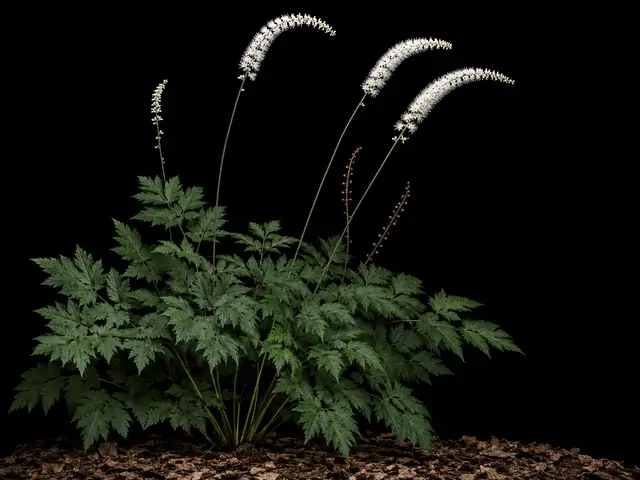
Black Cohosh
One of the finest native perennials for shade - four-to-seven-foot white flower candles over ferny dark foliage in midsummer - and one of the three at-risk Appalachian medicinals still dug from the wild. Buy nursery-propagated plants; planting it is the conservation answer.
Not a casual home remedy. The fresh or large-dose root causes nausea, vomiting, headache and dizziness, and rare cases of serious liver injury have been reported in people taking black cohosh supplements - stop and seek care for jaundice, dark urine or pain over the liver. Avoid in pregnancy except under professional supervision. Do not confuse it with BLUE cohosh (Caulophyllum thalictroides), an unrelated and considerably more dangerous plant. The dry rattling seed pods are not edible.
Overview
Black cohosh (Actaea racemosa, long known as Cimicifuga racemosa) is two plants in one reputation. In a garden it is among the best native perennials you can put in shade: a three-foot mound of large, ferny, dark compound leaves, out of which rise slender white flower candles four to seven feet tall in the middle of summer, when almost nothing else in a shade bed is in bloom. They arch, they glow at dusk, they draw bees and beetles for weeks, and afterwards they dry into upright rows of pods that rattle in the wind - hence the old names fairy candle and rattleweed. Deer leave it alone. A clump improves for decades.
In a pharmacy it is the black cohosh of the menopause supplement aisle, one of the most commercially significant medicinal plants in North America - and the great majority of that root is still dug from wild Appalachian forest rather than farmed. Along with American ginseng and goldenseal, it sits on conservation at-risk lists for exactly that reason.
That is why this entry carries a Caution gate, and the caution is about sourcing and use, not about growing it. Planting nursery-propagated black cohosh is unambiguously good for the species - buy from a grower who propagates their own stock, never wild-dug roots. And treat the root as a commercial medicine rather than a home remedy: it causes nausea and headache in quantity, rare cases of serious liver injury have been reported in people taking supplements, and it is routinely confused with blue cohosh, an unrelated and considerably more dangerous plant.
Quick facts
- Sprouts in
- 300 days180 to 540
- Soil to sprout
- 60 °F50 to 70
- Life cycle
- Perennial, lives about 20 years
- Seed to save
- About 110 days after planting90 to 140
- Height
- 5 ft3 to 7
- Spread
- 36 in24 to 48
- Cold
- Takes hard frostdamaged below -35°F
- Heat
- Struggles above 90°F
- Self-sows
- Yes, expect volunteers
Part sun or part shade or shade · medium water · consistently moist soil · 30 in apart (24 to 36) · direct sow or transplant or division
When to plant
Fall sowing is open for 55 more days. Next: spring, Mar 27 to May 22.
- Direct sow Sep 6 – Nov 15 Open now · 55 days leftAbout 7 weeks before to 3 weeks after your first frost (Oct 25 here)Sow fresh seed a quarter inch deep in a shaded outdoor nursery bed as soon as the pods split. It needs a warm spell followed by a cold winter before germinating, so expect seedlings the following spring or the one after, and three or four more years to flowering.
- Transplant Aug 16 – Oct 4 Open now · 13 days leftAbout 10 weeks before to 3 weeks before your first frost (Oct 25 here)Early fall planting into still-warm soil establishes roots with far less heat stress than midsummer, and is the better window in the South. Mulch with leaf mould once the ground cools.
- Transplant Mar 27 – May 22 Opens in 187 daysAbout 2 weeks before to 6 weeks after your last frost (Apr 10 here)Plant nursery-propagated container plants in spring into rich, moist, humusy soil in part to full shade, spacing them 30 inches apart. Water through the first two summers while the clump builds.
Frost here: last around Apr 10 (Mar 27 to Apr 24 most years), first around Oct 25. Zone averages, your own yard may run a week or two either way.
Life stages
One stage to settle in, then three that repeat each year. Windows are typical; your zone and weather move them.
Years 1-3 - building the clump
The first year after planting- WaterKeep it evenly moist for the first two summersweeklyBlack cohosh is drought-tolerant once its rhizome mass is built, but a young plant in dry shade sulks and scorches. Water deeply through dry spells for the first two seasons - a good soak once a week beats a daily sprinkle - and mulch with leaf litter or compost to hold it.
- MulchMulch with leaf litter and then leave it aloneTwo inches of shredded leaves or leaf mould over the root zone is all the feeding this plant wants; it evolved on a forest floor that is fed by leaf fall. Keep the mulch off the crown itself. Do not dig or cultivate around it - black cohosh resents root disturbance and takes a season to recover from being moved.
- InspectExpect no flowers for the first two or three yearsA young division or a seed-raised plant builds foliage first. Flower spikes usually appear in the third or fourth year, and a mature clump can carry them for decades afterwards. A plant that has not bloomed yet is almost always simply young, not unhappy.
Watch for- Leaf edges browning in the first dry summer
- Slugs shredding the soft spring foliage
- Plants sulking after being moved - normal, give them a season
Spring foliage
Apr to Jun, every year- InspectA three-part compound leaf, ferny and darkBlack cohosh comes up as a mound of large, much-divided compound leaves, dark green and sharply toothed, three to four feet across on an established clump. It is a handsome foliage plant for months before it flowers - which is much of the reason to grow it even if you never touch the root.
- WaterWater in dry spells - dry shade is the one thing it dislikesevery 10 daysEstablished plants take drought better than most woodlanders, but the leaves are large and they scorch at the edges if the root zone bakes dry, particularly where the plant gets afternoon sun. A deep soak during a dry fortnight keeps the foliage clean all season.
Watch for- Crisp brown leaf margins - scorch from sun or dry soil
- Slug holes in the soft new growth
- Sudden wilting in a hot dry week
Summer flower candles
Jun to Sep, every year- SupportStake the spikes only where wind gets at themThe wands rise four to seven feet above the foliage and arch gracefully, which is the whole effect - do not truss them upright. In an exposed or windy position, or on a plant leaning hard toward the light, a single thin cane behind each spike is enough. Plants in genuine shade rarely need anything.
- InspectLate-season nectar, and a scent not everyone likesThe white bottlebrush candles open from midsummer, when little else in the shade garden is flowering, and draw bees, flies and beetles for weeks. The smell is strongly sweet and slightly rank up close - the old name bugbane comes from the belief that it drove insects off - so site it a few feet back from a path or a window if you are sensitive to it.
- DoLeave the seed heads standingThe spent spikes dry into upright rows of pods that rattle in the wind, giving the plant its other old name of rattleweed, and they hold their shape into winter. Leave them for the structure, and collect ripe seed in fall if you want to raise more plants.
Watch for- Spikes leaning hard toward the light on a plant in deep one-sided shade
- Flowers finishing early in a hot dry summer
- Seed pods forming - collect in fall while they are still on the plant
Fall & winter dormancy
Oct to Mar, every year- DoCollect ripe seed in fall if you want more plantsPods ripen to brown and split from late summer into fall. Shake or clip whole spikes into a bag as the pods open, and sow the seed fresh in a shaded outdoor nursery bed the same season. It needs a warm period followed by a cold one before it germinates, which outdoor sowing supplies for free; stored dry seed germinates poorly.
- PruneCut back in late winter, not fallLeave the dried seed spikes standing through winter for their structure and rattle, then cut the whole plant to the ground in late winter before the new shoots push. Top the crown with an inch or two of leaf mould at the same time.
- DoDivide only if you must, and only in dormancyBlack cohosh dislikes disturbance and does not need dividing to stay healthy - clumps improve for decades. If you want more plants, lift in fall dormancy or very early spring, cut the woody rhizome into pieces each with at least one visible bud, replant at once at the same depth, and expect a season of sulking before it takes off.
Watch for- Crowns rotting where winter water stands
- Self-sown seedlings around the clump - transplant them while small
Watch out for
5 to know. 2 are high-risk: Confusion with Blue Cohosh, Wild Digging for the Supplement Trade. 4 are active in September.
Confusion with Blue CohoshSeverity High DisordernowWorth reading before searching for advice about either plant online, where the two are constantly mixed up.
Blue cohosh does not currently have its own catalog entry.
Any advice, remedy, or product that says only 'cohosh' without specifying which. Blue cohosh in the wild is the plant with distinctly blue-green foliage and clusters of deep blue berries on red stalks in late summer, quite unlike black cohosh's ferny green leaves, white flower candles and dry rattling pods. Anyone considering either plant to induce labour, which is where the documented harm has occurred.
Discard anything you cannot positively identify to species rather than gambling on it. Suspected ingestion of blue cohosh, particularly by a child who has eaten the blue berries or by anyone who has taken it in pregnancy, warrants an immediate call to poison control or emergency services - take a piece of the plant with you if you can.
Insist on the botanical name. Actaea racemosa is black cohosh; Caulophyllum thalictroides is blue cohosh. Do not accept a plant, a root, or a preparation labelled only 'cohosh', and do not act on remedies passed along verbally without confirming which species is meant. Neither plant is a home preparation, and neither should be used in pregnancy without professional supervision.
Black cohosh and blue cohosh (Caulophyllum thalictroides) share a common name, a woodland habitat, a history of use in childbirth, and nothing else. Blue cohosh belongs to a different family and is considerably more dangerous: it contains alkaloids and glycosides with effects on the heart, its blue berries are poisonous, and its traditional use to bring on labour has been linked to serious cardiac harm in newborns. The two are routinely conflated in folk sources, in poorly written product listings, and by people repeating advice they were given second-hand.
Wild Digging for the Supplement TradeSeverity High DisordernowThis is the whole reason the entry is gated Caution.
Growing black cohosh is good for the species; the gate exists to force the sourcing question, not to discourage planting it.
Known woodland colonies thinning or vanishing between seasons, and freshly disturbed ground in a patch. Nurseries offering large bare-root black cohosh cheaply in autumn, and suppliers who cannot say how their stock was propagated. Supplement products with no stated origin, which are also the ones most likely to be adulterated with a different Actaea species.
Leave a depleted stand alone and give it years, sowing fresh seed into it if you have any. On the supply side the fix is cultivation: forest-farming programmes across Appalachia are working to move the trade onto grown rather than dug root, and buying from them is what shifts the demand. A garden clump raised from nursery stock is a small contribution in the same direction.
Buy nursery-propagated plants only, from growers who raise their own from seed or division, and ask the question directly before purchase - this is the single most useful thing a gardener can do here. Do not dig wild plants; check your state's rules if you are considering harvesting on your own land, and leave public land alone entirely. Raise more from your own seed rather than lifting from woodland, and if you use the supplement, buy from a source that names its origin.
The defining threat to the species. Black cohosh is one of the best-selling herbal supplements in the world, and the overwhelming majority of commercial root is still dug from wild Appalachian forest rather than farmed - hundreds of thousands of pounds a year, gathered much as ginseng and goldenseal are. Because a plant takes three or four years to flower and a colony rebuilds slowly, harvested stands thin out and do not readily recover, and conservation groups list the species as at-risk. Wild-dug plants also reach the ornamental nursery trade, and cheaper Asian Actaea species are repeatedly found adulterating commercial products.
Liver Injury Reported with SupplementsSeverity Medium DisordernowListed here because the gap between this plant's garden reputation (a superb, harmless shade perennial) and its supplement reputation is wide, and a page that shows only the first would be misleading.
Growing it carries no such risk at all.
In anyone taking a black cohosh supplement: jaundice (yellowing of the skin or the whites of the eyes), unusually dark urine, pale stools, persistent nausea, unexplained fatigue, or pain and fullness over the upper right abdomen. Symptoms can appear weeks or months into use rather than immediately.
Stop taking the product and seek medical attention promptly for any of the warning signs above, taking the packaging with you - liver injury from supplements is treatable when caught early and dangerous when ignored. Do not restart it afterwards.
Treat this as a commercial medicine rather than a garden remedy - there is no home preparation of the root that is worth making. If it is used at all, use a product from a manufacturer that names its species and origin, avoid it alongside other liver-stressing medications or alcohol, do not take it long-term without review, and tell your doctor or pharmacist you are taking it. Avoid it in pregnancy other than under professional supervision, and avoid it entirely with existing liver disease.
Rare but genuine cases of serious hepatitis and liver failure have been reported in people taking black cohosh products, enough that European and UK regulators require a liver warning on the label and the US Pharmacopeia added a cautionary statement. Causality is still debated - some cases involved products adulterated with Asian Actaea species, and the underlying rate appears very low against enormous usage - but the signal is taken seriously by drug-safety authorities and is not something to dismiss. The raw root, separately, causes nausea, vomiting, headache and dizziness in fresh or large doses.
Leaf Scorch (sun & drought)Severity Medium DisordernowThe commonest complaint about black cohosh in gardens, and nearly always a siting problem: large compound leaves in afternoon sun or dry shade crisp at the margins by August.
Deep leaf-mould mulch and a deep soak in dry spells fix most of it, but a clump that scorches every year should be moved somewhere shadier rather than watered harder - it will not adapt.
Browning that starts at the leaf edges and tips and spreads inward, with a fairly sharp line between the crisp brown tissue and the green that is still healthy. Leaves and fronds going dry, papery, and crisp rather than soft, yellow, or spotted - that is what separates this from a fungal problem. Damage worst on the side of the plant facing the sun or the prevailing wind and on the most exposed upper leaves, while the shaded interior stays fine. Symptoms appearing sharply after a heat wave, a dry spell, or a bright windy week in winter. Whole leaves or fronds shed early as the plant cuts its losses.
Water deeply, mulch, and improve the shade - that is the whole treatment, because there is nothing here to kill. Leaves that are already scorched will not recover, so trim off badly browned foliage or fronds for appearance if you want to; the crown and roots are usually unharmed and push out fresh growth once conditions improve. On a plant that scorches badly every year the answer is to move it rather than to keep watering harder, because the siting is what is wrong. Some plants respond well to being cut back hard, which brings a clean flush of new foliage. And on plants that naturally die back or brown off late in the season, scorching at the end of a dry summer is normal and needs nothing at all.
Site the plant where it actually wants to be. This is a placement problem far more often than a watering problem, and a shade plant in hot afternoon sun will scorch every summer however much you water it. Give shade and woodland plants part-to-full shade and shelter from hot afternoon sun and drying wind. Keep the root zone consistently moist and mulch it well with leaf litter or another organic mulch, which holds water and keeps the roots cool - the single most useful routine step. Water deeply and thoroughly during dry spells rather than little and often, so moisture reaches the whole root zone. Pay particular attention through the first year after planting, when the root system is small and cannot keep up with the leaves. On evergreens in cold regions, make sure the plant goes into winter well watered, and keep it out of bright, windy, exposed positions.
Leaf scorch is not a disease and there is nothing to spray for it. It is what happens when a leaf loses water faster than the roots can replace it: the tissue farthest from the veins - the margins and the tips - dries out first and turns brown and papery, and the browning works inward while the rest of the leaf stays green. Hot sun, dry soil, drying wind, heat reflected off paving or a wall, a small or damaged root system, and a plant sited somewhere sunnier or drier than it wants are the usual causes, singly or together. It also happens in winter on evergreens, when bright sun and wind pull water out of the leaves while the ground is frozen and the roots cannot resupply. Shade and woodland plants, shallow-rooted plants, and anything recently planted scorch most easily.
Slugs & SnailsSeverity Low PestOnly the soft spring growth on young plants and nursery seedbeds is genuinely worth defending.
An established clump shrugs off the holes entirely, and the leaf-litter mulch black cohosh wants is also perfect slug cover - so hand-pick after dark in a wet spring rather than stripping the mulch it depends on.
Irregular ragged holes chewed out of the middle of leaves and along the edges - not the clean-edged cuts a caterpillar leaves. Seedlings that vanish overnight, or that are cut off at soil level with nothing left behind. Silvery dried slime trails across leaves, soil, pots, and paving in the morning: this is the giveaway that tells you it was mollusks rather than an insect. Chewed pits in ripe fruit, especially where it rests on the ground. Damage that shows up on the lowest, dampest leaves first and gets worse after rain or evening watering. Turn over a board, an upturned pot, or a clump of dense mulch during the day and look for the animals themselves sheltering in the cool underneath.
Hand-picking works and costs nothing: go out an hour after dark with a headlamp, drop what you find into soapy water, and repeat nightly for a week or two - persistence is what wins, not any single product. Shallow beer traps sunk to soil level catch them too, but need emptying and refilling daily to be worth anything. Iron-phosphate bait is the standard control and is far lower-risk around pets and wildlife than the old metaldehyde products, but it is not harmless: many formulations include EDTA, and a dog that eats a quantity of pellets can develop iron toxicosis. Scatter it thinly per the label, never in piles, and keep dogs off a baited bed. Clear fallen foliage and debris in autumn, where the eggs are laid. In a wet climate this is a population you manage each season rather than one you eradicate - and on most established plants light grazing is cosmetic and needs nothing at all.
Take away the daytime shelter first: lift boards and upturned pots, clear piles of debris, keep dense mulch pulled back from crowns and stems, and give crowded plantings enough airflow to dry out. Water in the morning rather than the evening so the surface is dry by the time they come out. Copper tape around containers and raised beds gives them a shock they will not cross, and it is the one barrier that reliably works. Get plants past the vulnerable stage quickly - start seedlings in pots and set them out at a decent size rather than direct-sowing into a cold wet bed, since most plants stop being worth defending once the leaves toughen. Leave the ground beetles, frogs, toads, and ground-feeding birds alone, because they eat mollusks all night for free and broad-spectrum slug pellets kill them too. Where thick-leaved or resistant varieties exist for what you are growing, they take far less damage.
Slugs and snails are nocturnal mollusks that rasp ragged holes in soft leaves, shear off seedlings at ground level, and chew into ripe fruit that touches the soil. They feed at night and in the early morning and spend the day hidden under boards, pots, dense mulch, leaf litter, and low foliage, becoming active in exactly the cool, damp, shaded conditions that suit young plants. Damage is heaviest in wet spells and on tender spring growth: a single wet week can erase a row of seedlings while an established, tough-leaved plant of the same species is barely marked. They lay clusters of small pearly eggs in damp soil and under debris, so a garden with plenty of cover carries a resident population year after year rather than being invaded from outside.
Good & bad neighbors
Plant nearby
-
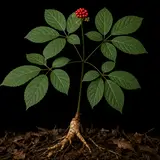
The third of the at-risk rich-cove medicinals, sharing black cohosh's deep shade, humusy well-drained soil and cold winters. Where black cohosh grows well, ginseng usually will too - it is one of the classic indicators that a woodland site is suitable.
-
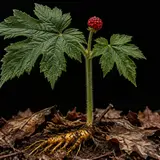
The natural pairing in a forest-farming or conservation bed: low two-leaved goldenseal carpets the ground beneath black cohosh's tall foliage without either shading the other out. Both are at-risk Appalachian medicinals with the same wild-digging problem and the same answer - nursery-propagated stock.
-
FernsTexture partners for the same moist shade, filling the middle layer between groundcovers and black cohosh's flower spikes. Native woodland ferns and black cohosh grow together in the wild and want identical conditions.
-
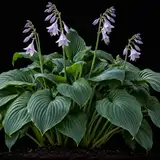
Bold hosta mounds at ground level under black cohosh's ferny foliage and tall flower wands is one of the most reliable shade-border combinations there is, and both want the same moist rich soil - though hostas need slug management that black cohosh does not.
-
The classic canopy over a black cohosh planting - the right shade density, and a leaf litter that builds exactly the rich, moist, well-drained woodland soil it wants. Basswood, tulip poplar and oak do the same job.
-
A spring-ephemeral partner in the same rich-cove community: trillium flowers and fades before black cohosh's foliage fills out, so the two share the ground across the season rather than competing for it.
-
A low native groundcover for the same deep shade and humusy soil, covering the bare ground around the base of the clump and suppressing weeds without competing with a deep-rooted perennial.
Varieties · 5
You pick one when you add Black Cohosh to your garden. Its days to maturity set your harvest window.
Black Cohosh (Actaea racemosa) - nursery-propagated species
Broad mound of large ferny dark-green compound leaves, topped from midsummer by slender arching white bottlebrush spikes far above the foliage, drying to rows of rattling pods.
speciesnativeat-riskmedicinalThe straight native species, and the one to plant. Buy it from a nursery that propagates its own stock by seed or division - wild-dug plants and roots still move through the trade, and the supplement supply chain remains largely wild-harvested. A three-foot mound of ferny dark foliage carrying white candles four to seven feet tall from midsummer, long-lived, deer-resistant, and permanent once settled.
Appalachian wild-type selections
Indistinguishable from the species in the garden - ferny foliage mound with tall white flower wands.
nativeregional-provenanceforest-farmedSeed-raised plants of documented Appalachian provenance, offered by forest-farming nurseries and conservation programmes working to shift the herb trade off wild-dug supply. Horticulturally identical to any other black cohosh; the value is that the genetics are local and the material is traceable. Worth seeking out if you are planting into or near woodland, where locally adapted stock matters most.
Brunette (Actaea simplex)
Dark purple-bronze ferny foliage under fragrant white-to-blush flower spikes about four feet tall, flowering in early autumn.
ornamental-onlydifferent-speciespurple-foliagefall-bloomingSold under the same common names, but a DIFFERENT SPECIES - the Asian Actaea simplex, grown purely as an ornamental and not the medicinal plant. Deep purple-black divided foliage with fragrant pinkish-white bottlebrush spikes in early fall, on a shorter plant of about four feet. Superb in shade and widely available; just do not mistake it for A. racemosa, and do not treat it as a medicinal substitute.
Black Negligee (Actaea simplex)
Almost black, deeply dissected foliage below sweetly scented pure-white flower spikes in early autumn, around four feet tall.
ornamental-onlydifferent-speciespurple-foliagefall-bloomingAnother Actaea simplex ornamental selection, with near-black finely cut foliage and strongly fragrant white bottlebrush flowers in early fall. One of the best dark-leaved plants for shade, and a good late-season nectar source. Like Brunette, it is a garden plant rather than the medicinal species - the shared common names cause a lot of confusion in catalogues.
Kamchatka Bugbane (Actaea simplex, species form)
Green ferny foliage with white bottlebrush spikes three to four feet tall in early to mid autumn.
ornamental-onlydifferent-specieslate-floweringgreen-foliageThe green-leaved Asian species itself, flowering later than American black cohosh - often into October - which makes it useful for extending the shade garden's season. Shorter and more compact than A. racemosa at three to four feet. Purely ornamental; the medicinal literature and the supplement trade concern the American species, not this one.
Grower tips
Notes from growers, tagged with the zone they grow in. A person reads every post before it appears.
Nobody has posted about Black Cohosh yet. The first one usually saves someone a season.
Free account. Your post shows your grower name and zone, never your email.