
Add it to your home screen and it opens full screen: no browser bars, one tap away, and everything stays signed in. Free, nothing to download from an app store.
- Tap the Share button in your browser
- Scroll down and choose “Add to Home Screen”
- Open GrowSomeFood from your home screen
- Open your browser’s menu
- Choose “Add to Home screen” or “Install app”
- Open GrowSomeFood from your home screen
Swamp Sunflower
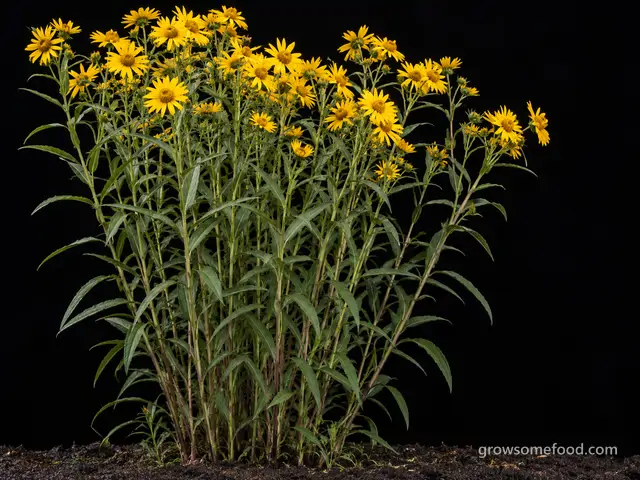
A towering native perennial that saves its best for last - sheets of bright golden daisies in October and November, when almost nothing else is blooming, on a tough, moisture-loving plant that feeds late pollinators and birds. This is the species usually sold as narrowleaf sunflower; the catalog's narrowleaf sunflower page is a different, dry-soil plant.
Safety notes Swamp sunflower is a safe, non-toxic native ornamental and pollinator plant, not a food crop (it is not the edible-seeded annual sunflower). Its seeds feed wild birds but aren't harvested for people. No special handling precautions; not toxic to pets or livestock.
Overview
A name check first. This page is Helianthus angustifolius, the swamp sunflower - and it is the plant the trade most often sells as narrowleaf sunflower, so if that is the name on your tag or receipt, you are in the right place. The catalog's separate narrowleaf sunflower entry is Helianthus salicifolius, the willowleaf sunflower of dry central prairies, and its lean, sharply drained, drought-tolerant siting advice is the opposite of what this species wants. If your plant came labelled H. salicifolius, or you bought it for a hot dry bank, read that page instead.
Quick facts
- Sprouts in
- 18 daysRange: 10–30 days
- Soil temperature
- 70 °FRange: 65–75 °F
- Start indoors
- 6 weeks before transplantRange: 5–8 weeks
- Height
- 6 ftRange: 4–8 ft
- Spread
- 36 inRange: 24–48 in
- Cold
- Takes hard frostdamaged below -20°F
- Heat
- Struggles above 100°F
- Life cycle
- Perennial, lives about 10 years
- Save seeds
- About 150 days after plantingRange: 120–180 days
- Self-sows
- Yes, expect volunteers
- Soil
- Consistently moist
- Water
- Medium
- Plant spacing
- 36 inRange: 24–48 in
When to plant
Fall sowing is open for 19 more days. Next: spring, Apr 10 to Jun 5.
- Direct sow Oct 11 – Nov 8 Open now · 19 days leftAbout 2 weeks before to 2 weeks after your first frost (Oct 25 here)Fall-sow seed outdoors so winter cold stratifies it; seedlings appear in spring and reach blooming size the following year. It also self-sows on its own.
- Transplant Apr 10 – Jun 5 Opens in 172 daysAbout at to 8 weeks after your last frost (Apr 10 here)Set out transplants or divisions in spring into moist, sunny soil with plenty of room; they establish fast and usually bloom well their second fall.
- Transplant Aug 30 – Oct 4 Opens in 314 daysAbout 8 weeks before to 3 weeks before your first frost (Oct 25 here)Divide and replant established clumps in early fall so they root before winter - a good time to lift and split spreading colonies.
Frost here: last around Apr 10 (Mar 27 to Apr 24 most years), first around Oct 25. Zone averages, your own yard may run a week or two either way.
Life stages
Establish, grow, repeat
Getting established and returning each season are different parts of the story.
Stage 1 of 4 · Getting established
Year 1 - rooting in
Day 0 to 60 after transplanting
Care at this stage
-
Keep evenly moist to establish
Swamp sunflower is a moist-meadow plant - keep a new planting well watered its first season. Once established it tolerates ordinary garden moisture and even short dry spells, but it's happiest in moist soil.
-
Give it room - it gets big
This is a tall (5-8 foot), spreading plant. Site it at the back of a border or in a wet meadow with space, well away from smaller plants it would shade out.
Months are typical seasonal windows; climate, variety, and plant age can shift them.
Watch out for
3 to know. None are high-risk for Swamp Sunflower. 1 is active in October.
Powdery MildewSeverity Low DiseasenowSeason: Aug–OctRound white powdery spots on the upper leaf surfaces that spread and merge until whole leaves look dusted.
Common on tall sunflowers late in the season but largely cosmetic given the late bloom. Water through dry spells - drought stress makes it worse - and divide crowded clumps.
Round white powdery spots on the upper leaf surfaces that spread and merge until whole leaves look dusted. It usually starts on the oldest, lowest, most shaded leaves and works upward, so check there first. Look at the undersides too, and at stems, buds, and flower stalks, which get coated as it advances. Leaves that yellow, brown, curl, or go crisp and drop early under the coating. New growth that opens small, crumpled, or twisted where the fungus has reached the shoot tips. On plants where it gets onto the fruit, a dull gray film, russeted or scarred skin, and cracking. Late in the season, tiny dark specks scattered through the white felt - that is the fungus setting up to overwinter on the debris.
Start early: sprays protect healthy tissue, they do not clean up leaves that are already coated. Pick off and bin the worst leaves as soon as you see them, and open the plant up by thinning or pruning so air moves through. On anything that regrows quickly, shearing the whole plant back forces a clean flush and beats spraying. If it keeps spreading, potassium bicarbonate, horticultural oil, or neem applied weekly will hold it - cover both leaf surfaces. Sulfur also works, but it burns the foliage of some plants, should never go on in heat, and must not be mixed with or applied close behind an oil spray. Whatever you use must be labeled for the plant you are treating: follow that label and observe its pre-harvest interval on anything you eat. Do not compost badly infected material. Late-season mildew on a plant that is finishing anyway is usually cosmetic; on a crop still filling out it is worth acting on.
Give plants room. Crowding and still air are the biggest single driver, so space at the full recommended distance, thin seedlings properly, and divide or prune out congested growth until air moves through the plant. Full sun and an open position help; deep shade and a still corner against a wall are where it always starts. Water at the base rather than overhead, and water early in the day so nothing stays damp overnight. Keep plants evenly watered - drought stress at the roots leaves them far more susceptible, even though the fungus itself likes dry air. Go easy on nitrogen, since soft lush growth is the most vulnerable. Where resistant varieties exist for what you are growing, choosing one is the single most effective thing you can do on a plant that mildews every year. Clear infected leaves and stems away at the end of the season rather than composting them.
Powdery mildew is a fungal disease that coats leaves - and often stems, buds, and fruit - in a white-to-gray powder that looks like spilled talcum. It is not one fungus but a large family of them, each fairly specialised to its own group of plants, which is why mildew on one crop rarely jumps to an unrelated one beside it. Unlike most leaf diseases it does not need wet leaves: it thrives on warm dry days followed by humid nights, and it takes hold fastest where plants stand crowded in still air or in shade. The coating blocks light, so heavily covered leaves yellow, brown, and drop early. On many plants that is mostly disfiguring and arrives late enough not to matter; where it strips away the leaves a crop still needed to finish, it costs you size, sweetness, and quality.
Aggressive Spread (into lawns)Severity Low DisorderSeason: May–AugNew shoots emerging progressively farther from the original clump, the patch widening year to year, and self-sown seedlings coming up around and beyond the parent plant.
Spreads by rhizome into a steadily widening colony and also self-sows. Divide every two to four years, or give it room in a large or wild planting and leave it alone.
New shoots emerging progressively farther from the original clump, the patch widening year to year, and self-sown seedlings coming up around and beyond the parent plant.
Pull runners and seedlings while they are small and easy, dig and divide the colony back on a regular cycle, and deadhead to cut off the seeding half of the problem. Persistent containment is what keeps a vigorous plant productive without letting it take over.
Decide first whether the spread is welcome and site accordingly - a spreader in the right place needs no management at all. Where it must be contained, install a buried root barrier or sink it in a large container, keep a mowed or hard edge against it, deadhead before the seed ripens, and grow it in leaner, drier soil, which slows most spreaders down. Where a clumping cultivar exists, it is far less work than fighting the running form.
Not a pest but the defining habit to manage. This plant spreads by underground rhizome, by prolific self-sowing, or by both, so a colony widens steadily every season and shoots appear well beyond where you planted it. In a meadow, wild area or lawn-alternative planting that is precisely the point; in a tidy border it will crowd out less vigorous neighbors and escape into the lawn and beds around it.
AphidsSeverity Low PestSeason: May–JulDense clusters of tiny insects packed onto shoot tips, flower buds, and the undersides of young leaves.
The June cut-back that controls height also removes any aphid colony along with it.
Dense clusters of tiny insects packed onto shoot tips, flower buds, and the undersides of young leaves. Curled, cupped, or distorted new growth that never opens properly. A sticky shine on the leaves - and on whatever sits under the plant - that later goes black with sooty mold. Tiny white cast skins left behind where a colony has been feeding. Ants running steadily up and down the stems, which is often the first thing you notice. Mottled, streaked, or misshapen leaves that do not grow out can mean a virus the aphids brought with them rather than the feeding itself.
Knock the colonies off with a hard jet of water and repeat every few days - on most plants that alone ends it. Pinch out or prune off the worst-infested tips rather than treating the whole plant. If colonies keep rebuilding, spray insecticidal soap or horticultural oil directly onto the insects, covering leaf undersides, and repeat weekly until they are gone; treat early or late in the day, and never spray a wilted or heat-stressed plant. Avoid broad-spectrum insecticides - they kill the ladybugs, lacewings, and parasitic wasps that were about to solve the problem for you, and aphid numbers usually come back worse afterward. Anything you spray must be labeled for the plant you are treating; follow that label and observe its pre-harvest interval. On anything you eat, wash leaves, heads, and buds well before use, since aphids hide down in crowns, folds, and tight growth.
Go easy on nitrogen: the soft, lush growth that heavy feeding produces is exactly what aphids breed on. Check new growth once a week through spring and early summer so you catch colonies while they are still small, and rub the first few out with your fingers. Leave flowering plants nearby and skip broad-spectrum sprays - ladybugs, lacewings, hoverflies, and parasitic wasps do most of this work for free, and they only stay if there is something for them to eat. Keep ants off the plant where you can, since they protect aphids from those predators. Water steadily so plants are not stressed, and check any new plant over before you bring it home or move it indoors, since aphids usually arrive on something else.
Aphids are small soft-bodied sap-suckers - green, black, gray, pink, or waxy white, and mostly wingless - that gather in dense colonies on the tenderest new growth: shoot tips, buds, and the undersides of young leaves. They breed extremely fast in mild weather, so a few can become hundreds inside a week. Their feeding curls and distorts soft growth, and the sticky honeydew they excrete coats everything below and turns black with sooty mold. Ants often farm and defend the colonies for that honeydew. A few aphids are normal on almost any plant and a healthy plant shrugs them off; only dense, persistent colonies do real damage, and some aphids also spread plant viruses as they feed.
Good & bad neighbors
Plant nearby
-
The definitive fall native pairing - both are crucial late-season nectar plants blooming together in September-October, gold plumes beside gold daisies, feeding migrating monarchs and late bees in a moist, sunny meadow.
-
A classic tall, moist-meadow combination - ironweed's deep purple against swamp sunflower's gold is one of the great late-summer-into-fall color contrasts, and both share the same wet, sunny conditions and pollinator value.
-
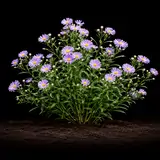
Asters and swamp sunflower bloom together in the fall for pollinators; purple asters at their feet cover swamp sunflower's bare lower stems and complete the late-season nectar buffet.
-
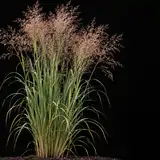
A tall native grass that helps support swamp sunflower's floppy stems, shares its moist-to-average sunny conditions, and adds structure and winter interest to a meadow or rain-garden planting.
- Traditional pairings, thin evidence
-
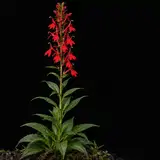
For a moist, sunny-to-part-shade spot, cardinal flower's scarlet spikes precede swamp sunflower's fall gold, both moisture-loving natives that extend nectar for hummingbirds and pollinators in the same damp ground.
Varieties · 4
You pick one when you add Swamp Sunflower to your garden. Its days to maturity set your harvest window.
Species (Helianthus angustifolius)
The wild swamp sunflower: a robust 5-8 foot perennial with narrow willow-like leaves and sheets of bright golden 2-3 inch daisies in October and November.
Variety details for Species (Helianthus angustifolius)
A tall leafy column of narrow leaves topped in fall by masses of small golden daisies with darker centers.
speciesnativetalllate-bloomThe toughest and most vigorous form, ideal for wet meadows, rain gardens, and back borders where its size and spread are welcome.
First Light
A naturally compact selection about 3-4 feet tall that stays sturdy and upright without cutting back or staking, while keeping the full golden late-fall display.
Variety details for First Light
A dense, self-supporting 3-4 foot mound smothered in golden daisies in fall.
compactsturdyself-supportinglate-bloomThe best swamp sunflower for smaller gardens and mixed borders.
Gold Lace
A vigorous, especially free-flowering selection with an exceptionally heavy display of golden daisies on strong stems - a knockout in full bloom, still tall, and best given the early-summer cut-back to keep it upright.
Variety details for Gold Lace
Very heavy sheets of golden daisies on a tall, robust plant.
free-floweringgoldenvigorouslate-bloomMellow Yellow
A softer, paler primrose-yellow form that reads cooler and more refined than the brilliant gold species - a pretty option for blending into a border rather than blazing.
Variety details for Mellow Yellow
Tall plant with masses of soft, pale creamy-yellow daisies in fall.
soft-yellowpalelate-bloomdistinct-colorTall and vigorous like the species.
Grower tips
Notes from growers, tagged with the zone they grow in. A person reads every post before it appears.
Nobody has posted about Swamp Sunflower yet. The first one usually saves someone a season.
Free account. Your post shows your grower name and zone, never your email.