Add it to your home screen and it opens full screen: no browser bars, one tap away, and everything stays signed in. Free, nothing to download from an app store.
- Tap the Share button in your browser
- Scroll down and choose “Add to Home Screen”
- Open GrowSomeFood from your home screen
- Open your browser’s menu
- Choose “Add to Home screen” or “Install app”
- Open GrowSomeFood from your home screen
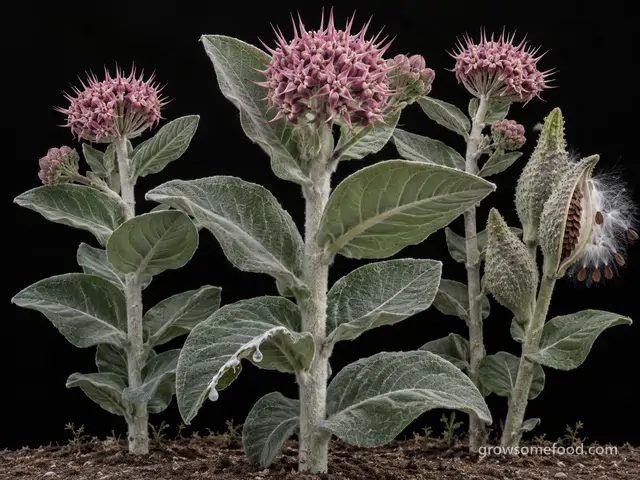
Showy Milkweed
The monarch milkweed of the West. Velvety gray-green leaves and starry rose-pink flower domes across the Rockies, Great Basin, Plains and Pacific states - the regions the eastern milkweeds cannot serve. Tough, drought-proof and fragrant, but a rhizome traveler that wants room rather than a tidy border.
Like every milkweed, showy milkweed carries cardiac glycosides and is toxic if eaten - it is not a food plant, and it is toxic to horses, cattle, sheep and pets in quantity. The milky sap irritates skin and is a serious eye irritant: wear gloves when you cut it and keep your hands away from your eyes until you have washed. Western tribes cooked its young shoots and buds, but that is history recorded here, not a foraging instruction - grow it for the monarchs instead.
Overview
Showy milkweed (Asclepias speciosa) is the milkweed for everything west of the Mississippi. Common milkweed, swamp milkweed and butterfly weed are eastern and midwestern plants; showy milkweed is the one that actually grows across the Great Plains, the Rockies, the Great Basin and the Pacific states, and it is the principal host plant of the western monarch population - the monarchs that breed inland through summer and overwinter in groves along the California coast. That population has fallen by well over 95 percent since the 1980s, and rebuilding milkweed on the western breeding range is the single most useful thing a garden there can do.
It earns the name. The leaves are broad, thick and covered in soft gray-white felt, and the flower clusters are the most striking in the genus - domed heads of starry rose-pink flowers with long, sharply pointed horns, carried on 3- to 5-foot stems and scented strongly enough to find with your eyes shut. Bumble bees, solitary bees, swallowtails, wasps and monarchs work them together through early summer.
The catch is the same one common milkweed has: showy milkweed travels on deep rhizomes and will surface several feet from where you planted it. That is a feature in a meadow, a roadside strip or a fence line, and a nuisance in a small tidy border. Every part is toxic, so this is a plant for wildlife, not for the kitchen.
Quick facts
- Sprouts in
- 18 days10 to 28
- Soil to sprout
- 70 °F65 to 75
- Start indoors
- 8 weeks before transplant6 to 10
- Life cycle
- Perennial, lives about 10 years
- Seed to save
- About 130 days after planting110 to 160
- Height
- 42 in18 to 60
- Spread
- 24 in12 to 36
- Cold
- Takes hard frostdamaged below -30°F
- Heat
- Struggles above 105°F
- Self-sows
- Yes, expect volunteers
Full sun · low water · well-drained soil · 24 in apart (18 to 36) · direct sow or transplant or division
When to plant
Nothing is open today. Fall sowing opens 3 weeks, Oct 11 to Nov 15.
- Direct sow Oct 11 – Nov 15 Opens in 20 daysAbout 2 weeks before to 3 weeks after your first frost (Oct 25 here)Fall-sow outdoors and let winter do the cold-stratification for you - by far the easiest way to start showy milkweed. Press the seed onto the surface, cover it barely, and expect germination the following spring.
- Start indoors Feb 13 – Feb 27 Opens in 145 daysAbout 8 weeks before to 6 weeks before your last frost (Apr 10 here)Cold-stratify seed damp in the fridge for 30 days, then sow indoors 6-8 weeks before last frost in deep pots or tubes that give the taproot somewhere to go.
- Transplant Apr 10 – May 22 Opens in 201 daysAbout at to 6 weeks after your last frost (Apr 10 here)Set out young plugs after last frost into their permanent spot. Plant small - showy milkweed dislikes root disturbance and a deep plug establishes far better than a large potted plant.
Frost here: last around Apr 10 (Mar 27 to Apr 24 most years), first around Oct 25. Zone averages, your own yard may run a week or two either way.
Life stages
One stage to settle in, then three that repeat each year. Windows are typical; your zone and weather move them.
Year 1 - roots down
Day 0 to 60- WaterWater through the first season, then stopweeklyGive a new plant regular water while the taproot and rhizomes go down - a first summer of drip or a weekly soaking in the arid West. After that it is genuinely drought-tolerant and will live on whatever falls; established plants resent summer irrigation in heavy soil.
- ProtectPick the spot once - it will not move well laterShowy milkweed puts down a deep taproot and then travels sideways on rhizomes, and mature plants rarely survive being dug. Choose a permanent, sunny, unmanicured place with room to wander - a meadow strip, a fence line, a hell strip - or sink a deep root barrier before you plant.
Watch for- Slow, unimpressive first-year top growth while the root builds
- New shoots already appearing a foot or two out from the crown
- Standing water or heavy clay - the one thing that kills it
Spring growth
Apr to Jun, every year- InspectCheck the leaves for monarch eggs and caterpillarsFrom mid-spring, turn leaves over and look for single pale monarch eggs the size of a pinhead, and later the black, white and yellow striped caterpillars. West of the Rockies these are western monarchs, and this plant is their nursery. Leave everything you find where it is, and never spray - not even an organic insecticide, which kills caterpillars just as thoroughly.
- WeedPull the shoots that came up where you did not want themRhizome shoots surface around the clump and well beyond it every spring. Pull the ones outside your intended patch while they are young and soft; let the rest fill in. Doing this each spring is the whole containment job, and it takes minutes.
Watch for- Monarch eggs and caterpillars (the point - do not treat)
- Oleander aphids in bright yellow clusters on new growth
- Shoots emerging outside the patch you meant to have
Summer bloom
May to Aug, every year- InspectEnjoy the flowers and the insects working themThe flower clusters are the showiest in the genus - starry rose-pink domes with long, sharply pointed horns and a heavy sweet scent - and they pull in bumble bees, native solitary bees, tarantula hawks, swallowtails and monarchs all at once. This is a nectar bar and a monarch nursery on the same plant.
- ProtectNo sprays, no systemics, no treated plantsA milkweed that gets sprayed is worse than no milkweed at all, because monarchs lay eggs on it and the caterpillars die. That includes systemic neonicotinoids, which persist in the leaves for a season or more - when you buy plants, ask the nursery whether they were treated, and buy from a native-plant grower who can answer.
Watch for- Caterpillars chewing leaves down to the midrib (welcome them)
- Oleander aphids on stems and flower buds
- Milky sap on your hands and tools - keep it out of your eyes
Seed & winter
Sep to Mar, every year- DoLet the pods split, or clip them to hold the patch stillThe big warty pods dry, split along one seam and let the silk-tufted seed go on the wind in early fall. Leave them if you want the patch to grow or you want seed to share; clip them green if you would rather not find seedlings downwind. Collect just as a pod starts to open, before the wind gets there.
- PruneLeave the stalks standing, cut them in early springDead stalks shelter overwintering insects and mark where the plant is. Cut them to the ground in late winter or early spring before the new shoots push - and note that a milkweed that dies back for winter is exactly what monarchs need, which is why native milkweeds beat the evergreen tropical one.
Watch for- Pods splitting and seeding downwind
- Bare ground in late winter - it is dormant, not dead
Watch out for
3 to know. None are high-risk for Showy Milkweed. 2 are active in September.
Root RotSeverity Medium DiseaseThe usual killer of a garden showy milkweed.
Summer irrigation on clay, or a low spot that holds winter runoff, will rot the taproot. Grow it lean, unwatered after year one, and raised or on a slope where the soil is heavy. In genuinely wet ground, grow swamp milkweed instead.
Wilting in the middle of the day on a plant whose soil is damp - the classic tell, and the reason people water a rotting plant and finish it off. Leaves yellowing from the bottom up, dull off-color foliage, and growth that stalls for no visible reason. Whole shoots, or one side of the plant, collapsing while the rest still looks fine. Soft, dark, or mushy tissue at the base of the stem or at the crown, sometimes with a sour smell. Lift a failing plant and look at the roots: healthy ones are firm and pale, rotted ones are brown or black and slimy, and the outer layer slips off between your fingers leaving a thread of core behind. Seedlings that topple over at soil level are the same problem, called damping-off.
There is no cure for tissue that has already rotted, so act on the conditions rather than looking for a spray. Stop watering at once and fix the drainage - open up compacted soil, or move the plant to a raised, sharply drained position or a container. Lift a badly affected plant, cut away every soft dark root and rotted section with a clean blade back to firm pale tissue, and replant only the healthy parts into fresh free-draining soil or mix. Often the better move is to give up on the plant and save its offspring instead: cuttings, offsets, or divisions taken from firm healthy growth root readily and give you a clean start. Bin the rotted material rather than composting it, and correct the drainage before you replant, because the rot comes straight back in the same wet spot.
Drainage is the whole defense. Match the plant to the site first - something that wants sharp drainage will not survive heavy clay or a low, water-collecting spot however well you tend it. Where the ground is heavy, plant on a raised bed, berm, or slope, or grow in a container. Set plants at the depth they were already growing, since burying the crown or the root flare is a common cause of rot, and keep mulch pulled back a few inches from the stem base instead of piled against it. Water the soil rather than the calendar: check that the top inch or two is dry before watering again, cut back hard in cool weather and winter dormancy, and never leave a pot standing in a full saucer. Do not plant or dig in soggy ground, and go easy on rich amendments for plants that want it lean. Rotate annual crops, and start with clean healthy plants and fresh mix.
Root rot is not one organism but a group of soil fungi and water molds - Pythium, Phytophthora, Fusarium, Rhizoctonia and others - that sit harmlessly in most soils and only turn destructive when the ground stays saturated. Waterlogged soil drives the air out, the roots suffocate, and the weakened tissue is invaded and goes soft, brown, and stringy. Because the damage is underground you usually see it first as something that looks like drought: wilting, yellowing, stunting, a plant that does not respond to being watered. Overwatering, heavy compacted ground, a low spot that collects runoff, a pot with no drainage or a saucer left standing full, and cold wet soil in winter are the usual causes. Once roots have actually rotted there is no cure - this is a problem you prevent rather than treat.
Oleander AphidSeverity Low PestnowVery common on showy milkweed in the dry West, worst on soft irrigated growth.
A plant grown hard and unwatered carries fewer of them.
Dense colonies of vivid yellow aphids packed along the stems and over the flower buds, sticky honeydew, sooty mold, and ants working the plant.
Blast them off with a jet of water, or wipe them off by hand - checking first for monarch eggs and small caterpillars on the same stems. Otherwise simply tolerate them, since predators usually catch up. Do NOT spray, including with insecticidal soap or neem, which kill caterpillars too.
Encourage lady beetles and lacewings and let them do the work; a strong plant carries a heavy colony without real harm. Never use insecticide on a monarch host plant. Soft, over-watered, over-fed growth carries far more of them, so growing the plant hard reduces the problem.
Bright yellow, black-legged aphids that cluster densely on milkweed stems, buds and new growth. They are conspicuous and very common but rarely fatal to an established plant - and they cannot be sprayed, because any insecticide that kills them also kills the monarch eggs and caterpillars the plant is there to support.
Milkweed Tussock MothSeverity Low PestnowOn a running patch there is always enough leaf to go round, so late-season stripping of a few stems does not matter.
Clusters of hairy orange, black, and white caterpillars skeletonizing leaves, usually on older plants in late summer.
None warranted; if a young plant is being overwhelmed you can move a cluster to another milkweed, but generally leave them be.
None needed - they're native and share the plant with monarchs.
A native moth whose fuzzy orange-black-and-white caterpillars feed in groups on milkweed leaves, sometimes stripping older foliage late in the season - a natural part of the milkweed community, not a problem to control.
Good & bad neighbors
Plant nearby
-
Late-season nectar for migrating monarchs after the milkweed has gone to seed, on the same lean, sunny, unwatered ground. A core native-meadow combination.
-
The classic milkweed pairing across the season: milkweed feeds the caterpillars in early summer, goldenrod fuels the adults heading for the overwintering groves in fall. Together they cover the full monarch year.
-
The other western monarch host. Growing both extends the host window - narrowleaf leafs out and holds on later in California and the low deserts, showy milkweed carries the interior and the north - and gives caterpillars more to eat in a bad year.
-
A clumping native grass that gives a milkweed patch structure and winter colour, holds the soil on lean ground, and shelters overwintering insects without competing for water.
-
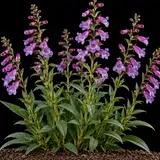
Shares showy milkweed's full sun and sharp drainage exactly, blooms a little earlier, and brings in hummingbirds and specialist bees - one of the easiest dry western pollinator pairings.

Grower tips
Notes from growers, tagged with the zone they grow in. A person reads every post before it appears.
Nobody has posted about Showy Milkweed yet. The first one usually saves someone a season.
Free account. Your post shows your grower name and zone, never your email.