Add it to your home screen and it opens full screen: no browser bars, one tap away, and everything stays signed in. Free, nothing to download from an app store.
- Tap the Share button in your browser
- Scroll down and choose “Add to Home Screen”
- Open GrowSomeFood from your home screen
- Open your browser’s menu
- Choose “Add to Home screen” or “Install app”
- Open GrowSomeFood from your home screen
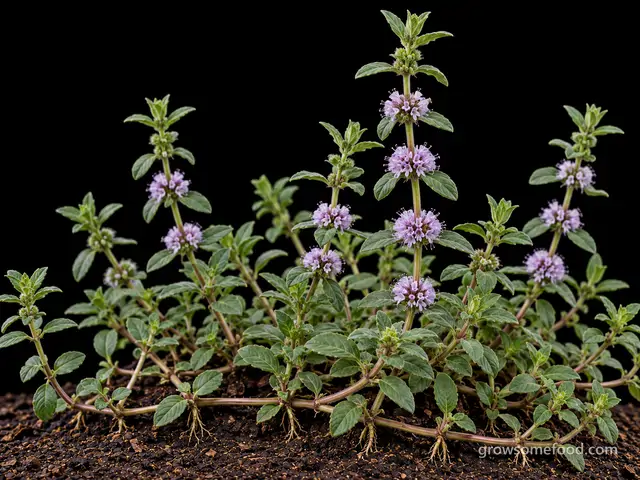
Pennyroyal
The one mint that is not a kitchen herb. Pennyroyal is sold as a creeping groundcover and flea mint, smells convincingly of peppermint, and carries a liver toxin that has killed people. Tell it by its low creeping habit and its flowers in whorls along the stem.
NEVER brew pennyroyal tea and never take the oil. Its pulegone-rich oil is toxic to the liver: concentrated oil has killed adults, and strong infusions have caused serious poisoning. It is an abortifacient that has killed women without reliably ending pregnancies - never use it in pregnancy or while nursing. Keep the oil away from dogs and cats, which have died from flea preparations containing it. It smells convincingly of peppermint, so smell is NOT a safe test for which mint you have.
Overview
The one thing to knowIts oil is unusually rich in pulegone, which the liver converts into a metabolite that destroys liver tissue.
Pennyroyal (Mentha pulegium) is a real mint. It has the square stems, the opposite leaves and the strong peppermint smell, and it is sold in ordinary garden centres as a low creeping groundcover, a plant for stepping-stone joints, and a “flea mint” for pet bedding. It is also the one Mentha you must never brew.
Its oil is unusually rich in pulegone, which the liver converts into a metabolite that destroys liver tissue. Concentrated pennyroyal oil has killed adults, and serious poisonings have followed strong infusions of the leaf as well. Because it was a traditional abortifacient, the deaths on record are disproportionately of young women who took it for that purpose - it did not reliably end pregnancies, and it did damage livers. There is no safe home dose, and nothing about it belongs in food, tea or a home remedy.
The reason this page exists is that smell will not save you. Pennyroyal smells like peppermint, so the check most people trust is the one that fails. Two things do work: pennyroyal creeps, forming a low mat that roots as it goes, where culinary mints stand upright at one to three feet; and pennyroyal carries its lilac flowers in ball-like whorls spaced up the stem, where spearmint and peppermint gather theirs into a single spike at the tip. If you want a creeping mint to walk on, plant Corsican mint instead.
Quick facts
For identification. Not a growing guide.
- Life cycle
- Perennial, lives about 8 years
- Where it grows
- Full sun · Part sun · Part shade, consistently moist soil
- Height
- 8 in4 to 16
- Spread
- 24 in12 to 60
- Cold
- Takes hard frostdamaged below -10°F
- Heat
- Struggles above 100°F
- Self-sows
- Yes. Never let it set seed.
Through the year
How to recognize it in each season.
Creeping mat (the stage that gets mistaken for mint)
Apr to Jul, every year- Low and creeping, with small grey-green leavesPennyroyal makes a prostrate mat four to eight inches high, its square stems running along the ground and rooting where they touch. The leaves are small - half an inch to an inch - oval, grey-green, softly hairy, and nearly smooth-edged. Spearmint and peppermint stand upright at one to three feet with leaves two to three inches long, bright green, sharply toothed and often crinkled. Height and leaf size are the first check, before you ever crush anything.
- Do not crush and sniff to decidePennyroyal smells convincingly of peppermint - a little sharper and more medicinal, but not different enough to bet a liver on. This is the single most dangerous thing about it: the test people trust most is the one that fails. Identify it by growth habit and by where the flowers sit, and if a mint in your garden is unlabelled, treat it as unknown rather than tasting it.
- Keep it away from anything you harvestIf pennyroyal is already growing on your property, get it physically away from culinary mint, lemon balm and the herb bed - not next to them with a label. Pull it in damp soil so the rooting stems lift whole, bag it as household waste, and do not compost the runners. Wear gloves and wash your hands afterwards, and never leave pulled material where children or animals could chew it.
Key signs- A low creeping mat rooting at the nodes where you expected an upright mint
- Small grey-green softly hairy leaves under an inch long
- Unlabelled creeping mint bought as a groundcover, stepping-stone plant or flea mint
Whorled summer bloom (the certain separator)
Jul to Sep, every year- Ball-like flower clusters ALONG the stem, not a spike at the tipThis is the check that settles it. Pennyroyal carries its lilac flowers in dense, ball-like whorls spaced at intervals up the stem, each one sitting in the angle where a pair of leaves joins - like a row of little pompoms on a stick, often with a tuft of leaves above the topmost one. Spearmint and peppermint gather their flowers into a single tapering SPIKE at the very tip of the stem. Flower position, not smell, tells you which mint you have.
- Cut the flowers off before they seedPennyroyal seeds freely, and seed is how it gets from a garden into ditches, pond edges and seasonal wetlands, where it is a listed invasive plant in California and a problem weed in Oregon. If you have a stand you cannot remove immediately, at least cut it before it sets seed, and bag the cuttings rather than composting them.
Key signs- Lilac flowers in round whorls spaced up the stem (never a single tip spike)
- Seed set, especially near ditches, irrigation, pond margins or damp meadow
Winter dieback (the roots persist)
Oct to Mar, every year- Winter is when you find out how far it wentThe top dies back in cold zones and the rooted stems survive, so a patch that looked contained in August reappears wider in April. Late dormancy is a good time to work the edges of a stand on damp ground, lifting rooted runners whole. Do not rototill it - every chopped rooting node becomes a new plant.
- Clear out any stored oil or dried plantThe dangerous form of pennyroyal is rarely the plant in the ground - it is a bottle of concentrated oil or a bag of dried leaf on a shelf. Pennyroyal oil is a genuine poison with documented human deaths and dead pets behind it. If you find some, dispose of it and do not pass it on. Nothing about home use of this plant is safe to hand to somebody else.
Key signs- Rooted runners surviving winter and the patch reappearing wider in spring
- Bottles of pennyroyal essential oil or dried leaf in a cupboard or a pet-care kit
Hazards
Pennyroyal Poisoning (liver failure)Severity High DisordernowAny pennyroyal tea, tincture, capsule or essential oil, especially taken in pregnancy or to end a pregnancy; an unlabelled creeping mint used in the kitchen; early nausea and vomiting with abdominal pain, which can precede liver failure by hours to days while the person still feels only unwell.
Any pennyroyal tea, tincture, capsule or essential oil, especially taken in pregnancy or to end a pregnancy; an unlabelled creeping mint used in the kitchen; early nausea and vomiting with abdominal pain, which can precede liver failure by hours to days while the person still feels only unwell.
Suspected ingestion is an EMERGENCY - call poison control or emergency services immediately and do not wait for symptoms; take the plant or bottle with you. Poison centres manage it much as they manage a paracetamol overdose, with N-acetylcysteine and supportive care, and early treatment matters. Do not attempt to manage it at home.
Do not plant it, do not buy the oil, and never brew or eat any part. Keep it physically out of herb beds and away from anything harvested, and label every mint you grow. Identify mints by habit and flower position (pennyroyal creeps and flowers in whorls along the stem; culinary mints stand upright and flower in a spike at the tip) rather than by smell, which is not a reliable test.
The hazard is severe liver injury. Pennyroyal oil is dominated by pulegone, which the liver converts to menthofuran and related reactive metabolites that exhaust the liver's glutathione defences and then destroy liver tissue - a mechanism comparable to a paracetamol overdose, and capable of fulminant liver failure, kidney injury, seizures and death. Documented fatalities involve small volumes of the concentrated oil, and serious poisonings have also followed strong leaf infusions. The historic use as an abortifacient is the route by which most recorded deaths happened: it did not reliably end pregnancies, and it did destroy livers.
Pet Poisoning from Flea PreparationsSeverity High DisordernowAny flea dip, collar, spray, shampoo or bedding treatment listing pennyroyal or Mentha pulegium oil; pets that have walked or slept on a pennyroyal mat and then groomed themselves; vomiting, lethargy, weakness or collapse after use of a herbal flea product.
Any flea dip, collar, spray, shampoo or bedding treatment listing pennyroyal or Mentha pulegium oil; pets that have walked or slept on a pennyroyal mat and then groomed themselves; vomiting, lethargy, weakness or collapse after use of a herbal flea product.
Call a veterinarian immediately and wash any applied product off with soap and water. Take the product packaging with you so the vet knows the dose and the route.
Never use pennyroyal oil on or around animals, and do not plant a mat of it where pets lie down. Use veterinary flea control instead - 'natural' is not the same as safe, and this is one of the clearest examples of that.
Pennyroyal's old reputation as a flea herb keeps it in the pet aisle as a 'natural' flea oil, dip or bedding additive. Dogs and cats have died from it, both after swallowing it and after it was applied to their skin - the oil is absorbed through the skin and the same pulegone metabolites destroy the liver. Cats are especially vulnerable to essential oils generally, and a small animal needs only a small dose.
Invasive Spread into WetlandsSeverity Medium DisordernowMats appearing along irrigation lines, ditches, pond edges and low ground that floods seasonally; seed set on flowering shoots; runners rooting outside the original planting.
Mats appearing along irrigation lines, ditches, pond edges and low ground that floods seasonally; seed set on flowering shoots; runners rooting outside the original planting.
Lift whole rooting runners from damp soil and bag them as household waste, repeating through the season for regrowth. Do not rototill or strim a stand - chopped rooting nodes each become a new plant.
Do not plant it. If it is already present, cut it before it seeds and keep it away from any damp low ground or water course; never dispose of it in compost, green waste destined for land spreading, or a ditch.
Pennyroyal escapes gardens into damp ground and forms mats in vernal pools, seasonally wet meadows, ditches and creek margins, displacing the specialized native flora of those habitats. It is listed as an invasive plant in California and is a recognized weed in Oregon and elsewhere in the Pacific Northwest. It spreads both by seed and by stems that root wherever they touch, so mowing and tilling move it rather than removing it.
Good & bad neighbors
First rule: keep Mint apart. The confusion this entry exists to prevent.
Keep apart
-
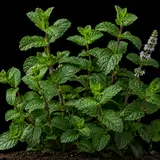
The confusion this entry exists to prevent. Pennyroyal is a Mentha, it smells like one, and general advice that mint is safe in tea amounts does not apply to it. Never plant pennyroyal in or beside a culinary mint pot, a herb bed or anything you pick from - an unlabelled creeping mint growing through a spearmint patch is exactly the situation that ends in a poisoning. If you want a creeping mint to walk on, plant Corsican mint instead.
-
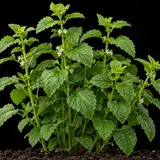
Not a horticultural conflict but a harvesting one: lemon balm is grown to be picked by the handful for tea, and it is a spreading square-stemmed Lamiaceae plant that pennyroyal can creep straight into. Keep pennyroyal out of any bed you gather leaves from, in a different part of the garden entirely.
-
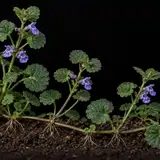
The other low creeping pulegone-bearing mint, and the one pennyroyal is most often mixed up with. Ground ivy is far the milder of the two, so mistaking pennyroyal for ground ivy is the dangerous direction of that error. Both are plants to identify and remove rather than to gather.
Grower tips
Notes from growers, tagged with the zone they grow in. A person reads every post before it appears.
Nobody has posted about Pennyroyal yet.
Free account. Your post shows your grower name and zone, never your email.