
Add it to your home screen and it opens full screen: no browser bars, one tap away, and everything stays signed in. Free, nothing to download from an app store.
- Tap the Share button in your browser
- Scroll down and choose “Add to Home Screen”
- Open GrowSomeFood from your home screen
- Open your browser’s menu
- Choose “Add to Home screen” or “Install app”
- Open GrowSomeFood from your home screen
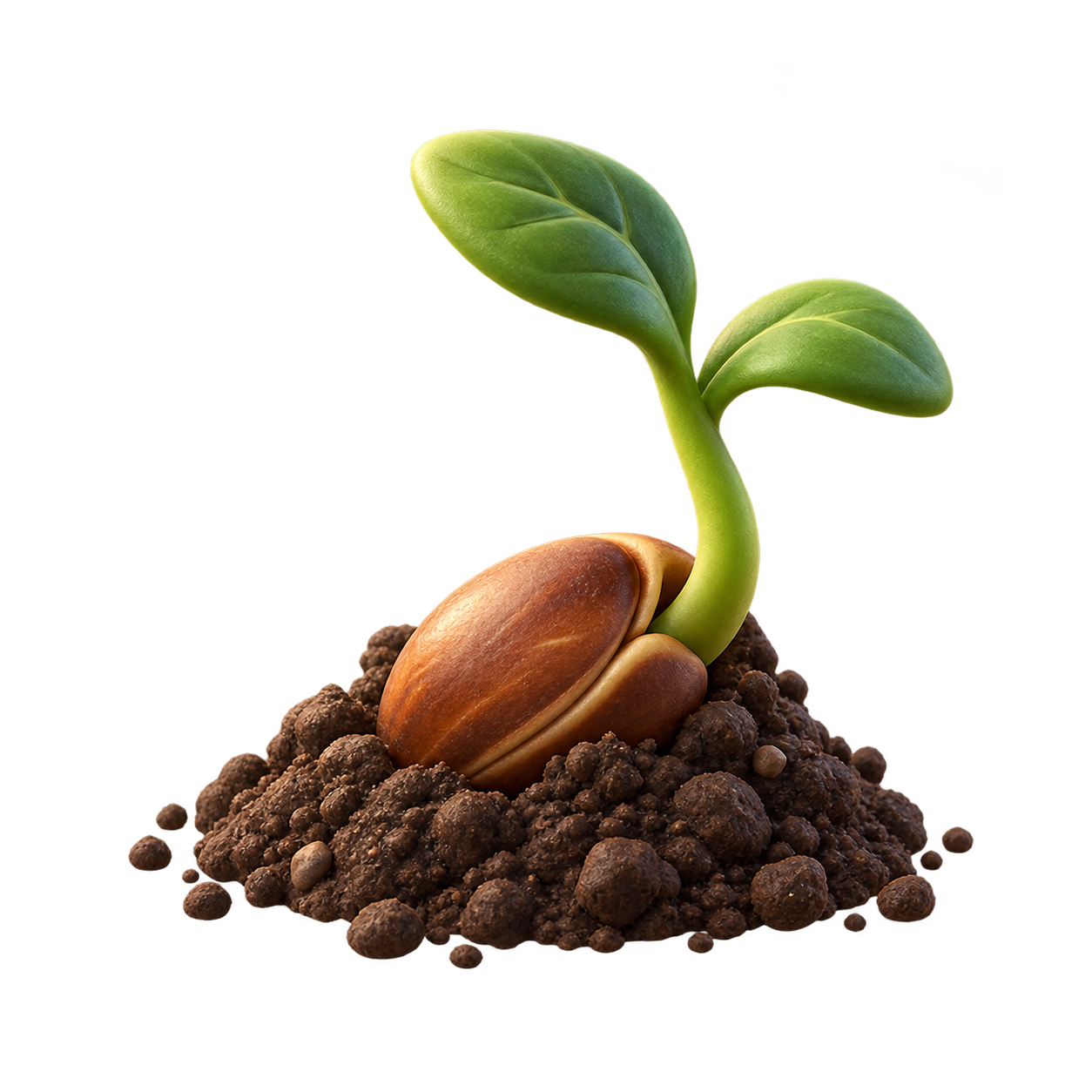
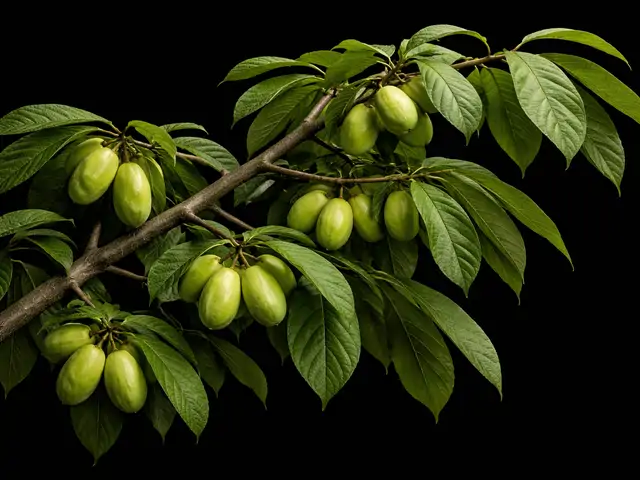
Pawpaw
North America's largest native fruit and its best-kept secret: a custard-textured tropical-tasting fruit on a hardy, nearly pest-free understory tree. The catches - it takes years, needs two trees, and the fruit won't ship, which is exactly why you have to grow it.
Safety notes Eat only the ripe pulp. The seeds, skin, leaves, and bark contain compounds (acetogenins) that can cause nausea/vomiting - never eat the seeds, and don't eat the skin. Some people get a mild skin rash from handling the fruit; a minority find the pulp itself upsets their stomach.
Overview
The pawpaw is the fruit almost nobody has tasted and everybody remembers: the largest edible fruit native to North America, with soft, custard-like flesh and a flavor somewhere between banana, mango, and melon - a genuinely tropical taste on a tree hardy to -25°F. It grows wild in the understory of eastern woodlands from the Gulf to Canada, feeds wildlife, hosts the beautiful zebra swallowtail butterfly, and is remarkably free of pests and diseases (deer won't even eat the leaves).
Quick facts
- Sprouts in
- 60 daysRange: 40–90 days
- Winter chill
- 700 hours below 45°FRange: 400–1000 hours
- Height
- 20 ftRange: 12–30 ft
- Spread
- 15 ftRange: 10–20 ft
- Cold
- Takes hard frostdamaged below -25°F
- Heat
- Struggles above 95°F
- Life cycle
- Perennial, lives about 30 years
- Save seeds
- About 150 days after plantingRange: 120–180 days
- Soil
- Consistently moist
- Water
- Medium
- Plant spacing
- 12 ftRange: 8–20 ft
When to plant
Nothing is open today. Spring transplanting opens 5 months, Mar 27 to May 10.
- Transplant Mar 27 – May 10 Opens in 159 daysAbout 2 weeks before to 4 weeks after your last frost (Apr 10 here)Prime pawpaw range. Plant in spring; shade young trees the first year or two. Rich, moist bottomland-type soil suits them best.
Frost here: last around Apr 10 (Mar 27 to Apr 24 most years), first around Oct 25. Zone averages, your own yard may run a week or two either way.
Life stages
Establish, grow, repeat
Getting established and returning each season are different parts of the story.
Stage 1 of 5 · Getting established
First-year establishment (shade the young tree!)
The first year after planting
Care at this stage
-
Shade young pawpaws their first 1-2 years
This is the make-or-break rule: pawpaw seedlings are understory plants and full sun scorches and kills them the first year or two. Use shade cloth (or a tube/tree shelter) until they establish, then gradually expose them to full sun for best fruiting.
-
Keep the soil consistently moist
Pawpaws want rich, moist (but not waterlogged) soil - they naturally grow along streams and bottomlands. Water deeply and never let a young tree dry out.
-
Handle the fragile taproot with extreme care
Pawpaws grow a deep, brittle, fleshy taproot with few fine roots and transplant poorly - plant small container trees, disturb the roots minimally, and expect slow, sulky growth the first year while they recover.
Months are typical seasonal windows; climate, variety, and plant age can shift them.
Harvest
- Fruit softens and gives to gentle pressure, like a ripe peach or avocado
- Strong, sweet, fruity (banana-mango-melon) aroma
- Skin may lighten toward yellow-green or develop brown speckles
- Fruit detaches easily or has just dropped to the ground
- Pick when it gives to a gentle squeeze - or catch the drops · every 2 days
- Ripen firm fruit on the counter, or refrigerate ripe
Per plant 20 to 200 pawpaws, 6.3 to 75 lbPicking pick as they ripen
Cook with pawpaws
Watch out for
4 to know. None are high-risk for pawpaws. 1 is active in October.
Squirrels & RodentsSeverity Medium WildlifenowSeason: Aug–OctChewed husks, shells or hulls scattered under the plant, fruit and nuts vanishing as they ripen, and gnawed or half-eaten windfalls.
Because deer avoid pawpaw foliage, the fruit-stage mammals - raccoons and opossums as much as squirrels - are the pawpaw's main wildlife pressure, and they know exactly when it is ripe. Pick at first softening and finish the fruit indoors, and clear windfalls promptly.
Chewed husks, shells or hulls scattered under the plant, fruit and nuts vanishing as they ripen, and gnawed or half-eaten windfalls. On new plantings: freshly dug holes and scattered soil, bulbs missing or gnawed, dug-up seed rows, vole runways under the mulch, and gaps in spring where you know you planted.
There is no rescue for what has already been eaten, so this is a prevention problem. Re-cover disturbed plantings with mesh promptly, replant losses inside cages, and trap or exclude persistent diggers where that is legal locally. On a large tree, accept that you will share the crop and concentrate on gathering promptly.
For a crop on the plant, timely and frequent harvest is the real defense - gather daily through the ripening window rather than leaving anything to hang, and pick slightly early to finish indoors where the crop allows it. Net or bag what you can reach. For bulbs and sown seed, lay wire mesh or hardware cloth over the planting, plant deeper, use buried wire baskets, and clear away the papery tunics and debris that advertise a fresh planting. Trunk baffles slow climbers on isolated trees, clearing jumping routes from nearby trees and roofs helps, and removing brush cover reduces the rodents sheltering nearby.
Squirrels, chipmunks, voles and mice are the wildlife that competes with you most directly for a crop. They take ripening nuts, seed and fruit off the plant, usually before you judge it ready, and cache what they do not eat. They also dig up freshly planted bulbs and sown seed, and voles tunnel in to gnaw bulbs and roots underground through winter. They climb anything, they know exactly when a crop is ripe, and a determined pair can clear a small tree or a new planting in a few days.
Phytophthora Root & Crown RotSeverity Medium DiseaseSeason: Apr–SepWilting, yellowing and stunting that does not improve with watering, a thinning canopy of small pale leaves, and dieback from the shoot tips.
Pawpaws want consistent moisture but rot in standing water, so this is really a drainage and overwatering problem rather than a pathogen problem. Young trees are the vulnerable ones; use raised mounds or berms on heavy clay.
Wilting, yellowing and stunting that does not improve with watering, a thinning canopy of small pale leaves, and dieback from the shoot tips. Dig and the feeder roots are dark, soft or brittle rather than white and firm, and on many plants the tissue at the base of the stem is discolored under the bark. Worst in low spots, and wherever a downspout, driveway or compacted path drains into the bed.
Very hard to reverse once established. Improve the drainage immediately, cut watering back, and mulch with coarse material rather than fine, which stays sodden. Remove severely affected plants and correct the site before replanting - and do not put another susceptible plant back into the same wet spot. Phosphonate (phosphite) treatments can suppress it in a valuable specimen, but drainage and siting do far more.
Drainage is the whole defense. Plant on a mound, berm or raised bed in heavy soil, and never in a hollow that holds winter water. Redirect roof and hard-surface runoff away from the planting, water deeply but infrequently so the surface dries between waterings, do not pile mulch against stems, and do not overwater in cold weather when the plant is using little. Use resistant rootstocks or tolerant varieties where they exist for the crop, and never move soil from an infected area.
A soil-borne water mold (Phytophthora species) that rots feeder roots and, on many plants, the crown at the soil line whenever the ground stays saturated. Rotted roots cannot take up water, so the plant looks drought-stressed even in wet soil: the canopy thins, leaves go small and pale, growth stalls, and dieback works in from the tips over months or years. It is the commonest cause of death in plants that want moisture but cannot tolerate standing water, and it travels in surface water and on tools, boots and moved soil.
Pawpaw Peduncle BorerSeverity Low PestSeason: Apr–JunWilting or blackening flowers and small fruit that drop prematurely, sometimes with a tiny entry hole in the flower stalk.
Pawpaws are otherwise nearly pest-free; this borer is the main insect of note and seldom a serious problem.
Wilting or blackening flowers and small fruit that drop prematurely, sometimes with a tiny entry hole in the flower stalk.
Rarely warrants spraying - hand-remove infested flowers if you spot them; the tree typically sets plenty of other fruit.
Remove and destroy affected flowers and fruitlets; good pollination and a healthy tree offset the modest losses.
A small moth larva that bores into the flower stalk (peduncle), causing affected flowers and young fruit to wither and drop - the one insect that specifically targets pawpaws, though damage is usually minor.
Zebra Swallowtail CaterpillarSeverity Low PestSeason: Apr–JulGreen-and-yellow banded caterpillars and light leaf-chewing, and the striking black-and-white zebra swallowtail butterflies around the trees.
Listed for completeness, but essentially a positive: the pawpaw is the sole host plant of the zebra swallowtail, and the leaf damage is trivial.
Green-and-yellow banded caterpillars and light leaf-chewing, and the striking black-and-white zebra swallowtail butterflies around the trees.
No treatment warranted; this is a feature, not a bug - pawpaw growers are supporting a gorgeous native butterfly that depends entirely on their trees.
None needed - the feeding is minor and the butterfly is a welcome, native benefit of growing pawpaws; leave them be.
The larva of the beautiful zebra swallowtail butterfly, which lays its eggs exclusively on pawpaw leaves (pawpaw is its only larval host). The caterpillars chew some foliage but very rarely cause meaningful harm to the tree.
Good & bad neighbors
Plant nearby
-
A clover understory fixes nitrogen and keeps the soil cool and moist over the pawpaw's roots, mimicking its native leaf-litter forest floor.
- Traditional pairings, thin evidence
-
Two hardy native fruit trees with compatible soil and site preferences; commonly paired in native-fruit and edible-forest plantings.
-
Both are native woodland-edge plants that share moist, humus-rich conditions; a naturalistic pairing in native food plantings rather than a proven benefit.
Keep apart
- Traditional pairings, thin evidence
-
WalnutBlack walnut's juglone is often listed as a concern near fruit trees; keep pawpaws outside the walnut root zone, though pawpaws show more juglone tolerance than many species.
Varieties · 6
You pick one when you add Pawpaw to your garden. Its days to maturity set your harvest window.
Shenandoah
One of the celebrated Peterson Pawpaws selections and a top choice for beginners: large, creamy fruit with a mild, sweet, custardy flavor (less of the aftertaste some find in wild pawpaws) and relatively few seeds.
Variety details for Shenandoah
Large, oblong, yellow-green fruit with smooth, pale-yellow custard flesh.
grafted-cultivarmild-flavorfew-seedspetersonReliable and productive - an excellent first grafted pawpaw.
Susquehanna
A Peterson selection prized for very large fruit, unusually firm flesh (easier to handle and slice than most pawpaws), rich flavor, and a low seed count.
Variety details for Susquehanna
Very large, rounded fruit with thick, firm, buttery yellow flesh and few seeds.
grafted-cultivarlarge-fruitfew-seedsfirm-fleshA standout dessert-quality pawpaw, though it can be a bit less productive than others.
Allegheny
A dependable, productive variety with medium-to-large fruit of good custardy flavor and reliable cropping - a solid, well-rounded pawpaw for the home orchard and a good pollination partner for the other named types.
Variety details for Allegheny
Medium-to-large, greenish-yellow fruit with creamy yellow flesh.
grafted-cultivarproductivereliableSunflower
A widely grown heirloom cultivar (from Kansas) valued for large fruit, sweet flavor, few seeds, and a reputation for being more self-fertile than most pawpaws (though a second tree still improves set).
Variety details for Sunflower
Large, oval, yellow-green fruit with sweet, yellow, custard-like flesh.
grafted-cultivarself-fertile-tendencylarge-fruitfew-seedsLate-ripening and productive - a longtime favorite.
Potomac
A Peterson selection producing some of the largest pawpaw fruit, with rich, complex, sweet flavor and a smooth custard texture.
Variety details for Potomac
Very large, oblong, greenish-yellow fruit with rich yellow flesh.
grafted-cultivarlarge-fruitpetersonrich-flavorA showpiece variety for growers who want big, impressive, high-quality fruit.
Mango
A variety named for its notably tropical, mango-like flavor and large yellow-skinned fruit - a good choice for those chasing the most 'tropical' pawpaw taste.
Variety details for Mango
Large, yellow-skinned fruit with sweet, tropical-flavored yellow flesh.
grafted-cultivartropical-flavorlarge-fruitDespite the name it's unrelated to true mango; the name describes the flavor.
Grower tips
Notes from growers, tagged with the zone they grow in. A person reads every post before it appears.
Nobody has posted about Pawpaw yet. The first one usually saves someone a season.
Free account. Your post shows your grower name and zone, never your email.