Add it to your home screen and it opens full screen: no browser bars, one tap away, and everything stays signed in. Free, nothing to download from an app store.
- Tap the Share button in your browser
- Scroll down and choose “Add to Home Screen”
- Open GrowSomeFood from your home screen
- Open your browser’s menu
- Choose “Add to Home screen” or “Install app”
- Open GrowSomeFood from your home screen
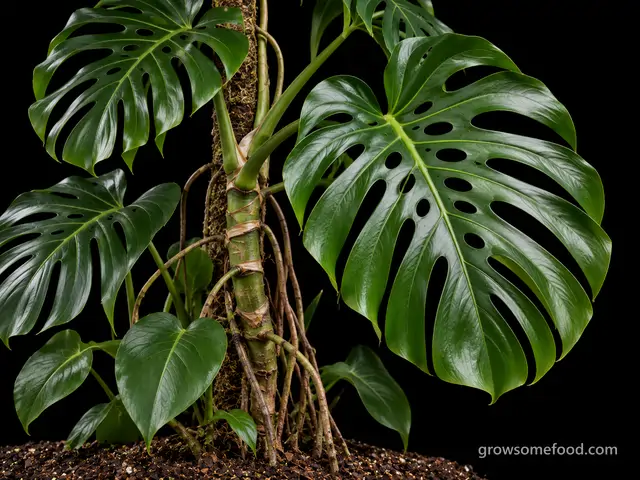
Monstera
The big architectural climber with the holes in its leaves. Everything on it burns a chewed mouth - leaves, stems, roots and unripe fruit alike - and only one thing on the whole plant is edible, which is a fully ripe fruit your houseplant will never produce.
Not food, with one narrow exception. Leaves, stems, roots and UNRIPE fruit are packed with calcium oxalate raphides: chewing any of them burns the mouth at once, with drooling and swelling, in cats, dogs and children. Only the fully ripe fruit is edible, and an indoor plant essentially never makes one - unripe monstera fruit blisters the mouth. Call a vet or poison control for a chewed leaf rather than waiting. Gloves when pruning; the sap stings skin and eyes.
Overview
The one thing to knowAs it climbs, each new leaf comes out larger and more deeply cut than the one before it, so fenestration is a sign of maturity and good conditions rather than a variety.
Monstera (Monstera deliciosa) is the plant with the holes in its leaves: a rainforest climber from southern Mexico and Central America that has become the defining large houseplant of the last decade. Given a pole and decent light it will fill a corner - six feet tall and five across is unremarkable indoors - carrying glossy leaves two feet wide, slashed to the margin and punched through with oval holes.
Those holes are the whole point of the plant and they are not there from the start. A young monstera makes plain heart-shaped leaves. As it climbs, each new leaf comes out larger and more deeply cut than the one before it, so fenestration is a sign of maturity and good conditions rather than a variety. Botanists have argued about what the holes are for - letting wind and heavy rain through, or, on the best current evidence, spreading a given amount of leaf tissue across a wider area to catch more of the moving sunflecks that reach a forest floor. Either way, a monstera that is not making holes is telling you something about its light or its support.
On safety, the rule has one exception and it is worth stating precisely. Leaves, stems, aerial roots and unripe fruit are all loaded with calcium oxalate raphides - microscopic needle-shaped crystals held under pressure that fire into the mouth of anything that chews them. The result is immediate burning pain, drooling and swelling, in cats, dogs and children alike. The exception is that a fully ripe fruit is genuinely edible, which is what deliciosa means and why the plant is also called Mexican breadfruit. That matters far less than it sounds: an indoor monstera will essentially never flower, let alone ripen a fruit that takes the better part of a year to mature. Treat the whole plant as not-food and read the fruit section as background.
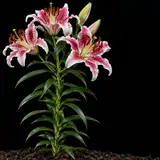
Calibrate the risk honestly. This is a painful mouth injury, not organ damage - nothing like a true lily (Lilium), which kills cats by destroying their kidneys with no warning pain at all. Both deserve a phone call; only one is a race against the clock.
Quick facts
- Life cycle
- Perennial, lives about 25 years
- Height
- 8 ft3 to 18
- Spread
- 60 in24 to 120
- Support
- Grows better on a trellis or stake
- Cold
- Killed by frostdamaged below 55°F
- Heat
- Struggles above 95°F
Part sun or part shade or shade · medium water · well-drained soil · 36 in apart (24 to 72) · transplant or cuttings or division
When to plant
Nothing is open today. Spring transplanting opens 5 months, Mar 1 to Sep 15.
- Transplant Mar 1 – Sep 15 Opens in 161 daysIndoors year-round; pot up cuttings and repot in the warm half of the year, when roots move fastest. Do not plant it outdoors in frost-free country - monstera is listed as an invasive plant in Hawaii and has naturalized in south Florida, where it climbs and smothers standing trees.
Frost here: last around Apr 10 (Mar 27 to Apr 24 most years), first around Oct 25. Zone averages, your own yard may run a week or two either way.
Life stages
One stage to settle in, then two that repeat each year. Windows are typical; your zone and weather move them.
Rooting a cutting or settling a new pot
Day 0 to 45- WaterPot in a chunky aroid mix, water once, then waitMonstera roots run through leaf litter and up tree bark, not through mud. Ordinary potting mix works far better opened up with a generous third of orchid bark and perlite. Use a pot with drainage holes, only a size larger than the roots, water it in thoroughly once, then leave it until the top two inches are dry.
- SupportPut the pole in on day oneA monstera is a climber, and the support is not decoration - it is what tells the plant to grow up rather than sprawl, and what eventually produces the huge fenestrated leaves people buy it for. Sink a moss pole or a slab into the pot when you plant it. Adding one two years later means untangling a plant that has already committed to falling sideways.
- ProtectPlan for the size, and for who can reach itThis is not a shelf plant. A happy monstera fills a corner - six feet tall and five across is ordinary indoors - and it puts big soft chewable leaves at exactly dog and toddler height. Choose a corner it can have permanently, ideally in a room where small children and plant-chewing animals are not left alone with it.
Watch for- Soggy mix that never dries out
- Scorched pale patches from direct sun
- Low leaves within reach of pets or small children
Climbing and leaf growth
Mar to Oct, every year- WaterWater when the top two inches are dryweeklyPush a finger into the mix; if the top two inches are dry, water until it runs from the drainage holes and empty the saucer. If it is still damp, wait. Monstera is more forgiving of a missed watering than of a standing saucer, and in a chunky bark mix you can water generously because the excess simply runs through.
- SupportTie the stem to the pole as it grows, and keep the pole dampLoosely tie each new section of stem in so the aerial roots meet the support, and mist or water the moss pole when you water the plant. Roots that grip damp moss feed the leaf above them, and that is what makes each new leaf larger and more deeply cut than the last. A monstera left to lean produces smaller, plainer leaves however well you feed it.
- PruneCut back to a node, wearing glovesPrune to control size or to remove a tired leaf, always cutting just above a node and never in the middle of a bare stretch of stem. Take whole leaves off at the base of their stalk rather than trimming leaf edges. Wear gloves: the cut ends weep sap that stings skin and is genuinely dangerous in an eye. Anything you remove with a node on it is a free plant.
- FertilizeFeed through the growing seasonA balanced liquid houseplant fertilizer at half the label strength, roughly every three or four weeks from spring to early autumn. Monstera is a bigger, hungrier plant than most houseplants and responds visibly to feeding, but stop entirely in winter and flush the pot through with plain water once or twice a year to clear accumulated salts.
Watch for- New leaves coming out solid, with no holes (not enough light or no support)
- Leaves smaller than the last (spent pot or too little light)
- Silvery scarring and distorted new leaves (thrips)
- Aerial roots wandering across the floor
Winter slowdown
Nov to Feb, every year- WaterWater much less in winterShort days and cool rooms slow the plant almost to a stop, and it uses a fraction of the water it did in July. Keep to the summer schedule and you will rot the roots. Check the mix instead of the calendar, and expect the gap between waterings to roughly double from November to February.
- ProtectKeep it off cold glass and away from draftsMonstera sulks below about 55°F. Large leaves resting against a freezing windowpane blacken in patches overnight, and a corner beside an outside door in January will do the same more slowly. Move the pot a few feet inward for the winter and keep it clear of radiators, which brown the leaf edges.
Watch for- Blackened patches where leaves touch cold glass
- Yellowing lower leaves from winter overwatering
- Fungus gnats in mix that stays damp too long
Watch out for
6 to know. 1 is high-risk: Root Rot from Overwatering. 6 are active in September.
Root Rot from OverwateringSeverity High DiseasenowOn a monstera the fix is usually a cutting rather than a rescue: take the top with a node and two aerial roots, root it in moss, and let the old stump take its chances.
Lower leaves yellowing while the mix stays damp, a sour smell from the pot, stems going soft, brown or black at the soil line, and a plant that wilts even though the soil is wet.
Tip the plant out, cut away every soft brown root, and repot the healthy remainder in fresh mix in a clean pot, watering sparingly until it recovers. If most of the root system has gone, take clean cuttings from the healthy top growth and start the plant again - that usually works better than nursing the original.
Water by checking the mix rather than the calendar - only when the top inch or two is dry - use a pot with drainage holes, empty the saucer after every watering, and cut back sharply on water from November to February.
The single most common way an indoor plant dies. Soil-borne fungi rot the roots and stem base in potting mix that is kept wet, in a pot without drainage, or in a saucer that is never emptied - and it is worst in winter, when short days and cool rooms mean the plant uses a fraction of the water it did in summer while the watering schedule stays the same.
MealybugsSeverity Medium PestnowOn a monstera they shelter under the sheath at each node and among the aerial roots against the moss pole - pull the pole away from the stem and look before deciding the plant is clean.
White cottony specks where a leaf stalk meets the stem, sticky patches on leaves or the surface beneath the plant, black sooty film, and new growth that comes out puckered or stunted.
Dab each colony with a cotton swab dipped in rubbing alcohol, then spray the whole plant with insecticidal soap or horticultural oil, covering leaf undersides and joints. Repeat weekly for at least a month, because eggs keep hatching. Cut off badly infested growth rather than trying to save it.
Inspect any new plant carefully and keep it apart from the others for a few weeks, check leaf joints whenever you water, and wipe the leaves occasionally - most indoor infestations arrive on a new purchase and spread from there.
Small sap-sucking insects that hide as white cottony tufts tucked into leaf joints, along stems and under leaves. Indoors there is nothing to eat them, so a small infestation becomes a permanent one - they weaken growth, deform new leaves and coat everything below in sticky honeydew that turns sooty black.
Oxalate Burn from ChewingSeverity Medium DisordernowPawing at the mouth, drooling, refusal to eat, retching, or swollen lips and tongue in a pet; a crying child near a chewed leaf or a green fruit; and any change in breathing or in the voice, which is the sign that matters most.
Pawing at the mouth, drooling, refusal to eat, retching, or swollen lips and tongue in a pet; a crying child near a chewed leaf or a green fruit; and any change in breathing or in the voice, which is the sign that matters most.
Call a veterinarian, an animal poison line, or poison control immediately - do not wait to see how it develops. Rinse the mouth with water and follow the advice you are given. Go to an emergency clinic or emergency room at once if drooling will not stop, if swallowing is difficult, or if breathing or the voice changes; treat a bitten unripe fruit as more urgent than a chewed leaf. For sap in an eye, flush with running water for 15 minutes and be seen the same day.
Keep the lower leaves and any wandering aerial roots away from pet and toddler level, bag prunings and rooting cuttings immediately rather than leaving them on a counter, wipe up guttation droplets from leaf edges, and wear gloves when cutting so the sap never reaches your eyes. If a fruit ever forms on an outdoor plant, keep it out of reach until the scales lift by themselves.
Leaves, stems, aerial roots and unripe fruit all contain calcium oxalate raphides - needle-shaped crystals held under pressure in specialised cells that fire on contact. Chewing any of them drives the crystals into the lips, tongue and throat, producing immediate burning pain, heavy drooling, swelling and often vomiting. It is rarely life-threatening because the pain stops the animal or child at once, but swelling occasionally becomes serious. UNRIPE FRUIT is the worst case on this plant: the crystal load is high and concentrated, and a bite causes severe mouth and throat pain. Only fully ripe fruit, whose hexagonal scales have lifted away on their own, is safe to eat, and a houseplant will never produce one. The sap also irritates skin and causes painful eye injury.
ThripsSeverity Medium PestnowThe pest that most reliably ruins a monstera, because the scarring lands on huge leaves that stay on the plant for years.
Check every new furled leaf as it opens.
Silvery or bronze streaking on leaf surfaces with black specks alongside it, distorted or stunted new growth, and slim dark insects that run for cover when a leaf is turned over - tap a leaf over white paper to see them move.
Wipe or rinse the foliage to knock the adults down, then spray thoroughly with insecticidal soap or horticultural oil, undersides included, and repeat every five to seven days for at least a month - eggs are laid inside the leaf and pupae sit in the mix, so one round never finishes it. Cut off badly scarred leaves; they will not recover. Blue sticky traps catch the flying adults and tell you when the population is finally gone.
Quarantine every new plant for a few weeks and inspect the newest unfurling leaves, where thrips concentrate. Keep plants from touching each other so a population cannot simply walk across, and check anything that has summered outdoors before it comes back inside.
Slender dark insects a millimetre or two long that rasp at the leaf surface and drink the sap that wells up, leaving silvery-bronze scarring, tiny black dots of excrement, and new leaves that open puckered and distorted. They breed fast in warm rooms, hide inside unfurling leaves, and are the hardest indoor pest to clear because eggs sit inside the leaf tissue and part of the life cycle is spent down in the potting mix.
Fungus GnatsSeverity Low PestnowA damp moss pole is a second breeding site people miss - let the pole dry between waterings too, or the gnats simply come back from it.
Little black flies around the pot and at nearby windows, and larvae - tiny translucent maggots with black heads - in the surface of mix that never dries out.
Dry the mix out further, hang yellow sticky traps to catch the adults, and for a persistent population water in a Bacillus thuringiensis subsp. israelensis product, which kills the larvae without harming the plant. Repeat until the traps come up empty.
Let the top inch or two of mix dry out between waterings, which breaks the life cycle on its own, avoid standing water in saucers, and top-dress with a layer of coarse grit or sand so adults cannot lay eggs at the surface.
Small dark flies that drift up from the pot when it is disturbed. The adults are harmless; their larvae live in the top inch of permanently damp potting mix and feed on organic matter and, when numerous, on fine roots. They are less a pest in their own right than a symptom that the mix is being kept too wet.
Spider MitesSeverity Low PestnowFine pale speckling across the upper leaf surface, a dull bronzed cast to the foliage, and gossamer webbing in the leaf joints - hold a sheet of white paper under a leaf and tap it to see the mites drop.
Fine pale speckling across the upper leaf surface, a dull bronzed cast to the foliage, and gossamer webbing in the leaf joints - hold a sheet of white paper under a leaf and tap it to see the mites drop.
Rinse the whole plant thoroughly under a shower, paying attention to leaf undersides, then treat with insecticidal soap or horticultural oil and repeat every five to seven days for three or four rounds to catch newly hatched mites.
Raise the humidity around the plant, keep it away from heating vents and radiators, and rinse or wipe the leaves regularly - spider mites struggle on foliage that is clean and not baking in dry air.
Nearly invisible mites that thrive in the hot, dry air of a heated house, feeding on the undersides of leaves and leaving a fine pale stippling that spreads until the whole leaf looks dusty and bronzed. Severe infestations spin fine webbing between leaves and stems.
Good & bad neighbors
First rule: keep True Lily (Lilium) apart. Not a growing conflict - a cross-reference for cat owners.
Plant nearby
-
Same family, same light, same water and the same oxalate crystals, so they share a corner without complication - and the source of the oldest naming muddle in the houseplant trade. The plant sold as split-leaf philodendron is almost always this one, a Monstera deliciosa, not a philodendron at all. Nothing about the mix-up is dangerous, but a monstera needs a pole and far more floor space than a heartleaf philodendron ever will.
-
An easy trailing plant to set at the foot of a climbing one, on the same light and the same calcium oxalate rules. Both change dramatically when allowed to climb - a pothos on a pole eventually makes big lobed leaves much like a young monstera's, which is a good reminder that juvenile and adult foliage on these plants can look like different species.
- Traditional pairings, thin evidence
-
Another aroid for the same corner, and a useful one to keep nearby: it wilts theatrically the moment it is thirsty and stands back up within hours of a drink, so it flags that the whole group needs water while the monstera is still showing nothing at all. The peace lily wants steadier moisture, so water it on its own schedule.
Keep apart
-
Not a growing conflict - a cross-reference for cat owners. A chewed monstera burns an animal's mouth and the pain stops it after one bite. A true lily gives a cat no warning pain at all and destroys its kidneys, from pollen or vase water alone. Do not carry the monstera lesson across to every plant in the house, and do not bring cut lilies into a home with a cat.
-
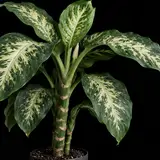
Not a growing conflict - a reasoning one. Same family and the same class of crystal, but a far heavier load plus enzymes that deepen the injury: a chewed monstera leaf burns for a few hours, a chewed dieffenbachia leaf swells the tongue and throat for days. Do not let one file's calibration set your expectations for the whole family.
Varieties · 6
You pick one when you add Monstera to your garden. Its days to maturity set your harvest window.
Monstera deliciosa (standard)
Leaves to 2 ft or more, deeply cut to the edge and perforated with oval holes, on a stout climbing stem with thick aerial roots.
largeclimberclassicThe plant itself: enormous glossy leaves slashed to the margin and punched with oval holes, on a thick climbing stem with heavy aerial roots. Given a pole and good light it fills a corner within a few years and keeps going. This is the form that bears the edible fruit outdoors in the tropics, and the form that has naturalized in south Florida and Hawaii, so keep it in a pot in those states.
Borsigiana
Smaller fenestrated leaves on a slimmer, faster-climbing stem with shorter gaps between leaves.
smallerfasterclimbercontested-nameSold as a smaller, faster, more compact monstera with tighter spacing between leaves and a slimmer stem - useful if you want the look in less floor space. Worth knowing that the distinction is contested: many botanists treat borsigiana as no more than a growth form of Monstera deliciosa rather than a separate variety, so two plants sold under different labels may be the same thing.
Thai Constellation
Fenestrated leaves flecked and marbled throughout with creamy yellow, on a slower-growing climbing stem.
variegatedstabletissue-cultureslowCreamy-yellow variegation speckled and splashed across the leaf like a star field, produced by tissue culture from a stable mutation - which is why, unlike the chimeral kinds, it does not revert and every plant is reliably marked. Slower than the plain form and more sensitive to direct sun, which scorches the pale areas first. Once eye-wateringly expensive, now widely available.
Albo Variegata
Fenestrated leaves with bold blocks and sectors of pure white against dark green, often split half and half.
variegatedchimeralunstabledemandingPure white variegation in bold blocks and half-leaves, and the plant that drove the 2020 speculative market. The variegation is a chimera, so it drifts constantly: expect all-green leaves and all-white leaves on the same plant. Prune back to a node showing good pattern to steer it, and remove entirely white leaves - they have no chlorophyll, cannot feed themselves and eventually kill the stem they are on. It needs the brightest indirect light you have and burns in direct sun.
Monstera adansonii (Swiss cheese vine)
Narrow pointed leaves 4-10 inches long, perforated with holes that stop short of the leaf margin, on slender trailing vines.
different-speciestrailingcompactA different species sold alongside the big one and cared for identically: smaller, thinner leaves whose holes sit inside the leaf and do not reach the edge, on a vine that trails from a basket as happily as it climbs. Same family, same calcium oxalate crystals, same rules. It wants slightly more humidity and slightly more consistent moisture than deliciosa and stays a fraction of the size.
Mini Monstera (Rhaphidophora tetrasperma) - NOT a monstera
Small deeply split leaves 4-8 inches long on a fast, slender climbing vine with fine aerial roots.
different-genusclimberfastnaming-confusionSold everywhere as mini monstera or mini split-leaf philodendron, and it is neither a Monstera nor a Philodendron - it is Rhaphidophora tetrasperma, a Southeast Asian relative. It is in the same family and carries the same calcium oxalate raphides, so the safety rules are identical. The reason to know the difference: it grows far faster, stays much smaller, splits its leaves from young rather than with maturity, and needs a pole almost immediately or it becomes a tangle.
Grower tips
Notes from growers, tagged with the zone they grow in. A person reads every post before it appears.
Nobody has posted about Monstera yet. The first one usually saves someone a season.
Free account. Your post shows your grower name and zone, never your email.