
Add it to your home screen and it opens full screen: no browser bars, one tap away, and everything stays signed in. Free, nothing to download from an app store.
- Tap the Share button in your browser
- Scroll down and choose “Add to Home Screen”
- Open GrowSomeFood from your home screen
- Open your browser’s menu
- Choose “Add to Home screen” or “Install app”
- Open GrowSomeFood from your home screen
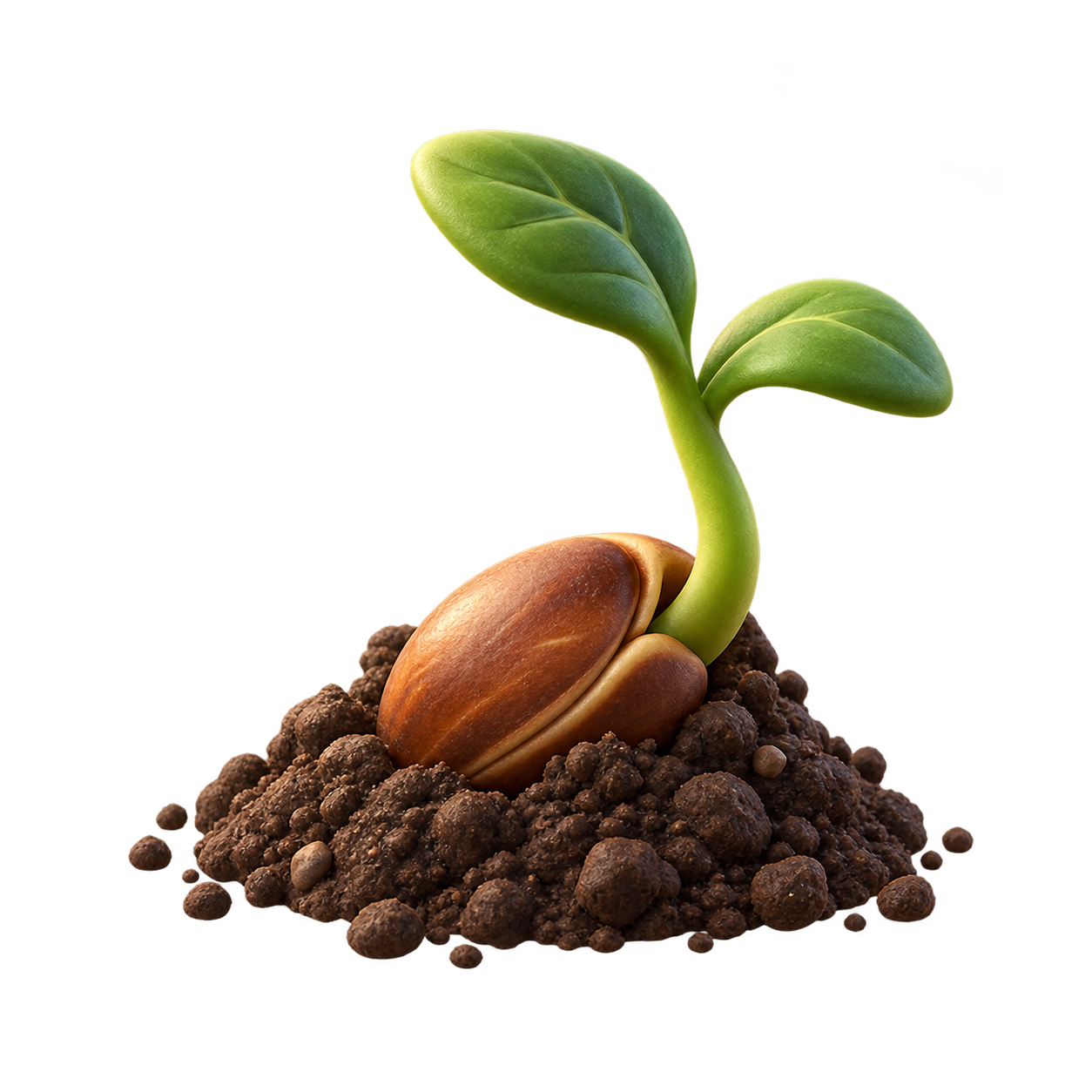
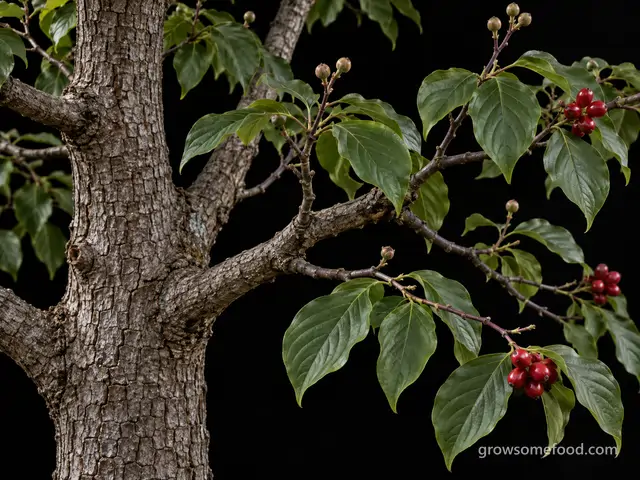
Flowering Dogwood
The beloved icon of the eastern spring woods - a small understory tree in a cloud of white or pink 'flowers,' followed by red berries the birds love and blazing red-purple fall color.
Safety notes Flowering dogwood is grown as an ornamental; its bright red fall berries are TOXIC to people (they cause stomach upset and are not edible), though birds eat them avidly and safely. Do not eat any part. It is not a skin irritant and is otherwise safe to grow and handle. Don't confuse the edible cornelian cherry (Cornus mas) or the edibility of other plants with this one - flowering dogwood's berries are for the birds, not you.
Overview
Flowering dogwood (Cornus florida) is the signature small tree of the eastern American spring - a 15-30 foot understory tree whose branches float in horizontal layers of white (or pink) blooms in April and May. Those showy 'petals' are actually four bracts surrounding the true tiny flowers, and the effect against the bare spring woods is unforgettable. It's a four-season tree: spring bracts, glossy red berries and deep red-purple fall color in autumn, and handsome blocky bark and layered form in winter.
The one thing to knowThose showy 'petals' are actually four bracts surrounding the true tiny flowers, and the effect against the bare spring woods is unforgettable.
Quick facts
- Sprouts in
- 60 daysRange: 30–120 days
- Soil temperature
- 68 °FRange: 60–72 °F
- Height
- 25 ftRange: 15–30 ft
- Spread
- 25 ftRange: 15–30 ft
- Cold
- Takes hard frostdamaged below -20°F
- Heat
- Struggles above 95°F
- Life cycle
- Perennial, lives about 40 years
- Save seeds
- About 150 days after plantingRange: 120–180 days
- Self-sows
- Yes, expect volunteers
- Soil
- Well-drained
- Water
- Medium
- Plant spacing
- 20 ftRange: 10–25 ft
When to plant
Fall sowing is open for 20 more days. Next: spring, Mar 27 to May 22.
- Direct sow Oct 11 – Nov 8 Open now · 20 days leftAbout 2 weeks before to 2 weeks after your first frost (Oct 25 here)Fall-sow cleaned seed outdoors; it needs warm-then-cold stratification and germinates slowly - transplants are far faster to a flowering tree.
- Transplant Mar 27 – May 22 Opens in 159 daysAbout 2 weeks before to 6 weeks after your last frost (Apr 10 here)Plant a young container or B&B dogwood in early spring into moist, acidic, well-drained soil in part shade with good airflow; keep it well watered.
- Transplant Aug 16 – Sep 27 Opens in 301 daysAbout 10 weeks before to 4 weeks before your first frost (Oct 25 here)Fall planting works in milder zones - establish roots before hard freeze and keep the soil moist; mulch well.
Frost here: last around Apr 10 (Mar 27 to Apr 24 most years), first around Oct 25. Zone averages, your own yard may run a week or two either way.
Life stages
Establish, grow, repeat
Getting established and returning each season are different parts of the story.
Stage 1 of 4 · Getting established
Years 1-2 - young tree
About the first 1.5 years after planting
Care at this stage
-
Keep evenly moist - never let it dry out
Flowering dogwood has shallow roots and demands consistent moisture; water a young tree deeply and regularly, especially in its first 2-3 years and in any dry spell. Drought stress is a major cause of decline and disease.
-
Mulch to keep the shallow roots cool and moist
A wide mulch ring is important for this shallow-rooted understory tree - it keeps the roots cool and damp and protects the thin bark from mowers. Keep mulch off the trunk.
-
Site in dappled shade with good air
Dogwood is a woodland-understory tree: give it part shade (especially afternoon shade), moist, acidic, well-drained soil, and good air circulation - the last helps prevent its serious fungal diseases.
Months are typical seasonal windows; climate, variety, and plant age can shift them.
Watch out for
3 to know. 1 is high-risk: Dogwood Anthracnose. 1 is active in October.
Dogwood AnthracnoseSeverity High DiseasenowSeason: Apr, May, Jun, Sep, OctTan leaf spots with purple margins, blighted leaves clinging to twigs, progressive twig and branch dieback, water sprouts on the trunk, and sunken cankers.
Tan leaf spots with purple margins, blighted leaves clinging to twigs, progressive twig and branch dieback, water sprouts on the trunk, and sunken cankers.
Prune out infected wood well below symptoms and improve conditions; badly infected trees in bad sites often can't be saved - replacement with a resistant type is the real solution.
Site in an airy, sunnier-than-shaded spot with good drainage, keep the tree unstressed and watered, remove and destroy infected wood and fallen leaves, and in prone regions plant resistant cultivars, kousa, or Stellar hybrids.
A serious fungal disease (Discula) that has devastated wild flowering dogwoods, especially in cool, wet, shaded mountain and northern sites - it causes leaf spots, twig and branch dieback, trunk cankers, and can kill the tree.
Dogwood BorerSeverity Medium PestSeason: May–AugSawdust-like frass and small holes low on the trunk or at wounds, loose or dying bark, and branch dieback above the damage.
Sawdust-like frass and small holes low on the trunk or at wounds, loose or dying bark, and branch dieback above the damage.
Prune out heavily infested wood; keep the tree healthy so it can resist and wall off borers - avoiding bark wounds is the main control.
Protect the thin bark from mower/trimmer wounds and pruning damage (the borer's entry points), and keep the tree vigorous; wrap or guard young trunks in problem areas.
A clearwing-moth larva that bores into the trunk and branches through bark wounds, tunneling the cambium and causing dieback - a significant pest of stressed or wounded trees.
Powdery MildewSeverity Low DiseaseSeason: Jun–AugWhite powdery film on leaves, especially new growth, sometimes with leaf curling or scorch, worst in humid weather on shaded, crowded trees.
White powdery film on leaves, especially new growth, sometimes with leaf curling or scorch, worst in humid weather on shaded, crowded trees.
Usually just cosmetic - remove badly affected leaves and improve airflow; fungicides exist but are rarely warranted for a landscape tree.
Improve airflow and light, avoid overhead watering, rake fallen leaves, and choose mildew-resistant cultivars.
A very common fungal disease coating dogwood leaves in white powder, often distorting new growth; unsightly but usually cosmetic and rarely fatal.
Good & bad neighbors
Plant nearby
-
The classic native spring pairing: dogwood's white and redbud's magenta-pink bloom together at the woodland edge beneath taller trees - the signature look of the eastern spring.
-
Native ferns and shade wildflowersUnderplanting dogwood with native ferns, foamflower, and spring ephemerals suits its moist, acidic, part-shade root zone and completes a woodland tableau.
-
Two native understory small trees for the woodland edge, both spring-flowering and bird-feeding, layering beautifully together.
-
Dogwood is a natural understory tree beneath a high oak canopy, thriving in the dappled shade and echoing the layered structure of a real oak-hardwood forest.
Varieties · 5
You pick one when you add Flowering Dogwood to your garden. Its days to maturity set your harvest window.
Flowering Dogwood (Cornus florida)
The wild species: a 15-30 foot understory tree with layered branches, four-bract white 'flowers' in spring, red berries and deep red-purple fall color, and blocky bark.
Variety details for Flowering Dogwood (Cornus florida)
Horizontally layered small tree with white four-bract flowers, red berries, and red-purple fall foliage.
speciesnativewhite-bractsred-fallThe classic native spring-woods tree, best in part shade and moist acidic soil.
Cherokee Chief / pink forms
Pink- to rose-bracted selections of the native species (such as 'Cherokee Chief' and 'Rubra'), offering the same form and fall color with warm pink spring 'flowers' - lovely but no more disease-resistant than the species.
Variety details for Cherokee Chief / pink forms
Layered small tree with deep pink to rose spring bracts.
cultivarpink-bractsornamentalnativeAppalachian series (anthracnose-resistant C. florida)
Selections of the native flowering dogwood ('Appalachian Spring' and kin) bred for resistance to dogwood anthracnose - the best choice if you want a true C.
Variety details for Appalachian series (anthracnose-resistant C. florida)
White-bracted native dogwood with improved disease resistance.
cultivarnativedisease-resistantwhite-bractsflorida in anthracnose-prone regions.
Kousa Dogwood (Cornus kousa)
A DIFFERENT SPECIES, not a form of flowering dogwood: the Asian kousa (NOT native) is widely planted where anthracnose plagues C.
Variety details for Kousa Dogwood (Cornus kousa)
Pointed white bracts later in spring, exfoliating bark, and large bumpy red fruit.
speciesnon-nativedisease-resistantlater-bloomflorida - highly disease-resistant, blooming a few weeks later with pointed white bracts, and bearing large red raspberry-like fruit. Kousa fruit is eaten; the native flowering dogwood's red berries on this page are NOT edible. Never treat the two as interchangeable, identify a tree to species before eating anything off it, and read the harvest, toxicity, and hardiness guidance here as written for C. florida only.
Stellar / hybrid dogwoods (C. florida x kousa)
Rutgers 'Stellar' hybrids between the native and kousa dogwoods - vigorous, highly anthracnose- and borer-resistant, blooming between the two parents' seasons in white or pink.
Variety details for Stellar / hybrid dogwoods (C. florida x kousa)
Robust dogwood with abundant white or pink bracts and strong disease resistance.
hybriddisease-resistantvigorouswhite-or-pinkA tough, beautiful compromise where the pure native struggles. Treat their fruit as the native's: not food, and not to be eaten.
Grower tips
Notes from growers, tagged with the zone they grow in. A person reads every post before it appears.
Nobody has posted about Flowering Dogwood yet. The first one usually saves someone a season.
Free account. Your post shows your grower name and zone, never your email.