
Add it to your home screen and it opens full screen: no browser bars, one tap away, and everything stays signed in. Free, nothing to download from an app store.
- Tap the Share button in your browser
- Scroll down and choose “Add to Home Screen”
- Open GrowSomeFood from your home screen
- Open your browser’s menu
- Choose “Add to Home screen” or “Install app”
- Open GrowSomeFood from your home screen
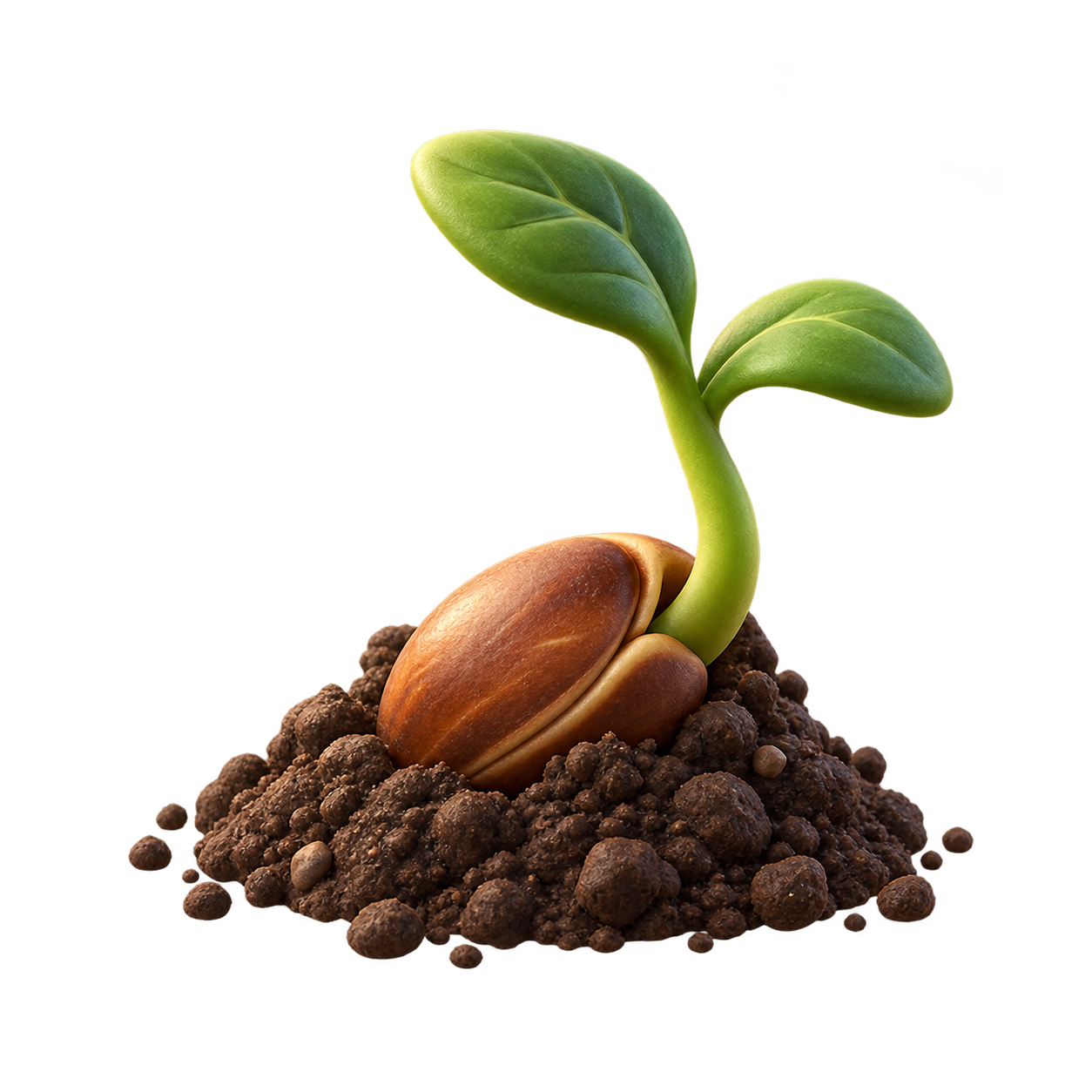
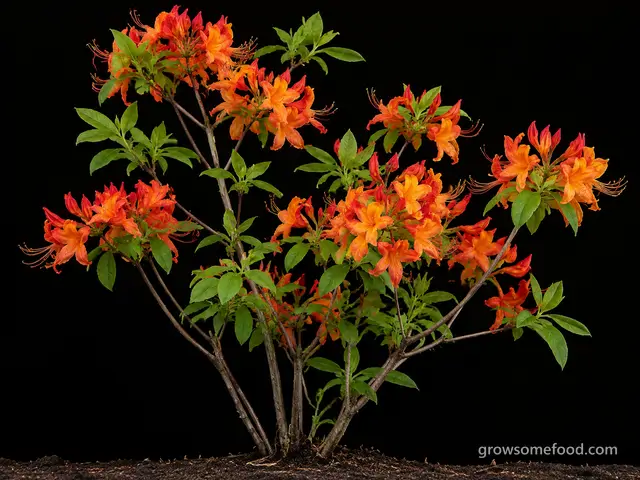
Flame Azalea
A spectacular native deciduous azalea of the southern Appalachians, famous for trusses of glowing orange, red, and yellow spring flowers - a plant-worthy woodland shrub that is also toxic in every part, so it is grown for beauty and admired, never eaten.
Safety notes Flame azalea is grown purely as an ornamental - it is NOT edible. Like other Rhododendron, all parts and even the nectar contain grayanotoxins and are poisonous if eaten, causing nausea, vomiting, low blood pressure, and heart-rhythm effects; the nectar is the source of toxic 'mad honey.' It is a beautiful, plant-worthy native, but site it away from where children, pets, or livestock might eat it, and never consume any part.
Overview
Flame azalea (Rhododendron calendulaceum) is one of the most breathtaking native shrubs of eastern North America - a deciduous azalea of the southern Appalachian mountains whose spring flowers blaze in shades of orange, scarlet, gold, and apricot so vivid they look like flames scattered through the woods. In its native mountains, hillsides of wild flame azalea in full bloom are a celebrated natural spectacle, and in the garden it is a stunning, pollinator-friendly woodland shrub.
Quick facts
- Sprouts in
- 40 daysRange: 21–70 days
- Soil temperature
- 68 °FRange: 60–75 °F
- Height
- 8 ftRange: 4–12 ft
- Spread
- 7 ftRange: 4–10 ft
- Cold
- Takes hard frostdamaged below -20°F
- Heat
- Struggles above 90°F
- Life cycle
- Perennial, lives about 40 years
- Save seeds
- About 150 days after plantingRange: 120–180 days
- Self-sows
- Yes, expect volunteers
- Soil
- Consistently moist
- Water
- Medium
- Plant spacing
- 6 ftRange: 4–8 ft
When to plant
Nothing is open today. Spring transplanting opens 5 months, Mar 27 to May 22.
- Transplant Mar 27 – May 22 Opens in 159 daysAbout 2 weeks before to 6 weeks after your last frost (Apr 10 here)Plant container native azalea in early spring into acidic, humusy, moist, well-drained soil in part shade; keep the shallow roots mulched and evenly moist while establishing.
- Direct sow Mar 27 – May 8 Opens in 159 daysAbout 2 weeks before to 4 weeks after your last frost (Apr 10 here)The tiny seed is surface-sown on a moist acidic medium and needs light and care; seedlings are slow to bloom (several years), so cuttings or nursery transplants are far more practical.
- Transplant Aug 16 – Sep 27 Opens in 301 daysAbout 10 weeks before to 4 weeks before your first frost (Oct 25 here)Fall planting works well, letting the roots establish in cool moist soil before summer; mulch heavily and keep watered until dormancy.
Frost here: last around Apr 10 (Mar 27 to Apr 24 most years), first around Oct 25. Zone averages, your own yard may run a week or two either way.
Life stages
Establish, grow, repeat
Getting established and returning each season are different parts of the story.
Stage 1 of 4 · Getting established
Years 1-2 - rooting in
The first year after planting
Care at this stage
-
Keep evenly moist while establishing
Flame azalea is a woodland shrub with fine, shallow roots - keep the soil evenly moist (never soggy, never bone-dry) through its first two years, especially in heat. It resents both drought and waterlogging.
-
Mulch with acidic organic matter
Mulch with pine straw, leaf litter, or bark to keep the shallow roots cool and moist and to maintain the acidic, humusy soil it needs. Do not cultivate around it - the roots are near the surface.
Months are typical seasonal windows; climate, variety, and plant age can shift them.
Watch out for
3 to know. None are high-risk for Flame Azalea. None are active in October.
Azalea Lace BugsSeverity Medium PestSeason: May–AugPale stippling or fine white speckling across the upper leaf surface, worst on the leaves most exposed to sun.
Pale stippling or fine white speckling across the upper leaf surface, worst on the leaves most exposed to sun. Hard shiny black specks and rusty cast skins on the leaf undersides - the confirming sign, and what separates lace bugs from spider mites, which leave fine webbing instead. Small flat insects with lacy transparent wings on the undersides when you turn a leaf over. Whole plants looking bleached, grey-green, and tired by midsummer, with the worst of it on the sunny, dry side. Early leaf drop and thin, weak growth on plants attacked hard several years running.
Treat early, and treat from below. Insecticidal soap or horticultural oil kills lace bugs on contact but only where it lands, so the spray has to reach the leaf undersides; go after the first generation in late spring rather than the bleached plant in August, and repeat after seven to ten days. A strong jet of water on the undersides knocks nymphs off and helps. Foliage that is already stippled will not recover its colour - it stays that way until it drops, so judge success on the new growth, not the old. Anything you spray must be labeled for the plant you are treating. Where a shrub is hit badly every single year, the honest fix is more shade and more water, or a different plant in that spot.
Siting does most of the work. Plants grown in cool part shade with steady moisture and a good mulch carry a fraction of the lace bugs that the same plants carry in hot afternoon sun and dry soil, so move a chronically infested shrub rather than spraying it every year. Keep the root zone mulched and evenly watered right through summer. Avoid broad-spectrum insecticides, which remove the lacewings, predatory bugs, and spiders that hold lace bug numbers down. And turn a few leaves over in late spring, when the first generation is small and easy to deal with, rather than waiting until the plant has gone pale.
Lace bugs are small flat sap-suckers with clear, intricately veined wings that sit on the undersides of leaves and drain them one cell at a time. You almost never notice the insect first - what you see is the leaf going pale and stippled from above, as though the colour had been lifted out of it in fine dots, while the underside carries scattered hard black specks of varnish-like excrement along with the shed skins of the nymphs. Several generations run through a single season, so damage accumulates from late spring onward and a badly attacked plant looks bleached and exhausted by August. Damaged leaves never re-green. Above all this is a pest of plants growing in more sun, heat, and drought than they want: the same shrub in cool part shade with steady moisture often carries almost none.
Root RotSeverity Medium DiseaseSeason: May–AugWilting in the middle of the day on a plant whose soil is damp - the classic tell, and the reason people water a rotting plant and finish it off.
Phytophthora is the specific culprit on azaleas, and heavy or waterlogged soil is what invites it. Plant in acidic, humusy, well-drained ground, never too deep, and use raised or bermed beds on heavy soil.
Wilting in the middle of the day on a plant whose soil is damp - the classic tell, and the reason people water a rotting plant and finish it off. Leaves yellowing from the bottom up, dull off-color foliage, and growth that stalls for no visible reason. Whole shoots, or one side of the plant, collapsing while the rest still looks fine. Soft, dark, or mushy tissue at the base of the stem or at the crown, sometimes with a sour smell. Lift a failing plant and look at the roots: healthy ones are firm and pale, rotted ones are brown or black and slimy, and the outer layer slips off between your fingers leaving a thread of core behind. Seedlings that topple over at soil level are the same problem, called damping-off.
There is no cure for tissue that has already rotted, so act on the conditions rather than looking for a spray. Stop watering at once and fix the drainage - open up compacted soil, or move the plant to a raised, sharply drained position or a container. Lift a badly affected plant, cut away every soft dark root and rotted section with a clean blade back to firm pale tissue, and replant only the healthy parts into fresh free-draining soil or mix. Often the better move is to give up on the plant and save its offspring instead: cuttings, offsets, or divisions taken from firm healthy growth root readily and give you a clean start. Bin the rotted material rather than composting it, and correct the drainage before you replant, because the rot comes straight back in the same wet spot.
Drainage is the whole defense. Match the plant to the site first - something that wants sharp drainage will not survive heavy clay or a low, water-collecting spot however well you tend it. Where the ground is heavy, plant on a raised bed, berm, or slope, or grow in a container. Set plants at the depth they were already growing, since burying the crown or the root flare is a common cause of rot, and keep mulch pulled back a few inches from the stem base instead of piled against it. Water the soil rather than the calendar: check that the top inch or two is dry before watering again, cut back hard in cool weather and winter dormancy, and never leave a pot standing in a full saucer. Do not plant or dig in soggy ground, and go easy on rich amendments for plants that want it lean. Rotate annual crops, and start with clean healthy plants and fresh mix.
Root rot is not one organism but a group of soil fungi and water molds - Pythium, Phytophthora, Fusarium, Rhizoctonia and others - that sit harmlessly in most soils and only turn destructive when the ground stays saturated. Waterlogged soil drives the air out, the roots suffocate, and the weakened tissue is invaded and goes soft, brown, and stringy. Because the damage is underground you usually see it first as something that looks like drought: wilting, yellowing, stunting, a plant that does not respond to being watered. Overwatering, heavy compacted ground, a low spot that collects runoff, a pot with no drainage or a saucer left standing full, and cold wet soil in winter are the usual causes. Once roots have actually rotted there is no cure - this is a problem you prevent rather than treat.
Spider MitesSeverity Low PestSeason: Jun–AugFine pale stippling or speckling across the upper leaf surface, as though the color had been sandblasted out of it, and later a dull bronze or rusty cast over the whole leaf.
Most common on drought- and heat-stressed azaleas planted in too much sun. Correcting the siting, shade, and moisture usually resolves it without any spray.
Fine pale stippling or speckling across the upper leaf surface, as though the color had been sandblasted out of it, and later a dull bronze or rusty cast over the whole leaf. Delicate webbing across leaf joints, shoot tips, and undersides - that comes with a heavy infestation and means you caught it late. Leaves that dry, curl, and drop early while the plant looks thirsty no matter how much you water it. Hold a leaf over a sheet of white paper and tap it: the specks that fall and then start walking are mites. With a hand lens, look on the undersides for the mites themselves, pale or reddish, and their round translucent eggs. Damage that shows up first on the hottest, dustiest, most sheltered side of a plant, or on a pot sitting near a radiator indoors.
Start with water. A strong jet aimed at the leaf undersides, repeated every few days for a couple of weeks, knocks populations down and breaks the cycle - on many plants that alone ends it. On anything that regrows quickly, shearing back badly infested growth resets the plant to clean foliage. If it keeps building, spray insecticidal soap or horticultural oil directly onto the undersides where the mites actually live, and repeat every five to seven days for three rounds: contact sprays do not kill the eggs, so a single application always fails. Anything you spray must be labeled for the plant you are treating - follow the label and observe its pre-harvest interval on anything you eat. Predatory mites are an effective release in a greenhouse or on an indoor plant. Above all, correct the heat, dust, and drought stress that caused it, or the mites simply come back.
Do not let plants get drought-stressed - that is the single strongest trigger, and a plant watered steadily through heat is far less likely to have a mite problem at all. Hose the foliage down, undersides included, during hot dry spells: it knocks mites off, washes away the dust they thrive in, and raises the humidity around the plant for a while. Indoors and under cover, keep the air from going hot, dry, and stagnant, wipe or rinse the leaves occasionally, and keep pots away from radiators and heating vents. Inspect any plant carefully before you bring it indoors for winter or set it among others, since mites almost always arrive on something else. Avoid broad-spectrum insecticides: they wipe out the predatory mites, lacewings, and lady beetles that do most of this work for you, and reliably leave you with a worse outbreak than you started with.
Spider mites are not insects but tiny sap-feeding arachnids, smaller than a grain of salt, and you almost always notice the damage before you notice them. They live on the undersides of leaves and drain the cells one at a time, which is why the leaf goes finely stippled with pale dots before it bronzes and dries. They breed explosively in hot, dry, dusty, still air - a generation can pass in a week at high temperature - so a barely visible population becomes a webbed, bronzed plant within a fortnight. Drought-stressed plants and plants wintered indoors in dry heated air are the classic hosts. Broad-spectrum insecticides make matters worse rather than better, because they kill the predatory mites and lady beetles that normally hold mites in check.
Good & bad neighbors
Plant nearby
-
Evergreen christmas fern and other woodland natives underplant flame azalea beautifully, sharing its cool, moist, acidic, shaded root run and completing the understory.
-
A classic Appalachian woodland-edge pairing: dogwood's spring bracts above flame azalea's fiery blooms, both understory natives thriving in dappled, acidic, moist conditions.
-
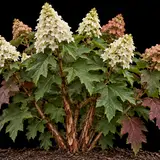
Both native acid-loving part-shade woodland shrubs - flame azalea's spring flowers and oakleaf hydrangea's summer cones and fall color layer a rich shaded native border.
-
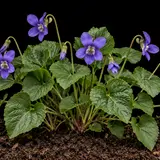
Low native wildflowers like wild violet carpet the ground beneath flame azalea in a woodland planting, thriving in the same shaded, humusy soil.
Varieties · 3
You pick one when you add Flame Azalea to your garden. Its days to maturity set your harvest window.
Flame Azalea (Rhododendron calendulaceum)
The wild species: a deciduous native azalea of the southern Appalachians, 4-12 feet tall, with spectacular trusses of orange, red, yellow, and apricot spring flowers and good fall color.
Variety details for Flame Azalea (Rhododendron calendulaceum)
Upright open shrub covered in spring with large honeysuckle-shaped flowers in blazing orange, scarlet, and gold.
speciesnativedeciduous-azaleaorange-red-flowersToxic in all parts and nectar; grown purely as a stunning ornamental and butterfly plant for acidic, moist, part-shade woodland sites.
Color Selections (orange / red / yellow forms)
Flame azalea varies naturally in flower color from clear yellow through apricot and orange to deep scarlet, and nurseries offer selected color forms.
Variety details for Color Selections (orange / red / yellow forms)
Selected plants in a chosen flame tone, from pure yellow to fiery red-orange.
selectionflower-colortoxicornamentalChoosing a named clone or a blooming-size plant lets you pick your preferred flame shade, since seedlings vary. All are equally toxic and grown ornamentally.
Native Azalea Companions (Rhododendron arborescens, viscosum)
Related native deciduous azaleas - fragrant sweet azalea (R.
Variety details for Native Azalea Companions (Rhododendron arborescens, viscosum)
Native azaleas with fragrant white to blush flowers, blooming after flame azalea, tolerant of moister soil.
speciesnativefragrantlater-bloomarborescens) and swamp azalea (R. viscosum) - extend the native-azalea season with white, fragrant, later blooms and more moisture tolerance, and are better adapted to the humid lowland South. All share flame azalea's toxicity and woodland preferences.
Grower tips
Notes from growers, tagged with the zone they grow in. A person reads every post before it appears.
Nobody has posted about Flame Azalea yet. The first one usually saves someone a season.
Free account. Your post shows your grower name and zone, never your email.