Epazote

Dysphania ambrosioides · Amaranthaceae
Herb Annual Herb CulinaryHerb
Introduced - native to tropical and subtropical America (Mexico and Central/South America)
Plant with care. Self-sows aggressively and can become weedy - deadhead and pull volunteers to keep it in bounds. Its concentrated essential oil (ascaridole) is toxic in large medicinal doses; leaf-sized culinary amounts are safe for most people, but pregnant cooks should keep it light or skip it.

Safe for most people in normal culinary amounts - a sprig or two flavoring a pot of beans. The concentrated essential oil (rich in ascaridole) is a different thing entirely: potent and toxic in the large doses once used as a vermifuge, and it must be avoided in pregnancy. Because epazote is traditionally regarded as an emmenagogue and the leaf itself carries ascaridole, pregnant cooks should keep even culinary use light and occasional, or leave it out. Cook with the leaf, not the oil.

Overview

The pungent, unmistakable herb of Mexican bean cookery - one sprig transforms a pot of black beans - but a vigorous self-sower to keep in check, and a plant whose medicinal oil is toxic in large doses.

Epazote (Dysphania ambrosioides) is the defining herb of Mexican and Central American bean cookery - a strong, pungent, love-it-or-hate-it flavor (resinous, savory, a little like a cross of oregano, tarragon, and turpentine) that transforms a pot of black beans and is traditionally credited with making them easier to digest. A sprig or two is all it takes. Native to tropical America, it's a tall, fast, weedy-vigorous annual that thrives in heat and poor soil and asks almost nothing of you.

Two cautions come with it, which is why it's a plant to grow deliberately. First, it self-sows aggressively: one plant sheds a huge amount of seed and can become a persistent garden weed, so you deadhead and pull volunteers to keep it in bounds. Second, epazote's concentrated essential oil (ascaridole) is genuinely toxic in large medicinal doses - it was long used as a deworming 'wormseed' remedy that could poison - so cook with the leaf in normal culinary amounts and leave the oil and medicinal doses alone. In pregnancy the caution goes further: epazote is traditionally regarded as an emmenagogue and the leaf itself carries ascaridole, so keep culinary use light and occasional, or leave it out.

At a glance

Sun
Full sun · Part sun
Water
Low
Spacing
12–24 in (typ. 18)
Mature height
24–48 in (typ. 36)
Start by
Direct sow · Transplant
Frost
Tender
Germination
7–21 days (typ. 12) @ 65–85 °F (typ. 75)
Start indoors
4–8 wks (typ. 6) before transplant
Spread
12–24 in (typ. 18)
Soil
Well-drained
Temperature
Damaged below 32°F · struggles above 100°F
Seed ready
90–130 days (typ. 110) (for saving)
Self-sows
Yes — expect volunteers

When to plant

Apr 17 – May 22
Primary Direct sowSpring
Sow after frost once soil is warm; surface-sow (light aids germination). Deadhead before seed ripens to prevent aggressive self-sowing.
Feb 27 – Mar 13
Secondary Start indoorsSpring
Start seed indoors 4-6 weeks before last frost for an earlier plant; barely cover the tiny seed and transplant after frost.

Zone 7a typical frost: last Apr 10 · first Oct 25 (spring frost runs Mar 27–Apr 24 in a typical spread of years)

Life stages

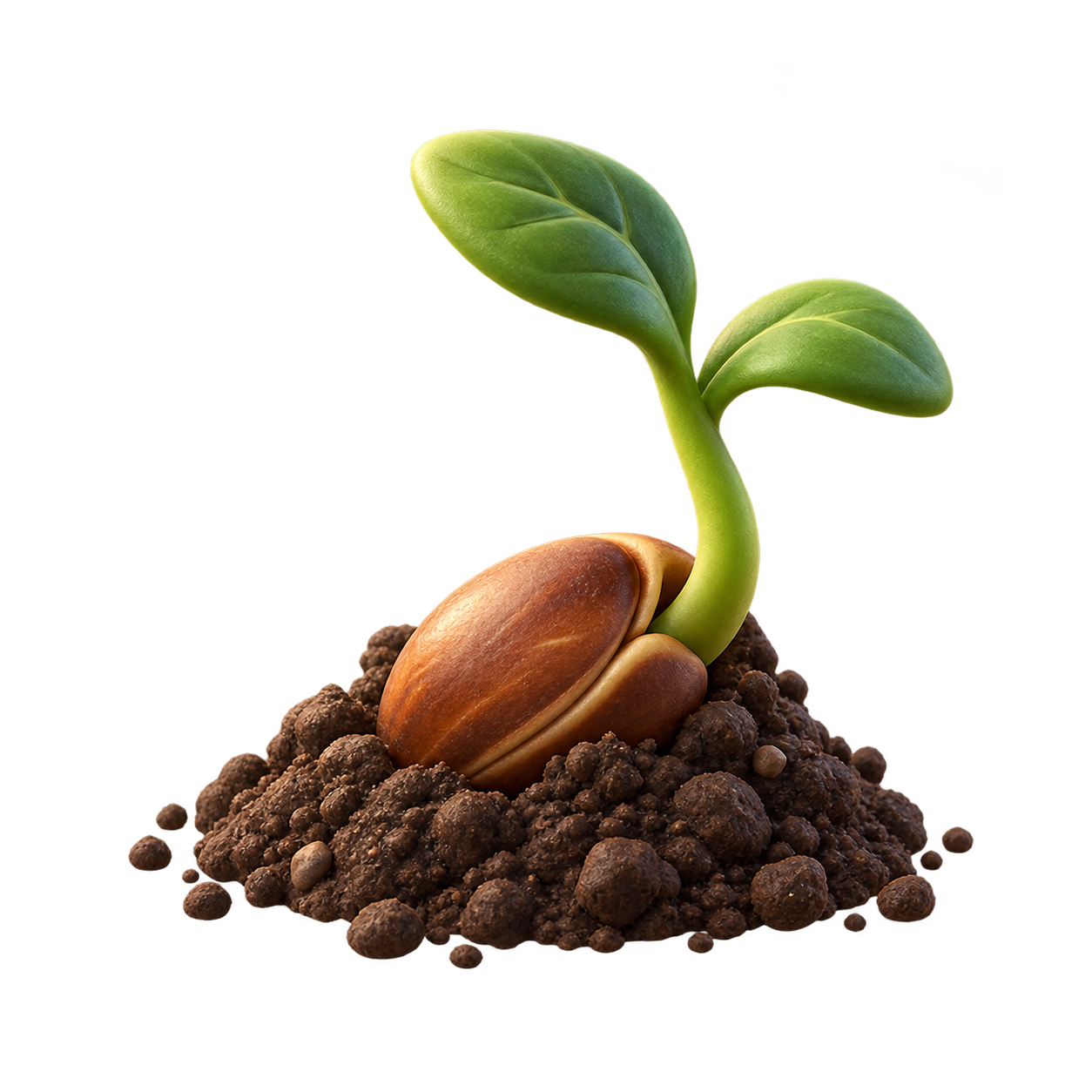
  1. Germination day 0–12 from sowing
    • Surface-sow and keep lightly moistevery 1 d
      The tiny seed needs light and warmth - press it onto the surface or barely cover it, and keep the surface moist until it sprouts. Warm soil (70-85F) speeds germination.
    • Sow after frost into warm soil
      Epazote is frost-tender; wait until after last frost and warm soil, or start it indoors 4-6 weeks ahead and transplant out.
    No emergence in cold soilVolunteer seedlings from last year's self-sown seed (thin them)
  2. Seedling day 12–40 from sowing
    • Thin to 12-18 inches apart
      Epazote grows into a large, branching plant. Thin to give each one room; one or two plants supply a household of bean pots. Eat or discard the thinnings.
    • Water to establish, then keep it lean and dryevery 5 d
      Water young plants to root in, then back off - epazote is drought-tolerant and grows almost like a weed in poor, dry soil.
    Legginess in low lightLeaf miners tunneling the foliage
  3. Leafy growth day 35–60 from sowing
    • Pinch tips to keep it bushy and delay floweringevery 14 d
      Pinch and harvest the growing tips to build a bushier plant and slow the rush to flower - flowering and seeding is when self-sowing gets out of hand.
    • Start harvesting leaves once 8-12 inches tallevery 7 d
      Snip leafy stem tips as needed; the strong, pungent flavor is best from young leaves before the plant flowers.
    Flower spikes forming (pinch to delay bolting and self-seeding)Plant getting very large and rangy (cut back)
  4. Leaf harvest day 55–110 from sowing
    • Cut fresh sprigs as you cookevery 5 d
      Harvest leafy tips fresh - epazote is used as a fresh pot herb, a sprig or two dropped into a pot of beans. Cut and come again through the season.
    • Deadhead spent flowers to control self-seeding
      This is the key containment step: cut off flower heads before they ripen seed, because a single plant sheds enormous amounts of seed and self-sows aggressively into a weed.
    Flowering and seeding (deadhead to prevent a self-sown invasion next year)Strong flavor turning harsh in old, stressed leaves (use young growth)
  5. Bloom & seed (contain it) day 80–130 from sowing
    • Cut plants down before seed ripens
      To keep epazote from taking over, cut plants down as they flower and before the tiny seeds mature and shatter. Bag and remove the seed heads rather than composting them.
    • Save a little seed deliberately, if you want it
      One plant produces far more seed than you could ever need. Collect a small amount to resow next year, then destroy the rest to avoid a volunteer thicket.
    Massive seed set and shattering (the source of its weedy self-sowing)Frost ending a tender annual (harvest before the first frost)

Harvest

Style
Cut and come again
Typical yield
30–200 sprigs (typ. 80)
By weight
8–48 oz (typ. 20)
It's ready when
  • Plants 8-12 inches or taller with plenty of leafy growth
  • Young leaves before flowering, when the flavor is cleanest and most pungent
  • Cut leafy stem tips fresh as needed for cooking
What you harvest
Leafmain crop
Fresh · Cooked · Seasoning
Strong, pungent, resinous-savory flavor unlike any other herb; used fresh, a sprig or two per pot, chiefly in black beans and Mexican dishes. Dried loses much of its character; use it fresh.

Watch out for

Aphids Low PestMay, Jun, Jul

Aphids are small soft-bodied sap-suckers - green, black, gray, pink, or waxy white, and mostly wingless - that gather in dense colonies on the tenderest new growth: shoot tips, buds, and the undersides of young leaves. They breed extremely fast in mild weather, so a few can become hundreds inside a week. Their feeding curls and distorts soft growth, and the sticky honeydew they excrete coats everything below and turns black with sooty mold. Ants often farm and defend the colonies for that honeydew. A few aphids are normal on almost any plant and a healthy plant shrugs them off; only dense, persistent colonies do real damage, and some aphids also spread plant viruses as they feed.

Watch for: Dense clusters of tiny insects packed onto shoot tips, flower buds, and the undersides of young leaves. Curled, cupped, or distorted new growth that never opens properly. A sticky shine on the leaves - and on whatever sits under the plant - that later goes black with sooty mold. Tiny white cast skins left behind where a colony has been feeding. Ants running steadily up and down the stems, which is often the first thing you notice. Mottled, streaked, or misshapen leaves that do not grow out can mean a virus the aphids brought with them rather than the feeding itself.

Prevent: Go easy on nitrogen: the soft, lush growth that heavy feeding produces is exactly what aphids breed on. Check new growth once a week through spring and early summer so you catch colonies while they are still small, and rub the first few out with your fingers. Leave flowering plants nearby and skip broad-spectrum sprays - ladybugs, lacewings, hoverflies, and parasitic wasps do most of this work for free, and they only stay if there is something for them to eat. Keep ants off the plant where you can, since they protect aphids from those predators. Water steadily so plants are not stressed, and check any new plant over before you bring it home or move it indoors, since aphids usually arrive on something else.

Treat: Knock the colonies off with a hard jet of water and repeat every few days - on most plants that alone ends it. Pinch out or prune off the worst-infested tips rather than treating the whole plant. If colonies keep rebuilding, spray insecticidal soap or horticultural oil directly onto the insects, covering leaf undersides, and repeat weekly until they are gone; treat early or late in the day, and never spray a wilted or heat-stressed plant. Avoid broad-spectrum insecticides - they kill the ladybugs, lacewings, and parasitic wasps that were about to solve the problem for you, and aphid numbers usually come back worse afterward. Anything you spray must be labeled for the plant you are treating; follow that label and observe its pre-harvest interval. On anything you eat, wash leaves, heads, and buds well before use, since aphids hide down in crowns, folds, and tight growth.

Flea Beetles Low PestMay, Jun

Flea beetles are tiny dark beetles - often shiny black or bronze, rarely more than a couple of millimeters long - with enlarged back legs that let them spring away like fleas the moment you lean in. The adults chew countless small round pits and shot-holes through leaves, giving the foliage a peppered, buckshot-riddled look. They overwinter as adults in leaf litter, hedgerows, and crop debris, emerge hungry in spring, and are worst in warm dry spells. The damage is mostly a seedling and transplant problem: a small plant with a few leaves can be checked, stunted, or killed outright, while the same plant shrugs them off once it is large and growing strongly. Different species specialize on different plant families, so the beetles hammering your brassicas are not the ones on your nightshades. Some species also have larvae that feed on roots and tubers underground.

Watch for: Dozens of pinhead-sized round holes peppered across the leaves, thickest on the youngest, most tender growth. Tiny beetles that spring away as you brush the plants or lean in for a closer look - that jump is the identification. Seedlings that go lacy and stop growing, and transplants that sit and sulk instead of taking off. Damage heaviest in warm, dry weather and along the edge of a bed nearest weedy ground or last year's crop debris. On root crops, shallow narrow grooves or channels scarring the skin at harvest, from larvae feeding underground.

Prevent: Floating row cover or fine insect mesh, laid over the bed from the day of sowing or transplanting and sealed at the edges so nothing can walk in underneath, is the single best defense - and on the crops they favor it is close to essential. Leave it on until plants are large and growing strongly, or until flowering on anything that needs pollinating. Push growth: a well-watered, unchecked plant outgrows the damage, so the whole game is getting seedlings through their vulnerable weeks fast. Keep beds weed-free, since related weeds host the beetles alongside your crop, and clear crop debris at the end of the season where the adults overwinter. Rotate away from a bed that grew a related crop last year. Where you can, shift sowing dates - cooler-season and fall plantings often miss the peak of adult feeding entirely.

Treat: Row cover and healthy fast growth carry most crops through, and on an established plant the damage is usually cosmetic and needs nothing at all. Where a young planting is genuinely being stripped, kaolin clay coats the leaves and deters feeding, and spinosad will knock the beetles back. Spinosad is acutely toxic to bees while the spray is still wet - apply it at dusk when bees are not flying, never onto plants in flower, and follow the product label. Anything you spray must be labeled for the plant you are treating, and you must observe its pre-harvest interval on a crop you are picking. Yellow sticky traps are useful for telling you when the beetles have arrived. Where the damage falls on the part you eat, harvesting young often beats them outright; where you are growing for a root or a fruit, leaf damage can simply be tolerated. Larvae feeding underground cannot be reached by a foliar spray, so rotation and clean beds are what work against those.

Worst on seedlings in spring and usually cosmetic on an established plant. Clear nearby weedy hosts.

Leaf Miners Low PestJun, Jul, Aug

The same leaf miners that affect spinach, chard, and beets sometimes tunnel quinoa leaves, leaving pale winding or blotchy trails - cosmetic and rarely damaging to the grain crop.

Watch for: Pale, winding squiggly tunnels or translucent blotches inside the leaves, sometimes with tiny larvae visible when held to the light.

Prevent: Remove badly mined leaves, rotate away from beet-family crops, and use row cover early if miners are a known problem.

Treat: Pick off and destroy affected leaves; a vigorous, well-watered plant easily outgrows light damage. Cut back hard for a clean fresh flush if heavily hit.

Good & bad neighbors

Plant nearby
BeanThe definitive kitchen partnership carried into the garden: epazote is the traditional bean herb, credited with improving flavor and digestibility; keep it deadheaded so it doesn't seed into the bean rows.
CornA traditional Mesoamerican pairing alongside beans and squash; epazote seasons the same dishes and shares the warm-season bed - but contain its self-sowing.Traditional pairing — evidence is thin.
SquashCulinary partners (squash blossoms with epazote in quesadillas) and warm-season bedmates in a three-sisters-style planting; watch for volunteer epazote seedlings.Traditional pairing — evidence is thin.
Keep apart

Varieties · 1

Epazote (Dysphania ambrosioides)

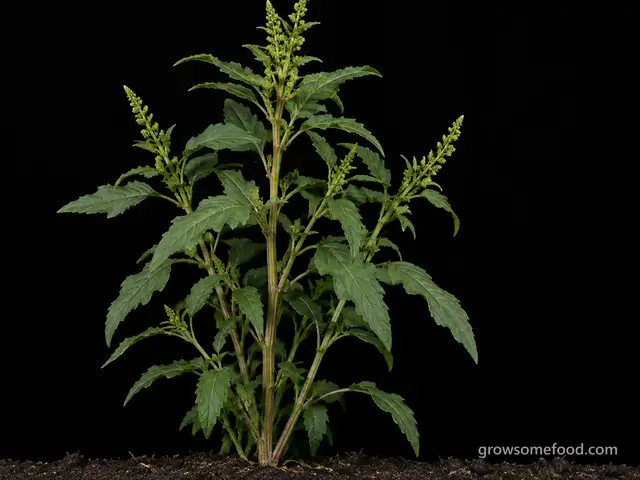
Tall, upright, branching plant with pointed, coarsely toothed green leaves and slender spikes of tiny green flowers.

pungentbean-herbself-seedingmexicanannual

The standard culinary epazote: a tall, branching, heat-loving annual to 2-4 feet with pointed, toothed, pungent green leaves used fresh - a sprig or two - to flavor black beans and Mexican dishes. Strong and distinctive, with no real substitute; grown from seed and prone to self-sow. The species is essentially the only form in cultivation.

Grow

Dead easy in heat and poor soil: sow after frost into warm ground in full sun, thin to give it room, and it practically grows itself - the work is keeping it from spreading.

Epazote is one of the easiest herbs to grow - almost too easy. It's frost-tender and heat-loving, so sow after your last frost once the soil is warm, in full sun and well-drained soil; poor, lean, dry ground is fine, as it grows nearly like a weed. Surface-sow the tiny seed (it needs light) or start it indoors 4-6 weeks ahead. Thin to 12-18 inches, because it grows into a large, branching plant 2-4 feet tall, and one or two plants supply a household.

Water to establish, then leave it be - it's drought-tolerant and rarely needs feeding. The real 'growing' task is containment: because it self-sows so heavily, plan from the start to deadhead the flowers before seed ripens, or grow it in a container, so you don't end up with a thicket of volunteers the following year. It grows well in pots, which also makes it easy to keep in check.

Care

Harvest young leaves, pinch to keep it bushy, water little - and above all, deadhead before it sets seed to stop it self-sowing into a weed.

Day to day, epazote needs very little: harvest the young leafy tips (the flavor is cleanest before flowering), pinch to keep the plant bushy and slow it to bolt, and water only in real drought. Don't fertilize much - it's vigorous enough without help.

The one care task that matters is controlling its spread. Epazote self-sows aggressively, and a plant left to flower and shatter its seed will sprout a dense stand of volunteers next season and can naturalize as a weed. Cut off the flower heads before the seed ripens, bag and remove them (don't compost), and pull any volunteers you don't want. Grown in a container this is easy; in open ground, deadheading is the price of keeping it as a well-behaved herb rather than a weed. As a tender annual it dies at the first frost, so take a final harvest before then.

In the kitchen

The bean herb of Mexican cooking: a sprig or two in black beans, plus quesadillas, soups, moles, and huitlacoche - strong and pungent, always used fresh and in small amounts.

Epazote is inseparable from Mexican and Central American cooking. Its signature role is in black beans and other pot beans: a sprig or two simmered in the pot adds a deep, savory-resinous flavor and, by long tradition, helps reduce the gas they cause. Beyond beans it flavors quesadillas (especially with squash blossoms and huitlacoche), soups, moles, tamales, chilaquiles, and corn dishes, and it's a signature herb of Oaxacan and southern Mexican cuisine.

The flavor is strong and polarizing, so it's always used with a light hand - a couple of leaves or a sprig, not a handful. It's used fresh, added during cooking (a few minutes of simmering mellows and integrates it); dried epazote loses much of its distinctive punch. There's no real substitute for its particular flavor, which is exactly why cooks who love Mexican food grow their own.

Nutrition

Used in tiny seasoning amounts, so not a food source; its practical value is flavor and the traditional role of easing bean digestion - and it carries a real toxicity caution at medicinal doses.

Epazote is used in tiny seasoning amounts - a sprig per pot - so it is not a source of calories or bulk nutrition. Its practical value is culinary: it delivers a unique savory flavor and carries the well-known traditional role of making beans and legumes more digestible (reducing gas), which is a genuine reason it's added to bean pots.

The important nutritional-safety note is the flip side of its history as a medicine. Epazote's leaves and especially its oil contain ascaridole, the compound behind its old use as a vermifuge ('wormseed,' to expel intestinal worms). In the concentrated doses that use required, it is toxic and can cause serious poisoning. The lesson is simple: for most cooks the culinary sprig is safe and even helpful, but the essential oil and medicinal doses are dangerous and must be avoided in pregnancy. And because epazote is traditionally regarded as an emmenagogue, and the leaf itself - not only the distilled oil - carries ascaridole, pregnant cooks should keep even culinary use light and occasional, or leave it out of the pot. Cook with the leaf, never dose with the oil.

Traditional & historical uses

Epazote's medicinal fame is as 'wormseed' - its ascaridole-rich oil (oil of chenopodium) was a widely used dewormer into the early 1900s. That use is now abandoned: the concentrated oil is toxic and safer drugs replaced it. The culinary sprig safely eases bean-related gas as a carminative, but never use the oil or medicinal doses, especially in pregnancy. Educational only, not medical advice.

This section records how people have traditionally used this plant, and what is known about the risks. It is history and general information — not medical advice, and not a recommendation to treat anything. Plants are not dosed like medicines, some interact with prescriptions, and some are harmful in ways that are not obvious. Talk to a clinician before using any plant medicinally.

Epazote is one of the classic medicinal plants of the Americas, but its story is mostly a cautionary one. Its English names 'wormseed' and 'Jesuit's tea' come from its long use as a vermifuge - a remedy to expel intestinal roundworms and hookworms - across Mesoamerican and later worldwide folk medicine.

The active principle is ascaridole, a potent compound concentrated in the plant's essential oil. Distilled as oil of chenopodium, it became a commercial deworming drug used well into the twentieth century - until it was recognized as dangerously toxic (capable of causing serious poisoning, and even death, at the doses that use required) and replaced by safer, more reliable anthelmintic medicines. That medicinal chapter is essentially closed.

What remains safe and useful is the everyday culinary role: a sprig or two simmered in a pot of beans acts as a mild carminative, the traditional reason it is added to reduce the gas that legumes cause. Honest caveats: cook with the leaf in normal amounts only. Do not use the essential oil, or take epazote in concentrated medicinal doses, and avoid medicinal use entirely in pregnancy - the oil is genuinely poisonous. Because the plant is also traditionally regarded as an emmenagogue and the leaf carries ascaridole, pregnant cooks are usually advised to keep even culinary epazote light and occasional, or skip it. Educational information, not medical advice.

History

An ancient Aztec herb and folk medicine of the Americas, used for beans and for expelling worms, that spread worldwide as 'wormseed' - and gives us both its culinary use and its toxicity caution.

Epazote is a herb of the Americas with deep roots in Mesoamerican cooking and medicine. Its name comes from the Nahuatl (Aztec) epazotl ('skunk sweat,' a nod to its pungent smell), and it has flavored the beans, corn, and pot dishes of Mexico and Central America since pre-Columbian times. Alongside the kitchen it had a major role as a folk medicine, above all as a vermifuge to expel intestinal worms - the source of its English names 'wormseed' and 'Jesuit's tea.'

Carried out of the Americas, it naturalized widely across warm regions of the world and became a commercial source of the deworming drug oil of chenopodium (ascaridole) until safer medicines replaced it in the twentieth century - precisely because the oil, in medicinal doses, proved dangerously toxic. That dual history is why epazote reaches us as both a prized culinary herb and a plant to respect: a wonderful flavoring in the pot, and a potent medicine best left in the past.

Troubleshooting

Volunteers everywhere means it seeded - deadhead next time; harsh flavor means old or stressed leaves; leaf tunnels are miners; a plant killed overnight was frosted.

Seedlings coming up all over the garden: the plant flowered and shed its abundant seed - the defining epazote problem; deadhead before seed ripens, pull volunteers, and consider growing it in a container. Flavor gone harsh or overpowering: old, stressed, or post-flowering leaves - harvest young leafy growth for the cleanest flavor, and use only a sprig or two. Winding pale tunnels in the leaves: leaf miners (common on this Amaranthaceae herb) - pick off and destroy affected leaves; the vigorous plant outgrows light damage. Plant collapsed after a cold night: epazote is a tender annual and dies at frost - harvest before the first frost. Plant enormous and rangy: normal vigor in warm, even poor soil - cut it back and harvest hard; one or two plants are plenty.

Growing across climates

A heat-loving tender annual that grows almost anywhere warm in summer; in frost-free zones it self-sows and persists year-round, so containment is the constant across climates.

Epazote is a warm-climate plant that adapts easily wherever summers are warm. Zones 4-6: a summer annual - sow after frost into warm soil, harvest through the warm months, and let frost end it; watch for self-sown volunteers the next spring. Zones 7-9: a long, vigorous warm-season herb that self-sows freely - deadheading to contain it becomes a routine job. Zones 10-11: essentially perennial and heavy-seeding year-round, where it can naturalize and become a genuine weed - grow it in containers and stay firmly on top of seedlings. Everywhere, heat and poor soil suit it, cold does not, and the one climate-independent truth is that its aggressive self-sowing means you must control its seed to keep it as a herb rather than a weed.

Grower tips

No grower tips for Epazote yet. Yours could be the first.

Connection interrupted

Reconnecting to GrowSomeFood

Keep this page open. We are trying to restore your garden session.

Attempt of . Retrying automatically.

Still offline

Could not reconnect

Your phone may have switched networks or gone to sleep. Try again when the signal is steady.

Session expired

Reload to continue

This garden session is no longer available on the server. Reloading will start a fresh session.