
Add it to your home screen and it opens full screen: no browser bars, one tap away, and everything stays signed in. Free, nothing to download from an app store.
- Tap the Share button in your browser
- Scroll down and choose “Add to Home Screen”
- Open GrowSomeFood from your home screen
- Open your browser’s menu
- Choose “Add to Home screen” or “Install app”
- Open GrowSomeFood from your home screen
Daylily
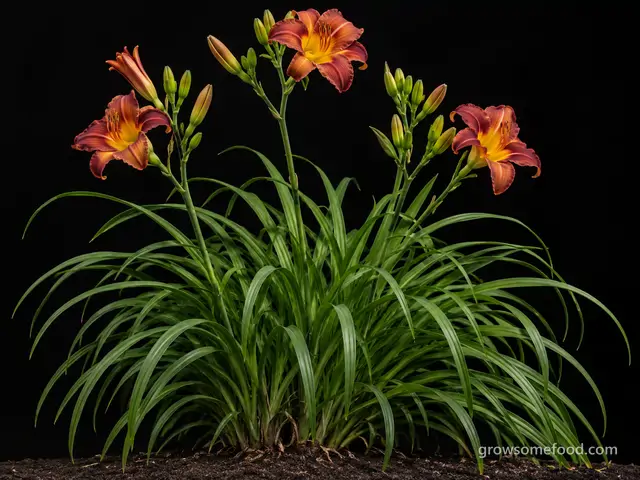
The 'perfect perennial' - nearly indestructible clumps that throw weeks of bloom (each flower lasting a single day), thrive on total neglect, and are edible in East Asian cooking - with two warnings: the wild orange kind is a spreading weed, and never confuse a daylily with a toxic true lily.
Safety notes CATS: daylilies and true lilies (Lilium) are equally deadly - any part, including pollen and vase water, can cause fatal kidney failure, so don't plant either where cats browse. PEOPLE: only the FLOWERS and BUDS of true daylilies (Hemerocallis) are food - dried buds are the 'golden needles' of Asian cooking. Never eat the roots or tubers: Hemerocallis root preparations have a documented poisoning history including eye damage and blindness. Some stomachs react - cook and try a little first.
Overview
The daylily (Hemerocallis) has been called the perfect perennial, and for the average garden it nearly is: it tolerates drought, heat, cold, clay, pollution, and neglect; blooms for weeks; comes in tens of thousands of registered varieties in every color but true blue; and is almost impossible to kill. Its name captures its signature quirk - each flower opens for a single day and is gone by night - but a healthy scape carries dozens of buds, and reblooming types like 'Stella de Oro' flower on and off all summer.
Quick facts
- Height
- 24 inRange: 12–48 in
- Spread
- 24 inRange: 18–36 in
- Cold
- Takes hard frostdamaged below -35°F
- Heat
- Struggles above 100°F
- Life cycle
- Perennial, lives about 20 years
- Soil
- Well-drained
- Water
- Medium
- Plant spacing
- 24 inRange: 18–36 in
When to plant
Nothing is open today. Spring transplanting opens 5 months, Mar 27 to May 22.
- Transplant Mar 27 – May 22 Opens in 159 daysAbout 2 weeks before to 6 weeks after your last frost (Apr 10 here)Plant divisions or containers in spring into full sun (6+ hours for best bloom) and average, well-drained soil. Set the crown about an inch deep; water to establish, then they're tough as nails.
- Transplant Aug 23 – Sep 27 Opens in 308 daysAbout 9 weeks before to 4 weeks before your first frost (Oct 25 here)Divide and replant right after bloom or in early fall, several weeks before hard freeze, so fans root in before winter. Daylilies transplant with almost reckless ease.
Frost here: last around Apr 10 (Mar 27 to Apr 24 most years), first around Oct 25. Zone averages, your own yard may run a week or two either way.
Life stages
Establish, grow, repeat
Getting established and returning each season are different parts of the story.
Stage 1 of 4 · Getting established
Year 1 - rooting in
Day 0 to 75 after transplanting
Care at this stage
-
Water to establish, then relax
Water a new division regularly its first season to settle the fleshy roots. After that, daylilies are famously tough and drought-tolerant - one reason they thrive untended along ditches and highways.
-
Set the crown at soil level
Plant so the crown (where roots meet leaves) sits right at or just below the soil surface - about an inch deep. Buried too deep, daylilies grow leaves but bloom poorly.
Months are typical seasonal windows; climate, variety, and plant age can shift them.
Harvest
- Garden display: scapes full of buds, opening a fresh flower or more each day
- Kitchen (correctly ID'd plants only): plump unopened buds, or flowers fresh on the day they open
- Each bloom lasts ONE day - deadhead daily, harvest buds for the kitchen · every 2 days
- Enjoy the long show; support tall scapes if needed
Picking pick as they ripen
Watch out for
5 to know. None are high-risk for Daylily. None are active in October.
Deer (browse resistance)Severity Medium WildlifeSeason: May–AugGrowth cleanly missing overnight, with the plant browsed back to a level line about as high as a deer can comfortably reach.
Deer relish daylilies - the tender fans in spring and especially the fat buds and open flowers in summer - and will strip the bloom off an unprotected clump overnight. No daylily is truly deer-proof despite the plant's toughness. Foliage regrows readily, but browsed buds are gone for the season, so protect during bloom.
Growth cleanly missing overnight, with the plant browsed back to a level line about as high as a deer can comfortably reach. Ragged, torn stem ends rather than the clean angled cut a rabbit leaves - the single most reliable identifier. Buds and flowers gone while the foliage below is untouched, since deer often take the best part first. Hoof prints and droppings in soft ground near the damage. Repeat visits, with fresh damage each morning once a planting has been found. On young trees, shredded and stripped bark and broken low branches in autumn - that is antler rubbing rather than feeding.
There is no chemical fix, only exclusion and recovery. Get physical protection up immediately after the first damage, because deer return to a known meal, and reinforce or rotate whatever you were relying on before. Most plants regrow from browsing if the crown and roots are intact - feed and water a grazed plant and protect the regrowth while it comes back. What does not recover in the same season is anything whose buds or flowers have been taken, and a young tree whose bark has been rubbed right around the trunk is usually lost. Where deer pressure is genuinely heavy, the honest answer is to fence properly or to grow the plants deer leave alone, rather than to keep replacing losses.
Fencing is the only thing that reliably works. Eight feet is the standard for excluding deer, or two parallel four-foot fences a few feet apart, which they will not jump because they cannot judge the landing. Short of that, cage individual plants: a sturdy wire cage or trunk guard around every young tree, left on until the trunk is thick and the canopy is above browse height, prevents both browsing and antler rubbing and is the single highest-value thing you can do for a young tree. Repellent sprays do help at moderate pressure, but they wash off and deer habituate, so reapply after rain and rotate between different types through the season. Motion-activated sprinklers, scent deterrents, and noise devices work for a while and then stop. Siting matters too: plants close to the house, in daily traffic, and screened behind other planting get browsed less than the same plant out at the boundary.
Deer are the largest garden problem across much of the country, and where pressure is high they set the limit on what you can grow at all. They browse at night and around dawn and dusk, taking tender shoots, leaves, buds, flowers, and fruit within about five feet of the ground, and they come back night after night to anything they have found and liked. Because they have no upper incisors they tear rather than cut, leaving ragged stem ends - that is how you tell deer damage from a rabbit's clean angled cut. In fall, bucks rub their antlers on young trunks and can strip the bark right around a stem, which kills a young tree outright. Palatability varies enormously between plants and between seasons: a herd short of food in late winter eats things it ignores in June, and no plant is truly deer-proof.
Daylily RustSeverity Medium DiseaseSeason: Jun–SepRub a leaf underside with a white tissue - orange powder is rust.
Rub a leaf underside with a white tissue - orange powder is rust. Yellow-to-brown streaking on upper leaf surfaces and premature leaf browning in warm humid weather.
Remove and destroy infected leaves; a hard cut-back and cleanup often resets a badly rusted clump. Fungicides help in regions where rust is chronic but sanitation and resistant varieties are the durable answer.
Choose rust-resistant varieties, space for airflow, water at the base, and cut back and remove foliage in fall (and evergreen foliage in warm zones) to break the overwintering cycle.
A fungal rust (Puccinia hemerocallidis) that arrived in the US around 2000 and spread through warm, humid regions. It produces yellow-orange powdery pustules on the undersides of leaves, with yellow streaking and browning above, disfiguring the foliage and weakening heavily infected plants. Worst in the warm, humid South; overwinters on evergreen foliage.
AphidsSeverity Low PestSeason: Apr–JunDense clusters of tiny insects packed onto shoot tips, flower buds, and the undersides of young leaves.
Aphids go for the emerging fans and the fat flower buds in spring - a strong spring hose-down knocks them back before the buds distort.
Dense clusters of tiny insects packed onto shoot tips, flower buds, and the undersides of young leaves. Curled, cupped, or distorted new growth that never opens properly. A sticky shine on the leaves - and on whatever sits under the plant - that later goes black with sooty mold. Tiny white cast skins left behind where a colony has been feeding. Ants running steadily up and down the stems, which is often the first thing you notice. Mottled, streaked, or misshapen leaves that do not grow out can mean a virus the aphids brought with them rather than the feeding itself.
Knock the colonies off with a hard jet of water and repeat every few days - on most plants that alone ends it. Pinch out or prune off the worst-infested tips rather than treating the whole plant. If colonies keep rebuilding, spray insecticidal soap or horticultural oil directly onto the insects, covering leaf undersides, and repeat weekly until they are gone; treat early or late in the day, and never spray a wilted or heat-stressed plant. Avoid broad-spectrum insecticides - they kill the ladybugs, lacewings, and parasitic wasps that were about to solve the problem for you, and aphid numbers usually come back worse afterward. Anything you spray must be labeled for the plant you are treating; follow that label and observe its pre-harvest interval. On anything you eat, wash leaves, heads, and buds well before use, since aphids hide down in crowns, folds, and tight growth.
Go easy on nitrogen: the soft, lush growth that heavy feeding produces is exactly what aphids breed on. Check new growth once a week through spring and early summer so you catch colonies while they are still small, and rub the first few out with your fingers. Leave flowering plants nearby and skip broad-spectrum sprays - ladybugs, lacewings, hoverflies, and parasitic wasps do most of this work for free, and they only stay if there is something for them to eat. Keep ants off the plant where you can, since they protect aphids from those predators. Water steadily so plants are not stressed, and check any new plant over before you bring it home or move it indoors, since aphids usually arrive on something else.
Aphids are small soft-bodied sap-suckers - green, black, gray, pink, or waxy white, and mostly wingless - that gather in dense colonies on the tenderest new growth: shoot tips, buds, and the undersides of young leaves. They breed extremely fast in mild weather, so a few can become hundreds inside a week. Their feeding curls and distorts soft growth, and the sticky honeydew they excrete coats everything below and turns black with sooty mold. Ants often farm and defend the colonies for that honeydew. A few aphids are normal on almost any plant and a healthy plant shrugs them off; only dense, persistent colonies do real damage, and some aphids also spread plant viruses as they feed.
Daylily Leaf StreakSeverity Low DiseaseSeason: May–AugYellow-to-brown streaking centered on the leaf midrib, with reddish-brown flecks and dieback from the leaf tip.
Yellow-to-brown streaking centered on the leaf midrib, with reddish-brown flecks and dieback from the leaf tip.
Trim off affected leaves and clean up debris; rarely warrants fungicide. Good sanitation keeps it in check.
Space for airflow, water at the base, remove old foliage in fall, and favor less-susceptible varieties.
A fungal leaf disease (Aureobasidium) causing yellow streaks along the leaf midrib that brown and die back from the tip, most noticeable in warm wet weather - cosmetic, but persistent and unsightly on susceptible varieties.
ThripsSeverity Low PestSeason: May–JulSilvery-white streaks and fine speckling on leaves and petals, brown discolored patches, distorted buds and blooms that fail to open properly, and tiny sliver-like insects that drop out when you shake foliage or a flower over a sheet of white paper.
Not usually worth chemical control on a garden daylily - the damage is scarred buds and streaked petals rather than a threat to the plant. Deadheading spent blooms reduces the population.
Silvery-white streaks and fine speckling on leaves and petals, brown discolored patches, distorted buds and blooms that fail to open properly, and tiny sliver-like insects that drop out when you shake foliage or a flower over a sheet of white paper. Worst in hot, dry spells and on drought-stressed plants.
A strong water spray dislodges light infestations, and on a plant that can take it a hard shear and clean regrowth clears them outright. For heavier pressure use insecticidal soap, neem or spinosad, aimed down into the leaf sheaths and buds where thrips actually shelter, and repeat at intervals since eggs and pupae escape a single spray. Spinosad is a registered insecticide: use only a product labeled for the crop you are treating, follow the label exactly, and observe its pre-harvest interval.
Scout early, before the damage reaches the part of the plant you care about. Start with clean planting stock, keep plants well watered since drought-stressed plants suffer worst, avoid heavy nitrogen, clear weedy hosts nearby, and hang blue or yellow sticky traps to catch the first arrivals. Reflective mulch deters them, and predatory mites, lacewings and minute pirate bugs do real work outdoors.
Tiny slender sap-sucking insects that rasp at leaves, buds and petals and drink what runs out, leaving silvery-white streaking and fine flecking, brown scorched patches, and new growth that comes out twisted or fails to open. They breed fast in hot, dry weather, shelter deep in leaf sheaths, folds and unopened buds where sprays struggle to reach, and several species also transmit plant viruses - which is often more damaging than the feeding itself.
Good & bad neighbors
Plant nearby
-
A tough, sunny summer-border classic - the two overlap in bloom, share full sun and dry-tolerant ease, and the black-eyed susan's dark cones set off daylily trumpets.
-
Airy yellow tickseed weaves through daylily clumps in the same full sun and lean, well-drained soil, extending the warm-color summer show.
-
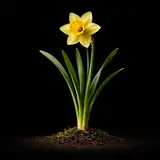
The designer trick in reverse: emerging daylily foliage in spring masks the yellowing leaves of finished daffodils, hiding the mess you're not supposed to cut.
-
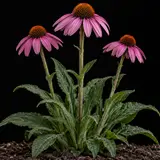
Coneflowers bloom alongside daylilies in sun and add pollinator value and vertical cones against the daylily's strappy foliage - a low-care prairie-style pairing.
- Traditional pairings, thin evidence
-
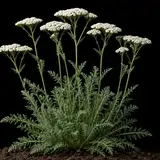
Both thrive on sun, drought, and neglect; flat yarrow heads contrast the daylily trumpets and feed pollinators in the same dry border.
Varieties · 8
You pick one when you add Daylily to your garden. Its days to maturity set your harvest window.
Clumping garden daylily 7 varieties
Stella de Oro
The world's most planted daylily and the one that popularized rebloom: compact 12-inch clumps of golden-yellow trumpets from early summer to frost.
Variety details for Stella de Oro
Small golden-yellow flowers held above grassy 12-inch mounds, blooming for months.
rebloomingdwarfgolden-yellowlong-seasonTough, tidy, and endlessly used in commercial landscapes - the benchmark reblooming daylily.
Happy Returns
A softer-toned companion to Stella de Oro: clear lemon-yellow ruffled blooms on compact reblooming plants, flowering from early summer into fall.
Variety details for Happy Returns
Ruffled soft lemon-yellow flowers on tidy 18-inch clumps.
rebloomingdwarflemon-yellowlong-seasonA gentler yellow for the front of the border.
Ruby Stella
A red-blooming sibling in the Stella family: rich rust-red flowers with a golden throat, reblooming all season on compact, tough plants.
Variety details for Ruby Stella
Rusty-red flowers with a gold throat on compact reblooming mounds.
rebloomingdwarfredlong-seasonExtends the dependable dwarf-rebloomer palette beyond yellow.
Wild tawny daylily (ditch lily) 1 variety
Tawny / Ditch Daylily (Hemerocallis fulva) - CAUTION
The wild tawny orange daylily naturalized along roadsides and ditches across the US.
Variety details for Tawny / Ditch Daylily (Hemerocallis fulva) - CAUTION
Rusty-orange unspotted trumpets on tall bare scapes over spreading strappy foliage.
speciesorangeinvasiveaggressive-spreaderVigorous, drought-proof, and the traditional edible 'golden needle' source - but it spreads aggressively by tubers and is considered invasive in many regions. Included for identification and history; do NOT introduce it to a garden - plant behaved clumping hybrids instead.
Grower tips
Notes from growers, tagged with the zone they grow in. A person reads every post before it appears.
Nobody has posted about Daylily yet. The first one usually saves someone a season.
Free account. Your post shows your grower name and zone, never your email.