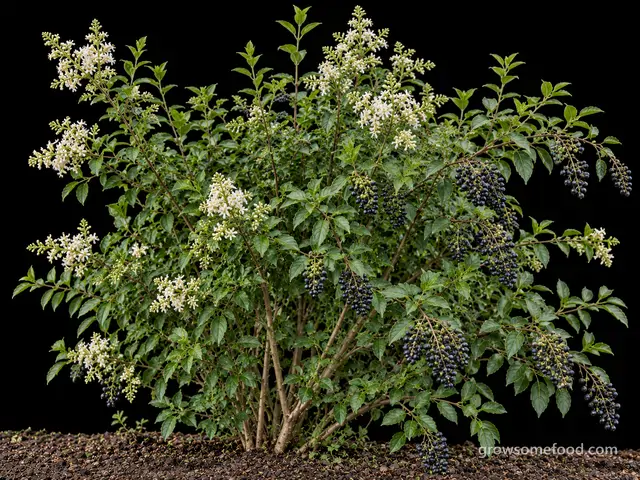
Chinese Privet

Ligustrum sinense · Oleaceae
Other Perennial Shrub Other
Introduced - native to China and Southeast Asia; one of the most damaging invasive shrubs across the southeastern US
Not recommended to plant. Do NOT plant this. Chinese privet is one of the Southeast's worst invasive shrubs - dense thickets smother native understory, it spreads by bird-dropped seed and root suckers, and it is very hard to remove. This entry is for identification and control.

Berries and leaves are toxic - in people usually stomach upset, but larger ingestions by livestock (especially horses) have caused severe poisoning and death. Never dump privet clippings where horses, cattle, sheep, or goats can reach them, and keep berries away from children and pets. Its heavy spring bloom is also a notorious allergy and asthma trigger. The bigger problem is ecological: it smothers native plants. Do not plant it, wear gloves in dense stands, and bag what you cut.

Overview

Widely naturalized as a hedge shrub, Chinese privet has become one of the Southeast's most destructive invasives - forming dense thickets that smother native forests. Never plant it; this entry is for identifying and controlling it.

Chinese privet (Ligustrum sinense) is a small, twiggy, semi-evergreen shrub that has become one of the most damaging invasive plants in the southeastern United States. Introduced from Asia as an ornamental hedge, it escaped cultivation long ago and now blankets millions of acres of bottomland forest, streamside, fencerow, and woodland edge, forming dense thickets that shade out and crowd native wildflowers, tree seedlings, and shrubs into oblivion.

It's an easy plant to overlook because it looks so ordinary - a nondescript shrub with small opposite leaves - but that ordinariness masks a serious invader. It spreads two ways at once: birds gorge on its abundant blue-black berries and scatter the seed across the landscape, and it also suckers from the roots to expand each clump. This entry is here to help you recognize and control Chinese privet - never to plant it. Its berries and leaves are also toxic - stomach upset in people, but severe poisoning and death in horses and other grazing animals - and its pollen is a notorious allergen, so it's a plant to keep out of your garden, your pasture, and the wild.

At a glance

Sun
Full sun · Part sun · Part shade · Shade
Water
Medium
Spacing
24–120 in (typ. 60)
Mature height
72–360 in (typ. 180)
Start by
Direct sow · Cuttings
Frost
Hardy
Spread
48–240 in (typ. 120)
Soil
Well-drained
Temperature
Damaged below -10°F · struggles above 105°F
Self-sows
Yes — expect volunteers

When to plant

No planting window on record for this zone.

Life stages

  1. Semi-evergreen thicket growth (identify & control) year-round (yearly)
    • Recognize it: small opposite leaves, arching thicket shrub
      Chinese privet is a fast, twiggy, semi-evergreen shrub (to small tree) with small, oval, opposite leaves about half an inch to an inch long on arching stems. It forms dense thickets in forest understory, along fencerows, streambanks, and old home sites, shading out everything beneath. If you see a wall of small-leaved shrubs choking a woodland edge, suspect privet.
    • Cut-and-treat stems, pull seedlings, dig small clumps
      Control means persistence: hand-pull seedlings when soil is moist, dig or grub out small clumps (get the roots - it resprouts and suckers), and for larger stems use cut-stump herbicide treatment. Foliar herbicide works on regrowth. Mowing or cutting alone just makes it resprout thicker. Bag berries, never let cut stems root or spread, and never dump clippings where horses or other livestock can reach them - privet foliage poisons grazing animals.
    Dense thickets smothering native understoryResprouting and root suckers after cuttingSmall opposite leaves on arching twiggy stems
  2. Spring flowers & blue-black berries Apr, May, Jun, Oct, Nov, Dec (yearly)
    • Fragrant white flower sprays, then dark berries
      In late spring privet bears profuse sprays of small, heavily fragrant creamy-white flowers (a major allergy trigger), followed by clusters of blue-black berries that ripen in fall and persist into winter. Birds eat the berries and scatter the seed widely - the main way privet invades new woods. A flowering, fruiting stand is a seed factory; prioritize removing it.
    • Remove fruiting shrubs to stop bird-spread seed
      Because birds spread the seed, removing mature, fruiting privet is the highest-value control. Take out the biggest berry-producing shrubs first, and clear seedlings underneath before they mature. Never compost or dump berry-laden clippings.
    Fragrant creamy-white flower sprays in late springBlue-black berry clusters eaten and spread by birdsNew seedlings carpeting the ground under mature shrubs

Watch out for

Smothering Thickets (ecological harm) High Disorderyear-round

The core hazard is ecological: autumn olive forms dense, fast-growing thickets on open and disturbed ground - old fields, pastures, edges, and open woods - that crowd out native grasses, wildflowers, shrubs, and tree seedlings, degrading habitat.

Watch for: Dense stands of small-leaved semi-evergreen shrubs choking woodland understory, fencerows, and streamsides, especially green thickets in the winter woods.

Prevent: Never plant it; remove seedlings and small clumps early, and take out fruiting shrubs before birds spread the seed.

Treat: Dig or hand-pull small plants (get the roots), cut-stump or basal-bark herbicide on larger stems, treat regrowth, and replant with natives; cutting alone causes vigorous resprouting.

Bird-Spread Seed & Root Suckering High DisorderJan, Feb, Mar, Sep, Oct, Nov, Dec

Why it spreads so far and resists control: autumn olive produces huge crops of berries that birds scatter widely, seeds germinate readily in disturbed ground, and cut shrubs resprout vigorously from the stump.

Watch for: Seedlings appearing far from any planting, carpets of seedlings under mature shrubs, and vigorous resprouting after cutting or mowing.

Prevent: Remove fruiting shrubs to cut off the seed supply; never compost or dump berry-laden clippings; clear seedlings before they mature.

Treat: Address both seed source and roots: remove fruiting shrubs, dig or cut-stump-treat clumps to kill the roots, and follow up for several seasons against the seed bank.

Pollen Allergen & Toxic Berries and Leaves High DisorderApr, May, Jun

A direct hazard to people and animals: privet's heavy spring bloom sheds pollen that is a notorious hay-fever and asthma trigger, and its berries and leaves are toxic. In people the usual result is stomach upset, but grazing animals - horses and ponies especially, and also cattle, sheep, and goats - have been severely poisoned and killed by eating privet foliage or clippings, with staggering, colic, and collapse. Privet is listed as toxic to horses, dogs, and cats.

Watch for: Allergy and asthma flare-ups near flowering privet in late spring; children or pets near the blue-black berries; livestock browsing a fence-line privet stand or a pile of fresh clippings.

Prevent: Never dump or pile privet clippings where horses, cattle, sheep, or goats can reach them - most livestock poisonings come from thrown-over-the-fence prunings. Bag and dispose of what you cut, fence stock away from privet thickets, keep berries away from children and pets, and remove flowering shrubs near living spaces; wear a mask when clearing bloom.

Treat: For any ingestion by a person or animal, contact poison control or a vet at once - do not wait for symptoms in a horse. Manage pollen exposure as seasonal allergy, and remove the shrubs to reduce future bloom.

Varieties · 3

Chinese Privet (Ligustrum sinense)

Arching semi-evergreen shrub with small oval opposite leaves; fragrant creamy-white flower sprays in spring; hanging clusters of blue-black berries in fall and winter.

speciesinvasivedo-not-plantsemi-evergreen-shrubbird-spreadtoxic

The invasive privet: a twiggy semi-evergreen shrub with small opposite leaves that forms smothering thickets in Southern forests and streambanks, spreading by bird-dropped berries and root suckers. Identify and control, never plant. Handle with care - berries and leaves are toxic (dangerously so to horses and other livestock) and the pollen is a strong allergen.

Native shrub alternatives

Varies by species - native shrubs suited to hedging and screening in your region.

alternativenativenon-invasiverecommended-instead

Instead of privet, plant regional native shrubs for screening and hedging - wax myrtle, inkberry holly, yaupon holly, native viburnums, American beautyberry, or spicebush - which give evergreen or seasonal cover and real wildlife value without the invasion. Ask a local native-plant source for the best options for your area.

Related invasive privets (Ligustrum species)

Similar shrubs/small trees with glossy opposite leaves and blue-black berries; the glossy privets have larger, thicker leaves.

relatedinvasivedo-not-plant

Close relatives sold as hedges are also invasive and controlled the same way: Japanese/glossy privet (Ligustrum japonicum, L. lucidum) from East Asia; European/common privet (L. vulgare), the one true European privet; and California privet (L. ovalifolium) which - despite the name - is native to Japan, not California or Europe. All are introduced, all escape, and all carry the same toxic berries and leaves. Same lesson: identify and control, never plant; choose native shrubs instead.

Grow

How to recognize it and why never to plant it: a semi-evergreen shrub with small opposite leaves that forms smothering thickets, spreading by bird-dropped berries and root suckers.

You should never plant Chinese privet - so recognizing it is what matters. It's a fast-growing, twiggy semi-evergreen shrub (it can reach small-tree size) with small, oval, opposite leaves roughly half an inch to an inch long, often held on gracefully arching stems. In the Deep South it keeps most of its leaves through winter, which is one way to spot it - a green thicket in the leafless winter woods is often privet. In late spring it's smothered in fragrant creamy-white flower sprays, followed by hanging clusters of blue-black berries.

Its whole biology is built for invasion. It tolerates deep shade, sun, wet and dry soils, and heavy disturbance; it grows fast; and once established it forms impenetrable thickets that eliminate the native understory. Understanding how tough and adaptable it is - and how freely birds carry its seed into untouched forest - is exactly why the advice is simply never to introduce it, and to remove it where it has taken hold.

Propagation & seed saving

How it spreads - and why it's so hard to contain: prolific bird-dispersed berries scatter seed across the landscape, while root suckers and resprouting expand and rebuild each clump.

Chinese privet's spread is a one-two punch. Above ground, a single mature shrub produces enormous quantities of berries that birds (and to a lesser extent other wildlife) eat and disperse far and wide - which is why privet turns up deep in otherwise intact forest, nowhere near any planting. Seedlings then germinate in dense carpets and race upward.

Below and at ground level, it suckers from the roots and resprouts vigorously from cut or broken stems, so simply cutting or mowing it back tends to make a clump come back thicker. It also layers where low stems touch soil. This combination - long-distance seed dispersal plus tenacious local regrowth - is what makes privet so hard to eradicate, and why control has to address both the seed source (remove fruiting shrubs) and the roots (dig or cut-and-treat, not just cut).

Care

Control, not care: pull seedlings, dig small clumps with their roots, cut-stump-treat larger stems with herbicide, prioritize removing fruiting shrubs, and replant with natives.

For Chinese privet, 'care' means removal, and because it resprouts and suckers, cutting alone won't do it. The proven approaches, scaled to the infestation: hand-pull or dig seedlings and small plants when the soil is moist, getting the roots; for stems too big to pull, use cut-stump herbicide treatment (cut low and immediately treat the stump) or a basal-bark treatment; and treat leafy regrowth with a foliar herbicide where appropriate. Always get the root system, since anything left resprouts.

Prioritize removing the largest, fruiting shrubs first to shut off the bird-spread seed supply, then work through the seedlings underneath. Bag and dispose of berry-laden clippings (don't compost or dump them), wear gloves and long sleeves in dense stands, and follow up for several seasons, because the seed bank and root fragments keep coming. One warning that matters most on rural ground: never dump privet clippings into a pasture or over a fence line. Privet foliage is toxic to grazing animals and has killed horses and ponies, and thrown-over prunings are the classic way it happens - keep every cut stem away from horses, cattle, sheep, and goats. Then replant with native shrubs - wax myrtle, inkberry, native viburnums, beautyberry, or spicebush - to hold the ground and restore habitat. For large infestations, local extension offices and invasive-plant programs offer region-specific guidance and often organized removal help.

Nutrition

Not a food - the berries and leaves are toxic (dangerously so to horses and other livestock) and the pollen is a strong allergen. Ecologically its impact is negative: it replaces the diverse native plants that actually feed wildlife.

Chinese privet is not food. Its berries and leaves are toxic: in people the usual result is stomach upset, but in grazing animals - horses above all, and also cattle, sheep, and goats - eating privet foliage or clippings has caused severe poisoning and death. Its heavy spring bloom is also a well-known pollen allergen that triggers hay fever and asthma. Keep it well away from livestock, never toss clippings into a pasture, and handle it with care rather than harvesting it.

Ecologically, its contribution is negative. Where privet takes over, it converts diverse native understory into a near-monoculture that supports far less wildlife: it crowds out the native wildflowers, shrubs, and tree seedlings that feed pollinators, caterpillars, and birds, and it degrades habitat along the streams and bottomlands where it's worst. Its berries do feed some birds - which is precisely how it spreads - but that thin benefit is vastly outweighed by the rich native food web it displaces. The meaningful 'nutrition' story here is what privet destroys: removing it and replanting natives restores food and cover for the whole community.

History

Introduced from Asia in the 1800s as an ornamental hedge and screening shrub, Chinese privet escaped cultivation to become one of the Southeast's defining invasive plants.

Chinese privet was brought to the United States in the mid-1800s as an ornamental, valued as a cheap, fast, tough hedge and screening shrub that tolerated shearing, shade, and neglect. Those very traits - toughness, speed, shade tolerance, heavy seeding - are what made it a catastrophe once it escaped gardens. Old privet hedges around home sites and farms became seed sources, birds carried the berries into the surrounding woods, and over the 20th century it spread across the Southeast.

Today it's recognized as one of the region's worst invasive shrubs, choking bottomland forests and riparian zones across many states, and it's a frequent target of restoration and volunteer removal efforts. Like so many invasives, its story is a cautionary one: a plant chosen for being easy and vigorous in the garden turned out to be far too easy and vigorous in the wild. It's a clear case of why 'tough and fast-growing' can be exactly the wrong reasons to plant a non-native shrub.

Troubleshooting

Confirm it (semi-evergreen shrub, small opposite leaves, blue-black berries), don't plant it, dig or cut-stump-treat it (get the roots), remove fruiting shrubs first, and replant natives.

Is this Chinese privet? Look for a twiggy, semi-evergreen shrub with small (half-inch to inch), oval, opposite leaves on arching stems, forming dense thickets; fragrant creamy-white flower sprays in late spring; and clusters of blue-black berries in fall and winter. Staying green in the winter woods is a giveaway. How do I get rid of it? Pull seedlings and dig small clumps (get the roots); for bigger stems use cut-stump herbicide or basal-bark treatment, and treat regrowth - cutting alone makes it resprout thicker. Which do I remove first? The largest fruiting shrubs, to cut off the bird-spread seed supply. Can I just mow it? No - mowing and cutting cause vigorous resprouting; you must treat the stumps or remove the roots. Can I eat the berries? No - berries and leaves are toxic; in people that usually means stomach upset, and in horses and other grazing animals it can be fatal, so never dump clippings where stock can reach them. It grew back: expected - persist for several seasons against the seed bank and root suckers. What should I plant instead? Native shrubs such as wax myrtle, inkberry, native viburnums, American beautyberry, or spicebush.

Growing across climates

Worst across the warm, humid Southeast (roughly zones 6-10), especially in moist bottomlands and streamsides; cold winters limit it farther north, but its range is broad and expanding.

Chinese privet is most destructive across the warm, humid Southeast (roughly zones 6-10), where mild winters let it hold its leaves and long growing seasons fuel its fast growth. It's especially aggressive in moist bottomland forests, floodplains, and along streams and rivers, where it can form near-solid thickets over huge areas - though it also invades drier woodland edges, fencerows, and old home sites, in sun or shade.

Farther north, harder winters and colder soils limit its spread, so its worst impacts are regional; but it's broadly adaptable and its range has expanded over time. Wherever you are in its range, the guidance is the same: never plant it, learn to recognize it (especially as an evergreen presence in the winter woods), and remove it early - a few seedlings pulled today are far easier to deal with than the impenetrable thicket they become in a climate that suits them. Check local invasive-plant lists, since privet is flagged as a management priority across much of the South.

Grower tips

No grower tips for Chinese Privet yet. Yours could be the first.

Connection interrupted

Reconnecting to GrowSomeFood

Keep this page open. We are trying to restore your garden session.

Attempt of . Retrying automatically.

Still offline

Could not reconnect

Your phone may have switched networks or gone to sleep. Try again when the signal is steady.

Session expired

Reload to continue

This garden session is no longer available on the server. Reloading will start a fresh session.