Add it to your home screen and it opens full screen: no browser bars, one tap away, and everything stays signed in. Free, nothing to download from an app store.
- Tap the Share button in your browser
- Scroll down and choose “Add to Home Screen”
- Open GrowSomeFood from your home screen
- Open your browser’s menu
- Choose “Add to Home screen” or “Install app”
- Open GrowSomeFood from your home screen
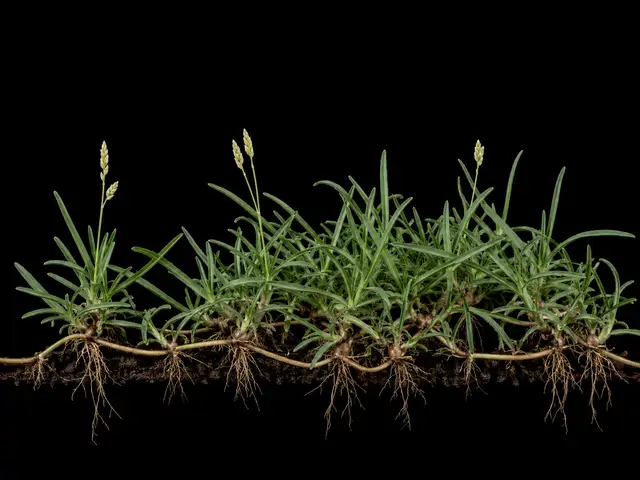
Buffalograss
The only North American native grass in wide use as a lawn, and the reason to plant one: a fine blue-green shortgrass prairie sod that lives on rainfall in the dry West, needs mowing a few times a year at most, and asks for no fertilizer at all.
Buffalograss is a safe, non-toxic native grass and not a food crop. It is a premier grazing grass of the plains, eaten by bison, cattle, and wildlife with no ill effect, and it is fine for children and pets to play on - the seed burrs on female plants are small and soft-edged, not injurious like sandbur. Male plants shed pollen in early summer, but far less than bermudagrass, and the vegetative cultivars sold as plugs and sod are all female and shed none at all.
Overview
Buffalograss (Bouteloua dactyloides, long known as Buchloe dactyloides) is the sod-forming grass of the shortgrass prairie - the low, fine, blue-green carpet that ran from Montana to Texas and carried the bison herds that gave it its name. It is also the only North American native grass in widespread use as a lawn, and in the dry interior of the country it is the most sensible lawn there is.
The case for it is straightforward. It spreads by surface stolons into a genuine sod, reaches only four to eight inches unmown, and survives on the fifteen to twenty-five inches of annual rain typical of the plains. A buffalograss lawn is usually mown three or four times a season rather than twenty, watered every two to four weeks in high summer if at all, and fertilized essentially never. It is cold-hardy well into the northern plains, takes brutal heat, and is long-lived.
The trade-off is honest and worth knowing before you plant: it is a warm-season grass, so it greens up late in spring and turns straw-tan with the first hard frost, staying that colour for five or six months in the north. It also needs full sun - it will not grow in shade at all - and it is thin and slow in its first season, which is when most buffalograss lawns are lost to weeds rather than to anything the grass did.
Where it fits, though, almost nothing else compares: it is the lower-spread, lower-input native alternative that people in the West are usually looking for when they ask what to plant instead of bermudagrass or bluegrass.
Quick facts
- Sprouts in
- 14 days7 to 30
- Soil to sprout
- 75 °F60 to 90
- Life cycle
- Perennial, lives about 25 years
- Seed to save
- About 90 days after planting60 to 120
- Height
- 6 in3 to 10
- Spread
- 36 in12 to 120
- Cold
- Takes hard frostdamaged below -35°F
- Heat
- Struggles above 115°F
- Self-sows
- Yes, expect volunteers
Full sun · low water · well-drained soil · 15 in apart (12 to 24) · direct sow or transplant or division
When to plant
Nothing is open today. Fall sowing opens in 13 days, Oct 4 to Nov 15.
- Direct sow Oct 4 – Nov 15 Opens in 13 daysAbout 3 weeks before to 3 weeks after your first frost (Oct 25 here)Dormant-seeding in late fall onto cold soil lets the burrs sit through winter and germinate with the first real warmth. Useful on large or unirrigated areas, though spring weed pressure is higher than with a warm-soil summer sowing.
- Transplant Apr 10 – Jun 9 Opens in 201 daysAbout at to 9 weeks after your last frost (Apr 10 here)Plugs on 12-to-18-inch centres are the standard way to establish the vegetative cultivars, which are not available as seed. They knit into full turf over one to two seasons - closer spacing closes faster. Sod is quickest of all where it is sold locally.
- Direct sow May 1 – Jun 24 Opens in 222 daysAbout 3 weeks after to 11 weeks after your last frost (Apr 10 here)Sow treated burrs into genuinely warm soil - late spring into early summer, once soil temperatures are reliably above about 60F. Rake in shallowly, keep damp for three to four weeks until it is up, then stretch the watering out. Sowing too early is the classic mistake.
Frost here: last around Apr 10 (Mar 27 to Apr 24 most years), first around Oct 25. Zone averages, your own yard may run a week or two either way.
Life stages
One stage to settle in, then three that repeat each year. Windows are typical; your zone and weather move them.
Year 1 - closing the gaps
Day 0 to 120- WaterKeep it damp until it is rooted, then back right offevery 3 daysA new seeding or planting of plugs needs light, frequent water for the first three or four weeks while it germinates and roots. After that, lengthen the interval deliberately - deep and infrequent - and by the end of the first season you should be down to a soak every two or three weeks at most. Continuing to water daily is how a buffalograss lawn turns into a weed lawn.
- WeedYear one is a weeding year, not a mowing yearThis is where nearly all buffalograss lawns are won or lost. It greens up late, spreads slowly at first, and leaves open ground that summer weeds will happily take. Mow high to behead annual weeds before they seed, pull perennial weeds by hand, and be patient - the runners close the gaps over one to two seasons.
- FertilizeAlmost no fertilizer, and none at plantingBuffalograss evolved on lean plains soil. Nitrogen mostly accelerates the weeds and the cool-season grasses that compete with it. If you feed at all, use no more than about a pound of nitrogen per thousand square feet, once, in early summer when the grass is actively growing - and skipping it entirely is a perfectly good choice.
Watch for- Slow spread and visible gaps in the first season (normal)
- Annual weeds outgrowing a new stand
- Runners creeping outward and rooting where they touch soil
Green-up, runners & the mowing season
May to Sep, every year- PruneMow at two to three inches, a few times a year - or nevermonthlyBuffalograss only reaches four to eight inches unmown, so mowing is optional. Left alone it makes a soft, slightly shaggy meadow-lawn; mown at two to three inches perhaps three or four times a season it reads as a conventional lawn. Never scalp it - cutting below two inches thins the stand and lets weeds straight in.
- WaterHalf an inch to an inch, every two to four weeksThat is the whole irrigation schedule, and only if you want it green through the hottest weeks. Withhold water and it goes dormant and straw-coloured, then greens up again after rain - it is not dying. Frequent shallow watering is actively harmful: it favours bermudagrass, crabgrass, and cool-season weeds over the buffalograss.
- WeedWatch the edges for bermudagrassA thin, slow, low-input lawn is an open invitation to anything faster. In the southern half of its range the main threat is bermudagrass creeping in from a neighbouring lawn - keep a spade-deep cut edge, and deal with incursions while they are small patches rather than a takeover.
Watch for- Late spring green-up (normal - it is a warm-season grass)
- Stolons running across bare soil and rooting at the nodes
- Bermudagrass, crabgrass, or cool-season weeds gaining where the stand is thin or over-watered
Flags & burrs (male and female plants)
Jun to Aug, every year- InspectTwo plants, two completely different flowersmonthlyBuffalograss is dioecious - individual plants are male or female. Males raise small flag-like flower spikes a couple of inches above the leaves and shed pollen; females carry hard little burr-like seed clusters hidden down among the foliage. A seeded lawn has both. The vegetative cultivars sold as plugs and sod are all-female clones, so they produce neither pollen nor flags.
- DoCollect burrs if you want to spread itThe female burrs are the seed unit, and they ripen down in the canopy in mid to late summer. You can rake or collect them and scatter them on bare, prepared soil, though germination from untreated burrs is slow and erratic - commercial seed is chemically treated and primed for a reason.
Watch for- Small flag-like flower spikes standing above the turf (male plants)
- Hard burr-like seed clusters down in the foliage (female plants)
- A vegetative cultivar producing neither - that is expected, they are all female
Straw-tan dormancy (the honest trade-off)
Oct to Apr, every year- ProtectDo not water dormant turfBuffalograss colours off with the first hard frost and stays straw-tan until the soil warms again in late spring - five to six months in the north, less in Texas. Watering brown dormant turf does no good, wastes water, and in heavy ground can rot crowns. Leave it dry and leave it alone.
- WeedWinter weeds are the visible onesCool-season weeds green up while the buffalograss is tan, which makes them stand out and also makes late winter the easiest time to see and pull them. Dig or spot-treat them before spring; a dormant lawn full of green patches in February is a weed map, not a healthy lawn.
- InspectJudge the stand now, plan for early summerDormancy is the best time to see gaps, wear, and where the stand is thin. Note the bare areas and plan to overseed or plug them in early summer when the soil is warm - not in spring, when the grass is not yet growing and the weeds are.
Watch for- Straw-tan colour from first frost to late spring (dormancy, not death)
- Green cool-season weeds standing out against tan turf
- Thin or bare areas to plug or overseed in early summer
Watch out for
4 to know. 1 is high-risk: Weed & Bermudagrass Takeover. 4 are active in September.
Weed & Bermudagrass TakeoverSeverity High DisordernowThe mental shift that saves the lawn: buffalograss is not a conventional lawn that needs less, it is a different planting that is actively harmed by conventional care.
Almost every failure traces back to that.
Annual weeds filling the gaps in a first-season stand. Coarse, faster, brighter-green grass appearing in patches and expanding, especially along a lawn edge. Green cool-season weeds standing out sharply against dormant tan turf in late winter. A lawn that gets thinner the more it is watered and fed.
Mow high through the establishment season to behead annual weeds before they seed, and hand-pull or dig perennials. Overseed or plug thin areas in early summer, when the grass is growing and can close over them. For invading grasses, dig them out whole where you can; where a herbicide is used it must be one whose label lists the site you are treating and it must be used exactly as that label directs - and note that grass-selective products damage buffalograss as well, so spot-treat rather than blanket-spray. Once bermudagrass is well established in a buffalograss lawn, renovation is usually more realistic than rescue.
Start with a clean seedbed and clear perennial weeds before planting, not after. Sow into warm soil in late spring or early summer, or use plugs so the ground closes faster. Water deeply and rarely, never fertilize beyond about a pound of nitrogen per thousand square feet once in early summer, and mow no shorter than two inches. Keep a spade-deep cut edge between a buffalograss lawn and any bermudagrass, and inspect that edge every year.
The dominant problem with buffalograss lawns, and it comes from the grass's own virtues. It is low, slow, and thin at first, dormant for a long season, and unable to use extra water and nitrogen the way faster grasses can - so anything more aggressive is at an advantage. In the first two seasons that means annual weeds in the gaps between establishing plants. Later it means bermudagrass creeping in from a neighbouring lawn in the southern half of the range, crabgrass in summer, and cool-season weeds greening up through the tan winter turf. Ironically, the conventional lawn response - more water, more fertilizer, shorter mowing - helps the invaders every time and is the usual reason a native lawn is lost.
Failure in ShadeSeverity Medium DisordernowFull sun is the hard requirement people most often discover after planting.
Worth checking the site honestly before ordering seed or plugs.
Thin, stretched, pale growth under and around trees and on shaded sides of buildings. Runners that never close the gaps in shaded areas while doing so freely in the sun. Weeds and moss taking over the same patches every year.
There is no treatment that makes it shade-tolerant. Either raise the canopy by pruning lower limbs to let real light through, or accept the site is not turf and plant a shade-tolerant groundcover, a mulched bed, or a path there instead. Reseeding the same shaded patch each year is money and water spent for nothing.
Do not plant buffalograss where it will get less than roughly six hours of direct sun. Map the shade across the season before planting rather than after - the shade under a young tree grows every year, so plan for the tree you will have in ten years.
Buffalograss requires full sun and has no meaningful shade tolerance. Under trees, on the north side of a building, or anywhere shaded for a good part of the day it thins, stretches, stops spreading, and is replaced by weeds and moss within a season or two. No cultivar changes this - it is a shortgrass-prairie plant from country with almost no canopy. It is one of the most common reasons a buffalograss lawn looks patchy in exactly the same spots year after year.
Western Chinch BugSeverity Medium PestnowWorth naming because gardeners reach for the hose first, and watering an insect problem in a lawn chosen for its drought tolerance wastes both water and the diagnosis.
Irregular yellowing patches in midsummer that spread outward and do not respond to watering. Part the grass at the edge of a patch, where damaged meets healthy, and look at the soil surface and the base of the runners for small dark insects, sometimes with a pale band across the back, and smaller reddish nymphs.
Confirm the insect before treating anything, since the symptoms look exactly like drought. A deep soak plus easing off the fertilizer resolves mild cases, and a healthy stand grows through moderate feeding damage. Where treatment is genuinely warranted, use only a product whose label lists lawn turf and this pest, and follow that label exactly for rate, timing, and re-entry.
Keep the lawn lean rather than lush - avoid extra nitrogen, which favours the insect - and avoid a heavy thatch layer at the soil surface. Vary the planting where you can: a mix with blue grama, or a buffalograss lawn broken up by beds and paths, gives an outbreak less continuous turf to move through.
The one insect that regularly troubles buffalograss turf. The western chinch bug is a small dark sap-feeding insect that lives at the soil surface among the runners and feeds on stems and crowns, causing irregular yellow patches that turn brown and expand through hot, dry weather. Damage is easily mistaken for drought stress, which is why it is often watered rather than diagnosed. It is most likely in dense, over-fertilized turf and in long hot spells, and it is uncommon in a lean, low-input lawn.
Wear & Slow RepairSeverity Low DisordernowNot a reason to avoid buffalograss, but a reason to design the yard around it: paths where people actually walk, and turf where they mostly do not.
Worn strips along walking routes, thin patches at gates and play equipment, and bare spots that persist from one season to the next rather than filling in.
Plug bare areas in early summer, when the grass is growing hard and can knit over them, rather than in spring or fall. Keep the repaired area weeded while it closes. Resist the temptation to fertilize a worn lawn back into shape - it speeds the weeds more than the grass.
Route heavy traffic onto paths, stepping stones, or gravel rather than across the turf. Put play areas and dog runs on a surface built for it. Where a route is genuinely needed, plan a path rather than expecting the grass to keep up with it.
Buffalograss handles light and moderate foot traffic perfectly well but repairs slowly compared with bermudagrass or a fertilized cool-season lawn, because it grows slowly and is not fed. Desire paths, play areas, gates, and pet spots thin out and then stay thin, and the bare ground is where weeds get in. It is a limitation rather than a problem with the plant, and it is worth designing around instead of fighting.
Good & bad neighbors
First rule: keep Bermudagrass apart. The one plant that will genuinely take a buffalograss lawn away from you.
Plant nearby
-
The natural and the recommended partner - the two grasses of the shortgrass prairie, and the standard low-water native lawn mix in the interior West. Buffalograss runners close the gaps, blue grama tufts hold density, and the two share an identical dormancy calendar so the winter colour is even rather than patchy.
-
Planted as plugs through an unmown buffalograss lawn, blazing star gives vertical summer bloom and strong pollinator value while the low sod holds the ground between plants. Both want full sun, lean soil, and no irrigation once established.
-
For an unmown buffalograss meadow rather than a mown lawn: a shortgrass-prairie native that fixes nitrogen, feeds native bees, and grows through low turf on the same lean, sunny, dry ground with no fertilizer.
- Traditional pairings, thin evidence
-
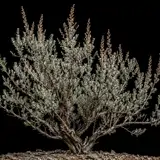
For dry Western plantings where shrubs sit above a low grass matrix. Both want full sun, unamended soil, and minimal summer water - just keep the sagebrush clear of any irrigation you give the turf, since summer water is what kills it.
Keep apart
-
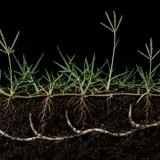
The one plant that will genuinely take a buffalograss lawn away from you. Anywhere warm enough for bermudagrass it creeps in from adjoining lawns and outgrows the slower native, and the extra water and nitrogen people give a thin native lawn accelerate it. Keep a spade-deep cut edge, and never plant buffalograss into ground that already carries bermudagrass runners.
Varieties · 6
You pick one when you add Buffalograss to your garden. Its days to maturity set your harvest window.
Common Buffalograss (Bouteloua dactyloides)
Low, fine, blue-green sod with runners across the soil surface; small flag-like flower spikes in early summer; straw-tan when dormant.
speciesnativewarm-seasonsod-formingThe wild shortgrass-prairie plant and the range type: fine blue-green sod four to eight inches tall spreading by surface stolons, with male plants raising small flag-like flower spikes and female plants carrying burr-like seed clusters down in the foliage. Tougher and coarser than the turf cultivars, cheapest as seed, and the right choice for pasture, revegetation, erosion control, and large unirrigated areas rather than a front lawn.
Legacy
Dense, fine-textured, dark blue-green turf, more uniform than seeded types.
cultivarvegetativeall-femaleno-pollenA vegetative turf-type cultivar from the University of Nebraska breeding program and one of the standards for a buffalograss lawn: notably dense, fine, and dark blue-green, with good cold hardiness for the northern plains. Being an all-female clone it produces no pollen and no burrs, and it cannot be grown from seed - it is planted as plugs or sod. Slower and dearer to establish than seed, and better looking for it.
Prestige
Dense fine blue-green turf with a longer green season in warm climates.
cultivarvegetativeall-femalesouthernA vegetative turf cultivar selected for the southern half of the range: dense and fine, greening up earlier and holding colour later into fall than northern types, which shortens the dormant season noticeably in Texas, Oklahoma, and the Southwest. All-female, so no pollen and no burrs, and established from plugs or sod rather than seed.
Cody
Low, fine, blue-green seeded turf, slightly less dense than the vegetative cultivars.
cultivarseedednortherncold-hardyA seeded cultivar developed in Nebraska for the northern and central plains - low-growing, cold-hardy, and reliable, and one of the long-standing choices where you want a lawn from seed rather than plugs. Not as dense or fine as the vegetative clones, but far cheaper to establish over any real area.
Sundancer
Fine blue-green turf, denser and earlier to green up than older seeded types.
cultivarseededimprovedearly-green-upA more recent seeded release bred for improved turf quality - earlier spring green-up, better density, and good cold hardiness - aimed squarely at homeowners who want a lawn from seed without the cost of plugging. A sensible default seeded choice on the central and northern plains.
Buffalograss and blue grama mix
Low fine blue-green turf, slightly more textured than buffalograss alone, with blue grama seedheads if left unmown.
mixnative-lawnrecommendedshortgrass-prairieNot a cultivar but the combination most often recommended for a native lawn in the interior West, and the pairing that occurs naturally on the shortgrass prairie. Buffalograss spreads by runners and closes gaps while blue grama makes tufts and holds density, so the mix is more even, more resilient, and more forgiving of variable soil than either grass alone. Sold as a blended seed mix by most western native-seed suppliers.
Grower tips
Notes from growers, tagged with the zone they grow in. A person reads every post before it appears.
Nobody has posted about Buffalograss yet. The first one usually saves someone a season.
Free account. Your post shows your grower name and zone, never your email.