
Add it to your home screen and it opens full screen: no browser bars, one tap away, and everything stays signed in. Free, nothing to download from an app store.
- Tap the Share button in your browser
- Scroll down and choose “Add to Home Screen”
- Open GrowSomeFood from your home screen
- Open your browser’s menu
- Choose “Add to Home screen” or “Install app”
- Open GrowSomeFood from your home screen
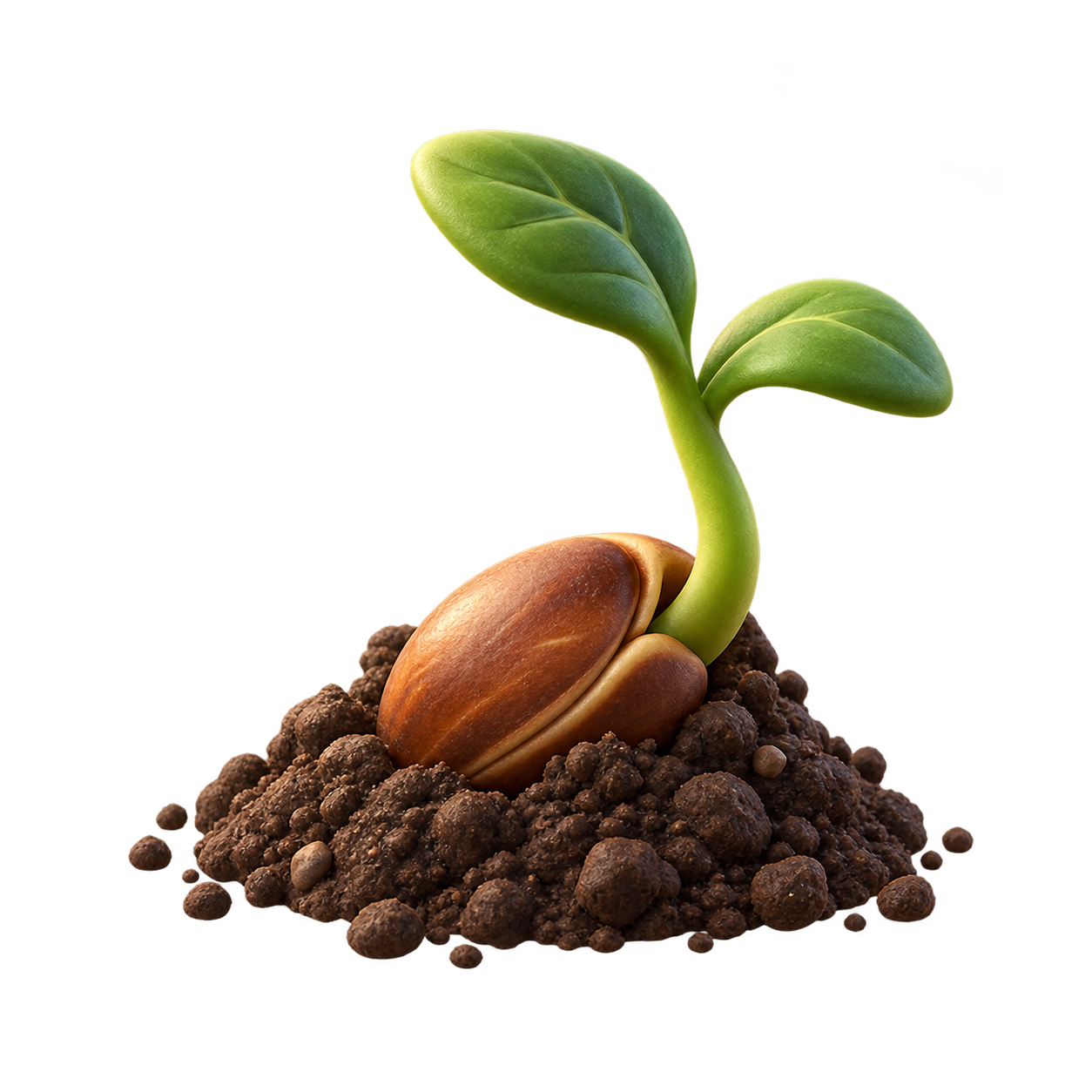
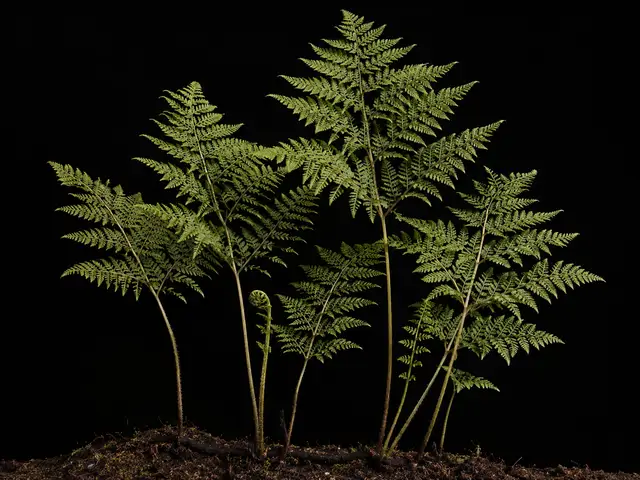
Bracken Fern
One of the world's toughest and most widespread ferns - a sun-tolerant native colonizer of poor, dry ground - but an aggressive rhizomatous spreader AND carcinogenic: valuable in the wild, a problem in the garden, and never a food.
Safety notes TOXIC - do NOT eat. Bracken is carcinogenic: fronds and fiddleheads contain ptaquiloside, linked to stomach and other cancers, and even cooked bracken carries risk despite its use in some cuisines - treat it as non-food. In horses and pigs its thiaminase destroys vitamin B1 and causes thiamine-deficiency poisoning; in cattle and sheep the carcinogen ptaquiloside itself causes bone-marrow damage, bladder tumours and, in sheep, retinal degeneration - thiamine does not protect ruminants.
Overview
Bracken (Pteridium aquilinum) is one of the most successful plants on Earth - a native fern found across nearly all of North America and much of the world, colonizing poor, dry, acidic soils in full sun to part shade where most ferns (and most plants) can't grow. Its large, coarse, triangular fronds are held horizontally on tall stalks like eagle wings (hence 'eagle fern'), forming dense, tall stands. It's the opposite of a delicate shade fern: sun-tolerant, drought-tolerant, cold-hardy, fire-adapted, and almost impossible to discourage.
Quick facts
- Height
- 36 inRange: 18–60 in
- Spread
- 6 ftRange: 3–10 ft
- Cold
- Takes hard frostdamaged below -40°F
- Heat
- Struggles above 100°F
- Life cycle
- Perennial, lives about 50 years
- Soil
- Well-drained
- Water
- Low
- Plant spacing
- 36 inRange: 24–48 in
When to plant
Nothing is open today. Spring transplanting opens 6 months, Apr 10 to Jun 5.
- Transplant Apr 10 – Jun 5 Opens in 173 daysAbout at to 8 weeks after your last frost (Apr 10 here)Rarely planted deliberately - it spreads on its own. If used at all, set out divisions in spring onto an isolated poor, acidic bank in sun or part shade where aggressive spread is acceptable, and keep it far from beds, pasture, and buildings.
Frost here: last around Apr 10 (Mar 27 to Apr 24 most years), first around Oct 25. Zone averages, your own yard may run a week or two either way.
Life stages
Establish, grow, repeat
Getting established and returning each season are different parts of the story.
Stage 1 of 4 · Getting established
Year 1 - rooting in
Day 0 to 90 after transplanting
Care at this stage
-
Water to establish, then it needs almost nothing
Bracken is exceptionally tough - it colonizes poor, dry, acidic soils in sun or part shade where little else grows. Water a transplant or division to establish it, then step back; established bracken is drought-tolerant and self-sufficient to a fault.
-
Decide carefully before planting - and contain it
Think hard before introducing bracken: it runs by deep, brittle rhizomes into a colony that is very difficult to remove once established. If you plant it at all, choose an isolated wild bank where its spread is acceptable, and keep it well away from beds, lawns, pasture, and living spaces.
Months are typical seasonal windows; climate, variety, and plant age can shift them.
Watch out for
3 to know. 1 is high-risk: Aggressive Spread (into lawns). None are active in October.
Aggressive Spread (into lawns)Severity High DisorderSeason: Apr–SepNew shoots emerging progressively farther from the original clump, the patch widening year to year, and self-sown seedlings coming up around and beyond the parent plant.
The most serious case here: bracken runs by deep, brittle rhizomes into dense allelopathic colonies that smother and suppress everything around them, and it is a recognized weed of rangeland, pasture and neglected ground. There is no practical barrier for rhizomes that deep, and digging rarely removes them all - it mostly prompts resprouting. Repeated cutting of the green fronds through the season, over two or more years, is what starves it. Think hard before ever planting it.
New shoots emerging progressively farther from the original clump, the patch widening year to year, and self-sown seedlings coming up around and beyond the parent plant.
Pull runners and seedlings while they are small and easy, dig and divide the colony back on a regular cycle, and deadhead to cut off the seeding half of the problem. Persistent containment is what keeps a vigorous plant productive without letting it take over.
Decide first whether the spread is welcome and site accordingly - a spreader in the right place needs no management at all. Where it must be contained, install a buried root barrier or sink it in a large container, keep a mowed or hard edge against it, deadhead before the seed ripens, and grow it in leaner, drier soil, which slows most spreaders down. Where a clumping cultivar exists, it is far less work than fighting the running form.
Not a pest but the defining habit to manage. This plant spreads by underground rhizome, by prolific self-sowing, or by both, so a colony widens steadily every season and shoots appear well beyond where you planted it. In a meadow, wild area or lawn-alternative planting that is precisely the point; in a tidy border it will crowd out less vigorous neighbors and escape into the lawn and beds around it.
Slugs & SnailsSeverity Low PestSeason: Apr–MayIrregular ragged holes chewed out of the middle of leaves and along the edges - not the clean-edged cuts a caterpillar leaves.
Bracken is one of the most pest-resistant plants there is - its toughness and its own chemistry mean it shrugs off the occasional grazed crozier. Nothing is warranted here.
Irregular ragged holes chewed out of the middle of leaves and along the edges - not the clean-edged cuts a caterpillar leaves. Seedlings that vanish overnight, or that are cut off at soil level with nothing left behind. Silvery dried slime trails across leaves, soil, pots, and paving in the morning: this is the giveaway that tells you it was mollusks rather than an insect. Chewed pits in ripe fruit, especially where it rests on the ground. Damage that shows up on the lowest, dampest leaves first and gets worse after rain or evening watering. Turn over a board, an upturned pot, or a clump of dense mulch during the day and look for the animals themselves sheltering in the cool underneath.
Hand-picking works and costs nothing: go out an hour after dark with a headlamp, drop what you find into soapy water, and repeat nightly for a week or two - persistence is what wins, not any single product. Shallow beer traps sunk to soil level catch them too, but need emptying and refilling daily to be worth anything. Iron-phosphate bait is the standard control and is far lower-risk around pets and wildlife than the old metaldehyde products, but it is not harmless: many formulations include EDTA, and a dog that eats a quantity of pellets can develop iron toxicosis. Scatter it thinly per the label, never in piles, and keep dogs off a baited bed. Clear fallen foliage and debris in autumn, where the eggs are laid. In a wet climate this is a population you manage each season rather than one you eradicate - and on most established plants light grazing is cosmetic and needs nothing at all.
Take away the daytime shelter first: lift boards and upturned pots, clear piles of debris, keep dense mulch pulled back from crowns and stems, and give crowded plantings enough airflow to dry out. Water in the morning rather than the evening so the surface is dry by the time they come out. Copper tape around containers and raised beds gives them a shock they will not cross, and it is the one barrier that reliably works. Get plants past the vulnerable stage quickly - start seedlings in pots and set them out at a decent size rather than direct-sowing into a cold wet bed, since most plants stop being worth defending once the leaves toughen. Leave the ground beetles, frogs, toads, and ground-feeding birds alone, because they eat mollusks all night for free and broad-spectrum slug pellets kill them too. Where thick-leaved or resistant varieties exist for what you are growing, they take far less damage.
Slugs and snails are nocturnal mollusks that rasp ragged holes in soft leaves, shear off seedlings at ground level, and chew into ripe fruit that touches the soil. They feed at night and in the early morning and spend the day hidden under boards, pots, dense mulch, leaf litter, and low foliage, becoming active in exactly the cool, damp, shaded conditions that suit young plants. Damage is heaviest in wet spells and on tender spring growth: a single wet week can erase a row of seedlings while an established, tough-leaved plant of the same species is barely marked. They lay clusters of small pearly eggs in damp soil and under debris, so a garden with plenty of cover carries a resident population year after year rather than being invaded from outside.
Leaf Scorch (sun & drought)Severity Low DisorderSeason: Aug–SepBrowning that starts at the leaf edges and tips and spreads inward, with a fairly sharp line between the crisp brown tissue and the green that is still healthy.
On bracken this is barely a problem: it is adapted to poor, dry ground, and early dieback in a dry late summer does it no lasting harm. The rhizome is unaffected and resprouts normally the following spring, so nothing is warranted.
Browning that starts at the leaf edges and tips and spreads inward, with a fairly sharp line between the crisp brown tissue and the green that is still healthy. Leaves and fronds going dry, papery, and crisp rather than soft, yellow, or spotted - that is what separates this from a fungal problem. Damage worst on the side of the plant facing the sun or the prevailing wind and on the most exposed upper leaves, while the shaded interior stays fine. Symptoms appearing sharply after a heat wave, a dry spell, or a bright windy week in winter. Whole leaves or fronds shed early as the plant cuts its losses.
Water deeply, mulch, and improve the shade - that is the whole treatment, because there is nothing here to kill. Leaves that are already scorched will not recover, so trim off badly browned foliage or fronds for appearance if you want to; the crown and roots are usually unharmed and push out fresh growth once conditions improve. On a plant that scorches badly every year the answer is to move it rather than to keep watering harder, because the siting is what is wrong. Some plants respond well to being cut back hard, which brings a clean flush of new foliage. And on plants that naturally die back or brown off late in the season, scorching at the end of a dry summer is normal and needs nothing at all.
Site the plant where it actually wants to be. This is a placement problem far more often than a watering problem, and a shade plant in hot afternoon sun will scorch every summer however much you water it. Give shade and woodland plants part-to-full shade and shelter from hot afternoon sun and drying wind. Keep the root zone consistently moist and mulch it well with leaf litter or another organic mulch, which holds water and keeps the roots cool - the single most useful routine step. Water deeply and thoroughly during dry spells rather than little and often, so moisture reaches the whole root zone. Pay particular attention through the first year after planting, when the root system is small and cannot keep up with the leaves. On evergreens in cold regions, make sure the plant goes into winter well watered, and keep it out of bright, windy, exposed positions.
Leaf scorch is not a disease and there is nothing to spray for it. It is what happens when a leaf loses water faster than the roots can replace it: the tissue farthest from the veins - the margins and the tips - dries out first and turns brown and papery, and the browning works inward while the rest of the leaf stays green. Hot sun, dry soil, drying wind, heat reflected off paving or a wall, a small or damaged root system, and a plant sited somewhere sunnier or drier than it wants are the usual causes, singly or together. It also happens in winter on evergreens, when bright sun and wind pull water out of the leaves while the ground is frozen and the roots cannot resupply. Shade and woodland plants, shallow-rooted plants, and anything recently planted scorch most easily.
Good & bad neighbors
Plant nearby
- Traditional pairings, thin evidence
-
In the wild, bracken naturally co-occurs with blueberries and other acid-loving heath plants on poor acidic barrens - an ecological association, not a garden recommendation, since bracken will still outcompete them if unchecked.
-
Oaks and pines (open woodland)Bracken characteristically carpets the ground under open oak and pine woodland on acidic soils in the wild; noted as its natural habitat community rather than an intentional companion planting.
Keep apart
-
It suppresses its neighbors (allelopathic)Bracken is a poor companion for almost anything: it shades out and chemically suppresses (allelopathy) nearby plants and spreads aggressively by rhizome, so it tends to dominate rather than share space. Keep it away from garden beds and desirable plantings.
- Traditional pairings, thin evidence
-
Even among ferns, don't mix bracken with well-behaved clumping ferns like Christmas fern - bracken's aggressive rhizome spread and allelopathy will overwhelm a tidy shade-fern planting. Keep bracken to isolated wild ground.
Varieties · 3
You pick one when you add Bracken Fern to your garden. Its days to maturity set your harvest window.
Species (Pteridium aquilinum)
The wild species, a highly variable, near-worldwide complex of subspecies and varieties.
Variety details for Species (Pteridium aquilinum)
Tall, coarse, triangular fronds held roughly horizontal on upright stalks, forming dense spreading stands 2-4 feet high.
speciesnativeaggressivesun-tolerantLarge coarse triangular fronds on tall stalks, spreading by deep rhizomes into dense sun-tolerant colonies on poor acidic ground. Not a cultivated ornamental with named forms - it's a tough wild colonizer, and one that is carcinogenic and must never be eaten.
Western Bracken (Pteridium aquilinum var. pubescens)
The common western North American variety of the same species, dominant across the Pacific states and interior West on burned and open ground.
Variety details for Western Bracken (Pteridium aquilinum var. pubescens)
Like the species, with hairy frond undersides; forms extensive stands after fire and on open western hillsides.
varietynativewesternaggressiveEssentially identical in habit, aggressiveness, and toxicity to the eastern type - noted to reflect that 'bracken' spans several regional varieties of one hugely variable species.
Eastern Bracken (Pteridium aquilinum var. latiusculum)
The common eastern and northern North American variety, widespread in old fields, open woods, and acidic barrens.
Variety details for Eastern Bracken (Pteridium aquilinum var. latiusculum)
Broad triangular fronds on tall stalks, spreading into colonies on poor acidic soils in sun to light shade.
varietynativeeasternaggressiveSame coarse fronds, deep-running rhizomes, and carcinogenic chemistry as the rest of the complex; listed to distinguish the main regional forms of this single, variable, worldwide fern.
Grower tips
Notes from growers, tagged with the zone they grow in. A person reads every post before it appears.
Nobody has posted about Bracken Fern yet. The first one usually saves someone a season.
Free account. Your post shows your grower name and zone, never your email.